Clinton County Illinois Clinton County Fair Festival

Clinton County Illinois Clinton County Fair Festival
Every summer, Clinton County, Illinois points its pickup trucks toward the fairgrounds. The Clinton County Fair is where the county’s 503 square miles of farmland, small towns, and rural back roads send their best livestock, pies, quilts, and kids to compete — and where everyone else shows up to eat, watch, and catch up. This guide covers what the fair is, when it lands on the calendar, how to plan around it, and what to do once you are through the gate.
The Clinton County Fair Snapshot: Carlyle, 36,899 Residents, 503 Square Miles
The details below describe both the fair and the county it represents.
| Town / area | Clinton County area, Illinois |
| County | Clinton County, Illinois (founded 1824) |
| County seat | Carlyle |
| Population | 36,899 (county-wide) |
| Region | Southwestern Illinois |
| Typical timing | A summer weekend, in most years July or early August |
| Admission | Typically free to enter the grounds; rides, food, and grandstand events priced separately |
| Setting | Rural fairground with livestock barns, grandstand, midway, and open-air exhibit halls |
| Features | Livestock shows, carnival rides, concession row, exhibit hall entries, evening grandstand programming |
| Organizer | Volunteer fair board and the county’s agricultural community |
Inside the Clinton County Fair: Barns, Midway, and Exhibit Halls
Strip away the lights and the funnel cake and the Clinton County Fair is an agricultural fair in the classic Illinois mold. Livestock barns fill with cattle, swine, sheep, goats, and poultry. Exhibit halls fill with canned vegetables, quilts, photographs, and school art. The midway fills with rides that glow after dark, and the grandstand fills for whatever is scheduled that evening. Youth exhibitors and open-class entrants spend the week chasing ribbons, and their families spend the week chasing them.
The fair belongs to the whole county rather than to any one town. Clinton County was founded in 1824, covers 503 square miles, and is home to 36,899 people, with Carlyle as the county seat. Fair week is one of the few occasions when farm families from the outer townships, Carlyle residents, and visitors from neighboring counties all end up in the same place at the same time. It is held in summer, in most years on a weekend in July or early August. Admission to the grounds is typically free, with rides, games, food, and grandstand shows priced individually.
Two Centuries of Fair Tradition in a County Founded in 1824
Clinton County was organized in 1824, while southwestern Illinois was still being settled, and Carlyle took on the role of county seat. Fairs in this part of the state grew out of agricultural societies and informal stock shows, where farmers compared bloodlines, swapped equipment, and argued about whose corn yield was honest. Those gatherings gradually moved onto dedicated fairgrounds with permanent barns, a grandstand, and a midway, and the annual fair became the fixed point of the county’s summer calendar.
For another look at how a community turns its own traditions into a gathering, see the Clay County Indiana Festival of Trees Festival for a useful comparison.
The fair has survived everything rural Illinois has thrown at it: drought, hard economic years, wartime labor shortages, and the long drift of farm families toward larger towns. What kept it going was the fair board and the exhibitors themselves. Many Clinton County families now enter the same categories their grandparents entered, and the schedule still bends around the livestock shows rather than the other way around — a good sign that this remains an agricultural event first and a carnival second.
On the Ground in Clinton County: Food, Grandstand, and Family Contests
A day at the fair has a rhythm: barns in the morning, shade in the afternoon, midway and grandstand after dark.
Fair Food Along the Clinton County Concession Row
Fair food here means the classic lineup done well: corn dogs, elephant ears, funnel cakes, hand-cut fries, pork chop sandwiches, lemonade shake-ups, and soft serve. Church groups and civic organizations typically run their own stands, and that is usually where the better pies and homemade specialties turn up. Prices are set per item, so a family can eat cheaply at one or two stands or graze all evening. Bring cash in small bills for the smaller booths; card readers are common at the big trailers but not universal.
Grandstand Nights: Music, Pulls, and Derby Crowds
Evening programming is the fair’s biggest draw. Grandstand lineups in most years mix live country and rock acts with tractor pulls, a demolition derby, and a pageant or talent showcase, while smaller stages and beer tents host local bands through the week. Because lineups change annually and grandstand tickets are usually sold separately from gate admission, check the current schedule before committing to a night. Arrive early for the derby — that is the one that fills the bleachers.
Family Activities, Livestock Barns, and Exhibit Hall Ribbons
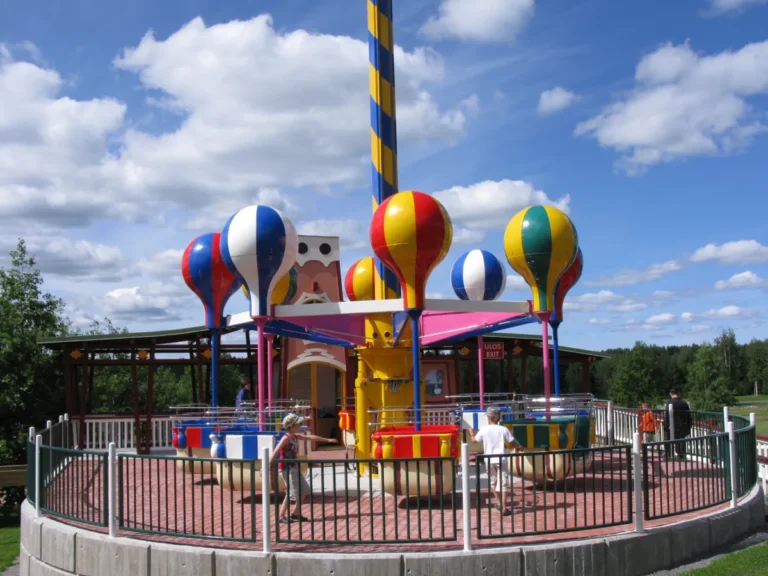
Families with young children tend to spend the day in three places: the barns, the exhibit halls, and the kiddie midway. Barns are free to wander and usually staffed by exhibitors happy to answer questions about a heifer or a market hog. Exhibit halls hold the baking, canning, photography, and craft entries, along with youth divisions that make the competition feel achievable. Add rides, games, and a nightly ice cream before the walk back to the car, and you have a full day that needs very little planning.
Planning a Clinton County Fair Trip from Carlyle and Beyond
Getting There: Routes into Clinton County
Clinton County sits in southwestern Illinois, within reach of the St. Louis metro area and the surrounding rural counties. Carlyle, the county seat, is the natural reference point for directions, fuel, groceries, and a sit-down meal before or after the fair. Most visitors arrive by car on two-lane state routes and county roads, so expect farm equipment and slow evening traffic on the approach. Coming from out of the area, build in extra time — the last few miles are the slowest.
Where to Stay Near the Clinton County Fair
Lodging in the immediate area is limited, and fair week fills what exists. Expect small independent motels and guest cabins inside the county, plus a wider choice of chain hotels in larger towns within a 30- to 45-minute drive. Campers usually do best at private campgrounds or nearby recreation areas, which book up early on summer weekends. Reserve well ahead if you are traveling in, and consider two nights so you are not driving home after the grandstand lets out.
Parking on the Fairgrounds
Parking is typically on-site or in adjacent grass lots, with volunteers directing traffic. Arrive before the evening rush for a short walk; arrive late and you will be parking in the back forty, which is part of the experience. Follow the signs rather than your GPS, watch for pedestrians after dark, and note a landmark near your car — rows of trucks and trailers all look alike at night.
Admission, Ride Costs, and Cash on Hand
Gate admission is typically free, which makes the fair an easy stop for an hour or an entire evening. Costs add up on the midway: rides are sold individually or as wristbands, games are pay-per-play, and grandstand events usually carry their own ticket price. Food and drink are per item. A sensible budget for a family of four covers food, a wristband or ride tickets, and a little extra for the exhibit hall bake sale, generally the best value on the grounds.
July Heat, Humidity, and Rain Plans
Mid-summer in southwestern Illinois means heat, humidity, and the occasional afternoon thunderstorm. Plan around the middle of the day: barns and shaded bleachers in the morning, indoor exhibit halls at midday, midway after the sun drops. Bring sunscreen, a refillable water bottle, hats, and a light rain jacket. Wear closed-toe shoes — fairground grass, gravel, and livestock barns are not sandal terrain.
A Sample Fair Weekend in Clinton County
Friday. Arrive before the evening rush, park in the front lot, and walk the exhibit halls while they are still quiet. Eat an early dinner from a church stand, then find a seat for the grandstand event. Stay for the midway lights but leave before the closing crowd.
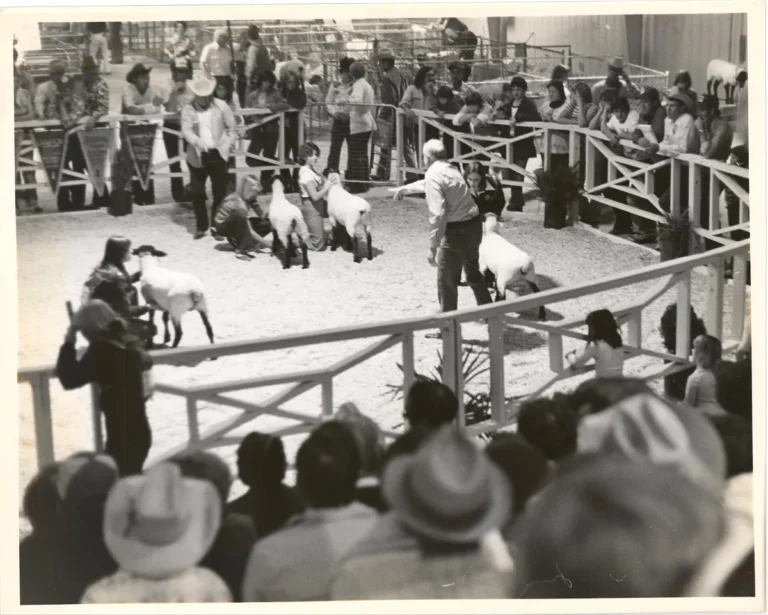
Saturday. This is livestock day. Watch the market classes and showmanship competitions — the fairest window into what the fair is actually about. Lunch from a concession trailer, then a slow pass through the barns. Rest during the afternoon heat, return for the evening concert or derby, and finish with ice cream on the walk out.
Sunday. Come for the quieter hours. Check open-class results in the exhibit halls, catch a kids’ event or a pull, and let children spend their remaining ride tickets before the midway packs up. Many families treat Sunday as the day to talk with exhibitors and neighbors rather than chase the schedule.
Clinton County Fair vs. Nearby Fairs and Towns
Compared with the Illinois State Fair in Springfield, the Clinton County Fair is smaller, cheaper, and far easier to cover in an afternoon — no sprawling grounds and no full-day logistics. Compared with county fairs in neighboring counties, it is similar in scale but tied specifically to Clinton County’s agricultural community, anchored by Carlyle as the county seat. And compared with the festival calendar in the St. Louis metro area to the west, it trades big-city production for small-town access: you park close, see people you know, and sleep in your own bed.
Fair-Day Checklist for Clinton County Visitors
Before you go: confirm the current year’s dates and grandstand lineup, since both change annually. Check the forecast and pack for heat and rain. Charge your phone and bring a battery pack. Carry cash in small bills for booths and bake sales. Bring a refillable water bottle, sunscreen, and hats. Wear closed-toe shoes. Agree on a meeting point in case your group splits up, and snap a photo of your parking row.
Beyond the Fairgrounds: Clinton County the Rest of the Year
Clinton County is 503 square miles of farmland, small towns, and rural roads, and the fair is only one way to see it. Carlyle, the county seat, is the logical base for a longer stay, with the courthouse square, local restaurants, and the everyday services a visitor needs. Outside town, county roads run past corn and soybean fields, grain elevators, and family farmsteads — a landscape that explains why the fair exists at all. Drive one slowly. Visitors who come for the fair often leave with reasons to return: a diner worth revisiting, a produce stand, a small-town celebration later in the season, a park spotted on the way in.
Why the Clinton County Fair Still Anchors a 36,899-Person County
In a county of 36,899 people spread across 503 square miles, the fair is one of the few institutions that still pulls everyone into one place. It is a livestock show, a business meeting, a school reunion, a fundraiser for church groups and civic clubs, and a first job for plenty of local teenagers. It also keeps a set of skills visible — animal husbandry, baking, woodworking, equipment handling — that rarely get public attention the rest of the year. For families who have entered the same categories for three generations, the ribbons matter less than the fact that everyone showed up again.
Mapping the Clinton County Fairgrounds
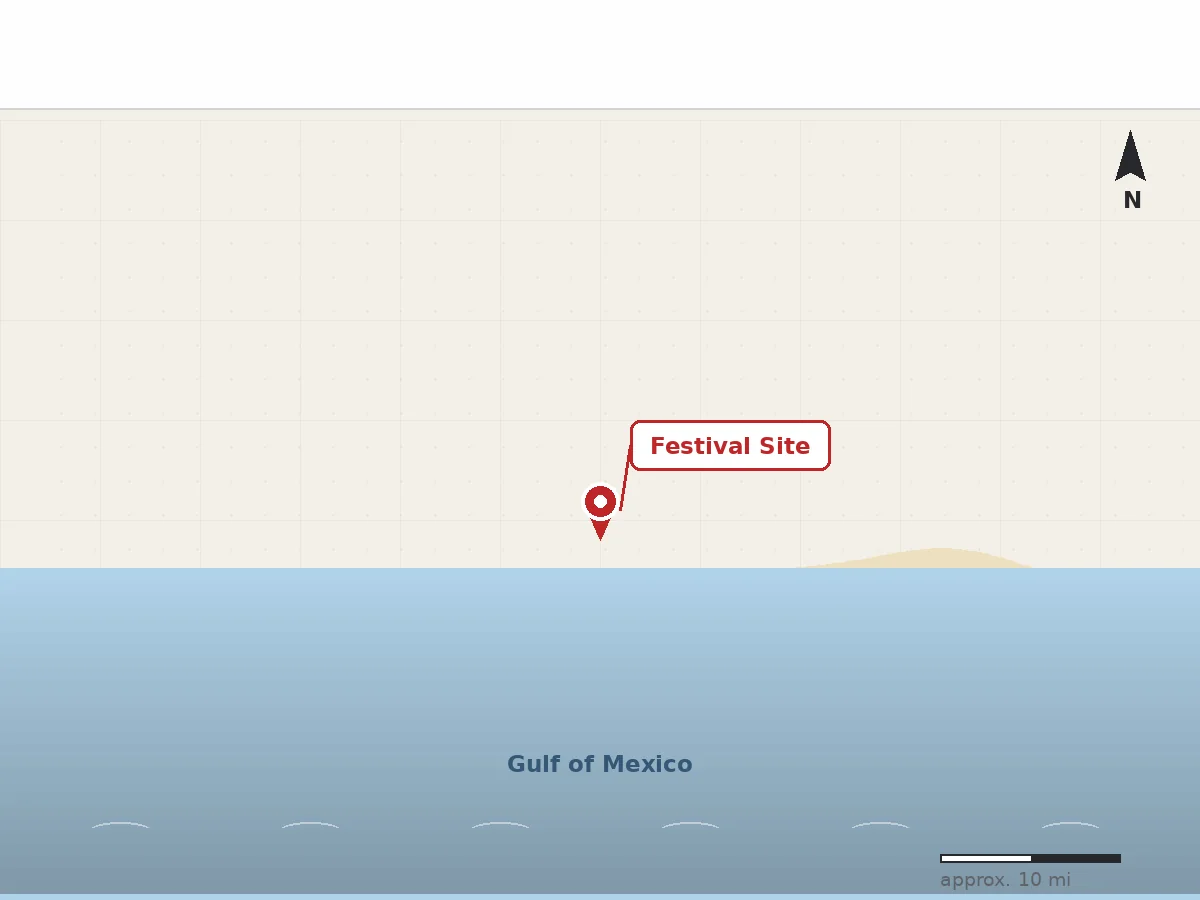
The Clinton County Fair takes place on the fairgrounds in the Clinton County area of southwestern Illinois, with Carlyle, the county seat, as the nearest reference point for most visitors.
Clinton County Fair Answers for First-Time Visitors
When does the Clinton County Fair usually take place?
In most years the fair runs on a summer weekend in July or early August, with events spread across several days. Because the exact dates shift annually, confirm the current schedule before making travel plans, and note that grandstand programming may not run every night of the fair.
Is admission to the Clinton County Fair free?
Gate admission is typically free, which makes it easy to stop in for an hour or stay the whole evening. Your spending goes to the midway, food, games, and grandstand tickets, all priced individually. Families who set a cash limit before arriving generally enjoy the night more than those who discover the total at the wristband booth.
Is the fair suitable for young children and older visitors?
Yes. Livestock barns, exhibit halls, and kiddie rides are the standard circuit for families with small children, and the grounds are compact enough that older visitors can see most of it without a long walk. Shaded bleachers and indoor exhibit halls offer breaks from the heat, and mornings are noticeably calmer and cooler than evenings.
Do I need to arrive early for grandstand events?
For the most popular nights — usually the demolition derby and any headline concert — arriving about an hour before the start gets you a real seat rather than a spot along the rail. On quieter evenings you can walk in close to showtime and still find room in the bleachers.
The Next Chapter for the Clinton County Fair
County fairs across Illinois are adapting: tighter schedules, more evening programming, online entries, and heavier emphasis on food and entertainment alongside the livestock shows. The Clinton County Fair faces the same pressures and enjoys the same advantages — a county of 36,899 people with deep agricultural roots, a volunteer fair board that has kept the event running for generations, and a location close enough to the St. Louis metro area to draw visitors who want an honest small-town summer night. Expect the fair to keep evolving around a stable core: barns, exhibits, ribbons, and a midway that lights up after dark.
Last updated: October 2026
Whatever brings you to Clinton County — the derby, the funnel cake, a niece showing a goat, or simply a summer evening with nowhere else to be — the fair rewards a little planning and a willingness to wander. Come early, stay late, talk to the people in the barns, and you will understand why this county has been doing it since 1824.
One Comment