Chautauqua County New York Fair Festival
Three events in this county answer to the name Chautauqua, and only one is the county fair. The Chautauqua County Fair runs for six public days in late July at the Chautauqua County Fairgrounds, 1089 Central Avenue, in Dunkirk, in the county’s north. It is not held in Mayville, the county seat. It is not the Chautauqua Institution, the gated cultural season on Chautauqua Lake, whose tickets and lodging belong to a separate organisation. And it is not the same-named county fair at Sedan, Kansas, which runs in the same week and advertises itself as free; none of its prices or rodeo programme belongs here. The Dunkirk fair charges at its gate, and the charge buys more than entry, because this is a pay-one-price fairground where one ticket carries the midway and almost the whole grandstand.
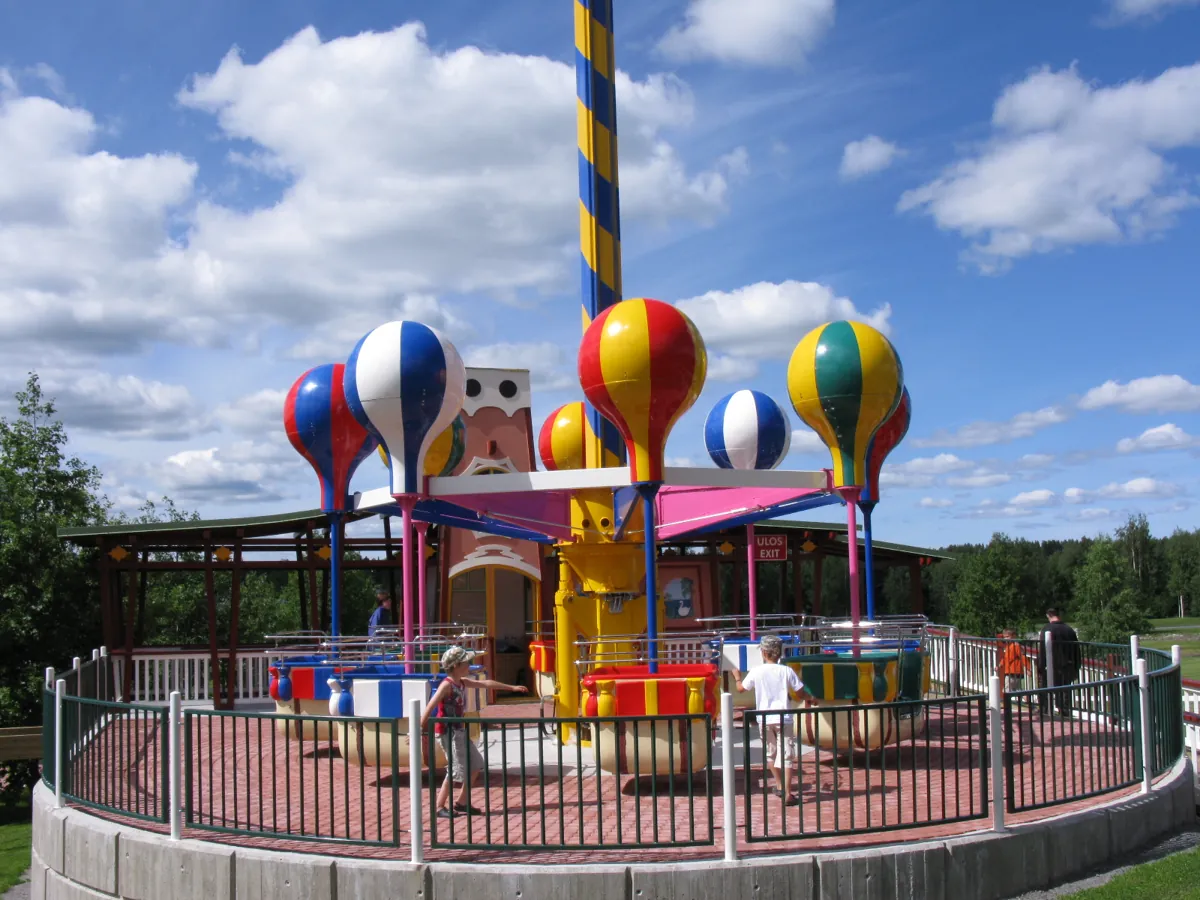
About a Pay-One-Price Fair on Central Avenue
The fair is presented as the Chautauqua County Fair, and its paperwork records its organiser’s name in several published forms, kept side by side here rather than tidied into one. The 2026 Livestock Exhibitor’s Handbook is issued by the Chautauqua County Fair Association; the 2026 camping contract rents its sites in the name of the Chautauqua County Agricultural and Fair Association; the fair’s own written history describes a re-incorporation under a longer form of that name in 1972, with yet another form in a county government history, the accounts unreconciled. What is not in doubt is the week staged: livestock judging through the day, a grandstand event every night, a midway run in 2026 by Amusements of America. Cornell Cooperative Extension of Chautauqua County runs the 4-H exhibits, shows and sale machinery, but it is a programme partner, never the organiser, and its Jamestown office is no evidence of where the fair sits.
Quick Facts
| Item | Detail |
| Event | Chautauqua County Fair |
| Fair town | Dunkirk, on Lake Erie in northern Chautauqua County |
| County seat | Mayville, which does not host the fair |
| Grounds | Chautauqua County Fairgrounds, 1089 Central Avenue, Dunkirk |
| Public days in 2026 | Tuesday July 21 to Sunday July 26, in late July |
| Gate price in 2026 | Ten dollars in advance or fifteen dollars at the gate |
| Senior price in 2026 | Nine dollars, at the gate only |
| Camping in 2026 | On the grounds, thirty to forty-five dollars per night |
A History That Begins in Mayville and Settles in Dunkirk
The fair’s own published history, written by its historian Dave Wilson, says the Chautauqua County Agricultural Society was first organized in 1821 in Mayville, with Judge Zattu Cushing of Fredonia as president, and that the first fair of which we have record was held that year. That society soon expired; revived in October 1837 and re-formed on January 4, 1838, it held fairs at irregular intervals, one of them at Panama on September 10 and 11, 1851. In 1874 the society bought fairgrounds land on Baker Street in Jamestown, a layer belonging to that city’s past, not to the modern fair’s address. In 1880 the Agricultural Society of Northern Chautauqua bought twenty-four acres in the Town of Dunkirk; the fair was held on Dunkirk grounds in 1881, on the site of the current fairgrounds, and the Central Avenue grounds were purchased in 1900.
The twentieth century brought distinction and interruption. The fair took a first Place rating in the State in 1909, was not held in 1916 for financial problems, and was reorganised in 1917, when the grounds were bought again. It earned the state’s A-rating in 1927 and again in 1934. From 1917, its history states, the fair has run every year except the three Second World War years, when the grounds housed prisoners of war from 1942 to 1944, and the pandemic years of 2020 and 2021. Because early fairs were irregular and whole years lost, no founding year can be computed from the 145th billing, and none is attempted here.
What to Expect
A Grandstand Event Every Night
The fair’s own 2026 schedule opens the grandstand a day before the gates, with harness racing on Monday July 20. The Demolition Derby takes Tuesday night at seven o’clock, with a junior derby that afternoon, and returns to close the fair on Sunday at four o’clock. Between those bookends come the NYRican Project on Wednesday, the Empire State Truck and Tractor Pull on Thursday, Cross Over the Line Bull Riding on Friday and a Monster Truck Show on Saturday. Sunday also carries a church service and the 96 Highlanders before the final derby.
For a useful comparison, see the Cayuga County New York Sterling Renaissance Festival for another county festival.
Barns, Rings and the Sale
Beneath the grandstand week sits the exhibitor core of the fair’s 2026 handbook: open-class and 4-H departments for dairy cattle, including a Holstein show and an open dairy show, beef in market steer and breeding classes, swine, sheep, goats in dairy, meat, harness and pack classes, an open rabbit show, poultry, and horse shows in English, western, driving, dressage and gymkhana classes. The week peaks commercially at the 4-H Meat Animal Sale on Friday at noon, and its family end is filled by the Baby Parade on Friday, the Kids Tractor Race on Saturday and pee wee showmanship.
Entertainment Along the Front Walkway
The 2026 schedule repeats its grounds acts several times daily: Circus Incredible on the front walkway, a comedy magic show billed as Unbelievable Comedy Magic, alongside karaoke and martial arts demonstrations. New for 2026 is a working blacksmith at the grounds museum. The named plant gives the week its map: the Warren K. Brown Show Arena, the Mooney Harrington Show Arena, the Arthur R. Maytum Family Theater, Floral Hall, the 4-H Building, the Rabbit and Poultry Barn and the race track.
The Midway and the Day’s Rhythm
Gates open at nine in the morning. The midway runs from one in the afternoon until ten at night Tuesday through Thursday and until eleven Friday through Sunday, weather permitting.
Planning Your Visit
One Ticket, Almost Everything Included
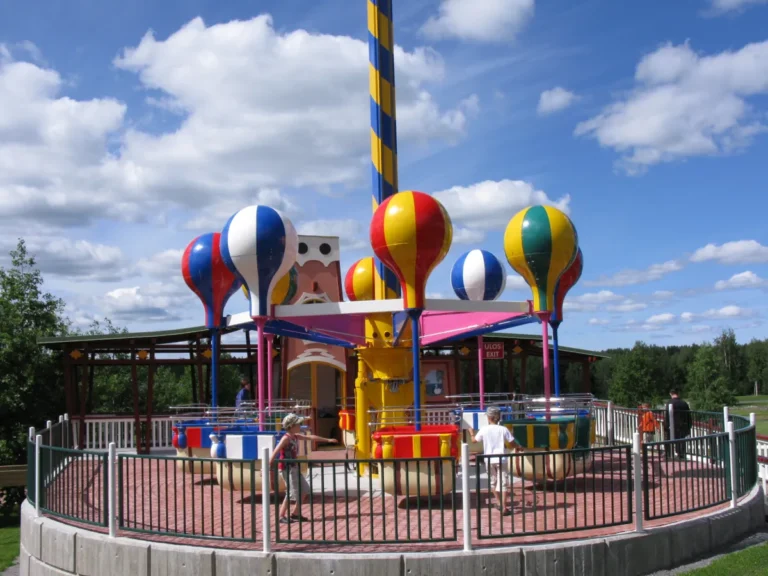
The fair’s own words for 2026 are that pay one price includes unlimited mechanical midway rides and all events in the grandstand except the Demolition Derby. Advance tickets cost ten dollars in cash, on sale from Monday June 15 through Monday July 20; fair-week gate admission is fifteen dollars in cash, card sales carrying the current card fees. Senior citizens pay nine dollars in cash at the gate only, with no advance price; the fair’s own advertisement sets that concession at sixty-two and older. A weekly ticket cost fifty dollars in cash through July 20, covering the whole week on the same terms, the derby again excepted. Children three and under are free unless they plan on riding the rides or going in the grandstand, in which case a ticket is required. Parking is five dollars, cash only.
The derby is the one grandstand event sold apart, its reserved seats available only at the fair office: through July 20, rows A to N cost seventeen dollars and rows O to CC fourteen dollars, rising in fair week to twenty-two and nineteen dollars, each including admission, rides and the assigned seat. Derby registration fees and pit passes are exhibitor entry terms, never spectator admission. Earlier years ran on different terms, none quotable as this year’s: a twelve-dollar daily gate with a seven-dollar senior price in 2018, free parking in the 2022 layer, and a fifteen-dollar gate in a 2025 listing stating no inclusions, so the pay-one-price inclusions belong to 2026 alone.
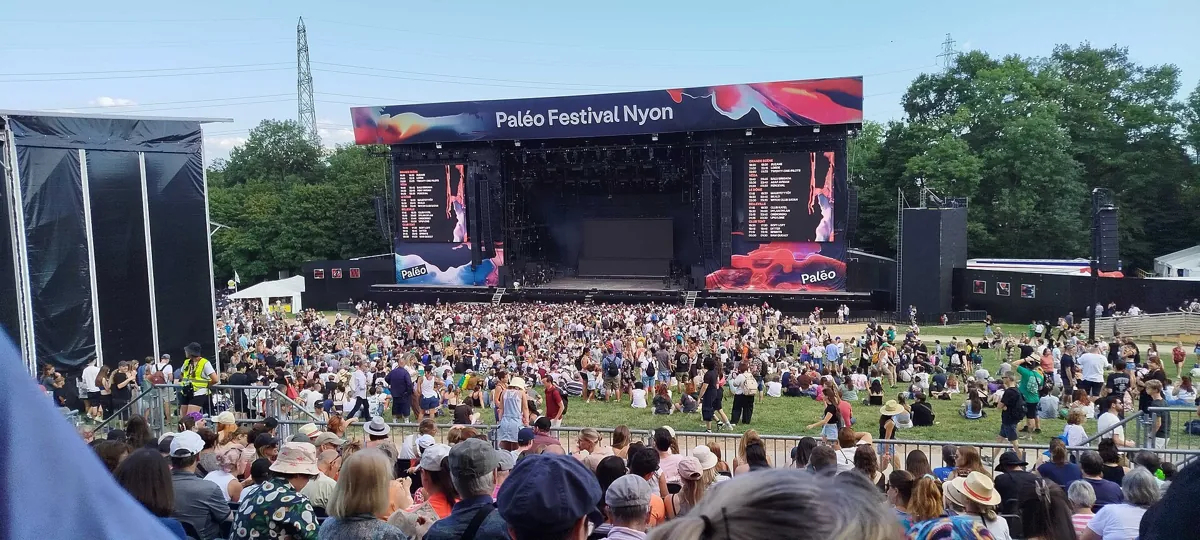
Camping on the Grounds, Under Contract
This fair rents its own camping area under a contract printed in the 2026 exhibitor’s handbook, its rates set by hook-up tier: thirty dollars per night for sites with electric and water, thirty-five dollars where sewer is added, and forty-five dollars for the fullest hook-up group. One site, number 19, appears in both the thirty-dollar range and the forty-five-dollar line exactly as printed, so no price is asserted for it here; anyone assigned it should confirm the rate with the fair office. The rules are plain: absolutely no campfires, grills at least ten feet from any camping unit, pets leashed and kept on the site, and no grey or black water on the ground. The contract even prints two payment dates, June 26 in one line and June 27 in another, and both stand unreconciled.
Getting There and Placing the Fair
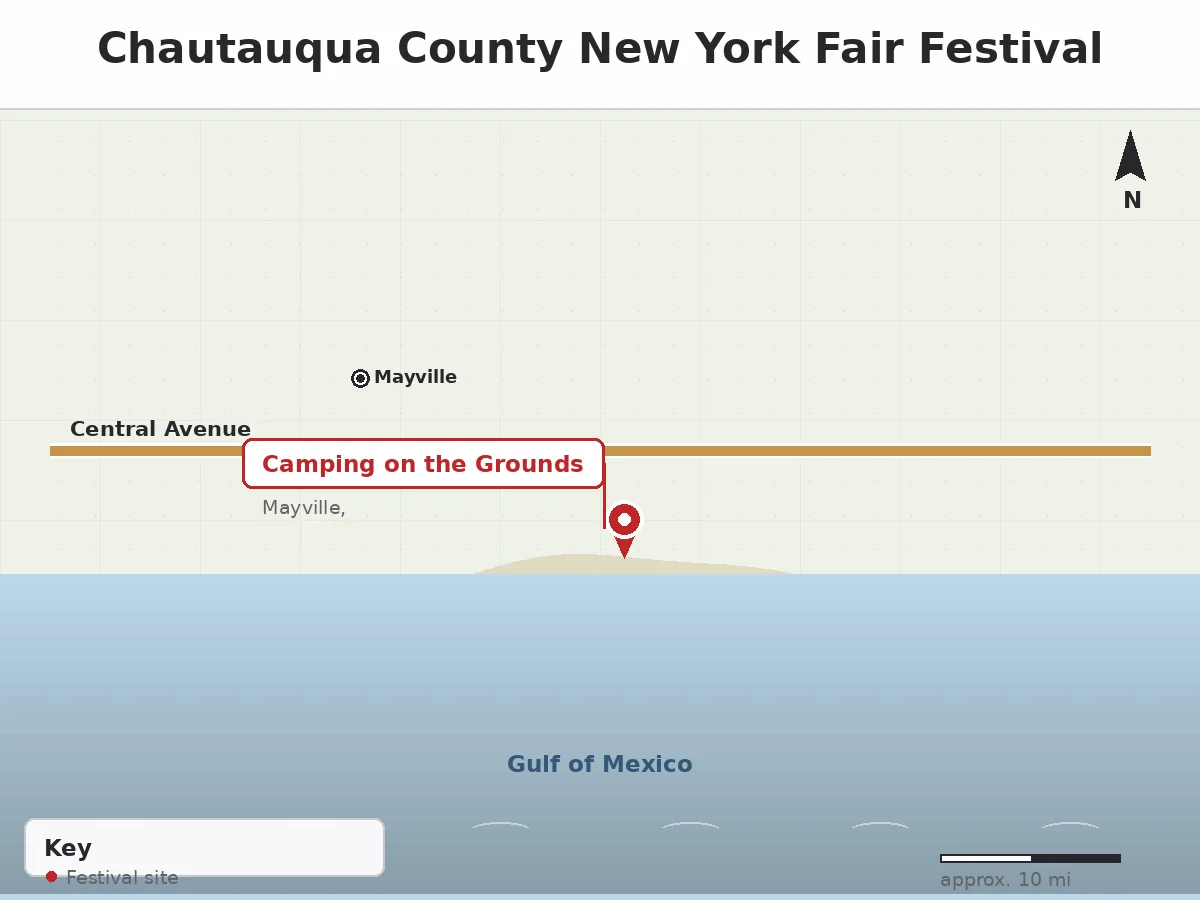
Aim for 1089 Central Avenue in Dunkirk and navigate by the fairgrounds’ name if a map tries to send you toward the county seat. Overflow parking sits past the fairgrounds on Waldorf Road. Exhibitors should plan by the exhibitor calendar rather than the public one: livestock shows begin on Sunday July 19 and animals are released at three o’clock on Sunday July 26.
A Sample Saturday at the Dunkirk Fair
Arrive soon after the nine o’clock opening and walk the barns while judging is under way. Cross to Floral Hall and the 4-H Building before lunch, then catch the blacksmith at the museum and a circus performance in the early afternoon. When the midway opens at one, use the rides your single ticket already covers. Eat from the fair food stands in the early evening, take a grandstand seat for the Monster Truck Show at seven, and finish with a last midway round before the rides close at eleven.
One Name, Three Fairs: Telling Dunkirk Apart
The sharpest comparison for this fair is with its own namesakes. The same-named county fair and rodeo at Sedan, Kansas runs across the same late-July week, sharing even the 2026 span of July 21 to 26 in its listing layers, and advertises free admission; its pages show a Kansas address and no gate price at all, none of which describes Dunkirk. The Chautauqua Institution fills a nine-week summer season on Chautauqua Lake with lectures, concerts and gated lodging at prices many times this fair’s gate, and shares nothing with the fair but the county’s name. Against the gate-plus-extras model many fairs use, Dunkirk’s is simpler to budget: one price carries the rides and the grandstand, and the derby is the single named exception.
Your Fair Week Checklist
- Confirm the current year’s dates and prices on the fair’s own site before travelling, because older listings repeat earlier spans.
- Buy advance tickets at ten dollars before the Monday ahead of fair week if you can; the gate price is fifteen dollars.
- Carry cash for the gate, the seniors’ concession and the five-dollar parking, since card sales add fees.
- Budget the demolition derby separately; its reserved seats are sold only at the fair office.
- Never rely on a search result that calls this fair free; the free fair of this name is at Sedan, Kansas.
- If camping, book under the fair’s own contract, respect the ban on campfires and confirm your rate if you are assigned site 19.
- Do not confuse the Chautauqua Institution’s season or prices with the county fair’s week.
- Exhibitors: have animals in place by noon on the Sunday before opening, and enter at Gate 5 as the handbook directs.
Beyond the Fairgrounds
Dunkirk itself, a small Lake Erie city, is the fair’s natural extension, its waterfront a short distance from the grounds. Mayville, the county seat at the head of Chautauqua Lake, earns a visit for its place in this story, as the town where the first agricultural society was organised in 1821, even though the modern fair has been Dunkirk’s for well over a century. The Chautauqua Institution’s grounds on the lake are a separate destination with their own gates and tickets, a different day out entirely, not an annex of fair week. The Gerry Rodeo, in August, and Fredonia’s separate farm festival belong to the county’s wider summer, not to the fair’s programme.
Why This Fair Matters to Its County
A fair that has kept one home since 1881 is a piece of civic memory as much as an event, and Dunkirk’s fair carries the whole county’s name into a city that is not its seat, bringing the week’s visitors to the Lake Erie end of the county. Its pay-one-price model matters to families, because the cost of a day is known at the gate, with no later arithmetic over rides and seats. The exhibitor departments, the 4-H sale and the judging contests keep it anchored in the farm economy that founded its society in 1821, while the derby, the pulls and the monster trucks keep the grandstand a countywide draw. That a same-named free fair runs the same week in Kansas, and a famous cultural season runs inside its own county, only makes Dunkirk’s plainly stated identity worth more.
Frequently Asked Questions
Where is the Chautauqua County Fair held, and is it in the county seat?
It is held at the Chautauqua County Fairgrounds, 1089 Central Avenue, Dunkirk. Mayville is the county seat and does not host the fair; its role here is historical, as the 1821 origin town.
What does the gate price actually include in 2026?
The fifteen-dollar gate price, or ten dollars in advance, covers admission, unlimited mechanical midway rides and every grandstand event except the Demolition Derby. Parking is five dollars in cash on top, and derby reserved seats are sold separately at the fair office.
Does the Dunkirk fairgrounds take campers during the fair?
Yes, under the fair’s own published camping contract. Sites cost thirty dollars per night with electric and water, thirty-five dollars with sewer added, and forty-five dollars for the fullest hook-up tier, under rules that include a complete ban on campfires.
Is this the same event as the Chautauqua Institution’s summer season?
No. The Institution runs a separate gated cultural season on Chautauqua Lake with its own tickets and lodging, while the county fair is a six-day agricultural fair in Dunkirk. They share only the county’s name.
What to Expect From the Next Chautauqua County New York Fair Festival
How often is the Chautauqua County New York Fair Festival held?
It is held once a year, in late July, in a modern shape of six public days from Tuesday to Sunday, with livestock arriving the weekend before and harness racing opening the grandstand on the Monday.
When is the next Chautauqua County New York Fair Festival?
The next edition is expected in late July of the coming year, following the established Tuesday-to-Sunday pattern. Its exact dates and prices will be those the fair publishes for that year, not an assumption carried from the 2026 span of July 21 to 26.
Will the dates change?
The late-July slot and Tuesday-to-Sunday shape have been steady, but the exact span shifts by a few days as the calendar turns, and earlier years show different July spans. Treat any date not drawn from the fair’s own current announcement as unconfirmed.
The Chautauqua County Fair asks one thing of its visitors first: be sure you have found the right Chautauqua. Find the fair on Central Avenue in Dunkirk in the last full week of July, and what you get is the genuine article, a working agricultural fair, a grandstand lit every night, and a ticket that covers nearly all of it.