Butler County Iowa Butler County Fair Festival
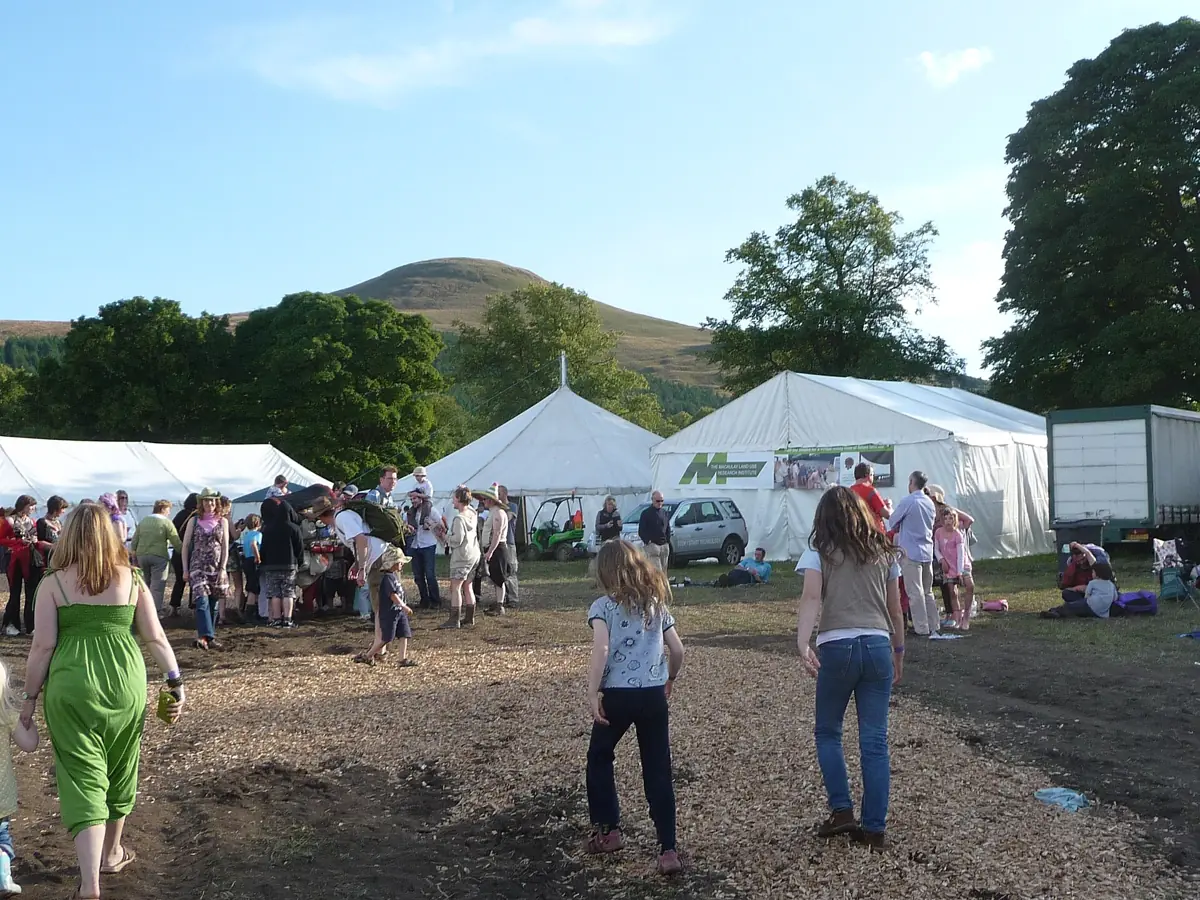
Allison, Iowa, is a county seat of the classic kind: a courthouse near the center, a school on the edge of town, grain elevators along the rail line, and streets that go quiet early. It is the seat of Butler County, a 582-square-mile expanse of north-central Iowa founded in 1854 and named for General William O. Butler. The 2020 census counted 14,334 people across the whole county — few enough that a single summer event can gather a meaningful share of them in one place.
The Butler County Fair is that event. For a few days each summer, the fairgrounds in Allison become the county’s shared living room: pickups and trailers in long rows, kids in boots leading cattle toward the show ring, fryer oil drifting between the barns, and a grandstand that fills after dark. The fair is older than most of the families who exhibit there, and it still runs on the same rhythm — livestock, exhibits, rides, food, and neighbors who mostly see each other once a year.
Butler County Fair Essentials: Allison and the County Around It
| Town / area | Allison and the surrounding Butler County area |
| County | Butler County, Iowa |
| County seat | Allison |
| Population | 14,334 (2020 census) |
| Region | North-central Iowa |
| Typical timing | A multi-day run in mid-summer, usually in July |
| Admission | Generally no gate charge; rides, food, and some grandstand events cost extra |
| Setting | Fairgrounds in Allison with livestock barns, exhibit halls, a grandstand, and open midway space |
| Features | 4-H and FFA livestock shows, open-class exhibits, carnival rides, fair food, grandstand entertainment |
| Organizer | A volunteer fair board supported by county agricultural groups |
What the Butler County Fair Is — and Who Keeps It Running
At its core this is an agricultural fair in the traditional Iowa sense. Livestock barns hold cattle, hogs, sheep, goats, and poultry shown by 4-H and FFA members from townships across the county. Exhibit halls display baking, canning, photography, quilting, and garden produce, all judged by category. The midway adds rides and games, and the grandstand hosts evening events that shift from year to year.
It is also a county-wide reunion. Families from Allison, Parkersburg, Greene, Clarksville, Shell Rock, Aplington, Dumont, New Hartford, and Bristow converge on the same grounds. Grandparents watch grandchildren in the show ring, and some of the volunteer crews running the fair today are the same families who ran it a generation ago.
A volunteer fair board organizes the event with help from county agricultural groups, local businesses, and hundreds of unpaid hours. That structure is why it feels less like a ticketed attraction and more like a project the county does for itself.
For another look at how a community turns its own traditions into a gathering, see the Buena Vista County Iowa Buena Vista County Fair Festival for a useful comparison.
How the Fair Grew Up With a County Founded in 1854
Butler County was founded in 1854 and organized around Allison as its seat. In those first decades, the county’s identity was built on prairie farms, small rail towns, and the seasonal calendar of planting and harvest. County fairs grew out of that world — a place to compare livestock, trade notes on seed and methods, and mark the passage of one season into the next.
Early fairs looked nothing like today’s midway. Exhibits were practical: the best corn, the heaviest hog, the finest butter. Judging was a serious civic matter. As rural Iowa changed — tractors replacing horses, roads improving, small towns rising and shrinking — the fair changed with it, adding youth programs, machinery displays, and evening entertainment.
What has not changed is the calendar logic. The fair lands after crops are in and well before harvest, in the middle of a summer the whole county experiences together. That timing is a large part of why it has lasted: it fits the agricultural year instead of competing with it.
Inside the Butler County Fair: Barns, Grandstand, and Food Row
Expect compact, walkable grounds where the schedule matters more than the square footage. Mornings belong to livestock, afternoons to exhibits and rides, evenings to the grandstand. Most visitors come for a few hours at a time rather than a full day.
Fair Food Worth Standing in Line For
Food is the through-line. Expect the standard county-fair menu — corn dogs, funnel cakes, pork sandwiches, walking tacos, lemonade, soft-serve — plus a church or civic group stand or two selling pie and coffee. Much of it is staffed by local vendors and service clubs, which means the money tends to circulate back into Butler County rather than out of it.
Grandstand Nights and Local Music
Grandstand programming changes from year to year, but Iowa county fairs of this size typically mix live regional music with tractor pulls, demo derbies, and similar evening events. Smaller stages and beer gardens sometimes host acoustic acts earlier in the night. Whatever the lineup, the grandstand crowd is the social center of the fair after dark.
Family Activities Across the Grounds
Younger visitors gravitate to the midway, the petting areas, and the barns — which are often the real draw, since most exhibitors are happy to let a kid scratch a calf. The grounds are flat and the fair is modest in size, so families can see most of it without an exhausting march.
Planning a Trip to the Butler County Fair in Allison
Allison is an easy drive from most of Butler County and from the larger cities beyond it. The main variables are heat, parking, and how long you want to be on your feet.
Getting to Allison
Allison sits near the center of Butler County, linked by paved state and county roads to Parkersburg, Greene, Clarksville, Shell Rock, Aplington, Dumont, and New Hartford. From outside the county, the practical approach is to reach one of the larger regional cities and then head into Allison on county highways. A car is the realistic option; public transit does not serve the fairgrounds.
Where to Stay in and Near Butler County
Lodging inside Allison is limited. Most out-of-county visitors stay with family locally or base themselves in a larger nearby city and drive in for the day. Some bring campers and stay at area campgrounds. If your visit lines up with other summer events in the region, book early.
Parking Around the Fairgrounds
Fair parking is typically on grass or gravel beside the grounds, with volunteers directing traffic. It fills fastest on grandstand nights. Arriving an hour before a headline event is a reasonable buffer, and side streets in town are the fallback.
Admission, Rides, and What Things Cost
There is generally no gate charge for the Butler County Fair. Costs appear once you are inside: ride tickets or wristbands, food, games, raffles, and occasionally a separate ticket for a grandstand event. Bring cash, since smaller vendors and youth club stands may not take cards, and set a rough budget per person before you walk in.
Weather During a North-Central Iowa Summer
Mid-summer here means heat, humidity, and the chance of an afternoon thunderstorm. Mornings and evenings are the most comfortable windows. Bring water, sunscreen, and a hat, keep an eye on the sky, and expect some events to pause or shift when storms roll through.
A Sample Fair Weekend in Butler County
Friday: arrive in late afternoon, park, and walk the livestock barns while exhibitors are still settling in. Eat dinner from the food stands, then take in the grandstand event after dusk, when the heat breaks and the grounds feel busiest.
Saturday: come back in the morning for the livestock shows and the exhibit hall, which are the heart of the fair and the part most day-trippers miss. Spend the hottest hours in the shade or off the grounds, return for rides and games in late afternoon, and finish with a second grandstand night. If the fair runs into Sunday, that day is quieter — good for the petting areas, the pie stand, and one last walk through the barns.
How the Butler County Fair Compares With Neighboring Summer Events
Neighboring counties run their own fairs on similar summer weekends, and nearby communities stage celebrations of their own. Waverly and Bremer County to the east, Hampton and Franklin County to the southwest, and the Cedar Valley cities to the south all offer versions of the same idea.
The Butler County Fair’s distinguishing trait is scale. With 14,334 people in the county, this is not a regional mega-fair with national acts and a sprawling midway; it is a county-sized fair where the exhibitors are neighbors and the crowd is recognizable. If you want big-name concerts and a huge carnival, a larger event an hour away will deliver that. If you want to watch the county’s own kids show their own animals on a summer evening in July, this is the one.
Butler County Fair Checklist: What to Bring and Know
Pack for a working farm fair: closed-toe shoes for barns and gravel, sunscreen, a hat, refillable water bottles, cash in small bills, a light rain jacket, and a tote for exhibit-hall purchases. Leave pets at home, since animals and food areas rarely mix well. Check the schedule before you drive out, because livestock shows, grandstand events, and exhibit-hall hours do not all run at the same times. If you are meeting family, agree on a fixed landmark such as the grandstand or main gate — cell service gets crowded when the grounds fill.
Beyond the Fairgrounds: Butler County the Rest of the Year
Butler County is worth more than one afternoon. The courthouse square in Allison, the small downtowns of Parkersburg, Greene, Clarksville, Shell Rock, Aplington, Dumont, and New Hartford, and the farm roads between them are the real texture of the place. The Shell Rock River and the county’s creeks and timber draw paddlers, anglers, and birders in the warmer months.
Between fair weeks, the rhythm here is agricultural: co-ops, grain elevators, school events, church suppers, and high school sports. Visiting outside fair week gives you a quieter version of the same landscape — and a clearer sense of why a few days of barns and grandstand nights matter so much.
Why the Fair Still Matters to a 14,334-Person County
A fair like this does work no single business can do. It gives 4-H and FFA members a public stage for months of effort. It gives local vendors and service clubs a payday. It gives the county a shared date that pulls people out of their own towns and into one place.
For 14,334 people spread across 582 square miles, that matters. Rural counties can feel like a set of separate small towns that happen to share a courthouse. The fair is one of the few annual events that makes Butler County feel like a single community — and it has been doing that job, in one form or another, since the county was founded in 1854.
Finding the Fairgrounds in Allison
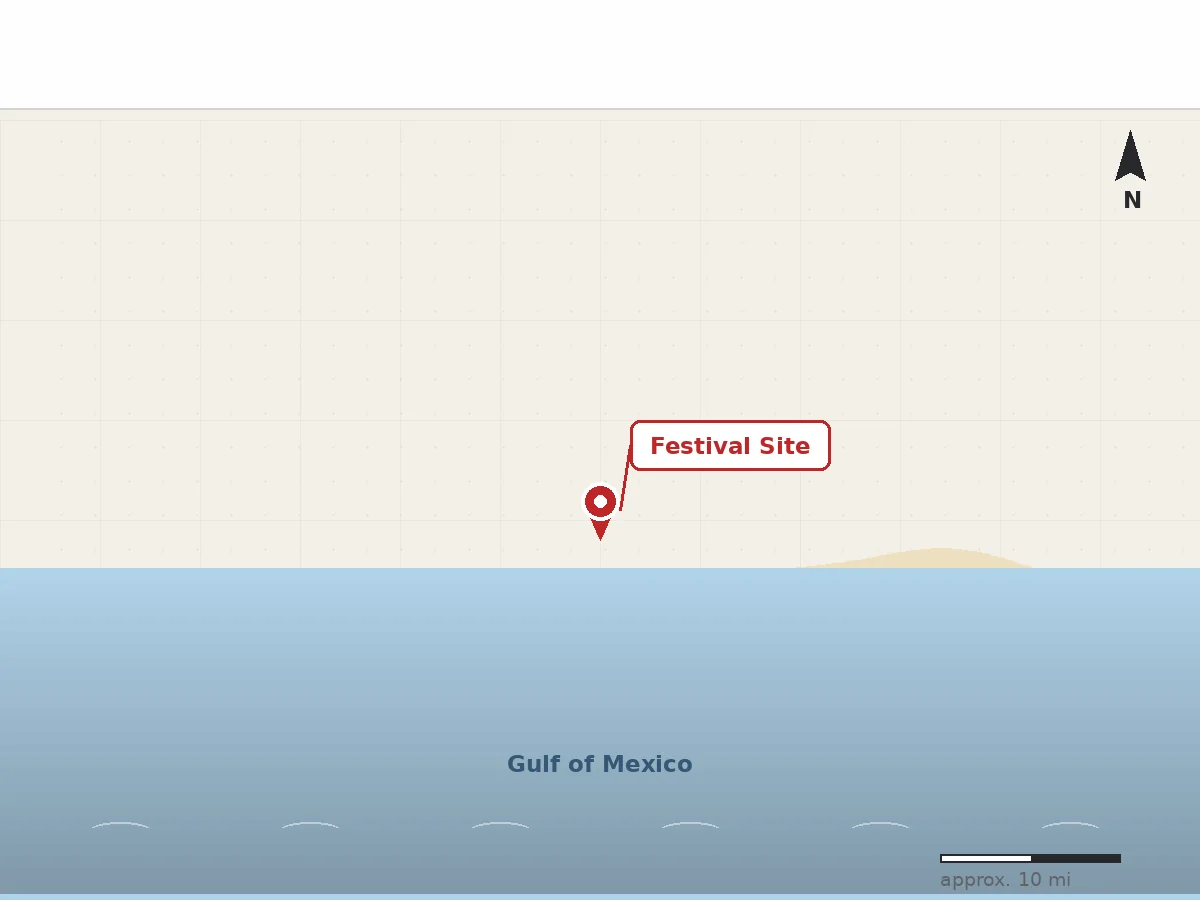
The Butler County Fairgrounds are in Allison, the county seat of Butler County in north-central Iowa, with the rest of the county’s towns a short drive away.
Butler County Fair Questions, Answered
When is the Butler County Fair held?
It is a summer event, typically running over several consecutive days in July. Exact dates shift from year to year, so check the current schedule before planning a trip. Mid-summer timing places it after most crops are in the ground and well before harvest.
How much does it cost to attend?
There is generally no admission charge to enter the grounds. You pay for what you use: ride tickets or wristbands, food, games, and occasionally a separate ticket for a grandstand event. Cash is useful for smaller vendors and youth club stands.
Is the fair a good fit for young children?
Yes. The grounds are flat and compact, the barns are the main attraction for many kids, and the midway is sized for a county fair rather than a large amusement park. Bring a stroller if you need one, and plan your visit around the hottest part of the day.
What happens if it rains?
Summer storms in Iowa are often brief. Some events pause and resume; others may be moved or cancelled depending on the night. Exhibit halls and barns offer cover, and the fair generally carries on around the weather.
The Next Chapter for the Butler County Fair
County fairs survive by adapting. The future of this one rests on the same things that sustain it now: volunteer labor, youth participation in 4-H and FFA, local business support, and a county willing to show up. Fair boards across Iowa are working to keep younger families involved, keep facilities in good repair, and keep the agricultural core visible even as entertainment options multiply.
What will not change is the fit between the fair and the place. A county founded in 1854, still farming 582 square miles, still small enough at 14,334 people that the fair can function as a reunion — that is a durable foundation.
Last updated: October 2026
If you are anywhere near Allison in mid-summer, the fairgrounds are worth a few hours. Come for the food and the grandstand if you like, but stay for the barns, where the county’s oldest tradition is still being practiced by its youngest residents.
One Comment