Hickman County Kentucky Hickman County Fair Festival
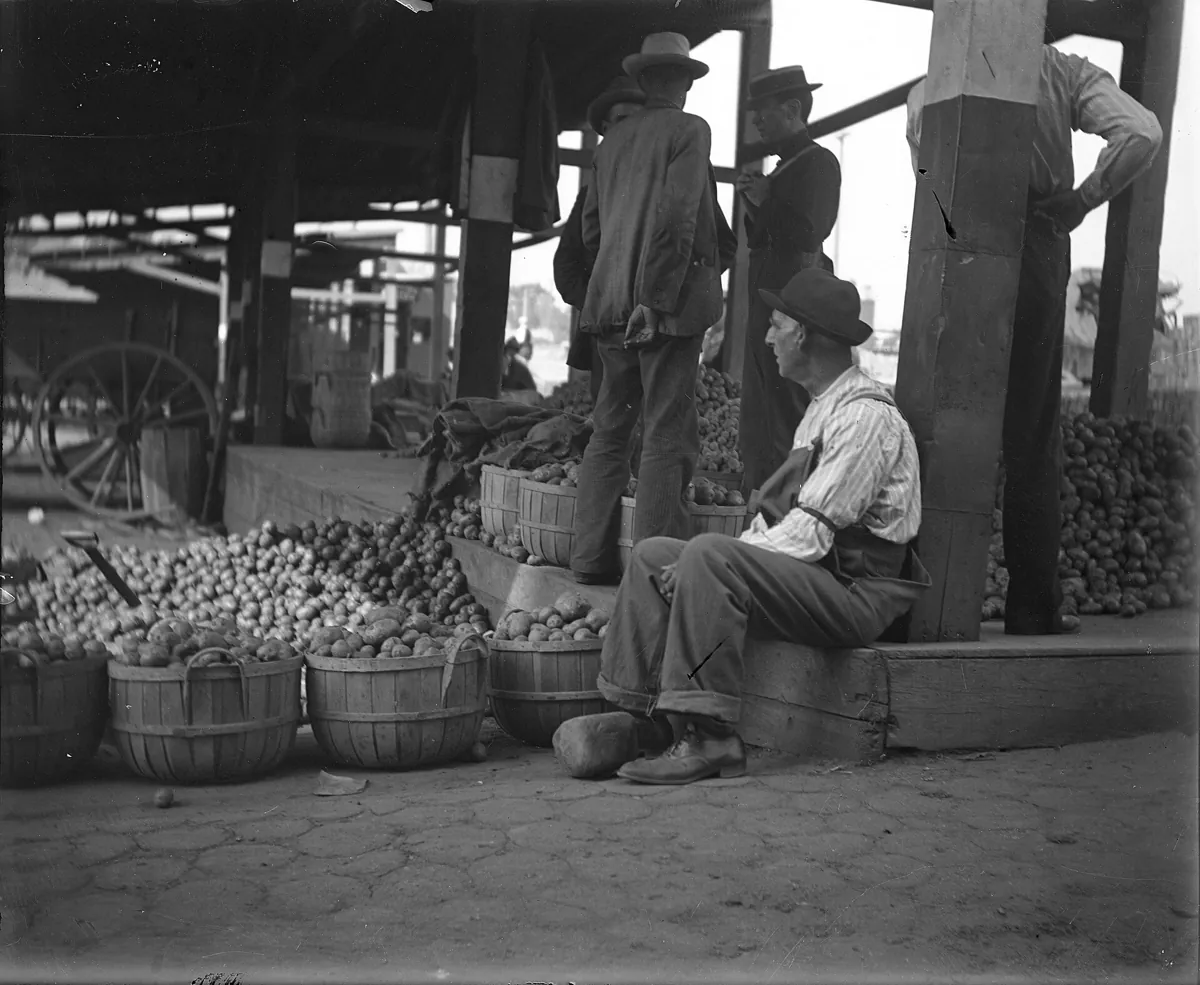
Clinton is the seat of Hickman County, Kentucky — a 253-square-mile block of far western farmland organized in 1821, where the 2020 census counted 4,521 residents. In a county that size, the fair is not a side attraction. It is the calendar.
The Hickman County Fair keeps the older definition of a county fair: livestock judged by hand, pies and quilts under glass, a midway, and a grandstand that fills as the evening cools. This guide covers what the fair is, how it fits the history of this river county, and how to plan a visit without wasting a day.
Clinton and Hickman County: The Fair at a Glance
| Town and county | Clinton, Hickman County, Kentucky |
| County seat | Clinton |
| County population | 4,521 (2020 census) |
| County land area | 253 square miles |
| County founded | 1821 |
| Region | Western Kentucky, near the Mississippi River |
| Typical timing | Summer, usually a multi-day run in July or August |
| Admission | Typically free entry; rides, food and some events cost extra |
| Setting | Rural fairgrounds with show rings, exhibit halls and a midway |
| Features and organizer | Livestock shows, home and garden exhibits, midway rides and grandstand entertainment, run by local fair volunteers and community groups |
Inside the Hickman County Fair
The Hickman County Fair is a multi-day community fair staged in the Clinton area, built around what this county actually produces: cattle, hogs, sheep, goats, poultry, grain, garden vegetables, canned goods, quilts and baked entries. Many exhibitors are the same families who have entered for three or four generations, and the premium list — the catalog of classes and prizes — reads like an inventory of rural Kentucky life.
A fair like this has two halves. Daytime belongs to judging: livestock in the barns and show ring, static exhibits in the exhibit hall, youth projects from local clubs and school groups. Evening belongs to the crowd: rides and games on the midway, concession trailers, and a grandstand program that in most years mixes motorized events with live music. Because the county is small, the fair is less a commercial production than a countywide reunion with a business plan.
Two Centuries of Farming and Fairgrounds in Hickman County
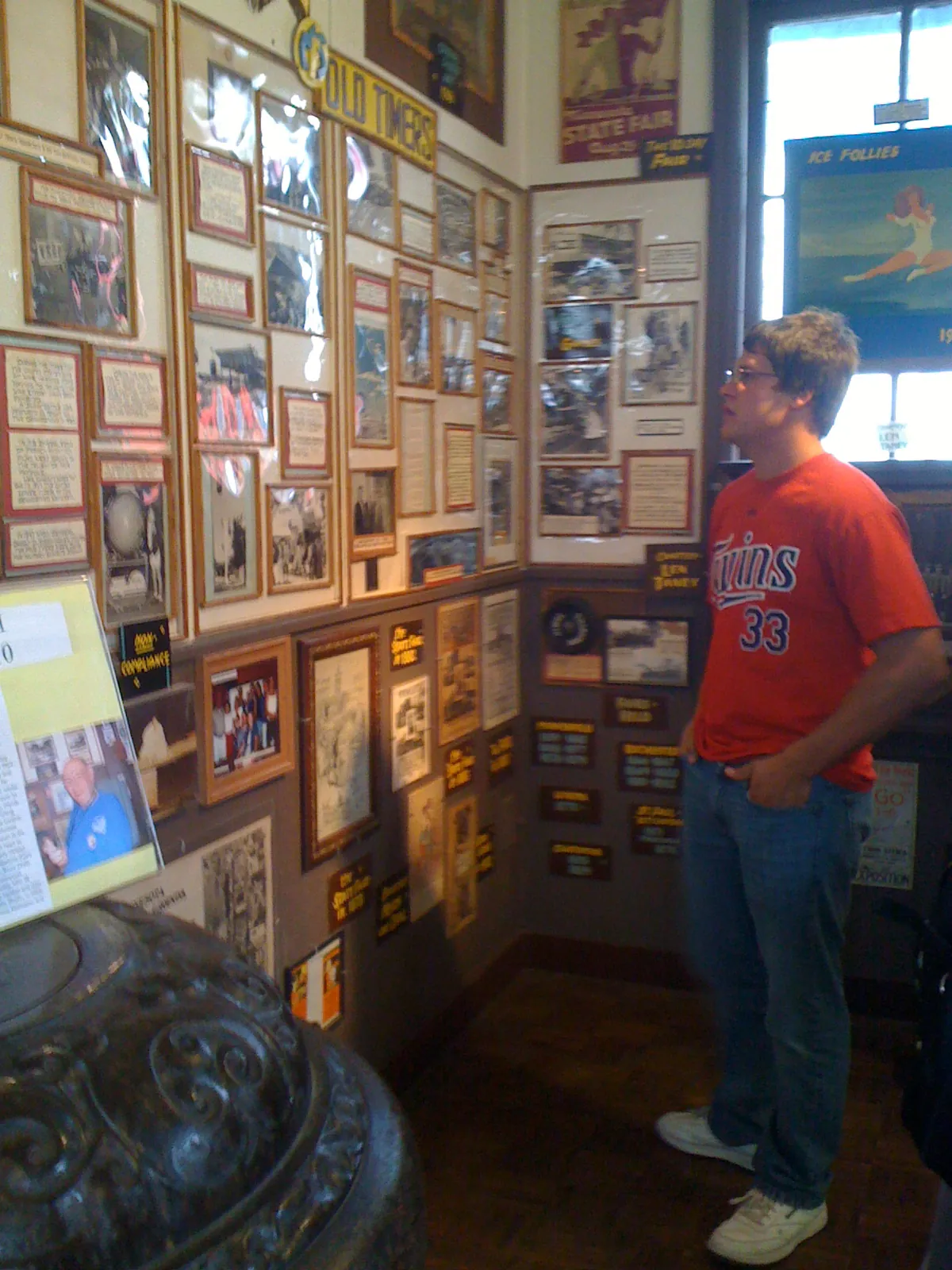
Hickman County was organized in 1821, in the far western strip of Kentucky known as the Jackson Purchase, where the land runs flat toward the Mississippi River. Clinton became the county seat, and the surrounding farmland — corn, small grain, livestock, and later soybeans — moved its output toward the river landings. Agriculture was never a hobby here. It was the economy.
County fairs grew out of that economy. Across Kentucky in the nineteenth century, agricultural societies staged exhibitions so farmers could compare seed, stock and technique, and so towns could mark the harvest. The Hickman County Fair belongs to that lineage. Judging livestock, preserving fruit, quilting and baking were practical ways of passing knowledge between neighbors, not quaint pastimes.
The decades since have tested every rural fair in the region — droughts, floods, hard times, and the steady consolidation of small farms. What has kept this one going is what keeps small counties going: volunteers who give up a week of work, families who enter the same categories their grandparents entered, and businesses that sponsor ribbons and classes. Its history is not one founding date. It is repetition — a tradition renewed every summer, in good years and hard ones.
What a Day at the Clinton Fairgrounds Looks Like
The grounds follow familiar county-fair geography: barns and a show ring, an exhibit hall, a midway, concession stands and a grandstand. Days are slower and more purposeful; evenings are louder and more crowded. Come in the morning for livestock, before dusk for the rides.
Fair Food, From Funnel Cake to Local Barbecue
Expect the standards — funnel cakes, corn dogs, cotton candy, hand-dipped ice cream — alongside the heartier menu this part of Kentucky favors: barbecue sandwiches, smoked sausage, fried catfish, and in many years burgoo, the slow-cooked western Kentucky stew that appears wherever a crowd gathers. Eat early or late; lines at the dinner hour run long.
Grandstand Nights and Live Music
Evening entertainment is the biggest draw. In most years the grandstand hosts motorized events — tractor pulls, truck pulls, demolition-style shows — plus live music from regional country, bluegrass and rock acts, and the fair royalty ceremony that opens the week. Seating is usually first-come, so claim a spot early and bring a cushion; aluminum benches are unforgiving.
Family Activities and Youth Exhibits
Families find midway rides, games and a full slate of youth competitions: 4-H and FFA livestock classes, baking and craft categories, school art displays. Small children do best in the early evening, before the crowd peaks. Strollers handle the gravel paths fine, but the barns are what kids remember — many exhibitors will let a curious child pet an animal between classes.
Planning Fair Week in Hickman County
Fair week is a short window, and a little planning goes a long way in a county with limited lodging and plenty of people driving in from surrounding counties.
Getting to Clinton from Paducah, Mayfield and Union City
Clinton sits in the middle of Hickman County, reached by the state highways that converge on the county seat. Most visitors come from within an hour: Mayfield and Murray to the southeast, Paducah to the northeast, Fulton to the south, and Union City, Tennessee, just over the state line. Allow extra time on big grandstand nights, when two-lane approaches slow down.
Where to Stay Near Hickman County
Lodging inside the county is limited, and that shapes how people attend — many families stay with relatives or drive in for the evening. Travelers who need a hotel will find the widest choice in Paducah, Murray, Mayfield or Union City, Tennessee, all within reasonable driving distance. Book early; late summer is busy across the region.
Parking at the Fairgrounds
Parking is typically on grass and gravel lots around the grounds, directed by local volunteers, and it fills from the front inward. Arrive an hour before a grandstand event for an easy exit, and follow the people waving flashlights — they know where the ground stays soft after rain.
Admission, Ride Wristbands and Cash
Admission to the grounds is typically free, with money changing hands inside: rides, games, food and some grandstand events are priced separately. Ride wristband promotions are common on certain nights, so check the schedule before buying individual tickets. Bring small bills even if vendors take cards.
Summer Weather and What to Wear
Fair week falls in the hot, humid heart of a western Kentucky summer, when afternoon heat climbs and evening storms arrive with little warning. Dress for sweat: light clothing, sturdy shoes for gravel and grass, a hat, sunscreen and a refillable water bottle. Keep a poncho in the car and check the forecast before committing to a grandstand night.
A Sample Fair Weekend in Clinton and Around the County
Friday afternoon. Arrive early enough to walk the exhibit hall before the crowds — canned goods, quilts, garden entries — then head to the barns while animals are still being washed and clipped. Grab an early supper before the midway lights come on.
Friday evening. Ride the midway, then settle in at the grandstand for the night’s main event. Stay to the end; the parking lot clears in minutes.
Saturday morning. Return for the livestock shows. Market classes and youth showmanship are the fair at its most serious and most entertaining, and younger exhibitors draw the biggest crowds.
Saturday evening. The busiest night of the week. Claim grandstand seats early, ride the midway while lines are short, and stay for the music.
Sunday. A quieter, family-oriented day in most years, with the final rounds of judging. It is the best time to talk with exhibitors about what they do.
How the Hickman County Fair Compares with Nearby County Fairs
Fairs across the Jackson Purchase share a family resemblance. The Fulton County Fair, in Fulton to the south, is another small-county fair built on livestock and a midway, with the added pull of a border-town location near the Tennessee line. The Carlisle County Fair in Bardwell, to the east, is smaller still and leans heavily on youth exhibits and agricultural judging. The Graves County Fair in Mayfield is the largest of the group and offers the widest grandstand schedule.
What sets Hickman County apart is scale and setting. With 4,521 residents spread across 253 square miles, the fair feels less like an attraction and more like a family gathering with a midway attached. The county’s position along the Mississippi gives it a river-country identity distinct from the bluegrass. Visitors who enjoy one of these fairs will enjoy the others — but this is the one where you are most likely to be greeted by name.
Fair Week Checklist for Hickman County Visitors
Confirm the current year’s dates and nightly schedule through local sources, since fair calendars shift. Check whether a ride wristband night falls during your visit. Fill the tank before you reach Clinton. Bring cash in small bills, a refillable water bottle, sunscreen, a hat and a light rain jacket. Wear closed-toe shoes you do not mind getting dusty, and pack a stadium cushion for grandstand events. If you plan to photograph livestock classes, arrive early and ask before entering barn aisles. Leave room in the car — bake sales and vendor tents have a way of sending people home with more than they came with.
Beyond the Fairgrounds: River Country Around Hickman County
The fair is a reason to come to Hickman County, but not the only one. The county’s western edge runs along the Mississippi River, and the river towns and bottomlands have a character of their own. Columbus-Belmont State Park, north of Clinton on the river bluffs, preserves a Civil War earthwork site and offers some of the best river views in the region — a natural pairing with a fair visit. The town of Hickman, the county’s river port, has a quiet downtown and a levee locals use as a walking path. Between them, the backroads show the farmland the fair exists to celebrate.
What the Fair Means to a County of 4,521
In a county with 4,521 residents and 253 square miles of farmland, institutions that bring people together are not luxuries. The fair is one of the few events that gathers the whole county in one place — farmers and retirees, schoolchildren and grandparents, families here for generations and newcomers who moved in for a job. It is also an economic ritual: where livestock changes hands, where small businesses advertise, where local clubs raise money, and where young people learn to present their work to strangers.
Just as importantly, the fair is a handoff. Every year, exhibitors who learned to show a calf or bake a pie from a parent pass the skill to a child. Judges explain their decisions. Volunteers teach newcomers how entries work. That transfer of knowledge, more than any single attraction, is what keeps a rural county fair alive.
Finding the Fairgrounds Near Clinton, Kentucky
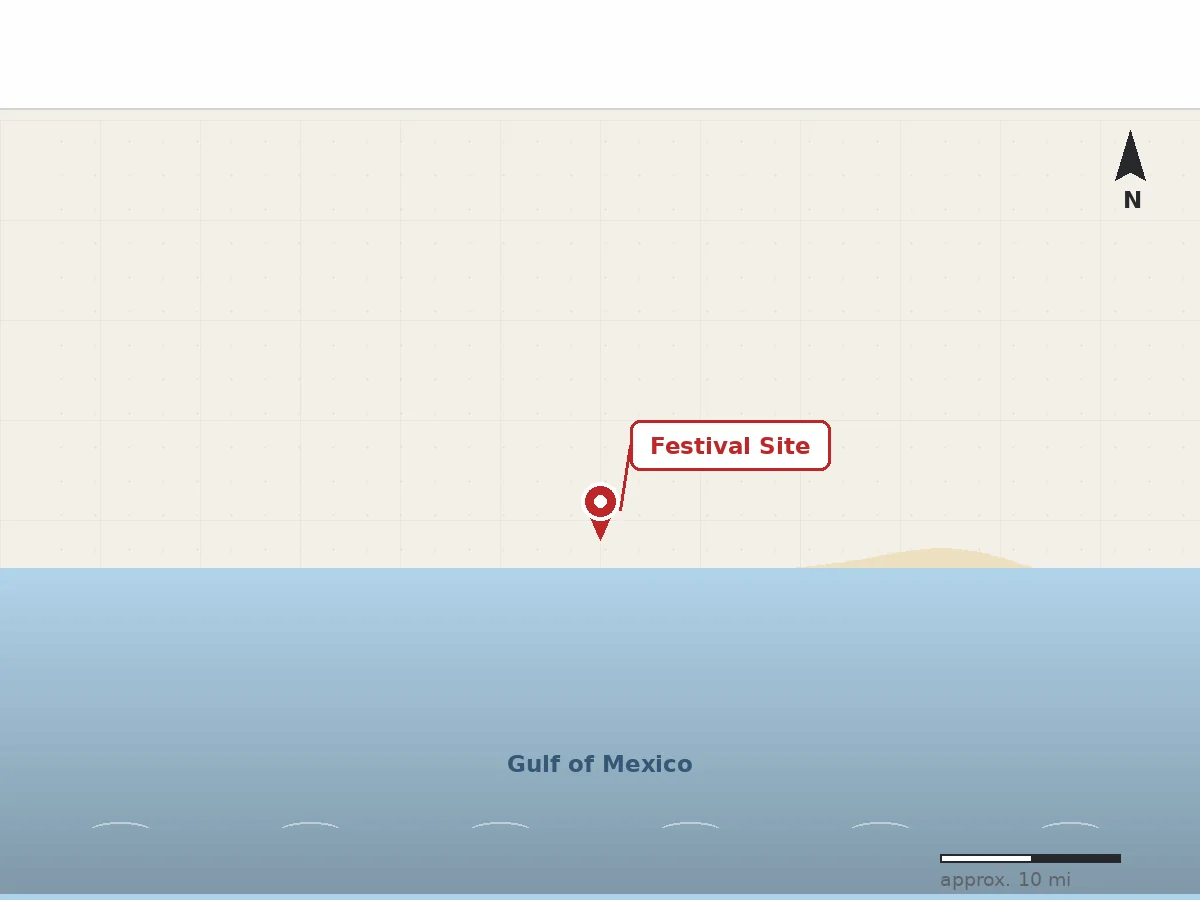
The Hickman County Fair takes place in the Clinton area of Hickman County, Kentucky, in the far western part of the state near the Mississippi River.
Practical Answers for First-Time Fairgoers
Is the Hickman County Fair free to attend?
Admission to the grounds is typically free, which makes it an easy outing for families on a budget. You pay for what you use: rides, games, food and drinks, and admission to some grandstand events. Ride wristband promotions are common on certain nights, so check the schedule in advance to decide what suits your group.
When is the fair usually held?
The fair is a summer event, typically running for several days in July or August, and the exact week shifts from year to year. Because the calendar changes, confirm current dates through local announcements before planning travel. Evenings are busiest, particularly on the night of the grandstand’s biggest event.
What should I bring to the fairgrounds?
Comfortable shoes, a hat, sunscreen and a refillable water bottle are essentials for a western Kentucky summer. Add cash in small bills, a light rain jacket for afternoon storms, and a stadium cushion or blanket if you plan to watch a grandstand show. Visiting with small children? A stroller handles the gravel paths well, and a change of clothes is worth packing for anyone spending time in the barns.
Is the fair suitable for young children?
Yes. Midway rides, youth exhibits and the livestock barns are all family-friendly, and many of the exhibitors showing animals are children themselves. The calmest hours are late afternoon and early evening, before the crowd peaks. If your child is sensitive to noise, plan around the grandstand events, which are the loudest part of the night.
The Next Chapter for the Hickman County Fair
County fairs survive by adapting. Across the region, fairs are adding evening entertainment, tightening schedules and leaning harder on volunteers and sponsors as the number of farms shrinks. The Hickman County Fair faces the same pressures as every small fair in Kentucky: an aging volunteer base, rising insurance and carnival costs, and a public with more ways to spend a summer weekend.
What it has going for it is what it has always had — a county small enough that everyone knows what the fair means. As long as families keep entering livestock, pies and quilts, and as long as the midway lights come on for a few nights each summer, the tradition holds. Visitors who make the trip to Clinton are not just attending an event. They are helping keep a two-century-old rural custom in working order.
Last updated: October 2026
If you go, move at the rhythm of the place rather than a checklist. Walk the barns in the morning, eat something fried in the afternoon, and find a seat at the grandstand before the lights come up. The Hickman County Fair is not trying to be anything other than what it is — a county fair in a small Kentucky county that has been doing this a long time, and intends to keep doing it.