Bingham County Idaho Eastern Idaho State Fair Festival
The Eastern Idaho State Fair fills the Bingham County area around Blackfoot each late summer, drawing fairgoers from across the Snake River Plain for livestock shows, exhibit halls, midway rides, food row, and grandstand nights. It is a big event in a small county seat, and it rewards a little preparation.
This is a planning guide rather than a preview. It covers how the grounds work, how the days are paced, how to reach Blackfoot, where to sleep, what to budget, and how to build a weekend that does not dissolve into traffic and ticket lines.
Planning the Eastern Idaho State Fair: A Bingham County Logistics Guide
The essentials before you start mapping the trip.
| Town / place | Bingham County area, anchored by Blackfoot |
| County | Bingham County, Idaho |
| County seat | Blackfoot |
| Population | 47,992 (2020 census) |
| Region | Eastern Idaho, Snake River Plain |
| Typical timing | Late summer, generally before the school year begins |
| Admission | Gate admission in most years; confirm current-season pricing |
| Setting | Fairgrounds in the Blackfoot area with indoor exhibit halls, outdoor show space, and a midway |
| Signature features | Livestock shows, competitive exhibits, carnival rides, food vendors, grandstand entertainment |
| Organizer | A local fair board and county fair association; confirm contacts through official fair channels |
The Eastern Idaho State Fair, Explained for First-Timers
The Eastern Idaho State Fair is the region’s big late-summer gathering, held in the Bingham County area anchored by Blackfoot. Bingham County was established on January 13, 1885, and today stretches across 2,120 square miles of eastern Idaho — a land area larger than some states, which explains why so many fairgoers drive an hour or more to reach it.
Blackfoot serves as the county seat, and with a county population of 47,992 at the 2020 census, the fair’s draw reaches far beyond the town itself. That shapes everything about planning a visit: the crowd is regional, the parking lots fill in waves, and lodging in the immediate area is limited relative to demand on the busiest nights.
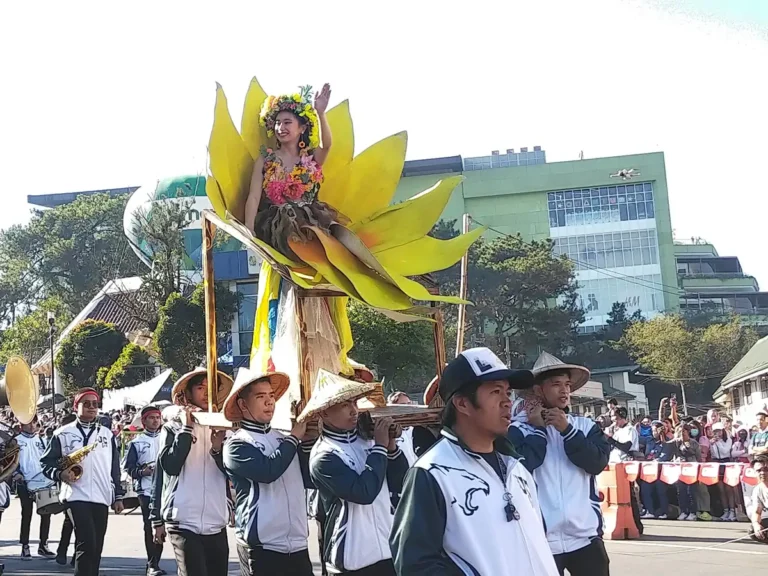
Culturally, the fair sits between two traditions. It carries the scale of a state fair — grandstand entertainment, a full midway, commercial vendor halls — while keeping the agricultural core of a county fair: youth livestock projects, open class exhibits, baking and canning entries, and judging that local families plan their summer around.
How Bingham County’s Fairgrounds Became a Regional Draw
Bingham County’s agricultural identity predates almost everything else in the area. When the county was organized in January 1885, the surrounding plain was already being reshaped by irrigation, rail access, and farm families who staked their futures on potatoes, grain, sugar beets, and livestock.
Fairs in communities like this began as practical institutions rather than pure entertainment. Growers needed a place to compare seed, breeding stock, and equipment. Merchants needed a venue to reach a scattered rural population. Neighbors needed a date on the calendar to see one another. The Eastern Idaho State Fair grew out of that logic and never fully left it behind.
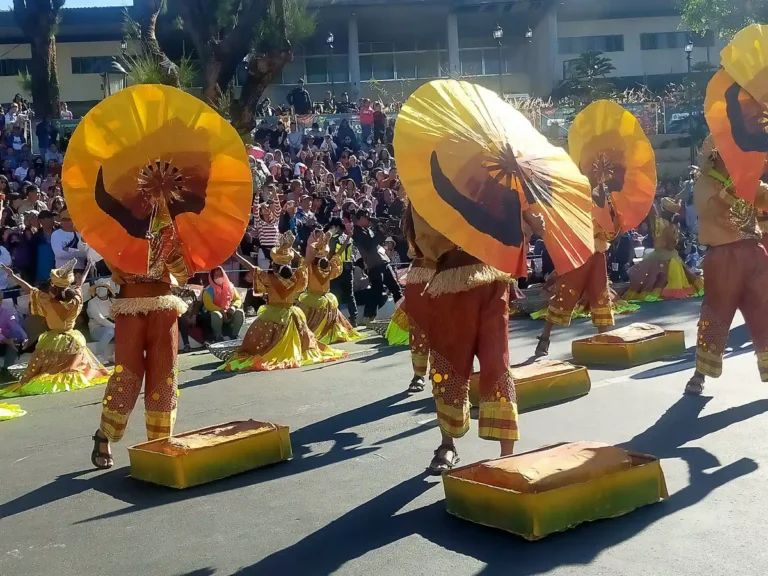
Over the decades the fair’s footprint expanded in step with the county’s. Exhibit buildings replaced tents. Grandstands replaced improvised seating. A midway arrived, then food concessions, then the modern lineup of concerts and evening programming that pulls in audiences who have never set foot in a barn.
The throughline is continuity. A county that has kept its seat at Blackfoot for well over a century still gathers in the same season for roughly the same reasons: to show what was grown, built, or raised that year, and to mark the end of summer together.
On the Ground at the Eastern Idaho State Fair: What Fills the Days
The fairgrounds operate as a small temporary city: indoor exhibit halls, open-air show areas, a carnival midway, a dense row of food vendors, and a grandstand. The site is compact enough to walk but large enough to wear you out, so most experienced fairgoers pick two or three anchors for the day and let everything else happen around them.
Fair Food and the Blackfoot Appetite
Food is the fair’s most democratic attraction. Expect the familiar architecture of a modern fair: grilled items, fried everything, ice cream, cinnamon-and-sugar pastries, lemonade by the gallon, and local civic and church groups running stands of their own.
Practical note: peak lunch and dinner windows run roughly midday to early afternoon and again from late afternoon into early evening, and lines at the most popular stands can double in that time. Eating slightly early or late is the single easiest way to cut waiting. Most vendors now take cards, but a little cash still moves faster at independent booths.
Music, Grandstand Acts, and Evening Programming
Evenings are the fair’s headline hours. Grandstand programming typically includes ticketed concerts and other large-format shows, while smaller stages and roaming performers fill the gaps during the day. If a specific act is the reason for your trip, buy that ticket well ahead — grandstand capacity is finite and the biggest nights sell out. If you are going for the fair itself, plan to be on the grounds after dark at least once; the midway lights are half the experience.
Family Activities and the Livestock Barns
Families tend to orbit three zones: the barns, the exhibit halls, and the carnival. Barns are best in the morning, when animals are being fed, washed, and shown and the aisles are still clear. Exhibit halls make a good midday refuge — cooler, quieter, and full of the quilts, photographs, produce, and baked goods that form the competitive heart of the fair. The midway works best in late afternoon, before dark, when ride lines are shortest.
Getting to Blackfoot: Roads, Parking, and Where to Sleep
Blackfoot sits on the Interstate 15 corridor in eastern Idaho, which makes the fair easy to reach by car and difficult to reach without one. Plan around that reality.
Driving In and Parking Around the Grounds
Most fairgoers arrive from Idaho Falls to the north or Pocatello to the south, with a steady stream from smaller communities across Bingham County and neighboring counties. Traffic builds through the late afternoon on weekdays and much earlier on weekends.
Arrive before mid-morning or after the dinner rush for the shortest entry lines. On-site and adjacent parking fills first, then overflow lots, then nearby commercial lots. Note where you parked — rows of vehicles look identical at night. If your hotel is within walking distance, walk; it is almost always faster.
Where to Stay Near Bingham County
Lodging close to the fairgrounds is limited, and the nearest rooms go first during fair week. Book early — often months early — if you want to stay in Blackfoot itself.
The practical alternatives are Idaho Falls and Pocatello, both a reasonable drive from the grounds with a wider range of hotels. Campers and RV travelers often base themselves at regional campgrounds and drive in daily; if that is your plan, reserve a site before committing to a fair weekend.
Gate Costs and Daily Budgeting
Budget in layers. Gate admission applies in most years, with separate pricing for grandstand shows and for carnival rides, which are usually sold as wristbands or individual tickets. Parking may or may not carry a fee depending on the lot and the year.
Rather than guess, check the fair’s official channels for the current season before you travel, then set a per-person budget that covers admission, rides, food, and a cushion. A fair day with kids is rarely cheap, but it is far less painful when the numbers are decided in advance.
Eastern Idaho Weather and What to Pack
Late summer on the Snake River Plain means hot, dry afternoons and cool evenings. Daytime heat can climb well past what most visitors find comfortable, and there is little shade in the midway or along the parking rows.
Pack accordingly: hats, sunscreen, refillable water bottles, and a light layer for after sunset. Closed-toe shoes beat sandals if you plan to spend time in the barns. Dust is a genuine feature of the grounds, so leave the good shoes at the hotel.
A Sample Fair Weekend in Blackfoot
Friday afternoon. Arrive in Blackfoot, check in, and head to the grounds late in the day rather than at opening. Use the first evening to walk the midway, eat, and get oriented, then watch the crowd patterns so you know where to go on Saturday.
Saturday morning. Be at the gates when they open. Go straight to the livestock barns and exhibit halls while they are quiet and the day is still cool. This is also the best window for photos and for talking with exhibitors.
Saturday afternoon. Retreat from the heat. Eat lunch early, catch a daytime act or demonstration, and let younger kids rest. Return for rides in the late afternoon.
Saturday evening. Grandstand night. If you have tickets, arrive well before the start time. If you do not, the midway and food row are at their best after dark.
Sunday morning. A slower pass through what you missed — commercial vendors, smaller exhibit categories, the booths you walked past. Leave by early afternoon to avoid the exit crunch.
How the Blackfoot Fair Stacks Up Against Nearby Idaho Towns and Events
The Eastern Idaho State Fair anchors the region’s late-summer calendar, but it is not the only option. Idaho Falls, up the interstate to the north, has a larger year-round population and a fuller slate of summer events spread across the season, so its offerings feel more distributed and less concentrated into a single stretch.
Pocatello, to the south, plays a similar role for the lower part of the region, with its own summer programming and easy access from communities along the I-15 corridor. Rexburg and the upper valley towns lean toward smaller, community-scale events that feel more local.
The trade-off is straightforward. Blackfoot’s fair concentrates the largest single dose of entertainment, agriculture, and food in the region — along with the crowds, the parking pressure, and the lodging demand. If you want scale, this is the one. If you want a quieter day, the surrounding towns deliver that.
Fair-Week Prep: What to Load in the Car Before Blackfoot
Water bottles and a cooler with refills; sunscreen, hats, and sunglasses; a light jacket for the evening; comfortable closed-toe shoes; a phone battery pack, since signal and charging are both unreliable in a crowd; a screenshot of your tickets and the day’s schedule; and a small amount of cash for vendors who prefer it.
For families: a stroller that folds flat, a change of clothes for young kids, hand sanitizer, and a meeting point agreed on before you enter the grounds in case anyone gets separated. Write your phone number on a card for younger children.
For photographers and exhibitors: extra memory cards, a lens cloth for dust, and a plan to shoot the barns in the morning when the light is soft and the aisles are clear.
Beyond the Fairgrounds: Blackfoot and the Snake River Plain
Bingham County covers 2,120 square miles of eastern Idaho, and the fair is only one reason to spend time here. Blackfoot, the county seat, is a compact agricultural town whose downtown is worth an hour of wandering between fair sessions.
The surrounding Snake River Plain is farm country on a grand scale — long fields, irrigation canals, wide horizons — with public land and mountain country beginning not far to the north and east. Visitors who build in an extra day often use it for back roads, fishing, or simply getting out of the midway crush.
How the Fair Anchors Bingham County’s Late-Summer Calendar
For a county of 47,992 people spread across more than two thousand square miles, a fair is not just an event. It is the one time of year when the whole county — plus a good share of eastern Idaho — occupies the same few acres.
The fair supports youth agricultural programs, gives local businesses a storefront they do not have the rest of the year, and provides the kind of shared experience a dispersed rural population otherwise rarely gets. Volunteers, exhibitors, and vendors return season after season, which is why the fair has outlasted nearly every other institution founded in the same era.
Plotting the Fairgrounds on a Blackfoot Map
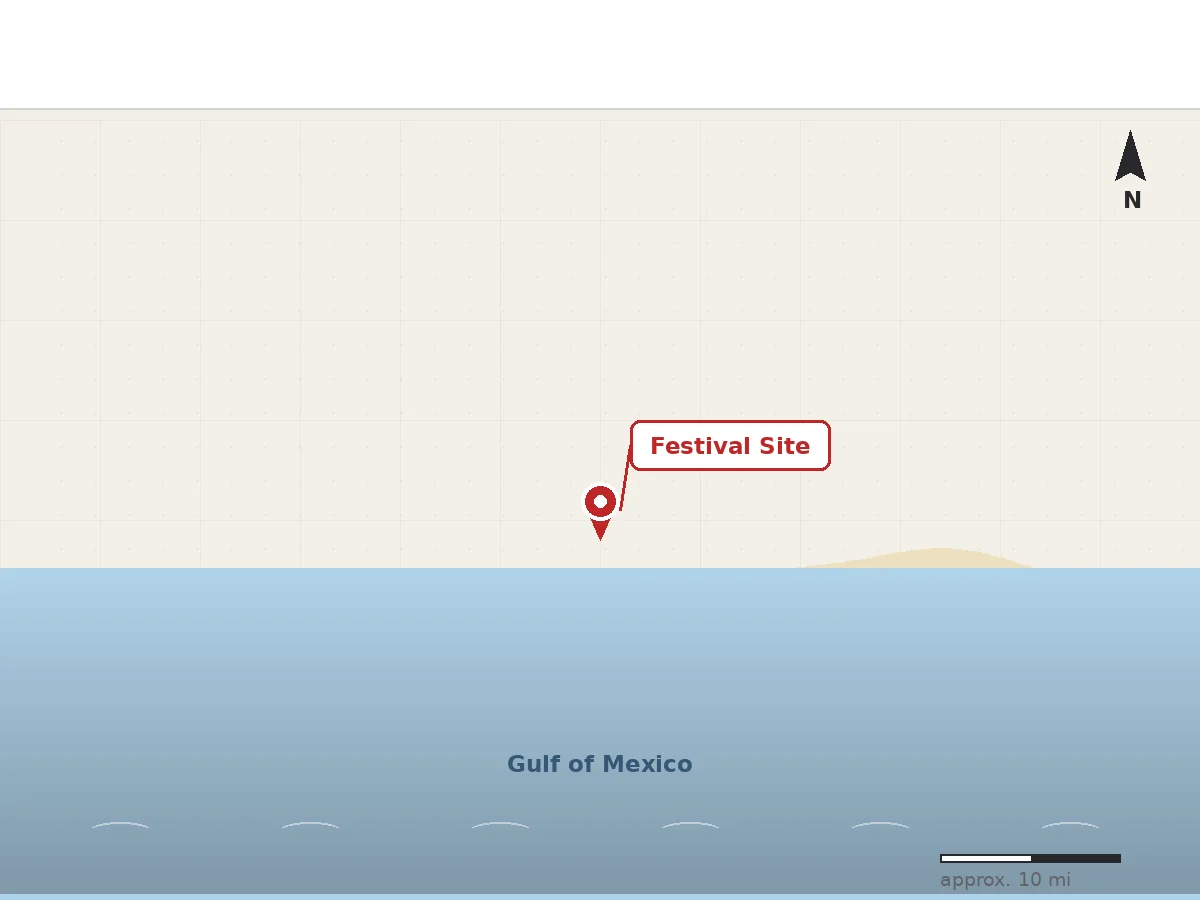
The fairgrounds sit in the Blackfoot area of Bingham County, Idaho, positioned to serve fairgoers arriving from across the Snake River Plain via the Interstate 15 corridor.
Eastern Idaho State Fair: Practical Answers Before You Go
When does the Eastern Idaho State Fair usually take place?
The fair is held each year in late summer, generally in the weeks before the school year begins, and it runs across multiple consecutive days. Because the exact dates shift annually, confirm the current season’s schedule through the fair’s official channels before booking travel or lodging.
Do I need to buy grandstand tickets in advance?
For headline concerts and other ticketed grandstand programming, yes — buy as early as you can. Grandstand capacity is fixed, popular nights sell out, and walk-up availability is never guaranteed. General fair admission and grandstand tickets are usually separate purchases.
How many days do I need to see the fair?
One long day covers the highlights. Two days let you slow down, see the livestock and exhibit halls properly, and still catch an evening show. Three days is comfortable if you are traveling with children or plan to attend more than one grandstand event.
Is the fair manageable for visitors with mobility limitations?
The grounds are largely flat and walkable, but distances add up over a full day. Plan for shade breaks, arrive early to secure closer parking, and check with the fair in advance about accessible seating and any mobility services offered during the current season.
What the Next Few Seasons Could Look Like in Bingham County
The Eastern Idaho State Fair’s future looks a lot like its past: continued growth in entertainment programming, continued reliance on the agricultural core, and continued pressure on the region’s limited lodging and parking.
For visitors, the practical implication is simple. Book earlier each year, buy grandstand tickets sooner, and treat the fair as a trip to plan rather than an outing to improvise. The county’s population and its regional draw are not shrinking, and neither is demand for the fair’s biggest nights.
For Bingham County itself, the fair remains a rare thing: an institution that has stayed relevant across more than a century of change in how the region farms, travels, and spends its leisure time.
Last updated: October 2026
The Eastern Idaho State Fair is best approached the way locals approach it — with a plan for parking, a rough idea of which night matters most, and enough slack in the schedule to sit down with something fried and watch the midway lights come on over Blackfoot. Get the logistics right, and the rest of the fair takes care of itself.