Allen County Kansas Biblesta Festival
On an October Saturday in Humboldt, Kansas, the downtown square becomes the route for a parade that tells one very long story. Floats dressed around Bible themes move in the order the scriptures themselves take, Genesis at the front and Revelation at the back, with marching bands and equestrian units folded into the line. Around that centrepiece come gospel singing, pony and train rides, a petting zoo and a free ham and bean meal served late in the afternoon. The event travels under a single short name, Biblesta, and that lone word is the form printed by the event’s own site history, carried by a public-radio layer, by a state travel-guide layer and by regional radio news layers alike. The longer pairing carried in the title of this page turns up only inside an AI-generated city-guide layer, and the county and state words in that title are sheet wording, not pieces of any published name.
About Biblesta
Biblesta is Humboldt’s Bible-themed October gathering, built around the city square and documented across several separate layers rather than through one organiser’s page. A state travel-guide layer supplies the roundest description of the day itself, from the float parade down to the petting zoo, while a public-radio layer carries the event’s own site history together with a report on the twenty nineteen parade. Regional radio news layers fill in the newest editions, among them a county-commission funding report in twenty twenty-five and a preview of the twenty twenty-six running. One gap runs through every credible layer read: none of them prints the name of a present-day organiser, so this account credits the modern event to no committee, society or office.
Humboldt is the host town on every layer that names a place, and its square is the stage. Humboldt is not, though, the seat of Allen County. A reference layer names Iola as the county seat, and this article keeps that distinction visible, because the county wording in the sheet title could easily mislead a reader into picturing the celebration in a courthouse town.
Quick Facts
| Item | Detail |
| Published name | Biblesta, the only form printed by the credible layers; the county and state words and the closing word in the title above are sheet wording, and the pairing Biblesta Festival appears only in an AI-generated city-guide layer |
| Host town | Humboldt, in Allen County, Kansas |
| County seat | Iola, named by a reference layer; Humboldt is not the seat |
| Venue | The Humboldt city square, also described as the downtown square |
| Documented pattern | The first Saturday in October, as a state travel-guide layer states the rhythm |
| Earliest documented parade | Nineteen fifty-eight, on the event’s own site history |
| Recent documented editions | October fifth, twenty nineteen; October twenty twenty-five, billed as the sixty-seventh; Saturday, October third, twenty twenty-six |
| Admission | No layer read states a gate or admission charge; the free ham and bean meal is a programme element only |
| Organiser | No current organiser name is printed in the credible layers; the Humboldt Chamber of Commerce and Dr. Arthur Carlson belong to the earliest history only |
| Signature element | A parade of Bible-themed floats moving in scriptural order from Genesis to Revelation, with marching bands and equestrian units |
History
Biblesta’s beginning is told two ways, and the two tellings do not line up, so this history sets them side by side and leaves the disagreement exactly where the layers leave it. A state travel-guide layer states that the event has been held on the first Saturday in October every year except twenty twenty, running back to nineteen fifty-seven. On that account, the celebration was already underway in the late nineteen fifties, paused only for the disrupted year of twenty twenty, and settled early into the October rhythm it still follows.
The event’s own site history, carried by a public-radio layer, tells a slower story. There, the idea came to Dr. Arthur Carlson in nineteen fifty-seven, a full year before anything reached the square. The Humboldt Chamber of Commerce accepted the idea in the late summer of nineteen fifty-eight, the first parade followed from that acceptance, and Dr. Carlson chaired the first Biblesta committee. In this telling, nineteen fifty-seven is the year of the idea rather than of the first parade, and the chamber’s role belongs to founding history, not to the event’s present running.
For a useful comparison, see the Wright County Iowa Fall Festival for another county festival.
The name itself arrived last of all. The event’s own history records that the word Biblesta was coined by Mrs. Earl McIntire in a contest held in nineteen fifty-nine, which means the earliest parades may have rolled before the celebration carried the name it is now known by.
Two later billings belong to their layers alone. A photo layer within the state travel-guide material marks the fiftieth anniversary as falling in two thousand seven, and a regional radio news layer billed the October twenty twenty-five edition as the sixty-seventh Biblesta while reporting county-commission funding for it. Both numbers are printed here as their layers print them. Neither is used to settle the nineteen fifty-seven against nineteen fifty-eight question, and no anniversary arithmetic is allowed to pick a winner.
The county frame is simpler: Allen County’s seat is Iola, on the reference layer’s statement, and Humboldt appears in these layers only as the host town.
What to Expect
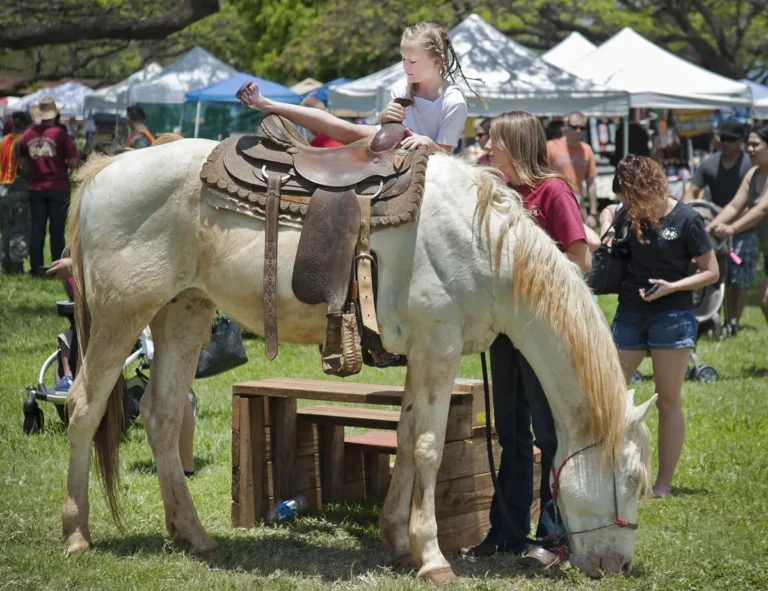
The parade is the heart of the day on every layer that describes Biblesta in any detail. A state travel-guide layer and a public-radio layer both describe floats built around Bible themes and arranged in scriptural order, so the procession reads from Genesis through to Revelation as it circles the downtown square. Marching bands and equestrian units travel within the same procession, giving the line a mixture of music, horses and rolling tableaux rather than floats alone.
The travel-guide layer rounds out the grounds around the parade. Gospel music is part of its picture of the day, alongside pony rides and train rides for children and a petting zoo. That same layer describes a free ham and bean meal served at five in the afternoon, a piece of the programme in its own right, offered as food rather than as any kind of statement about entry to the square.
The newest documented edition adds a morning opener. A regional radio news layer previewing Saturday, October third, twenty twenty-six, reported that the Run For the Son 5K would open the day at eight in the morning, with registration from seven thirty, and that music, activities and the Bible-themed parade around the downtown square would follow.
Planning Your Visit
Early October is the anchor, and the travel-guide layer gives the rhythm a precise shape: the first Saturday of the month, a pattern it traces back across the event’s whole run with twenty twenty as the single exception. The dated editions in the record sit comfortably inside that frame. A public-radio layer covered the parade of October fifth, twenty nineteen. Regional radio news layers reported the October twenty twenty-five edition, billed there as the sixty-seventh, and then previewed Saturday, October third, twenty twenty-six, the most recent dated running in the record.
Everything happens in and around Humboldt’s downtown square, the venue named by the travel-guide layer and confirmed for the newest edition by the radio preview, which places the parade around that square. The day is therefore compact: the race start, the activities and the procession all belong to the same few blocks, and the travel-guide layer’s ham and bean meal closes the afternoon at five.
On cost, the honest position is a quiet one: a gate charge is something none of the layers read ever mentions for Biblesta, and the free meal should not be stretched into evidence about entry, because the travel-guide layer presents it strictly as part of the programme.
A Sample Day at Biblesta
A morning built on the twenty twenty-six radio preview begins early, with registration for the Run For the Son 5K from seven thirty and the race itself opening the day at eight. Runners and spectators alike start at the square while the town is still warming up, and the rest of the programme builds from there.
By mid-morning the activities the radio layer promised are under way around the downtown square, with music in the air and families drifting toward the children’s elements the travel-guide layer describes, the pony and train rides and the petting zoo. The gospel music suits a slow circuit of the square before the main event gathers.
The parade is the appointment nobody builds anything against. When the floats begin to move in scriptural order, Genesis first and Revelation last, with bands and equestrian units in the line, the square becomes a grandstand on all four sides. Afterward, the day exhales toward the travel-guide layer’s closing fixture, the free ham and bean meal at five, which reads like a deliberate full stop: food, neighbours and a finished story.
Biblesta and Humboldt’s Other Festival
Humboldt hosts another named celebration, the Middle of Everywhere Music Festival, and the two events share nothing but the town. The layers read for Biblesta never merge them, never borrow programme from one for the other, and never suggest a common organisation. Biblesta is the Bible-themed parade gathering on the downtown square with its scriptural-order floats and its October Saturday; the Middle of Everywhere Music Festival is a separate Humboldt event in its own right, and it is kept entirely apart here, exactly as the record keeps it.
A Short Checklist
- Aim for the first Saturday in October, the rhythm the travel-guide layer states
- Arrive before eight in the morning if the opening race matters to you, since the twenty twenty-six preview set registration from seven thirty
- Give the parade a full circuit of the square so the Genesis-to-Revelation order reads as intended
- Keep children pointed toward the pony rides, train rides and petting zoo the travel-guide layer describes
- Save appetite for the free ham and bean meal served at five in the afternoon
- Remember that no layer read names a gate charge, so do not go hunting for a ticket desk the record never mentions
Beyond the Square
The documented Humboldt material in these layers is deliberately narrow, and this section stays inside it. Beyond the parade route there is the downtown square itself, the everyday centre of the town. The county frame adds one more name: Iola, the county seat on the reference layer’s statement, is the Allen County town where the courthouse business sits, while Humboldt keeps the October parade. Humboldt’s calendar also holds the Middle of Everywhere Music Festival, a different event on a different footing, which a visitor researching the town will meet and should not confuse with Biblesta.
Why Biblesta Matters
On either founding account, Biblesta is a Bible-themed parade tradition carried on a small-town square since the late nineteen fifties, and that endurance is its first claim on attention. The form is the second. A procession ordered from Genesis to Revelation turns a familiar parade into a telling of an entire book, float by float. The naming contest of nineteen fifty-nine, preserved in the event’s own history, gives the celebration a homemade origin for its homemade name, and the county-commission funding reported by regional radio in twenty twenty-five shows the gathering still woven into the county’s civic life. A festival that a whole county helps pay for, nearly seven decades after a doctor’s idea and a chamber vote, has clearly become part of how Humboldt understands itself.
Frequently Asked Questions
How did Biblesta get its unusual name?
The event’s own site history, carried by a public-radio layer, records that the name Biblesta was coined by Mrs. Earl McIntire in a contest held in nineteen fifty-nine. On that account the word arrived after the first parade, chosen through a public competition rather than handed down by any organiser.
Why do the floats pass in such a strict order?
A state travel-guide layer and a public-radio layer both describe the floats as Bible-themed and arranged in scriptural order, moving from Genesis to Revelation. The order is the point of the procession: the parade tells the whole biblical story in sequence as it circles the downtown square.
Do the surviving accounts agree on when Biblesta began?
They do not. The travel-guide layer traces the event to nineteen fifty-seven, held every year since except twenty twenty, while the event’s own history puts the idea in nineteen fifty-seven, the chamber’s acceptance in late summer nineteen fifty-eight and the first parade after that. This article records both accounts and adopts neither year.
What starts the day at the most recent documented edition?
A regional radio news layer previewing Saturday, October third, twenty twenty-six, reported that the Run For the Son 5K would open the day at eight in the morning, with registration from seven thirty, before the music, activities and parade around the downtown square.
What to Expect From the Next Allen County Kansas Biblesta Festival
How often is Allen County Kansas Biblesta Festival held?
On the travel-guide layer’s account, Biblesta returns on the first Saturday of October, a yearly rhythm that layer traces back to nineteen fifty-seven with twenty twenty the lone missed year. The dated editions in the record, in twenty nineteen, twenty twenty-five and twenty twenty-six, all fall at the start of October and sit comfortably inside that stated pattern.
When is the next Allen County Kansas Biblesta Festival?
No layer read prints a date beyond the most recent documented edition, Saturday, October third, twenty twenty-six. Anyone planning ahead should work from the travel-guide layer’s first-Saturday-in-October pattern, which points to the opening Saturday of the following October, rather than treating any specific future day as confirmed.
Will the dates change?
The documented days suggest movement of a limited kind: the calendar date shifted from October fifth in twenty nineteen to October third in twenty twenty-six, while the anchor, the first Saturday of October on the travel-guide layer’s account, stayed put. Nothing in the layers read hints at a move away from that early-October Saturday, though each year’s exact date still follows the calendar.
Closing Thoughts
Biblesta asks very little of a visitor: a Saturday in early October, a place along Humboldt’s square, and patience enough to watch a whole book roll past in floats. Its record is imperfect, with two beginnings and no named modern organiser, but the celebration itself comes through clearly in layer after layer, a parade in scriptural order, music, animals, a race at dawn in its newest edition and a ham and bean meal at five. That is the event as the evidence gives it, and it is enough.