Boone County Iowa Boone County Fair Festival
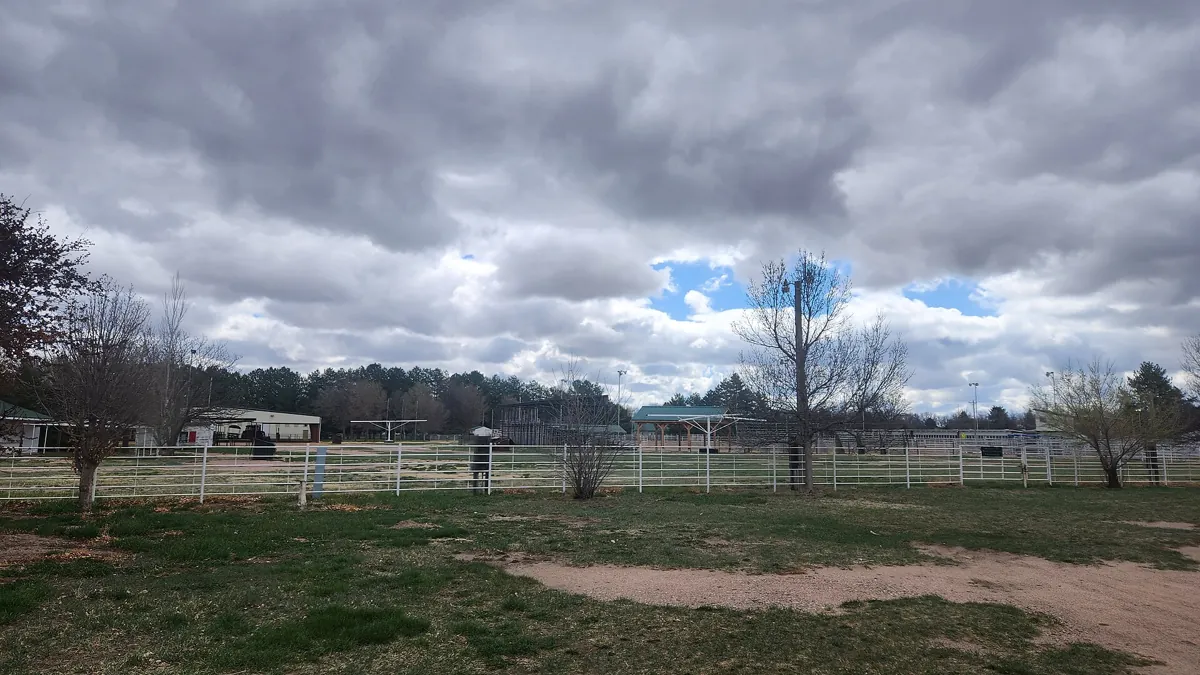
Every county fair has a rhythm you only learn by going back. At the Boone County Fair, that rhythm runs on barn fans, gravel dust, and the smell of pork burgers drifting across the midway. The fair takes over the Boone County area each summer, and for anyone who has been coming for years, the landmarks never really change: the same exhibit hall doors propped open, the same grandstand benches, the same families claiming the same patch of shade.
Boone County spreads across 574 square miles of central Iowa, with Boone as its county seat. The county was established on January 13, 1846, and the 2020 census counted 26,715 residents. Those numbers explain the fair’s character. It is not the sprawling state fair down in Des Moines, and it is far more than a small-town street dance. It is a full county fair: livestock shows, static exhibits, a carnival, grandstand nights, and enough food stands to keep a family fed for three days.
What brings people back is not novelty. It is continuity — the same judges’ tables, the same ribbons pinned to the same corkboards, the teenagers who showed lambs a decade ago now watching their own kids lead goats into the ring. If you are planning a first visit, come with a loose plan and expect to abandon it. If you are returning, you already know which gate to use and where to park.
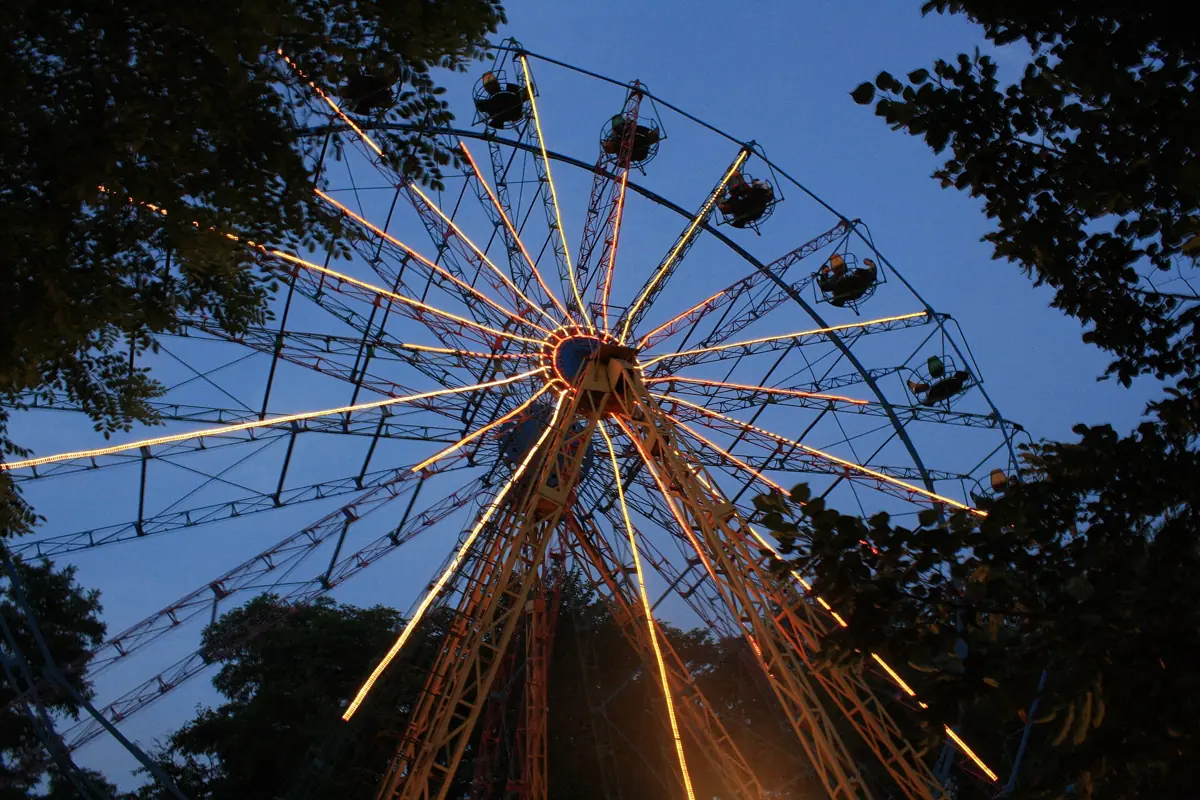
Numbers and Particulars for Boone County, Iowa
A few basics worth having on hand before you build a trip around the fair:
| Festival | Boone County Fair |
| Place | Boone County area, central Iowa |
| County seat | Boone |
| County population | 26,715 (2020 census) |
| County land area | 574 square miles |
| County established | January 13, 1846 |
| Typical timing | A multi-day run in summer, most often July, usually including a weekend |
| Admission | Typically free at the gate; rides, food, and some events cost extra |
| Setting | Fairgrounds with livestock barns, exhibit halls, a grandstand, and a midway |
| Organizer | A volunteer county fair board |
From 1846 to Now: How the Fair Grew Up With Its County
County fairs across Iowa grew out of the agricultural societies that formed in the decades after settlement, and Boone County’s followed that pattern. The county itself was established on January 13, 1846, when this part of central Iowa was still being surveyed and claimed. Farmers, stock breeders, and merchants needed a place to compare crops, draft animals, and machinery, and a fair was the natural excuse.
For another look at how a community turns its own traditions into a gathering, see the Black Hawk County Iowa Sturgis Falls Celebration Festival for a useful comparison.
Over the following generations the event widened. Livestock judging and crop displays stayed at the center, but grandstands went up, pulling and racing events drew crowds, and the midway became a fixture. Boone, the county seat, grew as a rail town, which made it easier for exhibitors and spectators from across the county to reach the grounds.
The twentieth century added two forces that still shape the fair. First, youth organizations — 4-H clubs and FFA chapters — turned it into a showcase for young exhibitors, with projects running from market hogs to photography. Second, the fair became a reunion as much as an exhibition: the one week each summer when families scattered across the county, and beyond it, come back to the same grounds.
What has not changed is the volunteer structure. Iowa county fairs are typically run by a fair board and an army of unpaid helpers, and Boone County’s is no exception. That explains the modest gate, the long-serving food stands, and the fact that the person selling you a raffle ticket may also be the one who judged the rabbits that morning.
What a Day at the Boone County Fairgrounds Feels Like
A fair day here has a predictable arc, and knowing it helps you pace yourself. Mornings belong to exhibitors and judges. Afternoons fill the barns and the midway. Evenings hand the grounds over to the grandstand and the food lines.
Fair Food, From Breakfast to the Last Elephant Ear
Food is its own category here: pork burgers, breaded tenderloins, corn dogs, funnel cakes, fresh lemonade, and the church and civic-group stands that have been serving the same recipes for years. Prices are set by individual vendors, so expect a mix of standard fair pricing and small fundraisers. The returning visitor’s trick is to eat early, before the dinner rush hits the midway, and to save the dessert stands for after the grandstand lets out, when lines thin and the evening cools.
Grandstand Nights and Music Around the Grounds
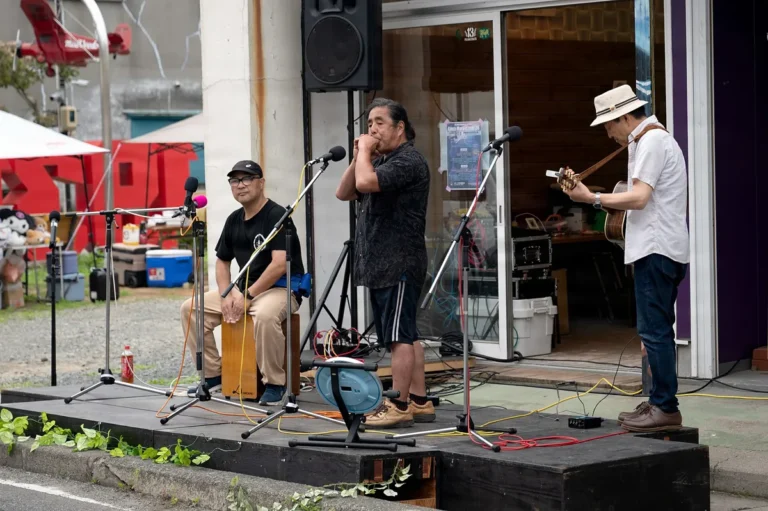
Entertainment usually runs on two tracks. The grandstand carries the headline events — often a mix of motorsports, pulls, or a concert — while smaller stages, barn areas, and exhibit halls host local musicians, dance groups, and demonstrations through the day. Lineups change year to year, so check the fair’s schedule once it is posted. Arriving at the grandstand a little early gets you a better seat and a chance to watch the grounds fill up.
Family Stops: Barns, Exhibit Halls, and the Midway
Families tend to build their day around the barns. Kids can walk the aisles where cattle, sheep, goats, swine, and poultry are stalled, watch a showmanship class, and see how judging actually works. The carnival midway adds rides and games, busiest in the late afternoon and evening. Between the two are exhibit halls full of baking, canning, flowers, photography, and school art — a good air-conditioned break when the July sun gets serious.
Planning a Fair Week Trip Around Boone
Boone County covers 574 square miles, and most visitors reach the fair from the county seat of Boone or from the smaller communities around it. A little planning goes a long way.
Getting There From Boone and the Surrounding Towns
Boone sits at the center of the county’s road network, and the fairgrounds are within the Boone County area, so a car is the simplest way in. From nearby towns, expect short drives on county roads. If you are coming from outside the county, plan around the larger regional routes that cross central Iowa and treat the last few miles as two-lane driving.
Where to Stay Near Boone, Iowa
Lodging in the Boone area is limited, and fair week is one of the busiest stretches of the summer for local rooms. Options generally run to small hotels, motels, and guest rentals in and around Boone, with more inventory in larger communities within easy driving distance. Book early. Some visitors camp at area campgrounds rather than on the grounds; check with the fair about camping availability before you count on it.
Parking on and Around the Grounds
Parking is typically on or next to the grounds, with volunteers directing traffic at peak hours. Arrive before the evening rush if you want a close spot, and expect a walk if you are coming for a grandstand event. Note your row or landmark — fairgrounds look entirely different after dark.
Gate Admission and What Actually Adds Up
Gate admission at county fairs is typically free, which is part of the appeal; the money goes toward rides, food, games, and grandstand events once you are inside. Check the fair’s own materials for the current year, including whether any grandstand shows are ticketed separately. Budget for the midway if you have kids in tow.
July Heat, Iowa Storms, and What to Pack
Fair week in Iowa means heat, humidity, and the occasional fast-moving thunderstorm. Mornings are the most comfortable time for the barns; midday is best spent in exhibit halls or under a shade tree. Bring water, sunscreen, and a hat, and keep an eye on the sky, since outdoor events pause for lightning. A light rain jacket beats an umbrella when the wind picks up.
A Sample Weekend at the Boone County Fair
Day one, the opening evening. Arrive late afternoon, walk the barns before the crowds thicken, grab an early supper from a civic-group stand, and stake out a grandstand seat for the opening event. Leave before the midway closes to avoid the parking crunch.
Day two, the full day. Start with breakfast on the grounds, then spend the morning in the livestock barns and exhibit halls. The afternoon is for the midway, games, and demonstrations. Eat dinner early, then return to the grandstand or find a local band playing somewhere on the grounds.
Day three, the closing morning. Come back for the final judging, one last walk through the exhibit halls, and the quiet hour before the grounds are packed up. Buy something from the 4-H and FFA stands on your way out; it is the easiest way to send money straight back into the county.
Boone County’s Fair Next to Its Neighbors
Set against the Iowa State Fair in Des Moines, the Boone County Fair is smaller, cheaper, and far easier to navigate. The state fair is a destination; Boone’s is a neighborhood. You trade headline concerts and sheer scale for short lines, easy parking, and the chance to talk with the people showing the animals.
Compared with the fair circuits in neighboring counties to the east and north, the differences come down to scale and setting. Each has its own grandstand and its own food traditions; what distinguishes Boone’s is the compact, walkable grounds and the fact that so many exhibitors live within a few miles of the gate.
Smaller town celebrations in places like Madrid or Ogden are worth a visit too, but they are a different kind of summer event — usually a single day of parade-and-pavilion programming rather than a multi-day fair with barns and a midway.
The Returning Visitor’s Checklist for Fair Week
Nothing here is complicated, but a few items make the difference between a good fair day and a long one.
| Water bottle | Refill stations beat paying per bottle in the heat |
| Cash and a card | Some stands and games still run cash-only |
| Sunscreen and a hat | Barns and midway offer little shade |
| Closed-toe shoes | Gravel, straw, and livestock aisles |
| Light rain jacket | Iowa evenings turn quickly |
| A meeting point | Grounds get crowded after dark |
| Cooler in the car | For 4-H purchases and leftovers |
| Small bills | For youth club stands and raffles |
Boone County Beyond the Fairgrounds
Boone County is worth more than a single afternoon. Ledges State Park, southwest of Boone, is the county’s best-known natural feature, with sandstone ledges and canyon views that fill up on summer weekends. The Boone & Scenic Valley Railroad runs excursion trips out of Boone, and the High Trestle Trail, with its striking bridge over the Des Moines River valley near Madrid, draws cyclists from across central Iowa.
Downtown Boone has the county-seat mix of courthouse square, small shops, and diners, and it makes a sensible base for a fair weekend. Most of the county’s 574 square miles are farmland, and driving the back roads between towns is its own kind of attraction, especially in the long light of a July evening.
If you are extending the trip, the Ames area to the east and the Des Moines metro to the south are both within easy reach, which makes the Boone County Fair a workable anchor for a longer central Iowa loop.
What the Fair Means to a County of 26,715
In a county of 26,715 people, a fair is not just entertainment. It is the annual inventory of a place — what the land produced, what the kids built and raised, what the volunteer groups can still pull off.
The economics are modest but real: vendors, exhibitors, and out-of-county visitors spend money in Boone and the surrounding towns, and premiums paid to young exhibitors often go straight into next year’s project. The social value is harder to price. For 4-H and FFA members, the fair is the payoff for months of work, and for grandparents it is the one week a year when the whole family is in the same place.
There is also the matter of shared effort. Fairs like this run on volunteers — the people who set up pens, judge categories, staff gates, and clean up at midnight. That labor is what keeps a county fair affordable and what keeps it local.
Where the Boone County Fairgrounds Sit
The fairgrounds lie within the Boone County area in central Iowa, a short drive from the county seat of Boone, surrounded by the county’s 574 square miles of farmland and river valley.
Boone County Fair Questions, Answered Briefly
When does the Boone County Fair usually happen?
In most years the fair runs for several days in the summer, most often in July, and usually includes a weekend. Exact dates shift from year to year, so confirm with the fair’s own schedule before you book travel or request time off.
Do you need tickets in advance?
Gate admission at Iowa county fairs is typically free, with spending concentrated in rides, food, and grandstand events. Some grandstand shows may be ticketed separately. Check the current year’s information rather than assuming last year’s arrangement still applies.
Is the fair a good outing with young children?
Yes. The barns, exhibit halls, and midway are all manageable with a stroller in dry weather, and mornings are calmer than evenings. Bring sun protection, plan a midday break, and set a meeting point before the grounds fill up.
How does the fair fit with a visit to Boone or Ledges State Park?
Comfortably. The grounds sit close to Boone, so you can pair a fair afternoon with a morning at Ledges State Park or a railroad excursion, then return for the evening grandstand without much driving.
The Fair’s Next Chapter in Boone County
County fairs everywhere are working through the same questions: how to keep young exhibitors involved, how to maintain aging buildings and grandstands, and how to stay relevant to families with more summer options than their grandparents had.
Boone County’s advantages are real. The county’s population stood at 26,715 in the 2020 census, its agricultural base remains strong, and the fair sits within easy reach of both Ames and the Des Moines metro — an audience a well-run county fair can still convert.
Expect the fair to keep evolving: more online scheduling, more variety in entertainment, continued emphasis on youth programs. What is unlikely to change is the format itself — a few days in July, a gate that costs little or nothing, and a county that shows up.
Last updated: October 2026
Plan around the heat, bring cash for the stands, and leave room in the schedule for the things you did not plan: the showmanship class that runs long, the neighbor you have not seen since last summer, the second funnel cake. That is what a county fair is for, and Boone County’s has been doing it for generations.

One Comment