Black Hawk County Iowa Sturgis Falls Celebration Festival
Late June in northeastern Iowa arrives with long evenings, warm river air, and a county that knows how to spend a weekend outdoors. The Sturgis Falls Celebration takes over the Cedar Falls area of Black Hawk County for several days, turning park blocks and downtown streets into a temporary neighborhood of stages, food stalls, carnival rides, and folding chairs saved for old friends.
It is a hometown festival in the truest sense: free to walk into, carried by volunteers, and named for the settlement that stood here before Cedar Falls had its current name. For residents across the county, it marks the real start of summer.
Sturgis Falls Celebration Essentials for Black Hawk County Visitors
| Town / area | Cedar Falls area, Black Hawk County, Iowa |
| County | Black Hawk County |
| County seat | Waterloo |
| Population | 131,144 (2020 census) |
| Region | Northeastern Iowa |
| Typical timing | A long weekend in late June, usually the month’s final full weekend |
| Admission | Free to enter; food, rides, and vendors charge separately |
| Setting | Park blocks and downtown streets in Cedar Falls, near the Cedar River |
| Signature features | Parade, multiple live music stages, food vendors, carnival rides, family activities |
| Organizer | Community volunteers and local civic groups |
The Celebration, the River, and the Cedar Falls Setting
The Sturgis Falls Celebration is built around the green park blocks just north of downtown Cedar Falls, within easy walking distance of the Cedar River. There is no gate and no wristband for general admission; you simply walk in, and the weekend unfolds around you. Stages sit under mature trees, food trailers line the paths, and a midway of rides and games fills the open ground.
What sets it apart is how compact and walkable the whole thing is. You can park once, spend an afternoon moving between a music stage, a craft tent, and a lemonade stand, and never need the car again. That scale is deliberate: this is a festival designed for strollers, bicycles, teenagers on their own for the first time, and grandparents who want a shaded bench. It is a county gathering that has resisted the urge to become a ticketed, fenced-in production, and that is exactly why people keep coming back.
From Sturgis Falls to Cedar Falls: How the Celebration Took Root
Black Hawk County was founded in 1843, and Waterloo has served as its seat of government ever since. The land itself spreads across 573 square miles of northeastern Iowa, a mix of river valley, prairie, and the working towns that grew up around the Cedar River. The settlement that became Cedar Falls once carried a different name — Sturgis Falls — and it is that older identity the festival borrows, a small act of historical preservation folded into a summer party.
For another look at how a community turns its own traditions into a gathering, see the Black Hawk County Iowa National Cattle Congress Festival for a useful comparison.
The modern celebration grew out of a straightforward community impulse: give people a reason to spend a weekend downtown and along the riverfront. What began as a modest neighborhood gathering expanded over the years into a multi-day event with a parade, several stages, a carnival, and a schedule packed with activities for every age group. By the 2020 census, the county counted 131,144 residents, and the festival had long since become the summer anchor for a substantial share of them.
Look closely at the weekend and you can read the county’s story in it. High school bands march in the parade. Local businesses sponsor stages. Church groups and service clubs run food booths that fund their work for the rest of the year. The name on the banner is old, but the energy behind it is entirely current.
What a Late-June Weekend in Cedar Falls Feels Like
Expect heat, shade, crowds, and a soundtrack that never quite stops. The celebration is spread across a long weekend, with Friday evening building toward the busiest stretch on Saturday and a slower, family-oriented Sunday.
Food Lines, Church Booths, and Iowa Favorites
Food is the social engine of the weekend. Expect the classic Iowa festival menu — pork tenderloin sandwiches, corn dogs, brats, walking tacos, funnel cakes, kettle corn, and cold lemonade — alongside booths run by local churches, teams, and civic groups. Portions are generous, prices are fair, and the longest lines usually belong to whatever the crowd has decided is the must-try item this year. Bring cash for the smaller stands, and plan at least one meal as a grazing tour rather than a single stop.
Live Music on Multiple Stages
Music runs all weekend, and it is free to listen. Programming typically leans on local and regional acts — rock, country, blues, and cover bands — with quieter acoustic sets earlier in the day and louder, dance-floor sets after dark. Because the stages sit close together, you can wander from one sound to another in a few minutes. The parade is the other big entertainment moment, drawing crowds to the downtown route with floats, marching bands, and fire trucks.
Family Traditions, Rides, and the Parade
Families are the heart of the celebration. Carnival rides and games anchor the midway, while craft tents, face painting, and activity areas keep younger kids occupied between meals. Many weekends also include a run or walk event, giving early risers something to do before the heat sets in. Bring a blanket for the grass, sunscreen for the afternoon, and a stroller that handles uneven ground.
Planning a Trip Around the Sturgis Falls Celebration
A little forethought turns a good weekend into an easy one. The essentials are simple: arrive early, book lodging well ahead, and treat the weather as a variable you plan for rather than complain about.
Getting to Cedar Falls and Black Hawk County
Cedar Falls sits in the northern half of the county, with Waterloo immediately to the south. U.S. Highway 20 runs across the area, Iowa Highway 58 handles north–south traffic, and the Waterloo–Cedar Rapids corridor to the southeast makes the region reachable from most of eastern Iowa in a single drive. Once you are in town, the festival grounds are close enough to downtown that you can leave the car behind for the day.
Where to Stay in the Cedar Valley
Lodging clusters along the highway corridors in both Cedar Falls and Waterloo, with a mix of national chains and independent options. Because the celebration falls on a peak summer weekend, rooms in the immediate area fill quickly; booking weeks or even months ahead is wise. Campers have options too, including state park camping along the Cedar River between the two cities.
Parking Near the Park Blocks and Downtown
Downtown street parking and nearby lots are the closest options, and they fill early — especially on Saturday. Residential side streets a few blocks out are usually the practical fallback, and the walk is short and pleasant. Expect some lots to charge a flat fee on the busiest days, and be patient with traffic around the parade route, which closes streets for a stretch of the morning or afternoon.
Admission and What You’ll Actually Spend
Entry to the celebration is typically free, which is central to its character. Your money goes to food, drinks, ride tickets, carnival games, and vendor goods, plus any small fees for specific activities. A family can keep costs modest by packing water bottles and treating the midway as a one-or-two-ride stop rather than an all-afternoon commitment.
Late-June Weather and What to Pack
Late June in northeastern Iowa means warm, humid afternoons, mild evenings, and a real chance of a passing thunderstorm. Plan for sun: hats, sunscreen, and refillable water bottles. Pack a light rain layer and know where you would shelter if a storm rolls through. Comfortable shoes matter more than anything else, because the weekend is best experienced on foot.
A Sample Weekend Itinerary for the Celebration
Friday evening. Arrive in the late afternoon, park a few blocks out, and walk the grounds while they are still uncrowded. Grab dinner from a food booth, find a spot near a stage, and stay for the first night’s music. Friday is the easiest night to actually sit down.
Saturday. Come early for the parade and stake out a curb spot on the route. Spend the middle of the day in the shade with food and a slower acoustic set, then let the kids loose on the rides in the afternoon. Saturday evening is the busiest and most energetic stretch of the weekend, so plan a late dinner and expect to stand for the headlining music.
Sunday. Sleep in, then return for a quieter morning of browsing craft tents and finishing the food you meant to try on Saturday. Sunday is ideal for a walk along the river trail before the crowds build, followed by one last loop through the grounds before heading home.
How Sturgis Falls Compares With Other Cedar Valley Summer Traditions
Waterloo, the county seat, hosts its own slate of summer events, and they tend to feel more urban — bigger venues, more driving between stops, and a wider range of ticketed programming. Cedar Falls, by contrast, offers a festival you can walk end to end in an afternoon.
Look beyond the county line and the contrast sharpens. Smaller towns such as Waverly in neighboring Bremer County lean toward compact Main Street celebrations, while the county fair season in places like Grundy County puts agriculture and livestock at the center. The Sturgis Falls Celebration lands somewhere in between: bigger than a town picnic, smaller than a state fair, and free in a way that few comparable events manage.
A Practical Checklist Before You Drive Into Black Hawk County
Book lodging early if you are staying overnight. Fill the gas tank before you reach downtown. Bring cash for small vendors and ride tickets, plus a card for the rest. Pack sunscreen, hats, refillable water bottles, and a light rain jacket. Wear shoes you can walk in for hours. Charge your phone and screenshot anything you need, since networks get busy in crowds. Choose a meeting point with your group before you split up. Keep pets at home unless you have confirmed they are welcome. Leave a little slack in your schedule — the best moments at a festival like this are usually unplanned.
Beyond the Festival: The Rest of Black Hawk County
Give yourself an extra half day to see why people settle here. Cedar Falls has a walkable downtown of shops, bakeries, and coffee houses just minutes from the festival grounds, plus riverfront trails that connect the two cities. Waterloo, the county seat, adds museums, a growing arts scene, and its own downtown district worth an afternoon.
Outdoors, the Cedar River corridor is the region’s playground — paved trails for cycling and running, fishing access, and green space that makes the valley feel wider than the map suggests. Families often pair a festival weekend with a theme park visit or a stop at one of the area’s parks. Agriculture is never far away either; a short drive in any direction puts you among farm fields that explain a great deal about northeastern Iowa.
What the Celebration Means to Black Hawk County
The Sturgis Falls Celebration is more than a weekend of music and fried food. It is one of the few times each year when the whole county — a population of 131,144 spread across 573 square miles — gathers in one walkable place. That matters in a region of distinct towns with their own identities.
It also does quiet, practical work. Booths run by churches, schools, and service clubs raise money that funds their efforts all year. Local musicians get a real stage. Teenagers get their first taste of a big public event, and grandparents get to watch it from a lawn chair. Free admission keeps the festival open to everyone, which is precisely why it has survived and grown.
Where the Celebration Sits in Black Hawk County
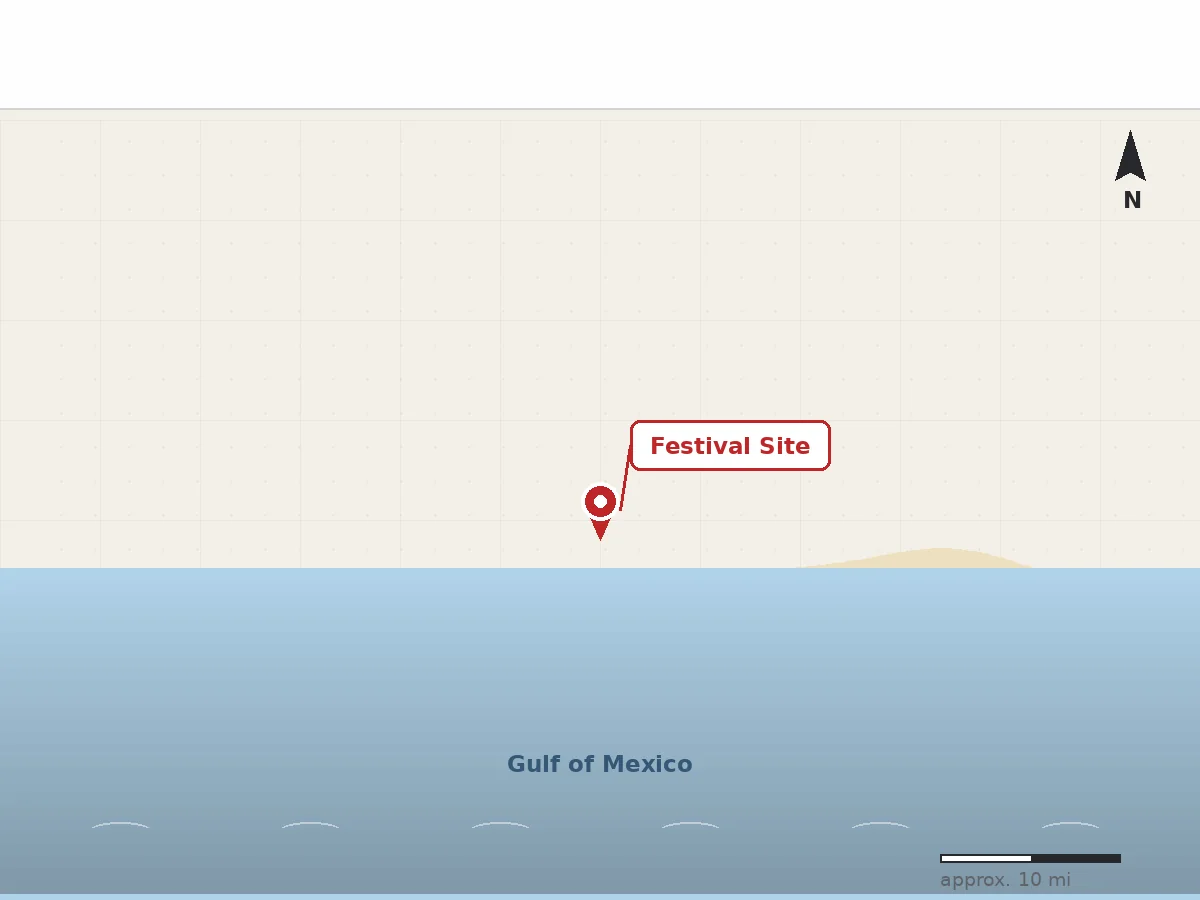
The Sturgis Falls Celebration is centered on the park blocks and downtown streets of Cedar Falls, in northeastern Iowa’s Black Hawk County, just north of the county seat of Waterloo.
Sturgis Falls Celebration Questions, Answered
Is the Sturgis Falls Celebration free to attend?
Yes — general admission is typically free, and you can walk the grounds, watch the parade, and listen to the music without buying a ticket. You will pay separately for food, drinks, carnival rides, games, and vendor goods.
When is it usually held?
The celebration takes place each June, generally over the final full weekend of the month. Because the timing is seasonal rather than fixed to a specific calendar date, check the current schedule before you plan travel.
Is it a good fit for young children?
Very much so. The festival is family-oriented, with rides, games, and activity areas aimed at kids, plus plenty of shade and grass for breaks. Bring a stroller, water, and sunscreen, and consider visiting earlier in the day when the crowds and temperatures are lower.
How busy does the weekend get?
Saturday is the busiest day, particularly from mid-afternoon through the evening, and parking fills accordingly. Friday evening and Sunday are noticeably calmer, which makes them good choices if you prefer a slower pace or want an easier time finding a seat near a stage.
Looking Ahead at Future Sturgis Falls Weekends
The festival’s future looks a lot like its past: volunteer-driven, free to enter, and rooted in the downtown and riverfront blocks that give it its character. The challenges are familiar ones for community events everywhere — rising costs, the logistics of moving crowds through a walkable neighborhood, and the steady work of recruiting the next generation of organizers.
What works in its favor is the setting. A compact, shaded, walkable festival in a county of 131,144 people is a durable model, and the local appetite for a late-June weekend of music, food, and parade floats shows no sign of fading. Expect the details to evolve — staging, vendors, programming — while the essential shape stays recognizable.
Last updated: October 2026
If you are anywhere in northeastern Iowa when late June comes around, the Sturgis Falls Celebration is worth building a weekend around. Come for the parade and the pork tenderloins, stay for the music drifting between stages, and leave with the particular satisfaction of a festival that still belongs to the place it came from.

One Comment