McCracken County Kentucky BBQ on the River Festival
Late September in Paducah belongs to wood smoke. For three days the downtown riverfront fills with cooking teams, market stalls and crowds drawn by a major Western Kentucky barbecue gathering. The event on the sheet carries the word Festival at the end of its title, yet no layer in the research record prints the name that way. The organiser’s own site and local newspaper layers call it BBQ on the River, newspaper and city-commission layers call it Barbecue on the River, and a homes-guide layer spells it Barbeque on the River. Those three printed forms are kept separate throughout this article; the record never merges them into one official styling. What the record does describe is a charity engine: an event built to share the region’s barbecue while raising money for local and regional causes, with documented editions from two thousand twenty-four to announced dates in two thousand twenty-six.
About
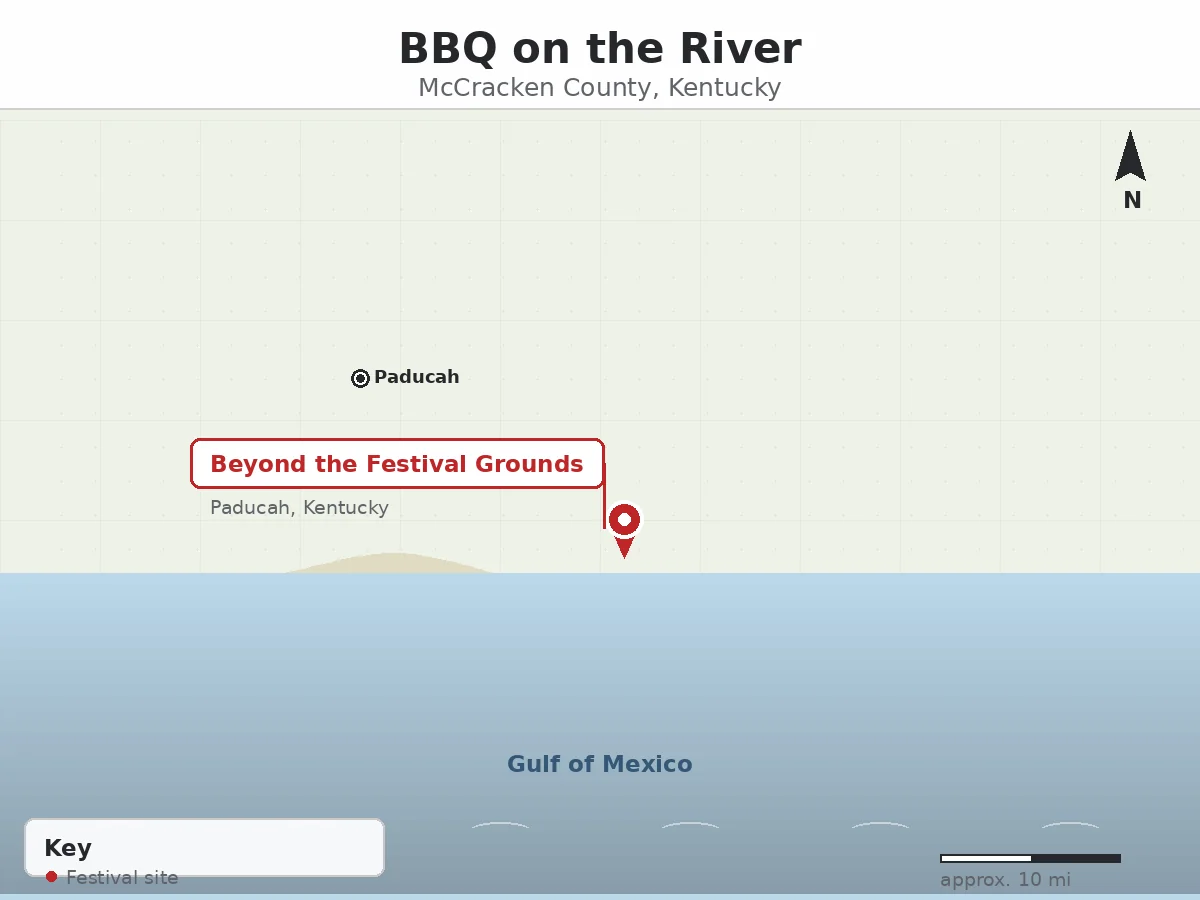
BBQ on the River is held in Paducah, the county seat of McCracken County in far western Kentucky, a standing confirmed by a county-seat reference layer. Its ground is the downtown riverfront, and a newspaper layer records that the two thousand twenty-five edition returned to its original location at the Paducah Farmers Market and City Block parking lots. The organiser’s own site prints a downtown street address for that location, noted here by existence only.
The organising body appears under two printed forms, Beautiful Paducah and Beautiful Paducah Inc., and the record tells the handover story two ways. The organiser’s own site says Beautiful Paducah took on the festival beginning in two thousand twenty-two. A city-commission report layer, looking at the two thousand twenty-four edition, described that year as the organisation’s first year as host. Both framings stand side by side here, unresolved; neither layer acknowledges the other.
Behind the present organiser stands a pair of named creators. The organiser’s own history page says the event began as an idea of Susie Coiner, whose brain child it calls the festival, with the help of Carol Gault. Their aim, as that page frames it, joined two purposes: sharing the famous barbecue of Western Kentucky and raising money for local charities.
Quick Facts
| Item | Detail |
| Printed name forms | BBQ on the River; Barbecue on the River; Barbeque on the River |
| Host city | Paducah, Kentucky |
| County | McCracken County, whose seat is Paducah |
| Setting | Downtown Paducah riverfront |
| Two thousand twenty-five grounds | Paducah Farmers Market and City Block parking lots |
| Organiser | Beautiful Paducah, also printed Beautiful Paducah Inc. |
| Creators named by the organiser | Susie Coiner, with the help of Carol Gault |
| Billing for the two thousand twenty-five edition | 31st annual, per a newspaper layer |
| Theme in two thousand twenty-five | A Homecoming Hoedown |
| Announced two thousand twenty-six dates | The twenty-fourth to the twenty-sixth of September |
History
The origin account in the record is short and human. On the organiser’s own history page, the festival starts with Susie Coiner’s idea and Carol Gault’s help: gather Western Kentucky’s celebrated barbecue downtown and let the gathering do charitable work while it feeds people. Every money figure the layers preserve is charitable rather than commercial, and the organiser’s published charitable statement explains the mechanism: competitors and vendors donate a minimum share of net sales, twenty percent for competitors in two thousand twenty-five.
For a useful comparison, see the Mason County Kentucky Germantown Court Days Festival for another county festival.
Growth is documented through the charity totals. A city-commission layer records that Barbecue on the River in two thousand twenty-four raised three hundred nineteen thousand three hundred eighty-seven dollars and eighty-two cents for local and regional charities, and that the event’s three-year charitable total surpassed one million dollars.
The billing history is plain about its limits. A newspaper layer bills the two thousand twenty-five gathering as the 31st annual event, and the organiser’s own site speaks of celebrating its 31st year in September two thousand twenty-five. Both are billings, recorded exactly as printed; no layer read states a founding year, and arithmetic on an annual billing is not evidence, so this article derives none.
Two thousand twenty-four supplies the charitable record through the city commission. Two thousand twenty-five supplies the fullest newspaper portrait: a homecoming theme, a return to the original riverfront grounds, and long hours across three days. Two thousand twenty-six exists so far only as announced dates, carried by a tourism press-release layer, a promise rather than a report. Same-named barbecue events in other states contribute no detail here; this history belongs to Paducah alone.
What to Expect
The competitive heart of the gathering is a barbecue cooking contest. A guide layer lists its categories as pork shoulder, ribs, chicken and beef brisket, so the teams are judged across the classic cuts rather than a single speciality. Around that contest the organiser’s own site sets the scale: the cooking runs to more than eighty thousand pounds of chicken and pork, and attendance is put at upwards of fifty thousand visitors per year. Those figures are the organiser’s own, and they describe an event that takes over its downtown grounds.
A newspaper layer gives the two thousand twenty-five hours as eleven in the morning to ten in the evening on Thursday, with Saturday running later, to eleven in the evening, and places the award ceremony on Saturday at four in the afternoon. The theme that year, A Homecoming Hoedown, framed the edition as a return to the Farmers Market and City Block lots where the event began its riverfront life.
Beyond the pits, the programme layers add live music, food vendors and market vendors alongside the cooking teams, so a visitor who never judges a rib still has a full ground to wander. An older travel layer remembers lighter contests from earlier years, hog-calling and chicken-clucking competitions, fenced to that layer’s period rather than the recent programme. The through line is abundance with a purpose: the food is the attraction, and a share of its earnings leaves with the charities.
Planning Your Visit
The documented editions sit in late September, across three days from Thursday to Saturday, and the announced two thousand twenty-six dates follow the same pattern, running from the twenty-fourth to the twenty-sixth of September. Thursday’s documented hours, eleven in the morning until ten in the evening, suit a visitor who wants the grounds before the weekend peak, while Saturday stretches to eleven in the evening and carries the award ceremony in the afternoon.
Ground yourself at the riverfront. The two thousand twenty-five edition returned to the Paducah Farmers Market and City Block parking lots in downtown Paducah; its street address and contact form are noted by existence only.
Set expectations about prices honestly. The layers read print no gate admission price for this event, and this article assumes none in either direction. What the record does document is charitable money: competitors donate a minimum of twenty percent of net sales under the organiser’s published two thousand twenty-five charitable statement, and vendors donate a minimum share as well. Booth spending therefore feeds the charitable total the city-commission layer later counts.
A Sample Itinerary
A Thursday arrival mirrors the best-documented day. Come onto the grounds at eleven in the morning, walk the cooking rows while the teams are mid-cook, and learn the Farmers Market and City Block layout before the evening crowd builds. Eat early from the food vendors, then stay into the night session, which runs until ten in the evening.
Give Friday to the competition itself. Circle the categories one by one, pork shoulder, ribs, chicken and beef brisket, talk with market vendors between passes, and catch the live music placed alongside the cooking. Friday is also the day to plan Saturday, which holds the climax.
Saturday builds toward four in the afternoon, when the award ceremony gathers the grounds around the results. Arrive with time to revisit your favourite booths, then take a place for the ceremony and the long evening that follows it; the documented Saturday hours run to eleven in the evening, the latest close of the three days.
How the Editions Compare
The three documented editions each illuminate a different facet. Two thousand twenty-four is the accountant’s edition: its surviving portrait is a city-commission record of three hundred nineteen thousand three hundred eighty-seven dollars and eighty-two cents raised in a single year, inside a three-year charitable total that surpassed one million dollars. Two thousand twenty-five is the homecoming edition, billed as the 31st annual, themed A Homecoming Hoedown, and restored to its original grounds, with hours and ceremony preserved in newspaper detail. Two thousand twenty-six is still only an announcement, three September dates in a tourism press release, waiting for its own record to be written.
The name forms invite their own comparison. BBQ on the River is the organiser’s styling and the local newspapers’ shorter habit. Barbecue on the River is the fuller spelling of newspaper and city-commission layers. Barbeque on the River survives in a homes-guide layer, a reminder that listings far from Paducah often spell by ear. A reader searching will meet all three: one event wearing three printed coats.
A Checklist for the Day
- Arrive before the midday peak if you want a clear first walk along the cooking rows
- Plan Saturday around the award ceremony at four in the afternoon
- Keep some spending money for the market vendors as well as the food booths
- Remember that a share of booth spending supports local and regional charities
- Recheck the announced September dates before travelling
- Leave time after dark on Saturday, the longest documented day, rather than rushing the close
Beyond the Festival Grounds
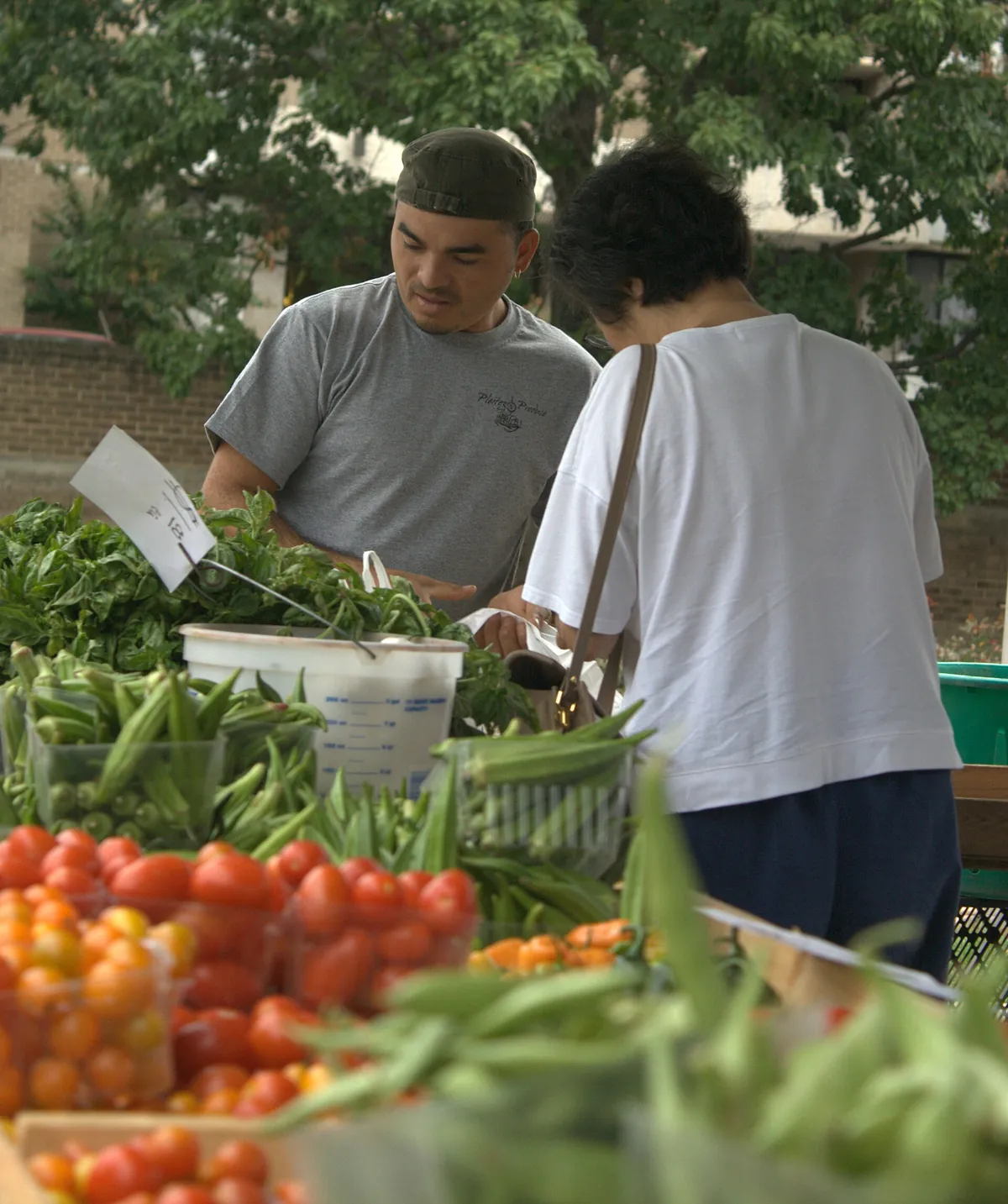
Downtown Paducah’s riverfront gives the gathering an open, walkable frame, and the Farmers Market ground anchors it in a place residents already associate with local produce and producers. A visitor can step from the cooking rows into the ordinary life of the county seat, suiting an event with local and regional beneficiaries.
Western Kentucky barbecue is the fame the founders set out to share, and the festival acts as its annual storefront: teams cooking by the tens of thousands of pounds, in the open, for crowds the organiser counts in the tens of thousands. Extend a trip in that spirit: eat where the region eats, and let the festival be the centre rather than the whole of the visit.
Why This Festival Matters
Few food festivals leave a paper trail in a city commission’s records, and that trail is what lifts this event’s significance beyond appetite. When a commission layer can state that one edition raised three hundred nineteen thousand three hundred eighty-seven dollars and eighty-two cents, and that three years together surpassed one million dollars for local and regional charities, the festival becomes a measurable civic institution rather than a pleasant weekend. The homecoming theme of two thousand twenty-five underlines the point.
A gathering billed as the 31st annual, created from one woman’s idea with a friend’s help, now run by a civic organisation under the name Beautiful Paducah, traces a line from private enthusiasm to public institution. The two framings of that handover, the organiser’s beginning in two thousand twenty-two and the commission’s first year as host in two thousand twenty-four, remain unreconciled in the record. The direction of travel is not in doubt: from idea to institution, with the charities counting the results each year.
Frequently Asked Questions
Why does one event appear under three different printed names?
Because the layers never agreed on a single styling. The organiser’s own site and local newspaper layers print BBQ on the River, newspaper and city-commission layers print Barbecue on the River, and a homes-guide layer prints Barbeque on the River. This article keeps the three forms unmerged; the sheet title’s appended word Festival appears in none of them.
What does the charitable record actually show?
A city-commission layer records that the two thousand twenty-four edition raised three hundred nineteen thousand three hundred eighty-seven dollars and eighty-two cents for local and regional charities, with the event’s three-year charitable total surpassing one million dollars. The mechanism, per the organiser’s two thousand twenty-five charitable statement, is donated shares of net sales: twenty percent minimum from competitors, a minimum share from vendors.
Who runs the festival now, and who started it?
The organiser’s own history page credits the creation to Susie Coiner, whose brain child it calls the event, helped by Carol Gault. The present organiser is Beautiful Paducah, also printed Beautiful Paducah Inc. The handover is framed two ways: the organiser’s site dates its takeover to two thousand twenty-two, while a city-commission report layer called two thousand twenty-four its first year as host.
Which single day carries the climax of the weekend?
Saturday, on the two thousand twenty-five evidence: a newspaper layer runs its hours to eleven in the evening, the latest close of the three days, and places the award ceremony that afternoon at four, so the documented weekend builds toward Saturday’s ceremony and long final evening.
What to Expect From the Next McCracken County Kentucky BBQ on the River Festival
How often is McCracken County Kentucky BBQ on the River Festival held?
The record presents a yearly late-September gathering: a newspaper layer bills two thousand twenty-five as the 31st annual edition, and the organiser’s own site speaks of a 31st year, billings that point to an annual rhythm without fixing a founding year. Announced dates for two thousand twenty-six continue the pattern in the same month.
When is the next McCracken County Kentucky BBQ on the River Festival?
A tourism press-release layer announces the twenty-fourth to the twenty-sixth of September, two thousand twenty-six. Those dates are an announcement rather than a report, in line with the late-September placement of the documented two thousand twenty-five edition.
Will the dates change?
Nothing in the layers read announces any move away from late September. The one change the record does document is geographic rather than calendrical: the two thousand twenty-five edition returned to its original grounds at the Paducah Farmers Market and City Block parking lots. The announced two thousand twenty-six dates keep the established September shape.
Closing
BBQ on the River earns its place in this queue on the strength of an unusually honest record: three printed names kept apart, two tellings of an organiser’s handover left unresolved, a charitable total counted by a city commission, and a homecoming edition that returned to the ground where it started. What the record withholds, a gate price and a founding year, it withholds plainly. What it gives, smoke over the Paducah riverfront and money counted for local charities, it gives in figures a reader can check. That combination is why this festival’s story holds together.