McCracken County Kentucky Paducah Dragon Boat Festival
Long boats full of paddlers race in unison on the Ohio River while crowds line the downtown Paducah riverfront, and that single image carries most of what this festival is about. The gathering brings team racing to the water at the edge of Paducah’s downtown, pairs the heats with food, drink and children’s activities on shore, and directs its energy toward a charitable purpose, because the event was created to benefit the town’s river museum. Two recent editions are documented in detail in the layers consulted, one in early September of two thousand twenty-five and one in late August of two thousand twenty-six.
About the Festival
The name appears in print in more than one shape, and the forms are kept separate here rather than blended. An event-listing layer, a newspaper layer and a tourism layer all print “Paducah Dragon Boat Festival”, which is the fullest and most frequently used form. A tourism layer also prints “River Discovery Center’s Dragon Boat Festival”, tying the event by name to the museum it supports. The short form “Dragon Boat Festival” appears as well. None of these variants is treated as the single correct title; each is reported the way its own layer printed it.
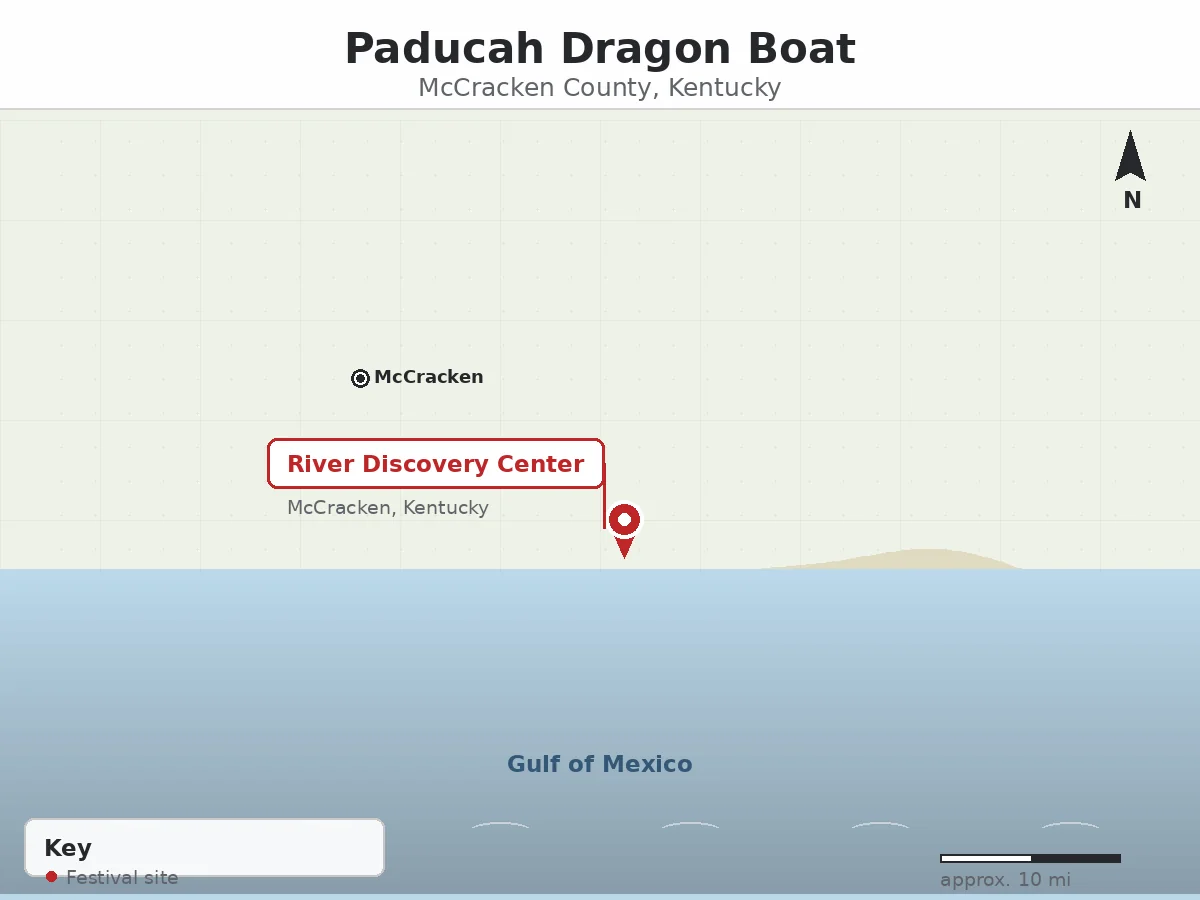
Paducah, the host town, stands in McCracken County in western Kentucky, and a county-seat reference layer confirms that Paducah is the seat of McCracken County. Newspaper and tourism layers place the festival on the downtown Paducah riverfront on the Ohio River, so the racing unfolds on the river itself with the shore programme gathered along the downtown bank. That riverfront setting matters to the event’s character, since the museum behind it interprets the region’s river heritage and the festival quite literally takes place on the water that heritage describes.
Who runs the day depends on which layer a reader consults, and the difference is left standing. Newspaper and tourism layers say the River Discovery Center, Paducah’s river museum, hosts the festival. An event-listing layer instead names the host and publisher as the Inland Waterways Museum. Both attributions are printed in the record, neither is reconciled with the other in the sources read, and this article preserves the two side by side instead of choosing between them.
Quick Facts
| Item | Detail |
| Fullest printed name | Paducah Dragon Boat Festival |
| Name tying the event to its museum | River Discovery Center’s Dragon Boat Festival |
| Short printed form | Dragon Boat Festival |
| Host town | Paducah, the seat of McCracken County |
| Setting | The downtown Paducah riverfront on the Ohio River |
| Host, per newspaper and tourism layers | The River Discovery Center, Paducah’s river museum |
| Host and publisher, per an event-listing layer | The Inland Waterways Museum |
| Documented editions | Saturday the sixth of September two thousand twenty-five, and Saturday the twenty-ninth of August two thousand twenty-six |
| Watching the races | Free, in the words of the layers quoted below |
| Purpose | A fundraiser for the River Discovery Center and its educational programs |
History
A newspaper layer supplies the clearest account of why this festival exists. It states that the festival was created to benefit Paducah’s River Discovery Center, and that the gathering is the museum’s largest fundraiser each year, with money going to the center’s educational programs. The racing, in other words, was never only a sporting spectacle; from its creation the event was built as a way of drawing a crowd to the riverfront and turning that crowd’s presence into support for the museum’s teaching work.
For a useful comparison, see the McCracken County Kentucky BBQ on the River Festival for another county festival.
How old the festival is can only be described through the billings the layers print, because no layer read states a founding year. An event-listing layer bills the two thousand twenty-five edition as the festival’s “10th anniversary” edition. A newspaper layer, describing the two thousand twenty-six edition, speaks of it as “celebrating 11 years”. Those two printed billings sit comfortably next to each other as a sequence, yet they are recorded here exactly as printed and kept unmerged, and no founding year is worked out from them. Readers who want a start date will not find one asserted in the sources consulted; the honest summary is that by the middle of the decade the festival had been running long enough for its own publicity to count a tenth anniversary and then an eleventh year.
Both documented editions were Saturdays and single days of racing, each opening on the riverfront and running heats through the day, and together they show the event holding a late-summer place in Paducah’s calendar.
What to Expect
Racing is the centre of the day. Dragon boat teams take to the Ohio River in long boats, paddling together in heats, and the newspaper and event-listing layers both describe team races on the river as the festival’s core activity. For the two thousand twenty-five edition, the event-listing layer gives the morning its structure: an opening ceremony at eight in the morning, then races beginning at nine in the morning. The newspaper layer dating the two thousand twenty-six festival likewise puts races beginning at nine in the morning, so an early start on the water is a consistent feature across both documented editions.
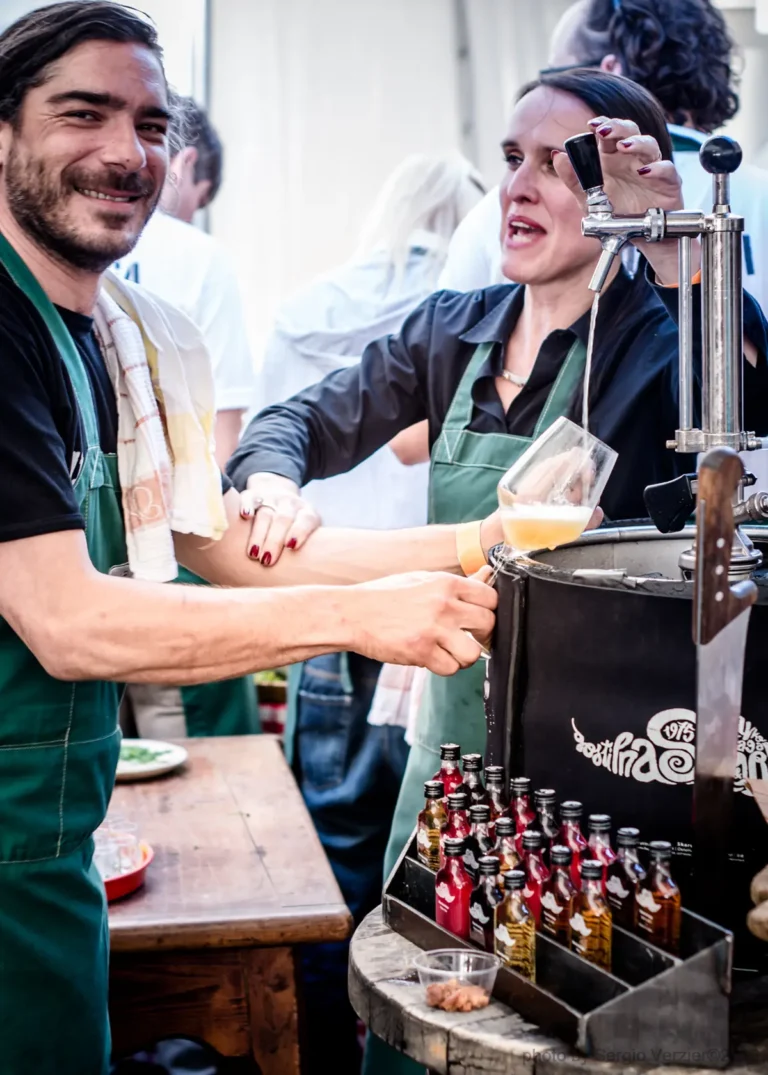
Shore-side, the two thousand twenty-five record describes food vendors and a beer garden serving the crowd, together with a children’s area offering inflatables, face painting and balloon animals. Event-listing and newspaper layers together round out the programme with family and children’s activities and entertainment beyond the races themselves. A newspaper layer reports that more than five thousand people came to the two thousand twenty-five event, which gives a sense of scale: the riverfront fills well beyond the teams and their supporters.
Planning Your Visit
Spectating carries no charge in the documented record. An event-listing layer states, in its own words, “The event is free to attend”, and a newspaper layer states, again in its own words, “Admission is free for all attendees”. Those two quotations are the admission position, fenced to the layers that print them: watching the racing from the downtown riverfront is presented as free in both. Anyone budgeting for the day should therefore plan around food, drink and the beer garden rather than around a gate price, while recognising that the layers make their free-attendance statements about the editions they describe.
Taking part is a different matter from watching. Team participation is arranged through the organiser, and the event-listing layer prints a phone number for team enquiries. That number is noted here by existence only and is not reproduced. A crew hoping to race should therefore expect to make contact ahead of the day, organise its paddlers in advance and arrive ready for a morning start, since racing begins at nine in the morning in both documented editions and the two thousand twenty-five programme opened with a ceremony an hour before that. Arriving early also helps spectators claim a vantage point before the first heats.
A Sample Day at the Races
The itinerary below follows the shape of the two thousand twenty-five edition, the one whose running order the event-listing layer spells out, and it is offered as a way of picturing the day rather than as a guaranteed schedule for any future year. Begin at the downtown riverfront before eight in the morning so the opening ceremony can be caught whole, with teams gathered and the river still fresh at the start of the programme. Stay by the water when racing begins at nine in the morning, since the opening heats set the tone and the field of crews can be sized up early.
Late morning suits a wander through the shore programme: food vendors for an early lunch, a look at the beer garden for those so inclined, and the children’s area, where inflatables, face painting and balloon animals keep younger visitors occupied between heats. Return to the bank for the afternoon racing, when the crowd, which numbered more than five thousand at the two thousand twenty-five event, is at its fullest. Close the day on the riverfront as the final heats run their course, with the museum the festival supports standing as the reason the whole gathering was assembled.
How It Compares
One confusion is worth clearing away directly. Louisville, elsewhere in Kentucky, has its own Kentucky Dragon Boat Festival, and that is a different event in a different city; nothing about the Louisville gathering is imported into this article, and readers searching for Paducah’s races should not let the similar name redirect them. Paducah’s festival is defined by its own riverfront, its own museum beneficiary and its own documented dates.
Its two documented years also invite comparison with each other. The two thousand twenty-five edition is the richly particular one: a tenth-anniversary billing, a timed opening ceremony, a children’s area itemised down to balloon animals, and a reported attendance above five thousand. The two thousand twenty-six edition is documented more sparely, through a newspaper date, a tourism listing and an eleventh-year billing, yet it confirms the essentials held steady: a Saturday in late summer, races from nine in the morning, and the same name in print. The organiser credit is the other point of comparison, with the River Discovery Center named as host by newspaper and tourism layers and the Inland Waterways Museum named as host and publisher by the event-listing layer, a discrepancy the record leaves open.
A Riverfront Checklist
- Reach the downtown riverfront before the opening ceremony if the full programme is the goal
- Settle on a viewing spot ahead of the first heats at nine in the morning
- Bring the family by the children’s area for inflatables, face painting and balloon animals
- Allow money for food vendors and the beer garden, since watching itself is documented as free
- Arrange any team participation through the organiser well before race day
- Keep the Louisville dragon boat event separate in your planning, as it is a different festival
- Build in time to take in the museum the day is designed to support
Beyond the Finish Line
The festival’s reach extends past its single day of racing because of where its money goes. As the museum’s largest fundraiser each year, in the newspaper layer’s account, the event channels the attention of thousands of riverfront visitors into the River Discovery Center’s educational programs. A day that looks like pure sport from the bank is, behind that surface, a funding engine for teaching about the rivers that shape the region. The downtown setting reinforces the effect: racing on the Ohio River itself, rather than on some detached course, keeps the museum’s subject in front of every spectator all day long.
Why It Matters
For McCracken County, the festival binds together several things the county seat does well. It uses Paducah’s downtown riverfront as a stage, it puts a distinctive team sport on the Ohio River, and it converts a large, free public gathering into support for a local institution. The reported attendance of more than five thousand people at the two thousand twenty-five edition shows the formula drawing a crowd well beyond the paddling community. That the event reached a tenth anniversary billing and then an eleventh-year billing in consecutive documented years suggests a fixture still gathering momentum rather than winding down.
Frequently Asked Questions
Which organisation is behind the Paducah races?
The answer depends on the layer consulted, and the record is reported as found. Newspaper and tourism layers say the River Discovery Center, Paducah’s river museum, hosts the festival, while an event-listing layer names the host and publisher as the Inland Waterways Museum. The two credits are printed in different places and are not merged here.
What fills the day besides the boat racing?
The documented shore programme includes food vendors, a beer garden and entertainment, alongside a children’s area that, in the two thousand twenty-five record, offered inflatables, face painting and balloon animals. Event-listing and newspaper layers describe family and children’s activities as a standing part of the gathering, so non-paddlers have plenty to occupy them between heats.
What attendance figure is reported for the anniversary year?
A newspaper layer reports that more than five thousand people came to the two thousand twenty-five event. That figure belongs to that edition alone, since the layers read give no corresponding count for two thousand twenty-six, but it establishes the anniversary year’s scale: a crowd in the thousands, not a small regatta gathering.
Can a new team enter the racing?
Team participation is arranged through the organiser, and the event-listing layer prints a phone number for team enquiries. The number itself is not reproduced here. Crews should expect to organise themselves in advance of race day rather than on the morning, since both documented editions began racing at nine in the morning.
What to Expect From the Next McCracken County Kentucky Paducah Dragon Boat Festival
How often is McCracken County Kentucky Paducah Dragon Boat Festival held?
The documented pattern is one single-day edition in each of two consecutive years, two thousand twenty-five and two thousand twenty-six, each on a Saturday in the late-summer stretch of the calendar. The billings printed for those years, a tenth anniversary followed by a celebration of eleven years, fit an event that returns year by year, and nothing in the layers read suggests a different rhythm.
When is the next McCracken County Kentucky Paducah Dragon Boat Festival?
The most recent dated edition in the record is the one a newspaper layer fixed for Saturday the twenty-ninth of August two thousand twenty-six, with a tourism layer listing the same date and races beginning at nine in the morning. Beyond that August date, the layers consulted carry no further confirmed day, so the next running would be expected in the following late summer if the established pattern holds.
Will the dates change?
A shift is already visible between the two documented years. The two thousand twenty-five edition raced on the sixth of September, while the two thousand twenty-six edition moved to the twenty-ninth of August, so the festival’s Saturday has shifted by a week or so between one year and the next. Anyone planning around a future edition should treat the late-summer window as the guide and wait for the specific date to be printed rather than assuming the same Saturday repeats.
Closing
Paducah’s dragon boat festival rests on a solid and readable record: two dated editions in consecutive years, a named riverfront on the Ohio River, free attendance stated plainly by two layers, and a purpose, support for the River Discovery Center and its educational programs, that a newspaper layer sets out in so many words. Where the sources differ, over the organiser’s printed identity and over how the festival’s years are billed, the differences have been left exactly where the record puts them. What emerges is a late-summer Saturday of racing that doubles as the river museum’s biggest day of the year.