Barton County Kansas Barton County Fair Festival
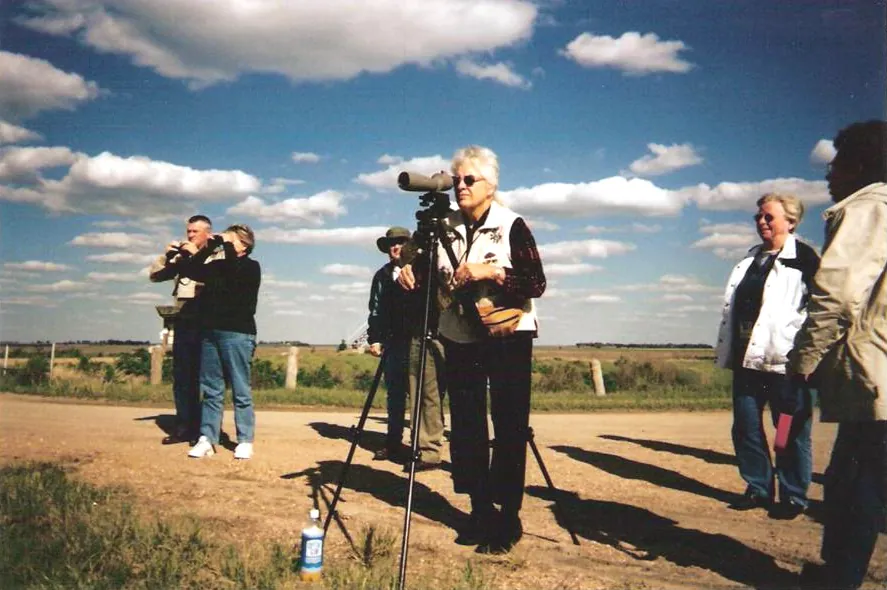
By half past six on a July morning, the Salazar family’s pickup is already rolling out of Great Bend, a stock trailer swaying behind it and two kids in the back seat arguing over who gets to carry the show halter. Grandma Lena rides up front with a thermos of coffee and a schedule she has already memorized. They aren’t going far — just to the fairgrounds, where the Barton County Fair has been pulling families like theirs out of bed for generations.
Their day is a small portrait of a large county ritual. Barton County stretches across 901 square miles of central Kansas, and for a few days each summer its towns — Great Bend and the smaller communities around it — fold into a single shared calendar of barn chores, exhibit halls, carnival lights and grandstand nights.
Barton County Fair Basics: Great Bend, Kansas
| Town / area | The Barton County area, anchored by Great Bend |
| County | Barton County, Kansas |
| County seat | Great Bend |
| Population | 25,493 (2020 census) |
| Region | Central Kansas; 901 square miles of prairie, cropland and river valley |
| Typical timing | A multi-day run in summer, usually in July |
| Admission | Typically free, with some activities priced separately |
| Setting | A county fairground with livestock barns, exhibit halls, a midway and a grandstand |
| Signature features | Livestock shows, 4-H and open-class exhibits, carnival rides, grandstand entertainment, fair food |
| Organizer | The county fair board and local volunteers |
What the Barton County Fair Is, and Why Great Bend Turns Out for It
The Barton County Fair is the county’s own summer gathering: a multi-day run of livestock shows, youth exhibits, carnival rides, grandstand entertainment and more fried food than anyone should admit to eating. It is a county fair in the classic Kansas sense — part agricultural showcase, part family reunion, part small-town carnival — and it takes place in the Barton County area, within easy reach of Great Bend, the county seat.
The county’s 25,493 residents, counted in the 2020 census, are spread across 901 square miles of wheat ground, cattle pasture and river valley. That geography shapes everything about the fair. Kids who spent the spring halter-breaking a lamb or grooming a hog arrive with something to prove. Families who barely cross paths during planting and harvest end up sharing the same bleachers. And the volunteer crews who hang banners and chalk the show ring are the same neighbors who will wave from a tractor two months later.
For visitors, the appeal is simpler: a few dollars of ride tickets, a bucket of curly fries, a seat near the show ring, and an evening that ends when the grandstand lights finally go down. It is a fair built for people who live here — and honest enough that outsiders feel welcome anyway.
For another look at how a community turns its own traditions into a gathering, see the Barren County Kentucky Glasgow Highland Games Festival for a useful comparison.
From an 1867 County Line to a Summer Tradition
Barton County was founded on February 26, 1867, in the first wave of Kansas organization that followed statehood. Great Bend was established as the county seat, and the settlement grew around the bend in the river that gave the town its name, a natural crossing point for travelers and livestock moving across the prairie.
County fairs across this part of Kansas grew out of exactly that world. They began as agricultural exhibitions — a place to compare seed varieties, judge livestock, trade horses and argue about yields — and they were usually staged after the wheat was cut, when farm families finally had a free week. Over the decades, the fair added what every rural county wanted: a midway, a grandstand, a stage for local musicians, and a full slate of youth competitions.
The modern Barton County Fair keeps that shape. The agricultural core is still the point — the barns fill first, and the show ring sets the rhythm of the day — but the fair has also become the county’s biggest social event, a week when grandparents, teenagers and toddlers all end up in the same place at the same time. That continuity is the achievement: a fair that has adapted without ever quite forgetting what it was for.
A Day on the Grounds With the Salazars
By mid-morning the Salazars have settled into their routine. The trailer is unhitched, the lambs are watered, and the kids have disappeared toward the exhibit hall. What follows is the shape most fair days take in Barton County.
Fair Food, From Sunrise Coffee to Late-Night Funnel Cake
Breakfast comes first, and it comes from a stand rather than a kitchen. Fair food in this corner of Kansas runs on the familiar grammar: sausage and egg sandwiches, pancakes flipped by a volunteer crew, cinnamon rolls the size of a fist, and coffee poured into foam cups that go soft by the second refill.
By noon the menu turns savory and fried — corn dogs, curly fries, funnel cakes, kettle corn, barbecue sandwiches, lemonade shaken in a barrel. Grandma Lena’s rule is that everyone eats one thing they’ve never tried before, which is how the youngest Salazar ended up devoted to fried pickles. Bring cash for the smaller stands, and expect lines to bunch up right after the livestock shows let out.
Grandstand Music and the Evening Crowd
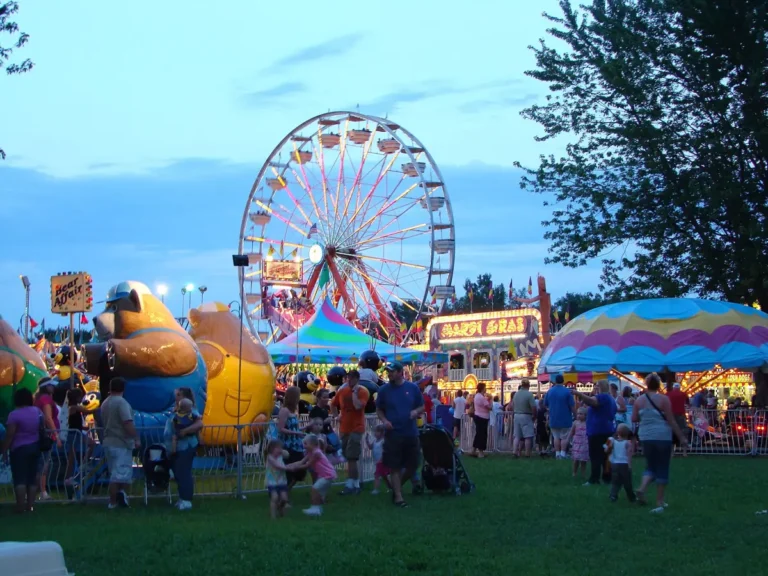
Entertainment at the Barton County Fair tends to build through the day and peak after dark. Afternoon hours bring demonstrations, contests and whatever the fair board has scheduled on the grounds — tractor games, pie judging, kids’ pedal pulls, a magician working a small crowd. Evening is when the grandstand fills.
Expect country and rock covers, local and regional bands, and the particular pleasure of hearing live music drift across a fairground while the sky turns orange over the barns. Bring a lawn chair if you plan to claim a spot early, and a light jacket even in July — Kansas evenings cool off faster than visitors expect.
Family Activities From Barn to Midway
The Salazar kids rotate between three zones. The barns are first: lambs, goats, rabbits, poultry, and the low hum of fans in the aisles. The exhibit hall is second — photography, baking, quilting, vegetables, and the 4-H projects that took all spring to finish. The midway is third, and it wins.
For families with younger children, the fair is manageable in a way big amusement parks are not. The grounds are walkable, the crowds are familiar, and there is almost always a bench within sight of wherever a toddler has decided to stop. Strollers handle the gravel fine; the barn aisles are where you’ll want to watch your step.
Planning a Fair Visit From Great Bend or Anywhere in the County
Getting to the Fairgrounds Around Barton County
The fair sits in the Barton County area, close enough to Great Bend that most local families drive in for the evening and head home after the grandstand. If you are coming from elsewhere in central Kansas, plan your route through Great Bend first — it is the county seat and the natural hub for the surrounding towns. Rural roads are straightforward but dark after sunset, so watch for slow-moving trailers and farm equipment near the entrances.
Where to Stay Near Great Bend
Great Bend has the county’s largest concentration of lodging, which makes it the practical base for anyone staying overnight. Book early during fair week, since the same handful of properties also serve crews, families and travelers passing through. Campers and RV owners often prefer to stay closer to the grounds; if that is your plan, confirm availability well ahead rather than assuming a spot will be open on arrival.
Parking on Fair Days
Parking is generally on or adjacent to the fairground, with volunteers directing traffic during the busiest hours. Arrive before the evening entertainment if you want a short walk, and expect the lot to clear slowly after the grandstand lets out. Carpooling with neighbors is both practical and entirely in the spirit of the event.
Admission and Extra Costs
Admission to the Barton County Fair is typically free, which is a large part of why so many local families come multiple nights in a row. Carnival rides, midway games, concession food and some grandstand events are priced separately, so budget for those rather than for a gate ticket. Many vendors and game booths are cash-friendly, though card acceptance has grown.
Kansas Weather During Fair Season
Mid-summer in Barton County means heat, humidity and the real possibility of a thunderstorm rolling in fast across open ground. Mornings and evenings are the comfortable hours. Pack water, sunscreen, a hat and a poncho, and keep an eye on the sky — fair boards in Kansas are practiced at pausing and resuming events when weather moves through.
A Sample Barton County Fair Weekend, Told Through One Family
Friday. The Salazars arrive early to settle animals and claim space in the barn aisle. The morning goes to weigh-ins and last-minute grooming. Afternoon is exhibit-hall browsing and a first pass at the food stands. Evening belongs to the grandstand, with the kids fading on the bleachers before the music ends.
Saturday. Show day. Everything else bends around the ring schedule — early breakfast, final brushing, nerves, then the judge’s decision. The afternoon is deliberately slow: shade, lemonade, a walk through the commercial booths, maybe a nap in a lawn chair. By evening the family has earned the midway, and the kids spend ride tickets until the lights start shutting down.
Sunday. A quieter morning. Check exhibits, collect ribbons and project scores, say goodbye to the families in the next stall, load the trailer. The drive home is short, and the county’s summer rhythm picks up again on Monday.
How the Barton County Fair Compares With Nearby Towns and Fairs
Barton County sits in a part of Kansas where nearly every county has its own summer celebration, and the differences are mostly a matter of scale and character.
Larned and Pawnee County to the west run a comparable county fair built around the same agricultural core — barns, exhibits, a midway and a grandstand. Smaller crowds, similar rhythm.
Hays and Ellis County to the northwest host a larger regional fair scene tied to a bigger retail and university town, with more entertainment options and a longer list of vendors.
Hutchinson and the Kansas State Fair to the southeast are the big-league version — a statewide event with national acts and enormous grounds. Barton County families often attend both: the state fair for spectacle, and their own county fair for the people they actually know.
A Fair-Day Checklist for Barton County Families
Water bottles, refilled more often than you think necessary. Sunscreen and a hat. Cash in small bills for food stands and games. Closed-toe shoes for the barn aisles, not sandals. A light jacket for after dark. A lawn chair or blanket if you plan to sit near the grandstand. A tote bag for ribbons, prize drawings and whatever the kids win.
If you have animals entered, add a fan, bedding, feed, a grooming kit and a printed copy of the show schedule. If you are visiting with grandparents, check the grounds for seating near the ring and pick a meeting point in case the group splits. And charge your phone before you leave — fairgrounds are loud, and group texts are how families find each other.
Beyond the Fairgrounds: Great Bend and the Rest of Barton County
The fair is the centerpiece of a fair-week trip, but Barton County rewards a slower look. Great Bend, the county seat, has the restaurants, shops and services that anchor a county of 25,493 people, and it makes a comfortable base for a weekend. Drive out in any direction and the landscape opens into wheat fields, pasture and the low tree lines that mark water.
Summer visitors often pair the fair with simple county pleasures: a morning drive on rural roads, a stop at a small-town cafe, an afternoon at a park while the heat eases. The scale is the appeal. In a county of 901 square miles, you are never far from open ground, and you are never far from someone who will ask whether you’re headed to the fair tonight.
Why the Fair Still Matters in a 25,493-Person County
In a county this size, the fair does work that no other event can do. It is where a first-year 4-H member learns to speak to a judge, where a grandparent watches a grandchild walk a goat into the ring, and where neighbors who have spent months on separate schedules finally sit down in the same bleachers.
It is also an economic and civic engine, modest but steady: volunteers who plan year-round, businesses that sponsor classes and booths, families who spend locally for a week. Most of all, it is continuity. Barton County has been holding this kind of gathering since the decades after its 1867 founding, and the fair remains the clearest expression of what the county is — agricultural, small-town, and stubbornly social.
Where the Barton County Fair Sits in Kansas
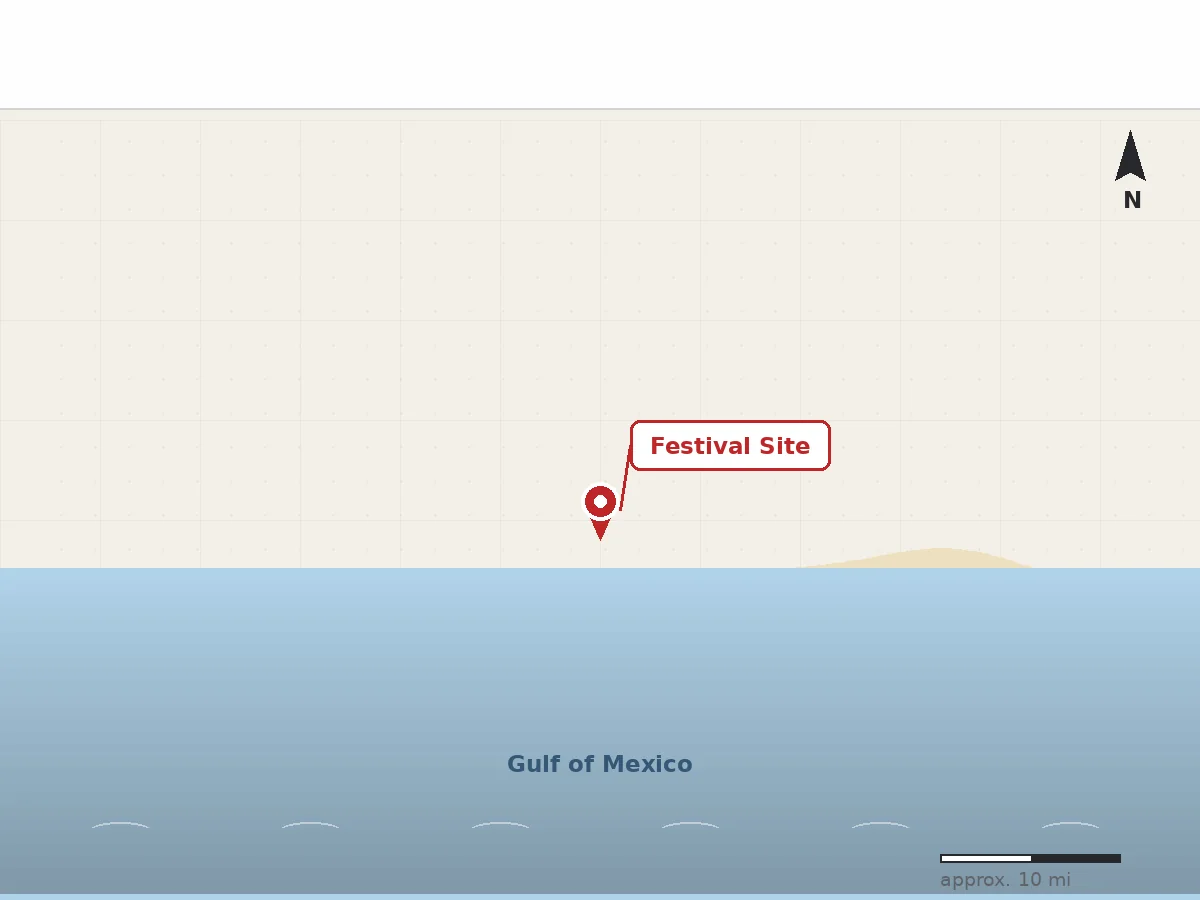
The fairgrounds sit in the Barton County area, within a short drive of Great Bend in central Kansas.
Barton County Fair Questions, Answered
When is the Barton County Fair usually held?
It is a summer event, typically staged over several days in July. County fairs in this part of Kansas follow the agricultural calendar, so the timing lands after the wheat harvest and before school resumes. Check with the fair board or local listings closer to the season for the exact run of days in a given year.
Is admission free?
Admission to the Barton County Fair is typically free. Carnival rides, midway games, food and some grandstand events carry their own charges, so most families budget for those rather than for a gate fee. Bring some cash alongside a card, since smaller vendors may not take plastic.
Is the fair good for young kids and older visitors?
Yes, and that is much of its appeal. The grounds are compact and walkable, the barns and exhibit halls are stroller-friendly, and there is seating throughout. Plan the hottest hours for shade or an indoor exhibit hall, and save the midway and grandstand for the cooler evening.
What happens if it rains?
Summer storms move through central Kansas quickly, and fair organizers are used to adjusting. Some events pause and resume; others shift to indoor spaces. Bring rain gear, keep an eye on the forecast, and be flexible — a wet afternoon usually clears into a good evening.
Looking Ahead to Future Fair Seasons in Barton County
The fair’s future looks much like its past: incremental, volunteer-driven and tied to the county’s agricultural base. Expect the barns to stay full, the exhibit halls to keep filling with 4-H projects and open-class entries, and the grandstand to keep drawing an evening crowd.
Last updated: October 2026
Drive past the fairgrounds on a July evening and you can see the whole thing at once: the barn lights, the midway glow, the grandstand crowd, and the trailers lined up waiting for one more morning of work. The Salazars will be back next year, and so will most of Barton County — because in a place this size, the fair isn’t just something to attend. It’s the week everyone finally ends up in the same place.

One Comment