Knox County Kentucky Knox County Fair Festival
In the last warm weeks of a Kentucky summer, when the hay is cut and the evenings finally start to cool, Knox County turns its attention to the fairgrounds. Families load coolers into trucks, teenagers argue over which night to go, and grandparents trade stories about fairs they attended decades ago. The Knox County Fair is not the largest event on the regional calendar, and that is part of its appeal. It is a county fair in the truest sense — organized for, and largely by, the people who live here.
For a first-time visitor, the fair sits within the Knox County area, with Barbourville, the county seat, serving as the natural anchor for a day trip or a full weekend. What follows is a local’s-eye look at what the fair is, what it has meant here, and how to plan around it.
Knox County Fair Essentials: What You’re Walking Into
Before you point the car toward Barbourville, here is the short version of what the fair is and where it sits.
| Town / area | Knox County area, anchored by Barbourville |
| County | Knox County, Kentucky |
| County seat | Barbourville |
| Population | 30,193 (2020 census) |
| Region | Southeastern Kentucky hill country |
| Typical timing | Late summer into early autumn |
| Admission | Typically free at the gate; rides, food, and games are extra |
| Setting | Rural fairgrounds in the Knox County countryside |
| Features | Livestock and agricultural exhibits, carnival rides, fair food, live entertainment |
| Organizer | Local fair board and community volunteers |
A Fair Shaped by Knox County Itself
Knox County is a place of ridges and hollows, small crossroads communities, and a county seat that has anchored local life since the county was founded on December 19, 1799. The county was named for General Henry Knox, and Barbourville has served as its seat ever since. Spread across 388 square miles of southeastern Kentucky, Knox County counted 30,193 residents at the 2020 census — small enough that a county fair still functions as a genuine reunion.
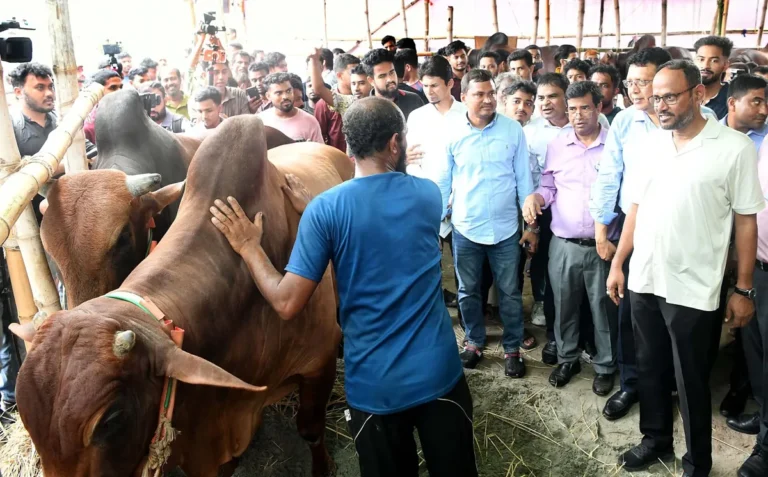
That scale shapes everything about fair week. Vendors are often neighbors. The person handing you a barbecue plate may also be the one who sponsored your child’s ball team, and the teenager showing a hog in the ring may sit behind your nephew in class. Livestock shows and agricultural exhibits remain central rather than ornamental, because farming, gardening, and small-scale homesteading are still part of everyday life in the Knox County area.
The fair is also a seasonal marker. It typically falls in late summer or early autumn, arriving after the hottest stretch of the year and before the school calendar grows heavy. Gate admission is usually free, with money changing hands for rides, games, and food. That structure matters: it means a family can walk the grounds, watch the shows, and visit with neighbors without spending much at all.
Two Centuries of Community, One Long Fair Tradition
Knox County was carved out of the Kentucky frontier at the close of the eighteenth century, on December 19, 1799, and named in honor of General Henry Knox. Barbourville grew into the county’s commercial and civic center, the place where farmers came to trade, file deeds, and settle accounts. Any fair held in a county like this one grows directly out of that pattern — market days, harvest gatherings, and the annual chance to compare notes with neighbors you might not see the rest of the year.
County fairs across this part of Kentucky evolved along a similar path. What began as livestock markets and agricultural exhibitions gradually added exhibit halls, competitions for canned goods and quilts, carnival rides, and evening entertainment. Knox County’s fair belongs to that lineage. Through the twentieth century, the fairgrounds became the one place where the whole county — town and country alike — gathered in the same few acres at the same time.
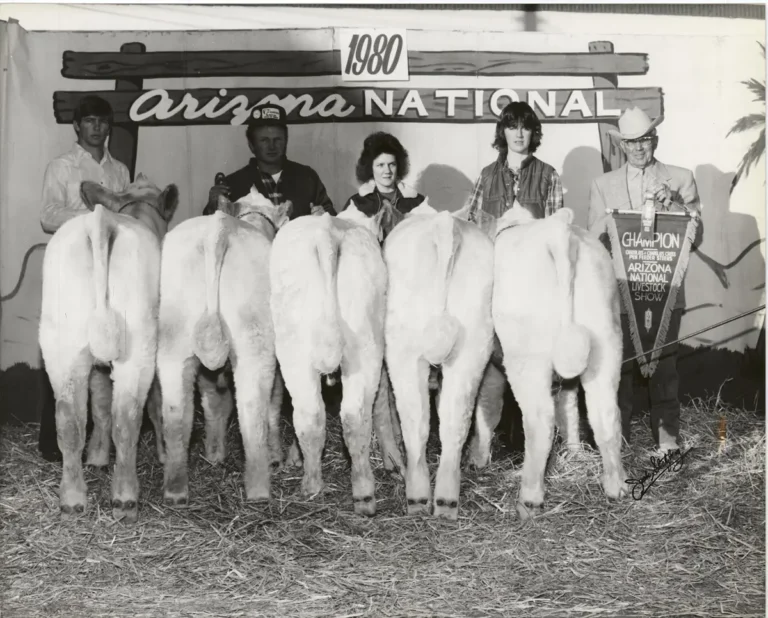
In most years the schedule leans on the staples that define fairs throughout the region: livestock judging, youth exhibits, carnival rides, tractor and truck events, and live music on a stage that has hosted more local bands than touring ones. That continuity is the point. The fair changes a little each year, but the shape of it is familiar to anyone who grew up in Knox County.
What a Day at the Knox County Fair Feels Like
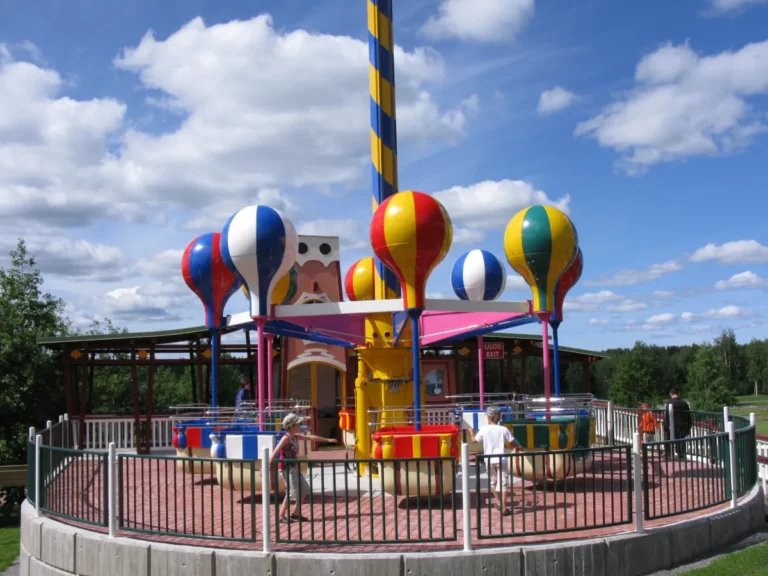
Expect a walkable, unhurried fairground with the fair food, livestock barns, and midway attractions that define the format — plus a strong local accent that comes from who is running the booths.
Fair Food, From the Stands to the Exhibit Hall
The food lineup is the classic county fair spread: funnel cakes, corn dogs, hand-cut fries, lemonade shakes, and barbecue, alongside the church-group and civic-organization booths that many regulars visit first. Local vendors often serve the dishes people associate with home — soup beans and cornbread, fried apple pies, and other Appalachian favorites that rarely appear on a carnival menu. Meanwhile, the exhibit hall tells a parallel food story: canned vegetables, jams, baked goods, and garden produce judged and displayed by county residents.
Music, Motors, and Evening Entertainment
Evenings carry the loudest energy. Expect live music on the grounds — often country, gospel, and bluegrass-leaning acts with deep local roots — plus the crowd-pleasing events that fill the grandstand, from truck and tractor pulls to demolition derbies and pageants. Arrive early for those, since seating fills quickly once the sun drops and the midway lights come on.
Family Activities and Kid-Friendly Corners
Families with young children tend to work the fair in a loop: livestock barns first, where kids can get close to animals and ask the exhibitors questions, then the exhibit hall for a quieter stretch, then the midway for rides and games. Older visitors often head straight for the barns and the seating near the stage. Because the grounds are compact and admission is typically free at the gate, it is easy to come and go rather than trying to do everything in one long evening.
Planning Your Knox County Fair Trip
Getting to Barbourville and the Fairgrounds
Barbourville is the hub for anyone traveling to the fair, and roads into Knox County funnel through the county seat. Most visitors arrive by car, and the drive from surrounding southeastern Kentucky counties is straightforward. If you are coming from out of the region, plan your route into Barbourville first and follow local signage to the fairgrounds rather than relying solely on a phone signal, which can be spotty in the hills.
Where to Stay in and Around Knox County
Lodging in the immediate area is limited, so if you are staying overnight during fair week, book well ahead. Options generally cluster around Barbourville and the nearby travel corridors, with a mix of motels, cabin rentals, and campgrounds for those who prefer to bring a camper. Many fairgoers simply drive in from home each evening, treating the fair as an after-work outing rather than a destination trip.
Parking Around the Fair
Expect the usual county fair rhythm: easy parking early, tight parking at peak evening hours. Arriving in the late afternoon gives you the best pick of spaces and a chance to walk the grounds before the crowds build. Keep a little cash on hand for any parking or shuttle donations, and note where you parked before you head into the midway — after dark, one row of trucks looks much like another.
Admission, Ride Tickets, and What to Budget
Admission is typically free at the gate, which makes the fair an affordable family outing in principle. Costs come from the extras: ride wristbands or individual tickets, midway games, food, and any grandstand events that carry a separate charge. Budget for food and rides rather than entry, and check the schedule for nights when ride pricing or promotions may be more favorable.
Weather: Late Summer in Southeastern Kentucky
Late summer in this part of Kentucky means warm, humid days, cooler evenings, and a real chance of an afternoon thunderstorm. Dress in light layers, wear shoes you do not mind getting dusty or muddy, and bring a light rain jacket rather than an umbrella if you plan to stay through the evening. Sunset brings relief from the heat and, usually, the biggest crowds of the night.
A Sample Knox County Fair Weekend
Friday evening. Arrive in the late afternoon, park while the lot is still open, and start with the livestock barns and exhibit hall. Grab dinner from a local vendor, then settle in for the evening’s grandstand event or live music.
Saturday morning and midday. Come back early for the quietest hours on the grounds. Watch the livestock judging, look through the youth exhibits, and let kids ride before the lines form. This is also the best window for talking with exhibitors and vendors.
Saturday afternoon and evening. Rest during the hottest part of the day, then return for the midway at dusk, the busiest and most festive stretch of fair week. Stay for the headline entertainment and the lights.
Sunday. Many families use the final day for a slower pass — a last funnel cake, a walk through the barns, and a stop by whatever booth they meant to visit earlier. It is the calmest day of the run and a good one for older visitors.
How the Knox County Fair Compares With Neighboring Counties
Southeastern Kentucky is full of county fairs and town festivals, and Knox County’s sits comfortably among them without trying to outgrow them. Neighboring Laurel County, home to London, and Whitley County, anchored by Williamsburg and Corbin, host larger regional draws with bigger midway footprints and more out-of-town traffic. Bell County, toward Pineville and Middlesboro, leans into its own mountain identity and history.
What sets the Knox County Fair apart is scale. It is the kind of fair where you will run into three people you know before you reach the ticket booth, where the announcer recognizes the exhibitors by name, and where the whole evening can be done in a few unhurried hours. If you want a massive midway and a long drive, the bigger regional fairs deliver. If you want the version of a county fair that still feels like a neighborhood gathering, this is it.
A Fairgoer’s Pocket Checklist for Knox County
Before you leave the house, run through the basics: cash for vendors and games, a light jacket for after sunset, comfortable shoes for gravel and grass, sunscreen and bug spray, a refillable water bottle, a tote bag for exhibit-hall purchases, and a charged phone. Bring a folding chair if you plan to sit near the stage or grandstand for long. Leave pets at home unless the fair publicly welcomes them. Confirm the day’s schedule and any grandstand ticket details before you drive over, since lineups vary from one evening to the next.
Beyond the Fairgrounds: Barbourville and the Knox County Countryside
Fair week is a good excuse to spend a little more time in Knox County. Barbourville, the county seat, holds the county’s civic and commercial core, with a walkable downtown, local restaurants, and the everyday small-town rhythm that makes a stop worthwhile. The surrounding countryside is the real attraction for many visitors: ridge roads with long views, working farms, and the quiet that comes with 388 square miles of hill country and a population of just over thirty thousand.
If you have an extra morning, drive a loop out of Barbourville into the rural communities, stop at a roadside stand, and take your time. This is a county where the landscape explains the fair — the livestock, the gardens, the canned goods on the exhibit tables, and the people who bring them.
Fair Week as a Knox County Tradition
The fair matters here for reasons that have little to do with ticket sales. In a county of this size, it is one of the few events that pulls together every part of the community at once: farm families and town residents, school-age kids and retirees, longtime locals and newcomers. It is where a child learns to show an animal in front of a crowd, where a grandmother’s pie earns a ribbon, and where a neighbor’s recovery or a family’s loss is acknowledged in passing conversation.
It also carries the county’s agricultural identity forward. Knox County’s economy and culture have always been tied to the land, and the fair keeps that connection visible and celebrated rather than nostalgic. For a few days each year, the county’s oldest traditions are also its most public ones.
Where the Fairgrounds Sit in Knox County
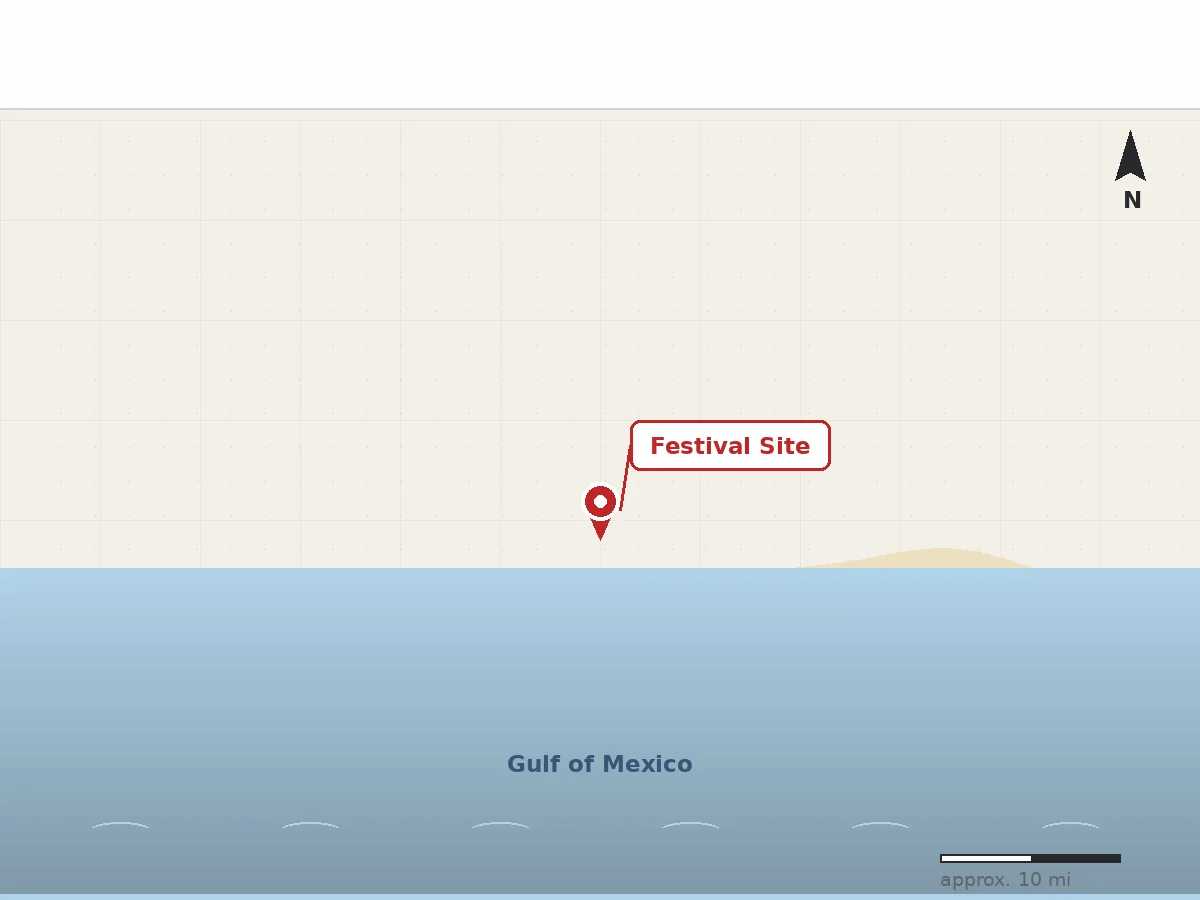
The Knox County Fair takes place on the fairgrounds in the Knox County area, with Barbourville, the county seat, serving as the nearest anchor for directions, lodging, and supplies.
What Fairgoers Ask Before Heading to Knox County
Is the Knox County Fair free to attend?
Admission is typically free at the gate, which keeps the fair accessible for families. You will still pay for rides, midway games, food, and any grandstand events that carry a separate charge, so plan your budget around those extras rather than entry.
When is the fair usually held?
The fair generally falls in late summer or early autumn, on a weekend-inclusive run that gives local families several evenings to attend. Because the exact window can shift from year to year, check the current schedule before you make travel plans.
Is the fair suitable for young children and older visitors?
Yes. The grounds are compact and easy to navigate, the livestock barns and exhibit hall appeal across ages, and arriving in the late afternoon or on the final day means smaller crowds and cooler temperatures. Bring a chair if sitting comfortably for long stretches matters to you.
How far is the fair from other parts of southeastern Kentucky?
The fairgrounds sit in the Knox County area around Barbourville, which makes for a reasonable drive from neighboring counties including Laurel, Whitley, and Bell. Many visitors from surrounding towns treat it as an evening outing rather than an overnight trip.
Looking Ahead to the Next Knox County Fair
The fair’s future looks much like its past: steady, local, and built on volunteers. Keeping a county fair running in a rural county takes a fair board, exhibitors, vendors, sponsors, and a lot of people who show up to set up tables and sweep floors. As long as that base holds, the fair will keep doing what it has always done — marking the end of summer in Knox County and giving the whole county a reason to gather in the same few acres.
Last updated: October 2026
If you go, go like a local: arrive early, eat something fried, spend time in the barns, and stay for the lights. The Knox County Fair is not trying to be anything other than what it is — a good county fair in a good county — and that is exactly why it is worth the drive to Barbourville.