Baltimore city Maryland Artscape Festival
Baltimore’s biggest free arts weekend doesn’t hide behind a ticket gate. Artscape spreads across the city’s downtown arts district each July, turning streets and plazas into galleries, stages, and market stalls for a few days — and then hands the neighborhood back, a little glittery, on Monday morning.
Artscape Baltimore: The Essentials on One Card
| Town / place | The Baltimore city area, Maryland |
| County | Baltimore City |
| County seat | None — Baltimore City is an independent city and its own county-level jurisdiction |
| Population | Roughly 570,000 residents in the city proper |
| Region | Central Maryland, Mid-Atlantic |
| Typical timing | A weekend in July, in most years |
| Admission | Free |
| Setting | Open-air streets, plazas, and galleries across Baltimore’s downtown arts district |
| Signature features | Juried art and craft vendors, multiple music stages, dance and theater, family programming, food stalls |
| Organizer | A city-supported arts and promotions partnership working with local galleries, vendors, and performers |
What Artscape Brings to Baltimore Each Summer
Artscape is the city’s flagship summer arts festival, and its defining trait is generosity. There is no ticket, no wristband, and no single front door. You wander in from a side street, follow the sound of a band, and suddenly you’re standing in front of a painter’s booth or a dance troupe warming up on a temporary stage. The festival typically lands on a July weekend and runs for several days, with the heaviest crowds arriving on Saturday and Sunday afternoons.
The program leans on Baltimore’s own creative community. Fine artists show and sell work under tents. Craft makers bring ceramics, jewelry, textiles, and prints. Galleries and cultural spaces in the surrounding blocks throw open their doors, so the festival isn’t only outdoors — it bleeds into the buildings that host art the other fifty-one weekends of the year. Music runs the length of the day and into the evening, with rock, soul, jazz, hip-hop, gospel, and global sounds sharing the bill.
Beyond the headliners, Artscape makes room for the odd and the handmade: spoken word, fashion, film screenings, public art commissions, interactive installations, and the kind of street performance that only works when a crowd is standing close enough to be part of it. Because the footprint is walkable, you can drift from a quiet ceramics display to a loud stage in a few minutes without ever getting in a car.
That mixture — serious art next to fair food next to a teenager’s first band — is why Artscape feels less like a curated exhibition and more like a city showing off what it makes. Families come early, friends meet in the middle of the afternoon, and the crowd stays late for the evening sets.
Artscape’s Climb From Sidewalk Booths to a Citywide Stage
Artscape began in the early 1980s as a modest street gathering — a cluster of artists, neighborhood groups, and cultural organizations who wanted a public showcase that didn’t depend on a museum invitation. The first editions were small enough that you could see everything in an afternoon. The ambition, though, was larger: prove that a city with a deep arts scene could throw its own front door open.
Growth came in layers rather than leaps. Vendor rows expanded into juried exhibitions. A single stage became several. Dance, theater, spoken word, and film found their way onto the schedule. Public art commissions gave the festival a permanent residue in the neighborhood, long after the tents came down. Local schools, community groups, and arts nonprofits became regular partners rather than occasional guests.
Over the decades, the festival weathered the usual urban ups and downs — shifting budgets, changing downtowns, and the long argument over what a free public festival should be. Through it all, the basic bargain stayed the same: no admission fee, a walkable footprint, and artists treated as the main attraction rather than a side dish. That consistency is why Artscape still reads as a Baltimore event rather than a touring production that happens to stop here.
What an Artscape Weekend Actually Feels Like
Expect heat, crowds, and a lot of walking — plus the particular buzz of a city block that has been temporarily repurposed for people instead of cars.
Food and Drink Along the Artscape Blocks
Food at Artscape is festival food done with local pride. You’ll find the familiar lineup — grilled skewers, funnel cake, lemonade, snowballs — alongside Baltimore favorites like crab dishes, pit beef, and neighborhood vendors who set up shop for the weekend. Lines move fastest in the late morning and slow considerably after one o’clock. Most vendors take cards, but a little cash still smooths things over when a line is long and the card reader is hot. Water matters more than you think in July; buy it early and carry it.
Stages, Sound, and Street Performance
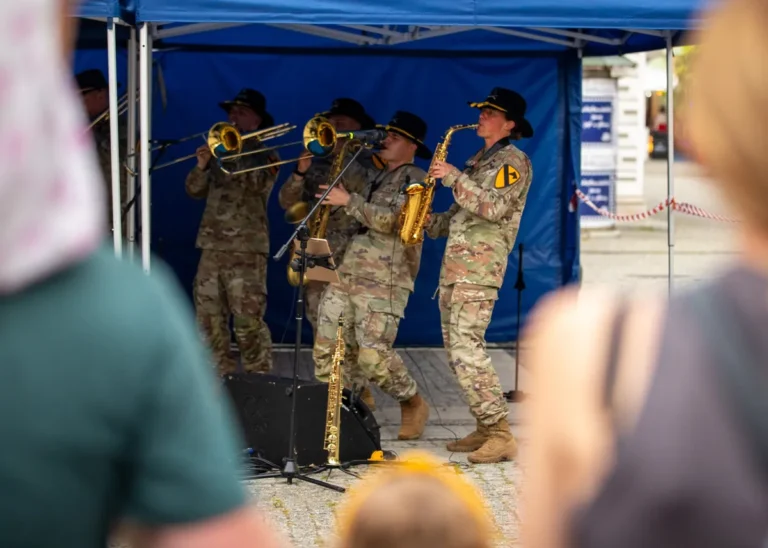
Music is the festival’s pulse. Multiple stages run through the afternoon and evening, with local and regional acts sharing space with touring performers. The range is deliberately wide — gospel choirs, jazz combos, hip-hop crews, indie bands, brass sections, and DJs — so you can build an entire day around one genre or wander until something catches your ear. Between the stages, buskers and performance artists work the crowd. If you want the best sound and the least jostling, position yourself near the front early and stay put rather than chasing sets.
Family Corners and Kid-Friendly Programming
Artscape is genuinely welcoming to children, which is not something every arts festival can claim. Craft tables, hands-on art stations, face painting, and youth performances keep younger visitors occupied, and the daytime atmosphere is relaxed enough that a stroller is workable, if slow. Mornings are the sweet spot: cooler, calmer, and easier for kids to actually reach the tables. Bring sunscreen, a refillable bottle, and a plan for the mid-afternoon meltdown window.
Planning Your Trip Into Baltimore for Artscape
A little forethought turns a crowded July weekend into an easy one. Here’s what matters most.
Getting There: Trains, Transit, and Traffic
Baltimore is easy to reach by rail and bus from much of the Mid-Atlantic, and the festival’s downtown setting means you can often leave the car behind entirely. Light rail, metro, and local bus routes all serve the central city, and walking between stops and the festival footprint is realistic for most visitors. If you drive in, arrive before late morning; streets close for the event, and detours can add real time.
Where to Sleep Within Walking Distance
Hotels in and around downtown Baltimore fill quickly for a July festival weekend, so book well ahead if you want to walk to the gates. Staying central also lets you split the day — go back to the room during the hottest hours, then return for the evening sets. Neighborhood guesthouses and smaller inns offer a quieter alternative a short ride away.
Parking Around the Arts District
Street parking near the festival is scarce and often restricted during the event. Garage parking in the downtown core is the practical choice, and rates are usually highest on Saturday. Note your garage’s location before you start walking — after a full day of stages and tents, the last thing you want is to be circling blocks looking for a ramp you vaguely remember.
Admission, Costs, and What Money Buys
Entry to Artscape is free, which is central to its identity. Your spending goes to food, drinks, art, crafts, and the occasional souvenir — so budget for what you actually want to buy rather than for a ticket. Carry a modest amount of cash alongside a card, and set a limit before you go if you’re the type who leaves every festival with a hand-thrown mug.
July Heat and What to Wear
Baltimore in July is hot, humid, and occasionally stormy. Light clothing, a hat, sunscreen, and comfortable shoes are non-negotiable — you’ll cover more ground than you expect on pavement. A compact umbrella earns its place if afternoon thunderstorms roll through. Hydrate steadily rather than all at once, and use the shade of gallery doorways when you need a break.
A Sample Artscape Weekend, Friday Through Sunday
Friday evening. Arrive as the festival opens and the light softens. Walk the vendor rows before the weekend crush, grab dinner from a food stall, and settle in for the first headlining set. Friday is the best night for browsing without shoulder-to-shoulder traffic.
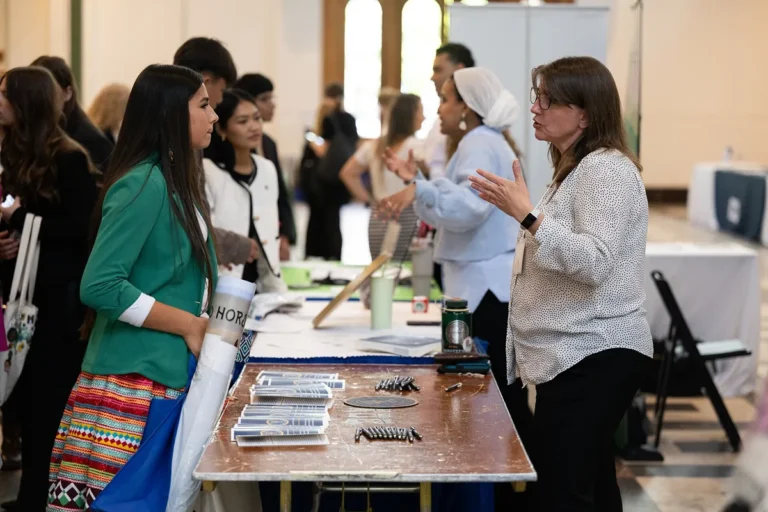
Saturday morning. Come early, while the streets are still cool and the art booths are freshly arranged. Talk to the artists — most are happy to explain their work, and buying directly from them is part of the pleasure. Hit the family programming before the heat peaks.
Saturday afternoon and evening. Retreat indoors for a gallery visit or a long, air-conditioned lunch, then return for the evening music. This is the busiest stretch of the weekend; pick one stage and commit rather than trying to see everything.
Sunday. The pace drops and the mood turns mellow. Vendors often mark down work they don’t want to pack up, performers play looser sets, and you can revisit whatever you regretted skipping. Leave by late afternoon if you’re driving, or stay for the closing sets if you’re on transit.
Artscape Versus Other Nearby Summer Weekends
Artscape occupies a particular niche among Maryland’s summer options. Head south toward Annapolis and you get a waterfront, colonial-scale experience — smaller streets, maritime history, and a slower rhythm built around the bay. Head west to Frederick and the appeal is a walkable historic downtown with a small-city feel and easy access to the mountains. Closer in, Baltimore County communities like Towson offer a suburban counterpoint: less density, more parking, and a calmer pace.
What separates Artscape is scale plus price plus focus. It’s urban, it’s free, and it is unapologetically about artists rather than about shopping or spectacle. If you want a relaxed afternoon with an easy parking spot, one of the smaller towns may suit you better. If you want the energy of a city turning its own streets into a venue, this is the one.
Your Artscape Checklist Before You Leave Home
| Comfortable walking shoes | You’ll cover several miles on hot pavement without noticing |
| Refillable water bottle | July heat plus crowds equals constant hydration |
| Sunscreen and a hat | Shade is limited between stages |
| Cash and one card | Small vendors and food stalls appreciate both options |
| Transit pass or fare card | Simpler than hunting for parking downtown |
| Charged phone and a battery pack | Maps, meetups, and photos drain a battery fast |
| A tote or small backpack | Somewhere to put the art you inevitably buy |
| Rain jacket or compact umbrella | Afternoon storms are a real July possibility |
Beyond Artscape: The Rest of Baltimore City
Give yourself an extra day. Baltimore rewards wandering, and the festival sits close to some of the city’s best-known draws. The Inner Harbor is an easy walk or short ride for waterfront views, boats, and family attractions. Museums across the city cover everything from major art collections to regional history, and most are a straightforward trip from downtown.
Neighborhoods matter here as much as landmarks. Head toward Fell’s Point for cobblestones, pubs, and water views; explore the markets for local food; or simply follow the row houses and painted screens that give the city its texture. If you’re here for the festival, a Saturday morning detour to a neighborhood café before the crowds build is one of the better ways to understand why people stay in Baltimore.
What Artscape Means to Baltimore City
For a city that has spent decades negotiating its own reputation, Artscape is a rare thing: a public event that asks nothing of you except showing up. It puts local artists in front of an audience that would never buy a gallery ticket, and it hands neighborhood organizations a stage of their own. Vendors earn real money. Teenagers see people who look like them performing. Visitors who came for the food leave with a print under their arm.
That’s the quiet significance of a free festival. It builds a habit of participation — of treating the city’s cultural life as something shared rather than sold. Year after year, in the middle of a hot July weekend, Baltimore makes that case on its own streets.
Where Artscape Takes Over in Baltimore
Artscape unfolds across the streets, plazas, and open lots of Baltimore’s downtown arts district, all within walking distance of the city’s central transit stops and major downtown hotels.
Artscape Answers: Tickets, Timing, and Getting Around
Is Artscape really free to attend?
Yes. General admission to the festival is free, and that has been true for most of its run. You’ll spend money on food, drinks, and art if you choose to, and some separately ticketed performances or special events have appeared over the years, but the core festival experience — stages, vendor rows, installations, family programming — does not require a ticket.
When does Artscape usually take place?
In most years, Artscape is held on a weekend in July, running across several days from Friday into Sunday. Exact dates shift annually, so check the official schedule before you book travel. July in Baltimore means heat and humidity, so plan your heaviest walking for the morning and evening hours.
Is it a good festival to bring children to?
Yes, and many families treat it as an annual tradition. Daytime programming includes hands-on art activities and youth performances, and the atmosphere is casual enough for strollers and curious kids. Mornings are the easiest window. Bring water, sunscreen, and a plan to leave before the late-afternoon heat and crowds peak.
How do I get around once I’m there?
On foot. The festival is designed as a walkable district, and the streets that carry traffic during the rest of the year are closed to vehicles during the event. Transit gets you to the edges of the footprint, and from there everything is a short walk. Wear shoes you trust and don’t overplan — the best moments usually happen between scheduled stops.
Looking Ahead to Artscape’s Next Baltimore Summer
The festival’s future looks a lot like its past: free entry, a walkable downtown footprint, and a program built around the artists who live here. As Baltimore’s cultural districts continue to evolve, Artscape will keep adapting — adding new stages, new media, and new partners while holding on to the things that made it work in the first place. For visitors, that means the same simple calculation every July: show up, walk in, and see what the city made this year.
Last updated: October 2026
Artscape is the rare festival that asks for nothing but your attention. Come for an afternoon or stay the whole weekend, buy a piece of art from the person who made it, eat something fried, and let a Baltimore band play you out of the district as the light goes down. That’s the whole invitation — and it’s been open for decades.