Pratt County Kansas Pratt County Fair Festival
Late summer in Pratt County means one thing for a lot of families: the county fair. Livestock trailers roll in, exhibit halls fill with canned peaches and quilted wall hangings, the midway lights up after dark, and the grandstand gets loud. The Pratt County Fair is the kind of event that has sat on the county’s calendar for generations, and it is still built around the work local people do the other eleven months of the year.
Pratt County Fair Details: The Basics That Shape Your Visit
| Town / place | The Pratt County area, Kansas |
| County | Pratt County |
| County seat | Pratt |
| Population | 9,157 (2020 census) |
| Land area | 736 square miles |
| Founded | February 26, 1867 |
| Named for | Caleb Pratt |
| Region | South-central Kansas |
| Typical timing | Late summer, often late July or early August |
| Admission and setting | Grounds admission generally free; prairie fairgrounds with barns, exhibit halls, a midway, and a grandstand |
Those basics cover the shape of the event, but a county fair rewards a little preparation. Knowing roughly when gates open, where you will park, how much cash to carry for the midway, and whether the grandstand has something you want to see turns a rushed evening into an easy day. What follows is a practical walk through the fair itself, the county around it, and the details that make a visit run smoothly.
A Fair Built Around Pratt County’s Agricultural Year
The Pratt County Fair exists to show off a year of work. In a county of 9,157 people spread across 736 square miles, the fairgrounds become a temporary town where farm families, small-town residents, and young exhibitors all end up in the same place at the same time. Livestock shows, static exhibits, and youth projects sit at the center of the schedule, with carnival rides and grandstand entertainment wrapped around them.
It runs the way most Kansas county fairs run: a volunteer fair board handles the logistics, and local clubs, churches, businesses, and families supply the rest. Youth exhibitors make up a large share of the entries, with projects ranging from market hogs and bucket calves to photography, baking, vegetables, and woodworking. Open class departments give adults a place to compete too, which is why the exhibit hall is often the most crowded building on the grounds.
That mix is what separates a county fair from a commercial festival. The competition is real, the ribbons matter, and the buyers at the livestock sale are your neighbors. Visitors are welcome to walk through the barns, ask questions, and watch — just remember that exhibitors are working, and give animals space.
For another look at how a community turns its own traditions into a gathering, see the Poweshiek County Iowa Poweshiek County Fair Festival for a useful comparison.
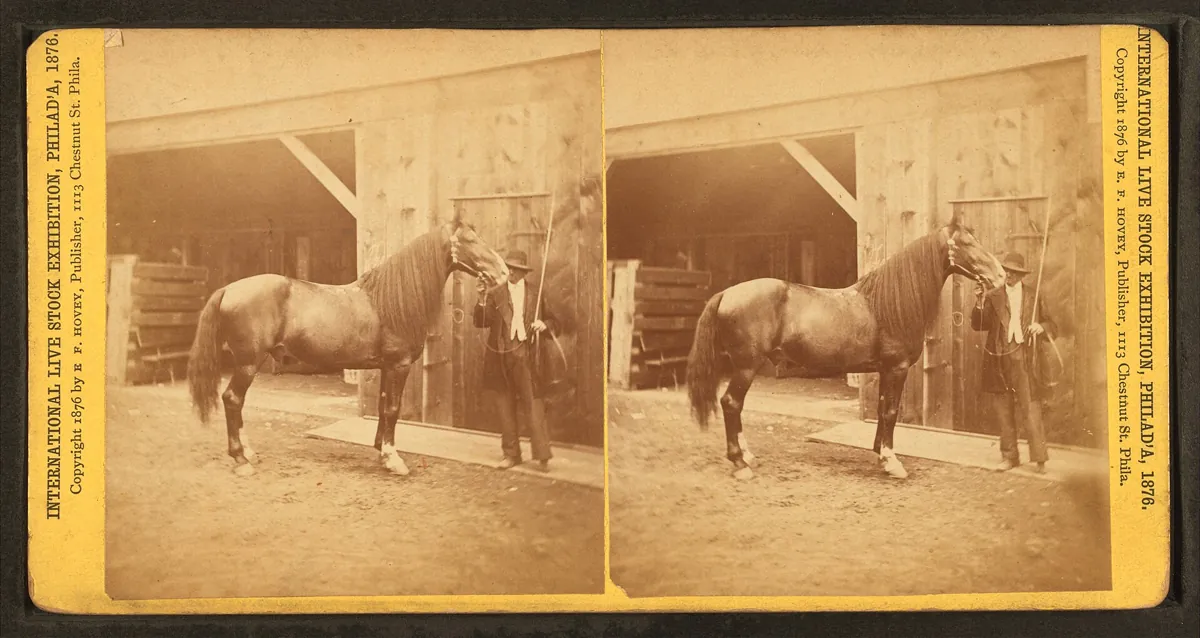
Prairie Roots: Caleb Pratt, 1867, and a Long Fair Tradition
Pratt County was founded on February 26, 1867, and named for Caleb Pratt. Its county seat is Pratt, and the county’s 736 square miles of prairie and farmland have shaped its institutions ever since — including the fair.
County fairs across Kansas grew out of the agricultural society movement, when farmers wanted a place to compare seed varieties, livestock bloodlines, and machinery, and communities wanted an annual event that broke up the isolation of rural life. The Pratt County Fair follows that pattern: an agricultural exhibition first, a social occasion second, and a carnival third.
Over the decades the fair’s shape has shifted with the farm economy. Exhibit categories widened beyond the purely practical, youth programs took on a much larger role, and grandstand entertainment changed with the times. What has stayed constant is the calendar slot — a late-summer gathering timed to the end of the growing season, when there is finally something worth showing.
What You’ll Find on the Pratt County Fairgrounds
A typical visit mixes three things: food, animals, and noise. The grounds are compact enough to walk in an afternoon, but there is usually enough on the schedule to fill a full day and then some. Here is how the pieces break down.
Fair Food, Vendor Stands, and Local Favorites
The food lineup is its own tradition: funnel cakes, corn dogs, burgers, fresh-squeezed lemonade, snow cones, and fries served in portions that make dinner optional. Local organizations often run their own stands, which is where you find homemade pie, cinnamon rolls, and the kind of cooking that does not show up at a chain restaurant. Lines move fastest in the late afternoon and slow to a crawl right after a grandstand event lets out, so eat early if you have somewhere to be.
Grandstand Nights, Live Music, and Evening Entertainment
Evenings carry the biggest draws. Grandstand programming at a Kansas county fair varies by year — think motor sports, pulls, rodeo-style events, or a featured performance — with live music, DJs, or community groups filling the gaps elsewhere on the grounds. Because the lineup rotates annually, the smart move is to check the fair’s published schedule before you commit to an evening. Grandstand seating fills quickly on the marquee nights, and arriving after the opening ceremony usually means standing room.
Family Activities, Youth Exhibits, and the Livestock Barns
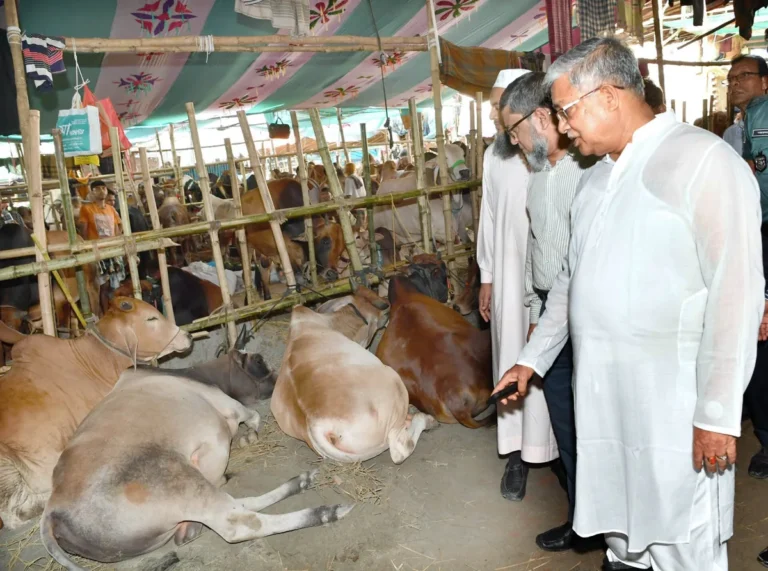
Families usually start in the barns, where rabbits, poultry, goats, sheep, swine, and cattle are stalled within a short walk of each other. Morning and early evening are the best times to watch animals being fitted and shown. From there, the exhibit hall offers a quieter stretch: baked goods, canned preserves, flowers, photography, and youth projects, all arranged with ribbons attached. The midway handles the rest, with rides sized for younger kids and a few that will test older ones. Bring wipes if you plan to pet anything.
Planning a Trip to the Pratt County Fair
Getting There: Pratt County by Car
Pratt County sits in south-central Kansas, and the fairgrounds are in the Pratt County area near the county seat of Pratt. Nearly everyone arrives by car, and the last stretch usually involves rural roads. Fuel up and grab supplies in Pratt before heading to the grounds. If you are driving after dark, watch for deer and for farm equipment that can appear over a rise with very little warning.
Where to Stay Around Pratt, Kansas
Lodging in a county of 9,157 people is limited, and fair week fills whatever exists. The county seat of Pratt is the logical base, with the shortest drive to the grounds and the most services. Book well ahead if you are traveling during the fair, and consider larger towns farther out if Pratt is full. Many exhibitors camp or park RVs at the fairgrounds for the week, so if that appeals, ask the fair board about availability and hookups before you haul anything out.
Parking and Moving Around the Grounds
Fairground parking is typically on grass or gravel, with volunteers directing traffic on the busiest nights. Arrive early for grandstand events or plan to walk from the far end of the lot. Once inside, everything is walkable, but surfaces are uneven — closed-toe shoes beat sandals every time, and a stroller with larger wheels handles ruts far better than a compact one.
Admission, Spending Money, and Realistic Costs
Grounds admission at county fairs is typically free, and that is generally the case here. Your money goes to carnival rides, food, raffles, and grandstand tickets instead. Bring cash in small bills: concession trailers and youth stands may not take cards, and ATMs get busy when the grounds are crowded. Setting a per-kid ride budget before you walk in saves a lot of negotiation at the ticket booth.
Late Summer Weather and What to Wear
Late July and early August in south-central Kansas mean heat, humidity, and a real chance of an evening thunderstorm. Dress light, bring a hat and sunscreen, and carry water — shade is scarce on the midway. Keep a light layer in the car for after sunset, when temperatures drop faster than most people expect. If lightning moves in, head for a building rather than a tent or tree line and wait it out.
A Sample Weekend at the Pratt County Fair
Friday evening. Arrive before the dinner rush, walk the barns while they are still calm, then eat on the midway. Finish at the grandstand, where the biggest crowd of the weekend usually gathers.
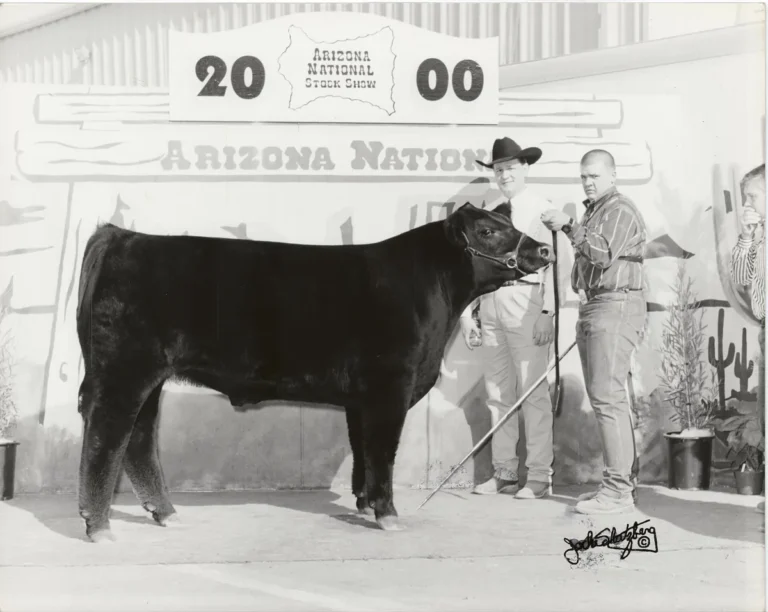
Saturday morning. This is livestock show time. Find a seat at the rail early, watch the fitting and showmanship classes, and then work through the exhibit hall before the afternoon heat sets in. Check the baked goods table first — it empties fast.
Saturday afternoon. Retreat to shade, a cold drink, and the midway. Rides run shorter lines in the middle of the day. If you have small children, this is the window to use.
Saturday evening. Dinner from a different stand than Friday, then live music or a second grandstand event. Stay for the lights on the midway after dark; it is the most photographed hour of the fair.
Sunday. The pace slows. Catch the remaining shows, the community events, and the livestock sale if it falls on the schedule, then wander the barns one last time before exhibitors start packing out.
How the Pratt County Fair Compares to Nearby Fairs
Neighboring counties in this part of Kansas run their own fairs, and plenty of families hit two or three in a season. Stafford County to the east and Kiowa County to the west both host annual events with a similar agricultural core, and Kingman County sits within an easy drive to the southeast. The Pratt County Fair’s advantage is its base: the county seat of Pratt functions as a genuine service hub, with more in the way of groceries, restaurants, and lodging than smaller county seats nearby. That makes it easier to turn a fair visit into an overnight trip. If you are choosing between them, pick the one whose grandstand lineup you actually want to see — the barns and exhibit halls are reliably good at all of them.
Pratt County Fair Checklist: What to Pack and Prepare
| Cash in small bills | Concession trailers, raffles, and youth stands |
| Sunscreen and a hat | Afternoon heat with little shade on the midway |
| Refillable water bottle | Long walks between barns, exhibit hall, and grandstand |
| Closed-toe shoes | Gravel, mud, and livestock areas |
| A light layer | Evenings cool off quickly after sunset |
| Charged phone or camera | Ribbon photos and kids on rides |
| Folding chair or blanket | Lawn and grandstand seating |
| Barn manners | Exhibitors are working — ask before touching animals |
Beyond the Fairgrounds: The Rest of Pratt County
Pratt County covers 736 square miles, and most of it is working land — crop fields, pasture, and the long horizons that define this part of Kansas. A drive out from the county seat of Pratt is its own attraction, especially in the hour before sunset, when the light turns the wheat stubble gold and the grain elevators throw long shadows.
The county seat is where you resupply: fuel, groceries, a pharmacy, a restaurant that is not serving corn dogs. With 9,157 people across the whole county, the pace is unhurried and the traffic is light. Visitors who build in a half-day around the fair usually spend it driving the back roads, stopping at whatever small town catches their eye, and getting a sense of how spread out the community the fair serves really is.
The Fair’s Place in Pratt County’s Community Life
For a county this size, the fair is less an event than an annual reunion. It is where the year’s work gets judged, where teenagers learn to speak confidently about an animal they raised, and where grandparents watch grandchildren take the same ribbon categories they once entered. The volunteer hours behind it — setting up pens, staffing gates, running the food stands — are the reason a county of 9,157 people can put on a multi-day fair at all.
The economic ripple matters too. Local businesses see a bump during fair week, the livestock sale moves real money into exhibitors’ pockets, and the grounds give area organizations their biggest fundraising window of the year. Just as importantly, the fair keeps a scattered rural county in contact with itself once every summer.
Where the Fairgrounds Sit in South-Central Kansas
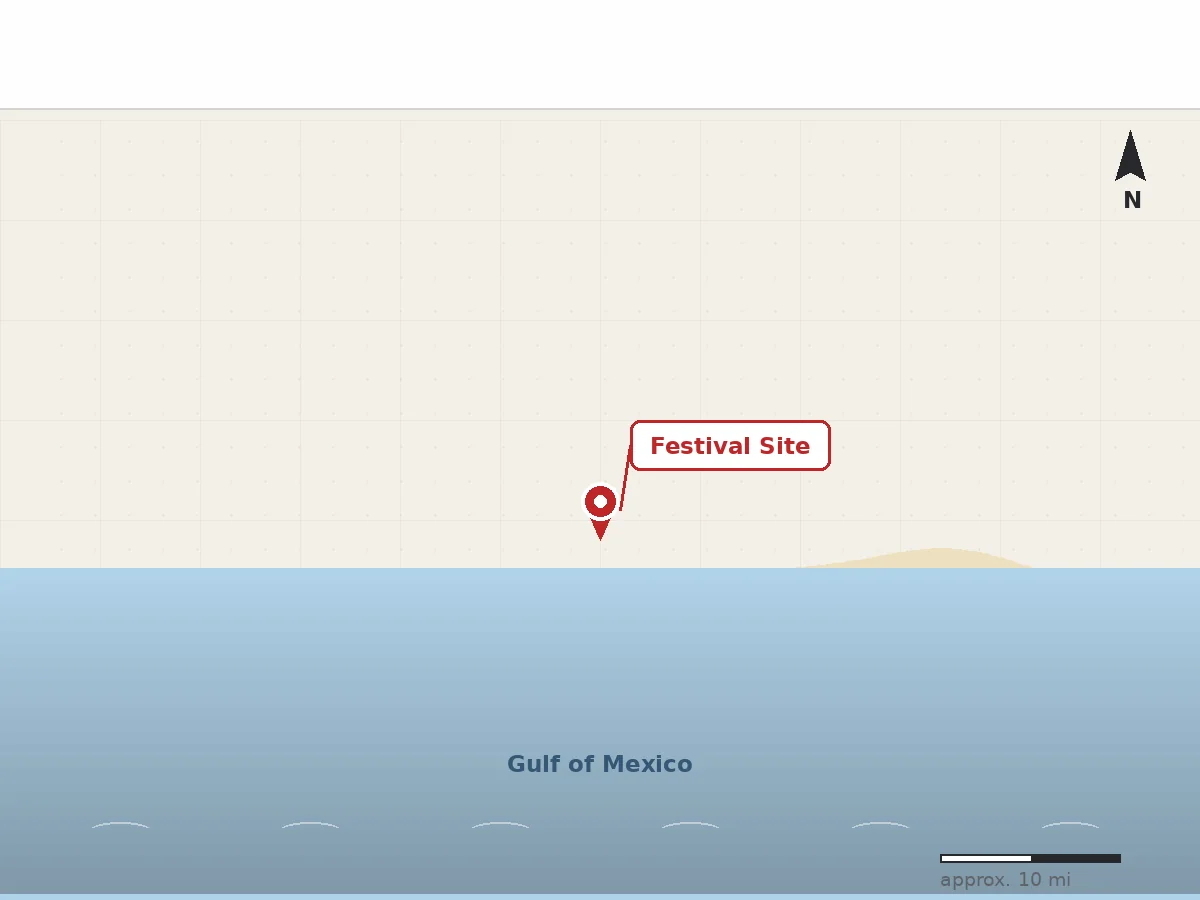
The Pratt County Fairgrounds are located in Pratt County, Kansas, in the south-central part of the state, with the county seat of Pratt serving as the main landmark and service hub for arriving visitors.
Answering Common Pratt County Fair Questions
When is the Pratt County Fair held?
It is a late-summer fair, typically falling in late July or early August. Like most county fairs, the exact window shifts from year to year, so confirm the current dates through the fair’s published schedule or local listings before you plan travel.
Is there an admission fee to get in?
Grounds admission at county fairs is generally free, and this one follows that convention. Individual attractions are where money changes hands: carnival rides, food, raffles, and any ticketed grandstand events. Carry cash, since smaller stands may not accept cards.
Is the fair a good fit for young children?
Yes, and it is one of the better family outings of the year in this part of Kansas. The barns, the exhibit hall, and the kiddie rides are all close together, and the atmosphere is relaxed. Bring water, sunscreen, and wipes, and keep an eye on little hands around livestock — animals are calm but they are still animals.
How do I enter an exhibit or a livestock project?
Most entries run through youth programs or open class departments, and registration generally closes well before the fair begins. Contact the fair board early in the season for entry categories, deadlines, and rules — the earlier you start, the more options you will have, especially in livestock classes.
What’s Ahead for the Pratt County Fair
County fairs everywhere are working out how to stay relevant to a generation that has more entertainment options than any before it. For Pratt County, the answer is likely to look familiar: lean harder on what makes the fair distinct — real competition, real animals, real neighbors — while keeping the midway and grandstand fresh enough to pull in families who might otherwise stay home. Expect continued emphasis on youth exhibitors, since they are both the fair’s present and its future.
Whatever changes, the fundamentals hold. A county of 9,157 people spread over 736 square miles will always need one week a year when everyone ends up in the same place. Last updated: October 2026
If you are within driving distance of Pratt County next late summer, put the fair on the calendar. Come for the grandstand, stay for the barns, eat something fried, and leave with a better sense of what this corner of Kansas actually does all year. It is a straightforward, generous kind of event — and it has been earning its place on the county’s calendar since long before any of us showed up.
One Comment