Baltimore County Maryland 4-H Fair Festival

The Baltimore County 4-H Fair is the kind of late-summer gathering where the parking volunteer remembers your car from last year. It arrives each August on fairgrounds in the county’s northern farm country, and for a few days the barns, show rings and food booths fill with club families, neighbors from Towson and Dundalk, and grandparents who once showed livestock on the same grounds.
Baltimore County 4-H Fair: The Details Locals Rattle Off First
| Town / area | Baltimore County, Maryland — fairgrounds in the county’s northern farm country |
| County | Baltimore County |
| County seat | Towson |
| Population | 854,535 (2020 census) |
| Region | Central Maryland, just north of Baltimore City |
| Typical timing | Late summer, usually a weekend in August |
| Admission | Free entry in most years; food, raffles and some activities cost extra |
| Setting | Open fairgrounds with barns, show rings and grassy midway space |
| Features | Livestock and showmanship classes, home arts entries, equipment displays, fair food |
| Organizer | Baltimore County 4-H clubs and their volunteer leaders |
What the Baltimore County 4-H Fair Looks Like Up Close
Ask five people what this fair is and you get five answers, all of them true. For club members it is the payoff of a whole year of feeding, grooming, rehearsing and canning. For their parents it is a week of hauling trailers and folding chairs. For everyone else in a county of 854,535 residents spread across 682 square miles, it is a rare chance to stand a few feet from a prize hog and remember that Baltimore County was farm country long before it was a suburb.
The fair is small enough to walk end to end in an afternoon and busy enough that you will not see everything. Entry is free in most years, which is part of why families treat it as an annual default rather than a splurge. You pay for what you eat, for raffle tickets, and for the carnival-style extras, but the barns, the show rings and the exhibits are open to anyone who wanders in.
“We don’t come for a headline act,” says Renee, a Hereford mother of two club members. “We come to find out whether the goat we watched all spring finally stands still in the ring.”
From 1659 Farm Country to a County Fair Tradition
Baltimore County was founded on June 30, 1659, which makes the ground under the fairgrounds part of one of Maryland’s oldest settled landscapes. Tobacco, then grain, then dairy and horses shaped the northern stretches of the county for generations before the interstate made the commute from Baltimore City easy.
4-H took shape across rural America in the early 1900s as a way to teach young people practical agriculture and home skills through club work, judged projects and public demonstrations. County fairs became the natural stage for that work. In Baltimore County, the fair grew into the one week a year when the results of those projects — a finished steer, a jar of tomatoes, a hand-sewn quilt, a well-kept record book — were laid out for neighbors to inspect.
As development pushed north through Towson, Pikesville, Owings Mills, Reisterstown and Hunt Valley, the fair’s role shifted. It stopped being purely a farm event and became something rarer: a shared civic calendar entry in a county where most residents will never own a tractor. Alumni still show up, often with grandchildren in tow, and the show rings fill with names that appear in the fair program year after year.
Inside a Fair Day in Baltimore County: Barns, Bands and Pie Tables
Most visitors follow the same rough rhythm: barns first, food second, midway third, then back to the show ring for whatever is being judged. The order changes, the pattern does not.
Fair Food Baltimore County Regulars Never Skip
Club-run food booths are the heart of it. Expect the classics of a Maryland fairground: pit beef sandwiches with horseradish, funnel cake, hand-cut fries, lemonade in enormous cups, snowballs, and ice cream or milkshakes tied to dairy projects. Church groups and volunteer fire companies often run stands alongside the clubs, which means the cooking is done by people who have been doing it for decades.
“I get the pit beef before I even look at the animals,” says Marcus, who drives up from the Dundalk area with his brother’s family every year. “Then we eat again at the pie table. That’s the deal.”
Music, Shows and the Unscripted Moments
Entertainment tends to be local and unpretentious: country and bluegrass combos, classic rock cover bands, school groups, and a sound system that competes with the loudspeakers calling classes into the ring. The real show, regulars will tell you, is the ring itself — showmanship classes, a livestock auction, tractor and equipment demonstrations, and the occasional escape attempt by a determined sheep.
Evening is when the fairground feels most like a community. Families spread blankets near the entertainment area, kids run between the bleachers, and the announcer reads names of volunteers who have worked the fair for decades.
Family Activities That Keep Kids Moving
Small children usually start at the animal barns, where rabbits, poultry, goats and calves are within easy petting distance of a stroller. Petting areas, craft tables, face painting, pedal tractor pulls and hands-on learning stations are typical of the fair’s family programming, and carnival rides and games appear in many years. Older kids drift toward the midway and the show ring, where teenagers they know from school are competing.
Planning Your Trip to the Baltimore County 4-H Fair
Because the fair runs only a few days, planning mostly comes down to timing, shoes and cash. Everything else sorts itself out once you are through the gate.
Getting There from Towson, Dundalk and the Beltway
The fairgrounds sit in the county’s northern farm country, reached most easily from the I-83 corridor or the Baltimore beltway before heading north. Towson, Timonium, Cockeysville, Hunt Valley, Monkton and Hereford are all a short drive away; from Dundalk, Essex or Catonsville, budget a longer trip and consider carpooling. Weekend afternoons bring the heaviest traffic at the entrance.
Where to Stay in and Around Baltimore County
Most fairgoers treat this as a day trip, and the county’s hotel corridors near Hunt Valley, Timonium, Owings Mills and Towson are the practical base for anyone coming from farther out. Staying overnight also makes it easy to pair the fair with a morning at a park or a walk through Towson’s county seat.
Parking on the Fairgrounds
Parking is typically on grass and gravel fields, directed by volunteers with flags and a lot of patience. Arrive in the morning or early evening for the easiest spot, follow the volunteers rather than your own shortcut, and expect a walk if the field is soft after rain. Carpooling is the single best decision you can make.
Admission, Costs and Cash
Entry is generally free, and the money visitors spend goes to food, raffles, games and vendor booths. Prices are set by individual clubs and vendors, so there is no single answer to what a day costs. Bring some cash even if most stands take cards — small bills move faster at a busy food window.
Late-Summer Weather and What to Wear
August in central Maryland means heat, humidity and the real possibility of an afternoon thunderstorm. Wear closed-toe shoes you do not mind getting muddy, bring water bottles, sunscreen and hats, and keep a light rain jacket in the car. Barns are warm, shade is limited, and the fairground gets dusty when it is dry and slick when it is not.
A Sample Fair Weekend in Baltimore County
Saturday morning. Arrive when the gates open and head straight for the barns before the heat builds. Watch the early showmanship classes, then walk the exhibit hall to see home arts, photography, canned goods and craft entries. This is when the crowds are thinnest and the animals are calmest.
Saturday afternoon. Eat lunch from a club booth, catch whatever is happening in the main entertainment area, and let kids work through the petting areas, craft tables and rides. If there is a tractor or equipment display, this is the hour to browse it while everyone else is in line for food.
Saturday evening. Stay for the band, the auction and the cooler air. The show ring is often at its most crowded and most entertaining after dinner, and the food lines shorten once the first wave of families leaves.
Sunday. Come back for the quieter side of the fair: the last classes, the remaining baked goods, and the volunteers packing up. It is the best time to actually talk to club families about what their kids did all year — and the easiest day to find parking.
Baltimore County’s 4-H Fair vs. Nearby Fairs and Towns
The Maryland State Fair, held at the fairgrounds in Timonium, is the biggest late-summer event in the region and a very different experience: larger crowds, bigger concerts, more commercial midway. If you want scale, that is the one. If you want to talk to the kid who raised the animal you are looking at, Baltimore County’s 4-H Fair is the better fit.
Carroll County’s fair scene, centered on Westminster, leans rural in much the same way, while Harford County’s farm fair near Bel Air draws a similarly local crowd. What sets the Baltimore County version apart is its audience: a huge suburban population — 854,535 people at the last census — showing up to a fair that still runs on barn schedules and volunteer clipboards.
A Fairgoer’s Checklist for Baltimore County in Late Summer
| Bring this | Why it matters |
| Cash in small bills | Faster lines at club food booths and raffle tables |
| Closed-toe shoes | Barns, gravel and possible mud |
| Water bottles and sunscreen | Little shade on the midway |
| Light rain jacket | Afternoon storms are common in August |
| A wagon or stroller | Long walks between barns, ring and parking |
| A cooler in the car | For anything you buy to take home |
| Patience at the gate | Traffic peaks mid-afternoon on weekends |
Beyond the Fairgrounds: What Else Baltimore County Offers
Make a day of it. Towson, the county seat, has shops, restaurants and a walkable downtown. North of the fair, the county opens into horse country and reservoir land, with the Prettyboy and Loch Raven watersheds, Gunpowder Falls State Park and the rail trail corridor offering easy walks and shaded picnic spots.
Families often pair the fair with a stop at a farm stand or orchard, or with a few hours at Oregon Ridge Park. If you are coming from the city, the drive north through Hunt Valley and Monkton is half the pleasure — stone walls, fields and barns that explain exactly why this fair still exists.
Why the 4-H Fair Still Matters Across Baltimore County
Baltimore County is a suburban county with a farm memory. In a place founded in 1659 and now home to more than 850,000 people, the fair is one of the few institutions that still ties those two identities together in public. A club member learning to keep records, speak to a judge and handle an animal that outweighs them is doing something the county has valued for centuries.
“My kids will probably never farm,” says Danielle, a Parkville parent who has volunteered at the fair for years. “But they know where a chicken comes from, and they know how to finish something they started. That’s the whole point.”
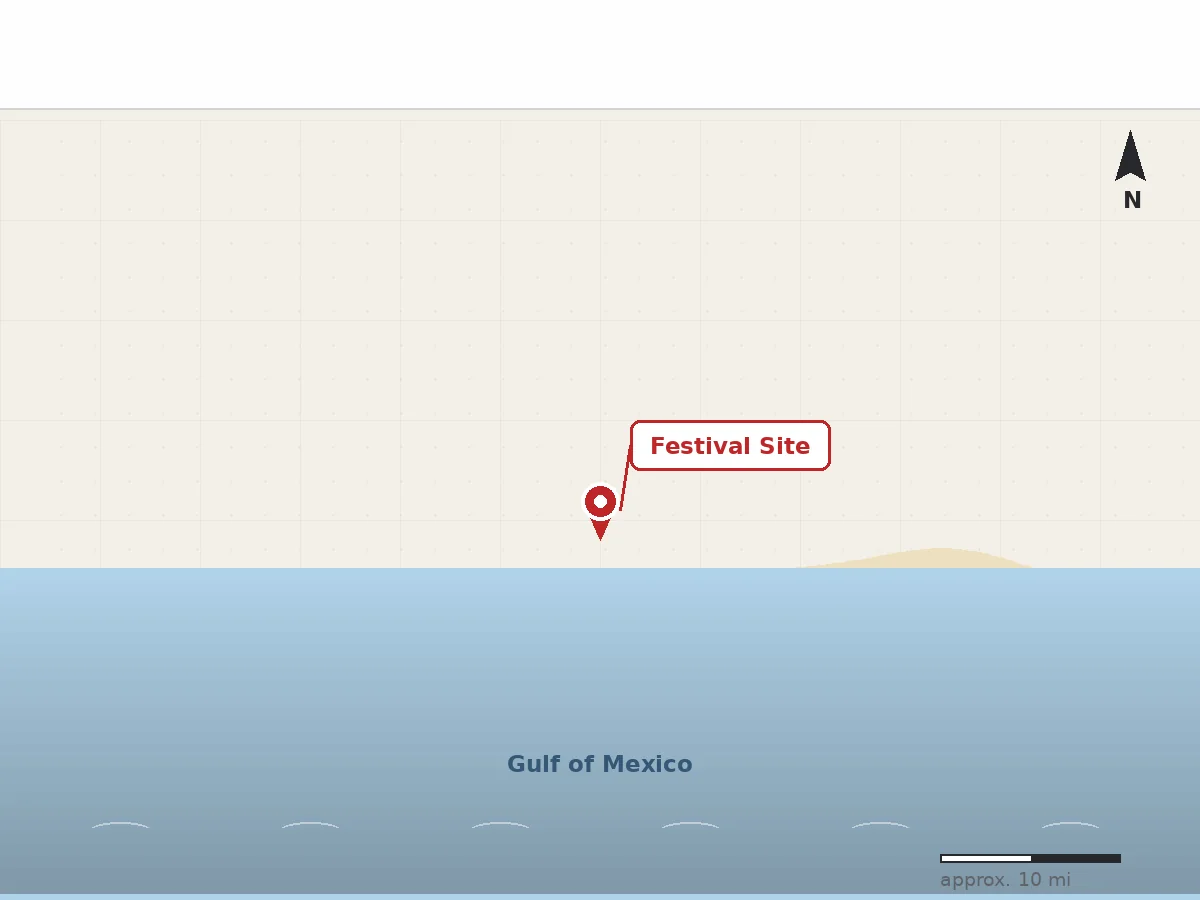
Where the Baltimore County 4-H Fair Sits
The fair takes place on fairgrounds in Baltimore County’s northern farm country, within a short drive of Towson and the Hunt Valley corridor.
Baltimore County 4-H Fair Questions, Answered Plainly
Do I have to be a 4-H family to attend?
No. The fair is open to the public, and most people who walk through the gate have no club connection at all. Free entry in most years makes it an easy stop for anyone curious about what the county’s 4-H clubs have been building, baking and raising.
When is the best time to arrive?
Mornings are calmest, coolest and easiest for parking, and that is also when many livestock classes are judged. If you want the evening atmosphere with music and a fuller midway, arrive in the late afternoon and expect company.
Is the fair suitable for toddlers and grandparents?
Yes, with a little planning. The grounds are flat but spread out, so a wagon or stroller helps, and the barns and exhibit halls offer plenty of seated breaks. Bring water, plan around the hottest part of the day, and treat the parking walk as part of the outing.
What happens if it rains?
Late-summer storms in central Maryland are usually brief. Show schedules may pause, and grassy parking can get soft, but the fair generally carries on with indoor exhibits, food booths and barn activity. Waterproof shoes and a jacket turn a washout into a minor inconvenience.
What’s Next for the Baltimore County 4-H Fair
The fair’s future depends on the same things it always has: enough volunteers, enough club members and enough families willing to spend a hot August weekend in a barn. As the county grows, the fair’s audience keeps expanding even as its agricultural base narrows, which makes its role as a teaching event more important than a showcase.
Expect the format to stay familiar — show rings, food booths, exhibits and a midway — while programs evolve toward the interests of a generation that grew up closer to a shopping center than a pasture. Whether a kid arrives with a goat or a robotics project, the fair has a table for it.
Last updated: October 2026
For a few days each August, Baltimore County does something unusual for a place with 854,535 residents and a 682-square-mile footprint: it slows down and looks at what its young people made. Go for the pit beef, stay for the show ring, and you will understand why the same families have been marking this weekend on the calendar for generations.