Ascension Parish Louisiana Gonzales Jambalaya Festival
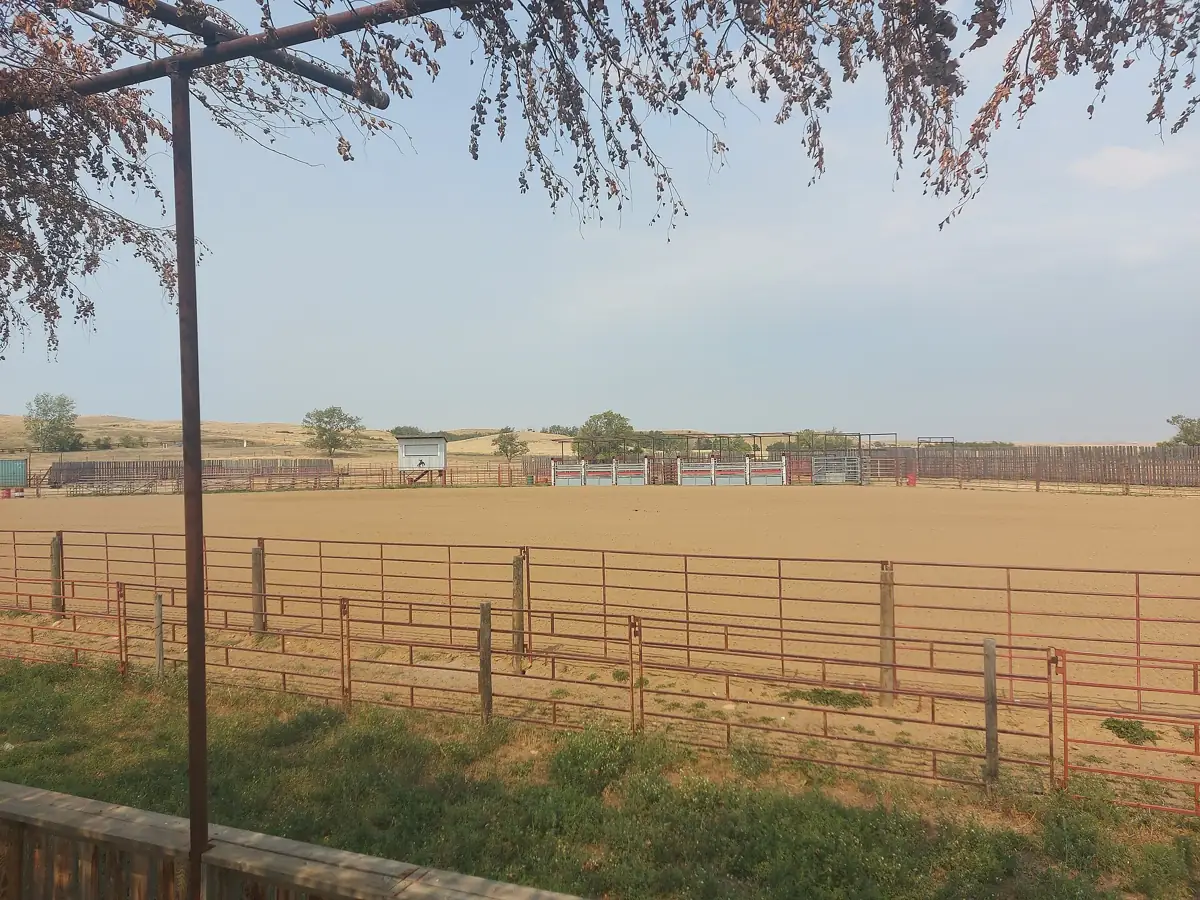
By the time late spring settles over Ascension Parish, the air around Gonzales carries a smell locals can identify from a block away: onion, bell pepper, and celery hitting a hot cast-iron pot, followed by the slow bloom of smoke from wood fires. The Gonzales Jambalaya Festival turns that everyday south Louisiana ritual into a full-scale celebration, pulling home cooks, competition teams, and hungry families into the Ascension Parish area for a weekend built around the state’s most democratic one-pot dish.
Part cook-off, part street fair, part family reunion, it is one of the clearest expressions of what this corner of Louisiana values — good rice, strong seasoning, live music, and a reason to stand outside with people you like. What follows covers what the celebration is, how it fits the parish’s story, and how to plan a trip around it.
Gonzales Jambalaya Festival: Key Details for Trip Planning
| Town and area | Gonzales, in the Ascension Parish area of Louisiana |
| County and seat | Ascension Parish; Donaldsonville is the county seat |
| Population | 126,500 (2020 census) |
| Land area | 303 square miles |
| Founded | 1807 |
| Region | South Louisiana, on the corridor between Baton Rouge and New Orleans |
| Typical timing | Late spring, usually on a weekend in May |
| Admission | Free to attend in most years |
| Setting and features | Outdoor grounds with jambalaya cooking stations, live music, food booths, and family activity areas |
| Organizer | Community volunteers and local civic groups |
The Rice-and-Smoke Heart of Ascension Parish
Ascension Parish is a 303-square-mile stretch of river land and prairie founded in 1807, with Donaldsonville as its seat and roughly 126,500 residents counted in the 2020 census. Gonzales sits near the middle of that geography, close enough to the Mississippi River to feel its history and close enough to the interstate to feel the growth of the Baton Rouge metro area pressing outward.
Jambalaya is the region’s signature one-pot cooking, and the local version leans brown: meat seared first, rice folded in to absorb the drippings, no tomato required. Families argue about the finer points the way other places argue about barbecue. The festival takes that friendly argument public, inviting cooking teams to set up, fire their pots, and let judges and crowds decide whose rice comes out separate, seasoned, and just smoky enough.
Because the event is generally free to enter, the day belongs to anyone who shows up. You wander, you buy a bowl or two, you listen to music, and you end up talking to a stranger about how much sausage is too much sausage. That open, unhurried character is the whole point.
How Jambalaya Became Gonzales’ Signature Celebration
Long before anyone built a stage in Gonzales, jambalaya was fundraising food. Church halls, fire departments, school groups, and family reunions across Ascension Parish relied on a borrowed burner and a rented pot to feed a crowd and pay a bill. The dish traveled with Acadian, Creole, African, German, and Spanish threads that shaped south Louisiana cooking, and it adapted to whatever meat a household had on hand.
As the parish grew through the twentieth century, that kitchen tradition became something worth showing off. Cooking competitions gave local cooks a stage, and the competition grew into a public festival with music, vendors, and a weekend rhythm that the Gonzales area still keeps. The parish’s own timeline stretches back much further — founded in 1807, with Donaldsonville serving as the seat of government ever since — but the festival belongs to the more recent era when Ascension Parish cooking stepped out of the backyard.
What has not changed is the core ritual. Teams still arrive before daylight, still argue over the right ratio of rice to liquid, and still feed whoever lines up. In that sense the festival is less a reinvention of local culture than a public reading of it.
What a Jambalaya Weekend in Gonzales Actually Feels Like
Expect heat, smoke, music, and a crowd that moves slowly on purpose. The grounds are outdoors, the schedule runs from morning into the evening, and the best moments tend to be unplanned conversations near a cooking station.
Pots, Paddles, and Bowls of Jambalaya
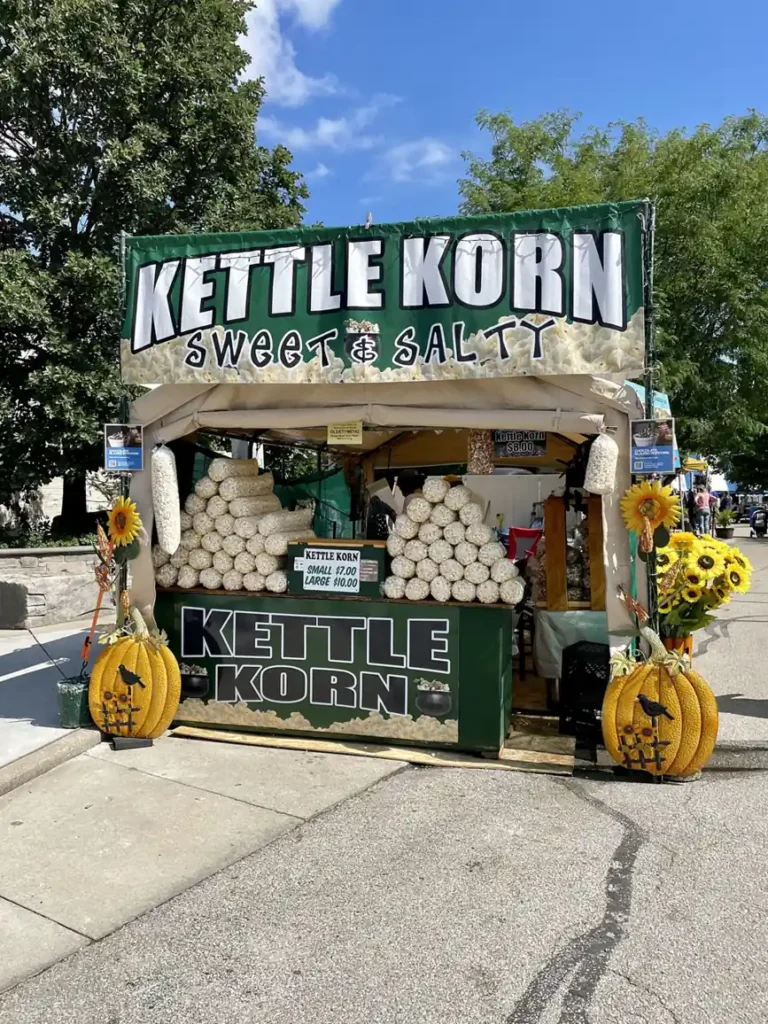
Food is the anchor. Competition teams work oversized cast-iron pots over open flame, stirring with long wooden paddles for hours while judges score aroma, rice texture, seasoning, and meat. Around them, vendors sell bowls of chicken and sausage jambalaya, plus the wider Louisiana fair circuit of gumbo, boudin, crawfish, and sweets. Portions are generous, and the good pots run out. Eat early, then eat again later.
Cajun, Zydeco, and Swamp-Pop on the Stage
Live music keeps the grounds moving, with accordion, fiddle, and electric guitar trading places across the day. Expect dance-floor regulars who know the two-step, a mix of regional bands and local favorites, and a volume level that rises as the afternoon cools. Bring a folding chair if you plan to camp out near the stage, and keep an ear out for the evening sets, when the crowd is thickest and the dancing is best.
Kid-Friendly Corners and Family Contests
The festival is built for families, and children are everywhere. Activity areas give younger visitors something to do beyond eating, craft and merchandise booths offer shade and browsing, and contests and demonstrations put local cooking skill on display in a way kids can follow. Strollers work better in the morning than at dusk, and a change of clothes is wise if sweets are involved.
Planning a Late-Spring Trip to Ascension Parish
Driving In from Baton Rouge, New Orleans, and Beyond
Gonzales sits on the Interstate 10 corridor between Baton Rouge and New Orleans, with Airline Highway offering a slower parallel route through the parish. Both directions get busy on festival weekends, especially mid-morning and again after the evening music ends. If you are coming from out of state, flying into Baton Rouge or New Orleans and renting a car is the simplest approach, since the grounds and surrounding towns are best explored by vehicle.
Where to Sleep Near Gonzales and Donaldsonville
The Gonzales area has the densest cluster of interstate-side hotels, which puts you minutes from the action. Prairieville and the Baton Rouge fringe add more options a short drive away. Donaldsonville, the parish seat, offers a quieter base with historic streets and a river-town atmosphere roughly half an hour out. Book early for festival weekends; this is a popular stretch of Louisiana in late spring.
Parking and Traffic Around the Grounds
Parking is typically handled through designated lots and marked areas near the festival grounds, with volunteers directing traffic. Arrive before the lunch rush for the easiest spot, carpool if your group can manage it, and never leave a vehicle on private property without clear permission. Expect a walk of several minutes from lot to gate, and wear shoes you do not mind getting dusty.
What a Jambalaya Weekend Costs
Admission is generally free, which makes the festival an easy stop for families and casual visitors. Your spending goes to food, drinks, desserts, merchandise, and any rides or activities. Bring some cash for smaller vendors and tip jars, though cards are widely accepted. Set a food budget before you arrive — the temptation to try three different pots is real.
Late-May Heat, Humidity, and Afternoon Storms
South Louisiana in late spring means temperatures that climb fast, humidity that lingers, and a decent chance of a brief afternoon thunderstorm. Dress light, bring a hat, drink more water than you think you need, and keep sunscreen handy. A compact rain jacket or umbrella earns its place in your bag. Most showers pass quickly, and the grounds usually dry out and fill back up.
A Sample Festival Weekend in the Gonzales Area
Friday evening: Arrive in Gonzales, check in, and head to the grounds as the first music sets begin. Walk the food lines, pick one pot to try, and get oriented before the weekend crowds arrive. Finish with a nightcap at your hotel and an early bedtime.
Saturday: Get there by mid-morning to watch the cooking teams work and to taste before the popular pots sell out. Spend the hot middle of the day in the shade with live music, then eat a second small meal from a different vendor. Stay for the evening headliner and the dancing.
Sunday morning: Take a slower start with coffee, then drive to Donaldsonville to see the parish seat and its historic riverfront streets. Return to the festival for a final bowl of jambalaya before the afternoon wind-down and the drive home.
Gonzales Versus Nearby Louisiana Celebrations
Donaldsonville, the Ascension Parish seat, offers a different flavor of the same region: quieter streets, river history, and architecture rather than crowds and cook-off smoke. Baton Rouge, a short drive west, trades festival intimacy for a bigger restaurant and museum scene.
Elsewhere in south Louisiana, the Andouille Festival in LaPlace and the strawberry celebration in Ponchatoula show how each community claims its own specialty. Gonzales claims rice and smoke. If you are festival-hopping across the region, Gonzales works best as the food-focused anchor of a weekend, with the smaller historic towns filling out the edges.
Your Gonzales Jambalaya Weekend Checklist
Confirm the current year’s dates and hours before you travel, since timing shifts slightly. Reserve lodging early; pack light, breathable clothing, a hat, sunscreen, and a rain layer. Bring cash for small vendors, a folding chair for stage-side sitting, and a refillable water bottle. Wear closed shoes you can walk in on grass and gravel. Arrive before lunch, eat from at least two different pots, and leave the cooler at home unless the rules say otherwise. Charge your phone, screenshot a map in case the signal gets crowded, and plan a designated driver if you are drinking.
Beyond the Booths: Ascension Parish Between Events
The parish rewards a slower look. River-road drives reveal plantation-era sites, cane fields, and levees along the Mississippi. Donaldsonville, the seat since the parish’s 1807 founding, holds a compact historic district worth an afternoon. Local restaurants serve jambalaya, gumbo, and plate lunches year-round, and the swamp and wetland landscapes south of the interstate offer birding, boating, and photography.
Because the parish spans 303 square miles and holds about 126,500 residents, you can move from a crowded festival ground to a quiet backroad in twenty minutes. Build in that contrast and the weekend feels twice as long.
Why the Jambalaya Pot Still Matters in Gonzales
The festival does more than feed people. It keeps a skill alive — seasoning by feel, reading rice by sound and smell — and hands it to younger cooks who might otherwise never learn it. It gives civic groups a reason to organize and neighbors a reason to show up for each other. In a parish growing as quickly as Ascension, that shared ritual is a stabilizer, a yearly reminder that the area’s identity is not only new subdivisions and commuter traffic but also a pot, a fire, and a line of people waiting.
Where Gonzales Sits in Ascension Parish
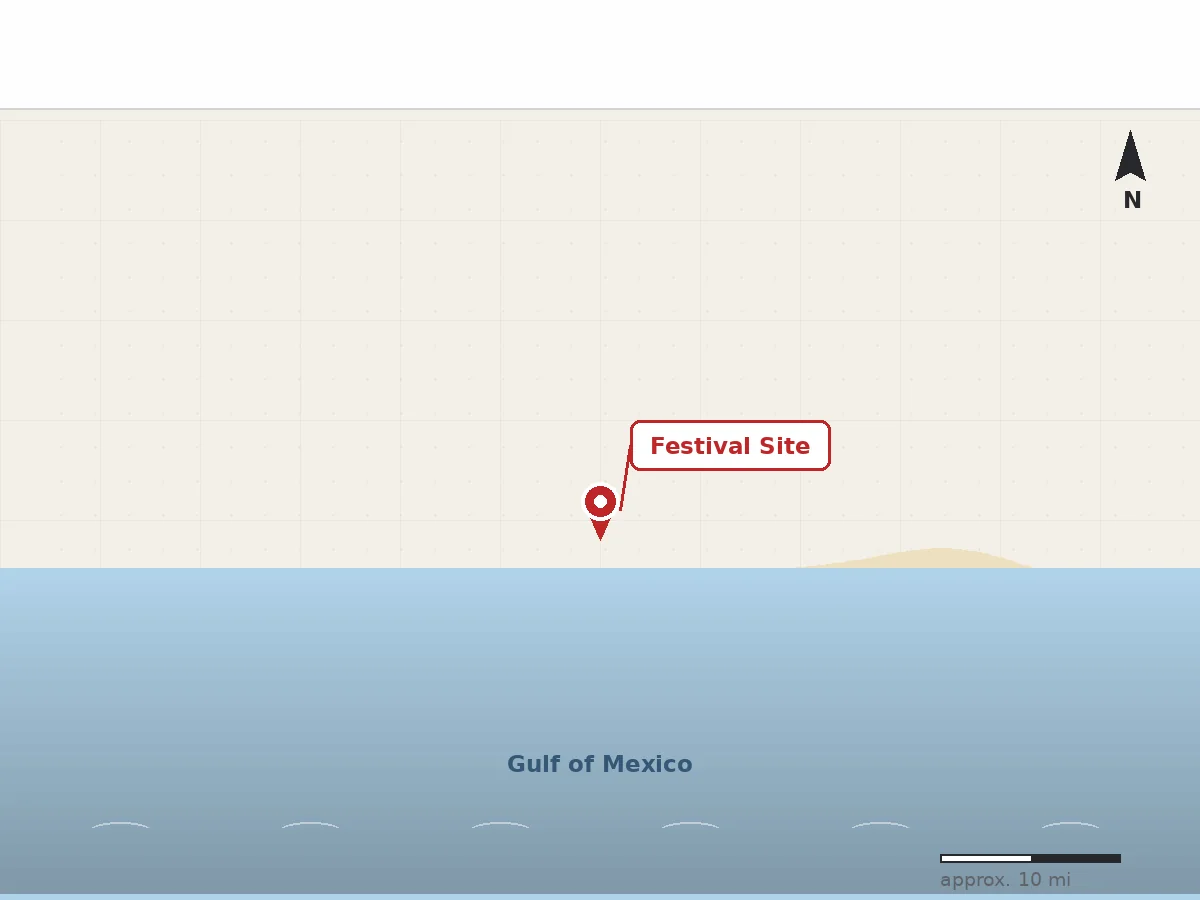
The Gonzales Jambalaya Festival takes place in the Gonzales area of Ascension Parish, Louisiana, along the Interstate 10 corridor between Baton Rouge and New Orleans.
Gonzales Jambalaya Festival Questions, Answered
When does the Gonzales Jambalaya Festival usually take place?
It is a late-spring event, typically held on a weekend in May. Exact dates move from year to year, so check current local listings before booking travel or lodging.
Is admission free?
Admission is generally free in most years. You pay for food, drinks, merchandise, and any rides or activities, so bring a budget and a little cash for smaller vendors.
What is the difference between brown and red jambalaya?
Brown jambalaya, the style most associated with this part of Louisiana, browns the meat first and lets the rice absorb those drippings without tomato. Red jambalaya, more common in some other regions, builds its color and flavor with tomato. You will mostly find the brown version around Gonzales.
Is the festival good for young children?
Yes. It is an outdoor, family-oriented event with activity areas, food that most kids will eat, and plenty of space to move around. Go earlier in the day for cooler temperatures and lighter crowds.
The Next Chapter for Jambalaya in Ascension Parish
As Ascension Parish keeps growing, the festival faces the same balancing act as the region itself: welcoming newcomers while protecting the traditions that made the place worth moving to. The likeliest path forward is continuity — volunteer-run cooking competitions, free entry, live regional music, and space for families — with small adjustments for heat, traffic, and crowd flow. Younger cooks stepping into competition teams are the best sign that the pot will keep simmering.
Last updated: October 2026
If you go, go hungry and go early. The Gonzales Jambalaya Festival is not a spectacle you watch from a distance; it is a meal, a dance, and a conversation happening all at once, in a parish that has been cooking this way for a very long time.