Marion County Indiana Talbot Street Art Fair Festival
Marion County, Indiana, was founded on April 1, 1822, and the 403.01 square miles of the county have been gathering people in public ever since — first around courthouse squares and market stalls, later along streetcar lines and neighborhood sidewalks. Long before anyone thought to line a residential block with easels and canvas tents, this was a place where a painter could set up a folding chair and count on a crowd by noon.
Indianapolis, the county seat, sits at the middle of that story, and the Talbot Street Art Fair is one of its clearest living heirs. Once a year, a stretch of street in a historic neighborhood just north of downtown closes to traffic and fills with juried artwork. For a weekend, the block behaves like a gallery with shade trees, front porches, and the smell of food vendors drifting between the booths.
This guide covers what the fair is, how it fits into two centuries of Marion County history, and how to build a weekend around it — including where to park, what to eat, and what to do when the Indiana summer turns on you.
Talbot Street Art Fair Essentials for Marion County Visitors
| Town / area | The Marion County area, anchored by Indianapolis |
| County | Marion County, Indiana |
| County seat | Indianapolis |
| Population | A major metropolitan county and the state’s largest urban center |
| Region | Central Indiana |
| Typical timing | A weekend in early summer, most often in June |
| Admission | Free to enter; artwork and food are purchased individually |
| Setting | Open-air, street-level fair in a historic neighborhood near downtown |
| Features | Juried fine art and craft booths, live entertainment, food vendors, family activities |
| Organizer | Local arts volunteers and community partners |
Inside the Talbot Street Art Fair
The Talbot Street Art Fair is a juried outdoor art show, which means every exhibitor has been reviewed and accepted before a single tent goes up. That screening is the reason the mix feels curated rather than random: ceramics and glass, jewelry and metalwork, painting and printmaking, photography, fiber, wood, and sculpture, all made by hand and sold by the people who made it.
Because the fair takes over a residential street rather than a convention hall, the experience is unusually relaxed. You walk a few blocks, stop when something catches your eye, talk to the artist about a glaze or a printing technique, and keep moving. There is no turnstile, no timed entry, and no pressure to rush a purchase — the whole point is browsing at the pace of a summer afternoon.
For another look at how a community turns its own traditions into a gathering, see the Marion County Indiana State Fair Festival for a useful comparison.
Artists come from across Indiana and the wider Midwest, and the roster shifts from year to year, so regular visitors see familiar names alongside newcomers. Prices range from small, gift-friendly pieces to serious statement work, and most booths handle both cash and card. Volunteers staff the fair, which keeps the atmosphere neighborly and the admission free.
From an 1822 County Seat to a Juried Street Show
When Marion County was founded on April 1, 1822, its future capital was still a platted grid on paper, surrounded by farmland and threaded with creeks. The county grew around that grid — first as a government and market town, then as a rail and manufacturing center, and eventually as a metropolitan county of 403.01 square miles with neighborhoods radiating out from the Mile Square.
Many of the streets where today’s fair unfolds were laid out in the late nineteenth century, when streetcars made it practical to live a short ride from downtown. The result was block after block of substantial homes with deep porches, mature trees, and narrow front yards — an ideal backdrop for an outdoor show, and a neighborhood that later organized to protect its historic character.
Art fairs arrived in American cities in waves, and Indianapolis was no exception. Postwar neighborhood associations, church guilds, and arts leagues began closing streets for weekend shows, borrowing the European idea of the open-air salon and adapting it to American front lawns. The Talbot Street Art Fair belongs to that tradition, growing from a modest neighborhood gathering into a regional destination while keeping its volunteer, walk-up character.
What has stayed constant is the geography. The fair still happens on the street, still depends on residents who agree to give up their parking for a weekend, and still measures success in conversations between artists and passersby rather than in gate receipts.
What a Weekend on Talbot Street Feels Like
Expect a slow-moving crowd, a lot of shade, and a soundtrack that shifts from acoustic guitar to whatever the booth next door is playing. Mornings are calm and best for serious browsing; early afternoons bring families, dog walkers, and the longest food lines.
Food and Drink Between the Booths
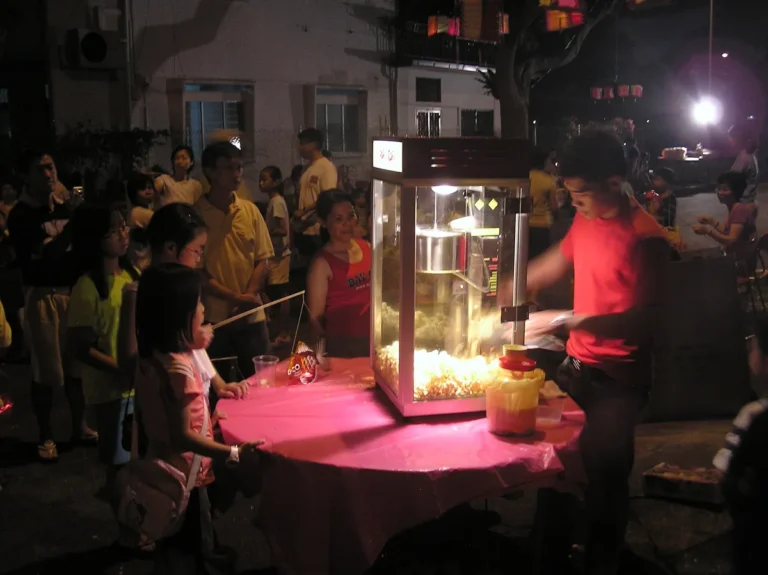
Food at the Talbot Street Art Fair leans on the classics of the Midwest festival circuit: grilled items, hand-cut fries, kettle corn, lemon shake-ups, ice cream, and cold drinks that disappear quickly in June humidity. Vendors set up along the perimeter and in gaps between artist rows, so you are never far from something to eat. Vegetarian options have become more common in recent years, though picky eaters will find the usual fried-and-frozen comfort zone. Because the fair sits close to downtown, plenty of visitors pair a booth lunch with a proper dinner elsewhere in the city later on.
Music, Demonstrations, and Street-Performance Energy
Live entertainment runs through both days, typically from a small stage or a cleared corner where acoustic acts, local bands, and solo performers rotate through the afternoon. Between sets, the real show is often at the booths: potters throwing on a wheel, jewelers setting stones, painters working on a canvas while answering questions. These demonstrations are what separate a juried fair from a shopping mall — you can watch a piece come together and then buy the finished version a few feet away.
Family-Friendly Corners for Younger Visitors
Children are welcome, and the street layout means strollers can roll without fighting staircases or narrow aisles. Expect hands-on art activities, chalk and craft tables, and the simple thrill of a closed street where kids can walk in the middle of the road. Parents should plan on shade breaks, water bottles, and a firm agreement about how many handmade toys are coming home.
Planning a Marion County Weekend Around the Fair
Getting to the Talbot Street Neighborhood
The fair sits just north of downtown Indianapolis, which makes it easy to reach from almost anywhere in Marion County. Interstate 65 and Interstate 70 both cut through the county, and the neighborhood is a short drive or a reasonable walk from the central business district. Local bus routes serve the surrounding streets, and cyclists can usually find quiet side streets for the final approach.
Where to Stay Near the Fair
Downtown Indianapolis hotels put you within a walk or a short ride of the booths, and several boutique properties sit in the historic districts nearby. Summer is a busy season in the city, with conventions and ballgames competing for rooms, so booking a few weeks ahead is wise. Travelers who prefer space and quiet often look at guest houses and rentals in the surrounding neighborhoods instead.
Parking on Fair Weekend
Street parking near the fair is limited and disappears early, since residents and vendors claim much of it before the gates open. Paid garages downtown and surface lots along the main corridors are the practical option, followed by a short walk. Rideshare drop-offs work well if you arrive before the mid-morning rush, and bicycles are genuinely the easiest vehicle for this event.
Admission, Costs, and What to Bring
Admission to the Talbot Street Art Fair is free, so your budget is really about what you fall in love with. Bring a mix of cash and cards, a tote for purchases, and a willingness to carry whatever you buy rather than leaving it in a hot car. Food, drinks, and any raffles or fundraiser booths are separate costs, and prices vary from booth to booth.
June Weather and How to Handle It
Central Indiana in June means warmth, humidity, and the occasional fast-moving afternoon thunderstorm. Dress in light layers, wear a hat, and carry water. Most fairs of this kind run rain or shine, with artists covering their work during a downpour, so a compact umbrella and a flexible schedule will save the day. Morning hours are consistently the most comfortable.
A Sample Talbot Street Art Fair Weekend
Friday evening: Arrive in Indianapolis and check in downtown. Spend the evening walking a nearby commercial street for dinner, then get an early night — Saturday starts fast.
Saturday morning: Park in a downtown garage and walk to the fair by mid-morning, before the crowd thickens. Work one side of the street end to end, noting booths worth a second pass. This is the best window for talking with artists.
Saturday afternoon: Break for food and live music, then return to the booths you flagged. After the fair, head into the city for a museum, a ballgame, or simply a shaded patio.
Sunday morning: Come back early for demonstrations and any pieces you decided you needed overnight. Follow it with brunch nearby, then an afternoon in one of the county’s parks or cultural institutions before heading home.
How Talbot Street Compares to Other Indiana Art Fairs
The Broad Ripple Art Fair, also in Marion County, spreads across the canal-side village district and carries a bigger, busier feel with more vendors and more foot traffic. The Penrod Arts Fair takes place on the grounds near Newfields and leans formal and patron-focused, with a strong performing-arts component alongside the visual work. In suburban Hamilton County, the Carmel International Arts Festival fills an arts-and-design district with a polished, walkable mix of fine art, craft, and live performance.
What sets Talbot Street apart is intimacy. It is a residential street rather than a commercial district or a museum lawn, the scale is human, and the mood is closer to a block party with excellent taste. If you want sheer volume, go bigger; if you want to actually talk to the person who made the pot you are holding, this is the one.
Packing and Prep Notes for a Talbot Street Weekend
| Cash and a card | Not every booth takes the same payment method |
| Reusable tote or two | Protects prints, ceramics, and small sculpture on the walk back |
| Water bottle and sunscreen | Shade is plentiful but the Indiana sun is not subtle |
| Compact umbrella | Afternoon storms build quickly in June |
| Comfortable shoes | You will cover the same blocks several times |
| Business cards from artists | Useful for commissions and follow-up purchases later |
Beyond the Booths: The Rest of Marion County
The fair is a fine excuse to spend a full weekend in the county. Newfields, home to the Indianapolis Museum of Art, anchors the city’s cultural life with galleries and extensive grounds. The Children’s Museum of Indianapolis is one of the largest of its kind anywhere and pairs naturally with a family fair weekend. Downtown, Monument Circle and the Soldiers and Sailors Monument offer a free, climbable view over the Mile Square.
White River State Park and the Central Canal walkway make for an easy afternoon between museum visits, while the Eiteljorg Museum and the Indiana State Museum cover Western art and state history respectively. Neighborhoods like Mass Ave and Fountain Square handle dinner and evening entertainment, and Garfield Park Conservatory gives you a green escape if the summer heat has worn you down.
Why the Talbot Street Art Fair Still Matters in Marion County
A free, juried art fair on a residential street is a small civic miracle. It requires residents to surrender their parking, volunteers to give up a weekend, artists to gamble on weather, and a city willing to close a road for culture rather than construction. What the county gets back is a low-barrier introduction to collecting art — the kind of event where someone who has never bought an original piece walks away with a hand-thrown mug and a new habit.
It also keeps a historic neighborhood visible and alive. When thousands of people spend a June weekend on those blocks, the case for preserving old houses and mature trees makes itself. The fair is, in that sense, both a marketplace and a statement about what Marion County values.
Where Talbot Street Sits on the Marion County Map
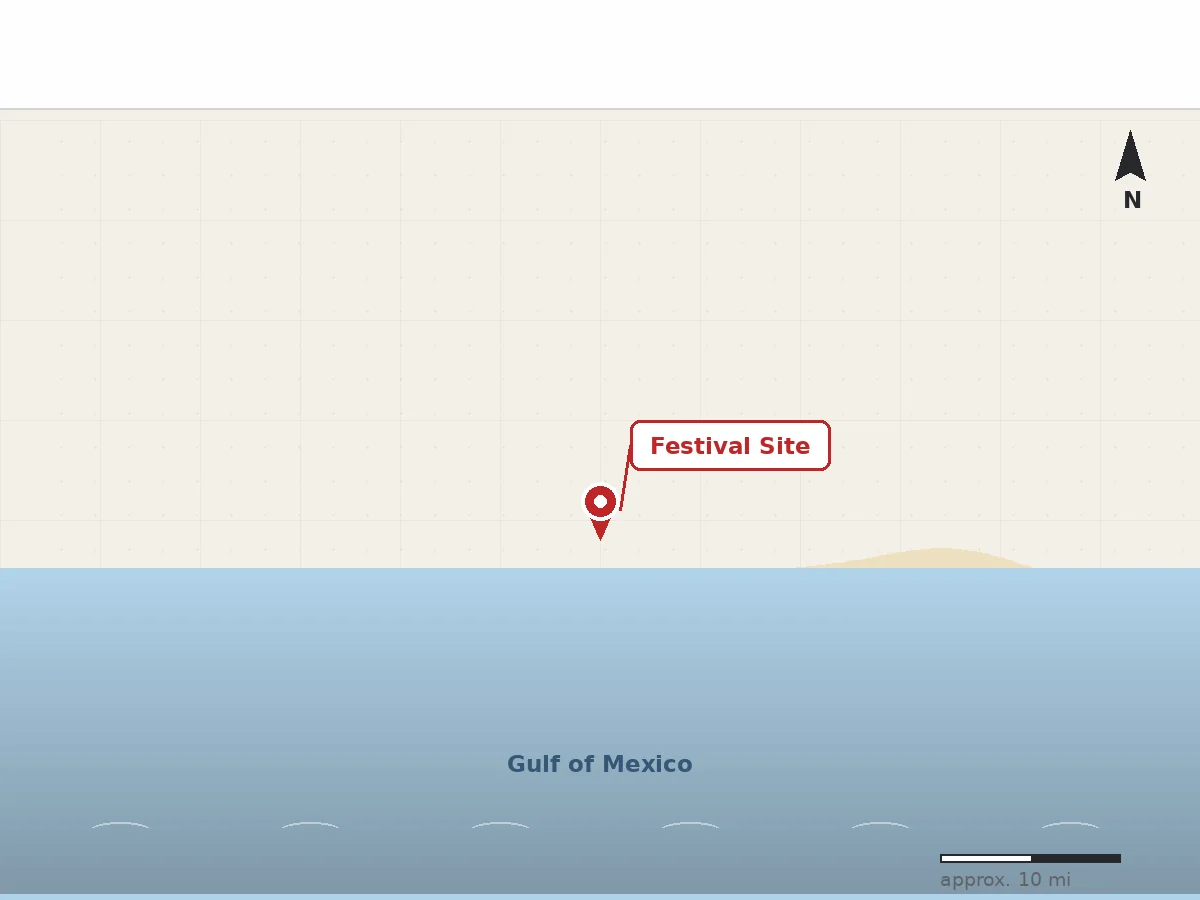
The Talbot Street Art Fair takes place on Talbot Street in the historic neighborhood just north of downtown Indianapolis, within Marion County, Indiana.
Before You Visit Talbot Street: Reader Questions Answered
Is the Talbot Street Art Fair free to attend?
Yes. There is no admission charge to walk the fair and enjoy the entertainment. You only spend money on what you choose to buy from artists and food vendors, which keeps the event accessible to anyone curious enough to show up.
Can I buy the artwork directly from the artists?
That is the whole point of the fair. Every exhibitor is a working artist or maker selling their own work, so purchases go straight to the person who created the piece, and questions about materials, care, and commissions can be answered on the spot.
Is the fair suitable for young children and strollers?
It is one of the more family-friendly formats around. The street is closed to traffic, the pace is slow, and there are hands-on activities aimed at kids. Bring sun protection, water, and a plan for the mid-afternoon meltdown that June heat tends to produce.
What happens if it rains during fair weekend?
Outdoor art fairs in Indiana generally operate rain or shine, with artists protecting their work during passing storms and reopening when the sky clears. Summer showers here are often brief, so waiting it out under a tent or in a nearby café usually pays off.
The Next Chapter for the Talbot Street Art Fair
The fair’s future looks a lot like its past: volunteer-driven, street-level, and dependent on a neighborhood willing to host. The pressures are familiar ones — rising costs for traveling artists, hotter summers that make midday hours harder, and the constant work of recruiting the next generation of exhibitors and organizers. None of these are new problems for community art fairs, and the responses tend to be practical rather than dramatic: earlier hours, better shade, stronger online promotion, and partnerships with local arts groups.
What seems secure is the demand. Marion County keeps growing, downtown keeps drawing visitors, and the appetite for handmade work bought directly from the maker shows no sign of fading. As long as residents keep lending their street for a weekend, the Talbot Street Art Fair will keep doing what it has done for decades — turning a quiet block into the county’s most approachable gallery.
Last updated: October 2026
If you plan a trip around it, plan loosely. The Talbot Street Art Fair rewards wandering more than scheduling: show up early, talk to the people behind the tables, buy the piece you keep circling back to, and leave a little room in the day for whatever Marion County puts in front of you next.
One Comment