Anderson County Kentucky Anderson County Fair Festival
Anderson County Fair Quick Facts: A Bluegrass Snapshot
| Town / place | Anderson County area, Kentucky |
| County | Anderson County, Kentucky |
| County seat | The county’s civic seat and surrounding fair-going communities |
| Population | Small-town and rural; the fair draws from across the county |
| Region | Outer Bluegrass physiographic region |
| Typical timing | Fair season, usually a multi-day run in summer |
| Admission | Typically free to enter; individual rides and vendors may charge separately |
| Setting | Anderson County’s rolling countryside, a 204-square-mile outer Bluegrass county |
| Features | Livestock shows, agricultural exhibits, rides, fair food, live entertainment, community contests |
| Organizer | Local volunteers and agricultural community groups |
Anderson County Fair in the Outer Bluegrass Season
The Anderson County Fair belongs to the rhythm of rural Kentucky: long summer evenings, the smell of fried food drifting across a fairground, livestock bedding down in exhibition barns, and neighbors catching up between the grandstand and the concession stands. Held in the Anderson County area, the fair is a seasonal gathering that reflects the county’s place in the outer Bluegrass physiographic region. Anderson County was founded in 1827 and covers 204 square miles, a landscape of rolling pasture, small communities, and farm roads that shape the fair’s character.
Unlike a big city festival that can feel detached from its surroundings, the Anderson County Fair is rooted in local agriculture and community life. Its timing follows the summer fair season, when county fairs across Kentucky become meeting places for farm families, students, local businesses, and visitors from nearby towns. The event is typically free to enter, though individual rides, vendors, and some activities may charge their own fees. That open-gate feeling matters: it keeps the fair accessible and lets people come and go as they please.
The fair’s setting is part of its appeal. Anderson County sits in the outer Bluegrass, a region known for its pastureland, horse farms, and agricultural heritage. The fairgrounds atmosphere fits that identity, with space for exhibits, competition, food, and entertainment. Visitors should expect a community-scale event rather than a sprawling commercial exposition. The focus stays on local participation: young exhibitors, civic groups, church and school organizations, and families who make the fair part of their summer tradition.

How the Anderson County Fair Grew with the County
Anderson County’s story begins in 1827, when the county was founded in Kentucky’s outer Bluegrass. Agriculture quickly became the backbone of local life, and in rural counties across the state, fairs emerged as a way to share knowledge, compare livestock, celebrate harvests, and bring scattered communities together. The Anderson County Fair grew from that broad tradition. It was not created in isolation; it belongs to a generations-long habit of marking the agricultural year with a public gathering.
In the 19th and 20th centuries, Kentucky county fairs became more organized. Exhibitors brought vegetables, canned goods, baked items, livestock, and handmade crafts. Schools and clubs added displays. Grandstands hosted music, horse events, and community programs. Over time, rides and concession stands became part of the expected fair experience. The Anderson County Fair followed a similar path, adapting to changing tastes while keeping its agricultural core.
For another look at how a community turns its own traditions into a gathering, see the Anderson County Kansas Anderson County Fair Festival for a useful comparison.
Today, the fair remains a link between the county’s rural identity and its modern community life. Anderson County’s 204 square miles include working farms, commuter neighborhoods, and small-town centers, and the fair reflects all of them. It is a place where a livestock show can sit beside a carnival ride, where a local band can share the evening with a pie contest, and where longtime residents and newcomers can find common ground. That mix is the fair’s history in action.
Tastes, Tunes, and Family Traditions at the Anderson County Fair
Bluegrass Fair Food and Farm-Fresh Flavors
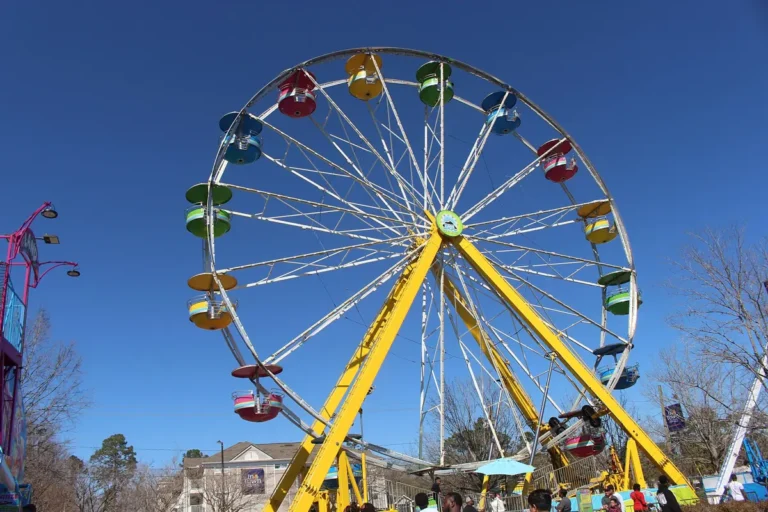
Fair food is part of the ritual. Expect the classic lineup: funnel cakes, corn dogs, burgers, fries, lemonade, cotton candy, and local favorites that vary by vendor. In an agricultural county, food also connects to the surrounding landscape. Seasonal produce, homemade baked goods, canned preserves, and community-group meals often appear at county fairs, giving visitors a taste of what local kitchens and farms do well. The fair is not a fine-dining destination, but it is a place where food is shared, casual, and tied to memory.
Music, Tunes, and Entertainment at the Anderson County Fair
Live entertainment gives the fair its evening energy. Depending on the year, visitors may find local bands, country and bluegrass musicians, gospel groups, talent shows, or community performances. The fairgrounds can also host contests and demonstrations that keep the schedule moving between grandstand events and informal stages. The entertainment is usually family-friendly and community-based, which means the person singing or introducing the next act might be a neighbor. That local flavor is part of why the fair feels different from a touring festival.
Family Activities and Agricultural Exhibits
Families will find plenty to fill an afternoon or evening. Livestock shows, agricultural exhibits, craft displays, youth projects, and community competitions are central to the fair’s purpose. Children can often enjoy rides, games, and hands-on experiences that connect them to farming and rural life. The fair is also a social space: a place to run into classmates, extended family, and neighbors. For many Anderson County families, the fair is not a one-time outing but a yearly reunion wrapped inside a summer tradition.
Planning Your Trip to the Anderson County Fair
Getting to the Anderson County Area
The Anderson County Fair takes place in the Anderson County area of central Kentucky, within the outer Bluegrass region. Most visitors arrive by car, using local roads that connect the county’s small communities and rural routes. If you are coming from outside the county, plan your route around the fair’s seasonal schedule and allow extra time in the evening, when traffic builds near the grounds. A paper map or offline navigation can be helpful in rural stretches where cell service may vary.
Where to Stay Near Anderson County
Anderson County is a rural county, so lodging options are limited compared with larger Kentucky cities. Visitors often stay in nearby Bluegrass communities or make the fair a day trip from home. If you are traveling a longer distance, look for inns, bed-and-breakfasts, or chain hotels in the surrounding region, then drive into the county for the fair. Booking early is wise during summer fair season, especially on weekends when local events and family visits overlap.
Parking at the Anderson County Fair
Parking at county fairs is usually straightforward but can be busy at peak times. Arrive earlier in the evening for the best choice of spaces, and follow the directions of volunteers or signage once you near the grounds. Carpooling with friends or family can reduce congestion and make the trip easier. Keep in mind that fairground parking may be on grass or gravel, so comfortable shoes are a good idea even before you reach the gate.
Admission and Costs for the Anderson County Fair
Admission to the Anderson County Fair is typically free, though rides, food, games, and some special activities may have separate costs. That structure makes the fair easy to enjoy at different budgets: you can wander the exhibits and enjoy the atmosphere without spending much, or buy ride wristbands and fair treats for a bigger family night out. Bring some cash for vendors, but expect many to accept cards as well.
Weather and What to Wear in Anderson County
Summer in the outer Bluegrass can be warm and humid, with occasional thunderstorms. Dress for outdoor walking: light clothing, comfortable shoes, sunscreen, and a hat. An evening layer can help after sunset, and a compact rain jacket is useful if storms roll through. Check the local forecast before you go, and be prepared for fairgrounds that may be dusty, grassy, or damp depending on recent rain.
A Sample Weekend at the Anderson County Fair
Start with the opening evening. Arrive before the busiest dinner rush, walk through the exhibit barns, and get a feel for the layout. Grab fair food, then find a seat for the evening’s entertainment. This is a good time to see livestock projects, browse community displays, and let younger children enjoy a few rides before the crowd thickens.
The first full day can be the most active. Come back in the afternoon for agricultural exhibits, competitions, and demonstrations. If the fair offers a grandstand event, plan your day around it. Use the middle hours to sample different food vendors and visit the craft or business booths. In the evening, stay for music or a community program, then take a slow loop through the grounds as the lights come on.
On the closing day, focus on anything you missed. Check the schedule for final livestock shows, awards, or family activities. Many visitors use the last day for a relaxed visit: a late lunch, a few rides, and a final walk through the exhibits. Before leaving, take a moment to enjoy the fairgrounds atmosphere, because the quiet after the fair is part of the season too.
Comparing the Anderson County Fair with Nearby Kentucky Traditions
The Anderson County Fair sits within a wider circuit of outer Bluegrass county fairs, where agriculture, local food, and community entertainment are the main draw. Compared with larger urban festivals, it is smaller and more rooted in the county’s farm calendar. Compared with other rural county fairs, it shares the same livestock shows, exhibit halls, and carnival energy, but its identity comes from Anderson County’s particular landscape and people.
Visitors who enjoy the Anderson County Fair may also appreciate nearby Bluegrass town celebrations, river-community summer festivals, and other county agricultural fairs across central Kentucky. Each has its own personality: some lean heavily into music, others into horse events, crafts, or food. The common thread is a seasonal gathering that brings people together after the work of spring and early summer. Anderson County’s version is modest, local, and deeply tied to its 204-square-mile rural setting.
Anderson County Fair Day: What to Pack and Remember
Pack light but smart: comfortable shoes, sunscreen, a hat, a refillable water bottle, and a rain jacket. Bring cash for small vendors and rides, even if cards are widely accepted. Check the fair schedule before leaving home so you know when livestock shows, entertainment, and special activities begin. If you have children, agree on a meeting point in case you separate. Keep an eye on the weather, and remember that fairgrounds can be uneven or muddy after rain. Most of all, leave room in your plans to slow down and talk with people; the fair is as much a social event as a spectacle.
Beyond the Anderson County Fair: Exploring the Bluegrass
The fair is a fine reason to spend time in Anderson County, but the surrounding outer Bluegrass rewards a slower look. County roads wind past pastures, barns, and small communities where the agricultural year is visible in the landscape. Visitors can enjoy local diners, farm stands, and small-town shops, then take a scenic drive through the countryside. The region’s identity is tied to farming, and even a short detour can show why the fair’s livestock exhibits and agricultural contests matter so much.
If you are making a weekend of it, pair the fair with a drive through the Bluegrass and a stop in one of the nearby communities. The area’s charm is not in big attractions but in the everyday scenery: fencerows, hayfields, creek bottoms, and the kind of quiet that makes a summer evening feel longer. After the fair, that landscape stays with you.
Community Threads Woven Through the Anderson County Fair
The Anderson County Fair matters because it gives the county a shared calendar moment. In a place founded in 1827 and shaped by 204 square miles of outer Bluegrass farmland and small towns, community can easily become scattered across school districts, churches, farms, and commuter routes. The fair pulls those threads together. It is where a child’s first livestock project is applauded, where a grandmother’s canned goods are judged, where local groups raise funds, and where neighbors catch up after a busy season.
It also keeps agricultural knowledge visible. Many residents are generations removed from daily farm life, yet the fair still teaches through exhibits, animals, and competitions. That educational role is quiet but important. The fair does not just entertain; it reminds people where food comes from, how local effort builds community, and why rural traditions are worth carrying forward.
Anderson County Fairgrounds: Location and Local Orientation
The Anderson County Fair takes place in the Anderson County area of Kentucky’s outer Bluegrass, where local roads lead fairgoers to the community fairgrounds.
First-Timer Notes for the Anderson County Fair
What time of year is the Anderson County Fair usually held?
The fair is typically held during the summer fair season, usually as a multi-day event. Exact dates vary by year, so check local announcements as the season approaches.
Is the Anderson County Fair free to attend?
Admission is typically free, though rides, food, games, and some activities may charge separately. That means you can enjoy the exhibits and atmosphere at little cost, or budget more for carnival rides and treats.
What should I bring to the Anderson County Fair?
Bring comfortable shoes, sunscreen, a hat, water, and a rain jacket. Cash is useful for small vendors, and a tote bag can help with any purchases or giveaways. If you plan to stay into the evening, add a light layer for after sunset.
How does the fair reflect Anderson County’s agricultural roots?
Anderson County was founded in 1827 and lies in the outer Bluegrass physiographic region, where farming has long shaped local life. The fair reflects that heritage through livestock shows, agricultural exhibits, youth projects, and community competitions that keep rural skills and traditions in view.
Looking Ahead for the Anderson County Fair
The future of the Anderson County Fair will likely depend on the same things that have sustained it for generations: local volunteers, agricultural families, community groups, and fairgoers who value a hometown summer tradition. As Anderson County changes, the fair has a chance to be both a bridge to its rural past and a gathering place for new residents. Keeping it accessible, family-friendly, and rooted in local participation will be key.
Visitors can help by attending, supporting vendors, and respecting the fairgrounds and the people who make the event happen. Whether the fair grows or stays intentionally small, its value lies in the shared experience: the lights, the livestock, the music, and the familiar faces. For a county of 204 square miles in the outer Bluegrass, that is no small thing.
Last updated: October 2026
The Anderson County Fair is a summer tradition worth planning around, not because it tries to be the biggest event in Kentucky, but because it does something more lasting: it brings a rural county together under the same evening sky. Come for the food and rides, stay for the exhibits and music, and leave with a better sense of what makes the Anderson County area feel like home.

One Comment