Allen Parish Louisiana Allen Parish Fair Festival
The Allen Parish Fair belongs to the piney, spread-out middle of Louisiana — the country between Lake Charles and Alexandria where towns are small, roads are two lanes, and a fair still pulls in everyone within driving distance. It is a real parish fair, not a polished tourist production: you park on grass, eat food cooked by people who live down the road, and stand close enough to the stage to hear the amps hum.
This guide is written for the first-timer. It covers what the fair is, how it fits into Allen Parish, what to expect once you are through the gate, and how to plan a trip without wasting a day. Details shift from year to year, so treat everything here as orientation rather than gospel — and confirm the current schedule locally before you drive.
Allen Parish Fair: The Short Version for First-Timers
| Town / place | Allen Parish area, centered on the parish seat at Oberlin |
| County (parish) | Allen Parish, Louisiana — founded 1912 |
| County seat | Oberlin |
| Population | 22,750 (2020 census) |
| Region | Southwest Louisiana |
| Typical timing | Autumn, in most years |
| Admission | Typically free to enter; rides, games, and food cost extra |
| Setting | Rural fairgrounds surrounded by farmland and pine woods |
| Features | Typically includes agricultural and livestock exhibits, a midway, food stalls, and live local entertainment |
| Organizer | Locally run by Allen Parish community volunteers and parish organizations |
A First-Timer’s Read on the Allen Parish Fair
Allen Parish is big and thinly populated: 766 square miles and about 22,750 residents as of the 2020 census, with Oberlin as the county seat. That math explains the fair’s role. In a parish this size, people are used to driving twenty or thirty minutes for groceries, a ballgame, or a haircut, so an event that gathers everyone in one place for a few days becomes a genuine social occasion rather than a neighborhood block party.
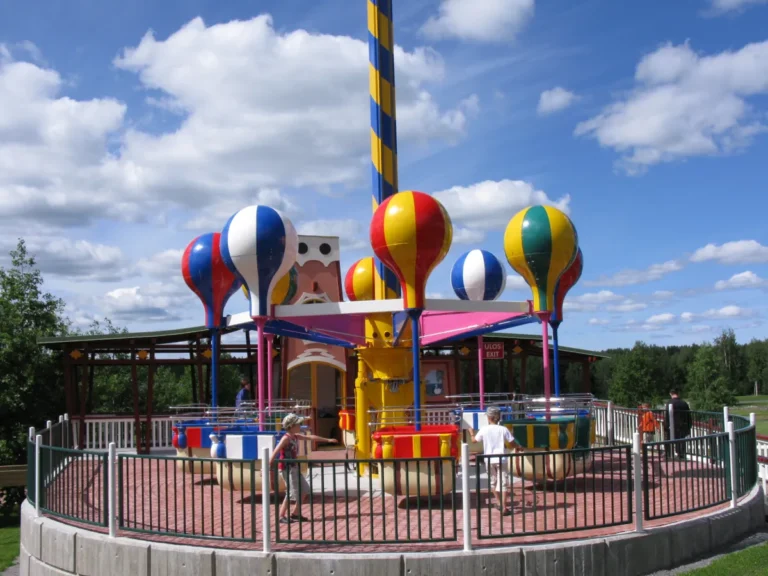
The fair itself is a classic Louisiana parish fair. Expect a fairground with an exhibit hall, a livestock area, a midway of rides and games, food stalls, and a stage that stays busy into the evening. Expect a crowd heavy on families, teenagers moving in packs, and older couples who have been coming since they were children. Admission to the grounds is typically free, with money changing hands for rides, games, and food rather than at the gate.
For a first visit, the smartest approach is to arrive in the late afternoon, walk the grounds once while it is still light, eat before the longest lines form, and then settle in for the evening entertainment. That rhythm — daylight for looking, darkness for eating and listening — is how most locals do it.
A Parish Founded in 1912 and the Fair Tradition That Followed
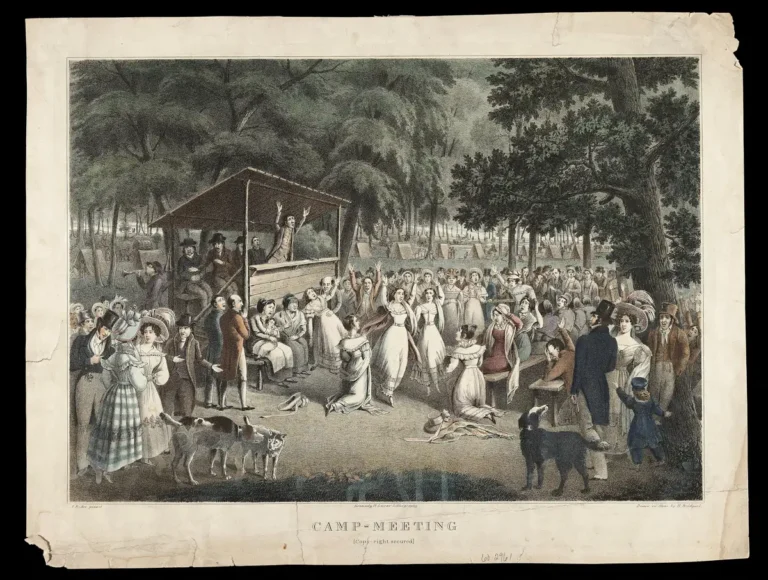
Allen Parish was founded in 1912, with Oberlin as its seat, making it one of the younger parishes in a state whose boundaries were drawn and redrawn over more than a century. Parish fairs arrived in Louisiana through the same door as farm bureaus, livestock shows, and extension work: rural families needed a place to compare what they raised and grew, and communities needed an excuse to gather after harvest.
The Allen Parish Fair grew out of that tradition, and its persistence says something about the place. The parish economy has shifted over the decades — timber, farming, ranching, and eventually the employment that came with the tribal casino development near Kinder — but the fair’s basic bargain has not changed. Exhibitors still bring what they made and raised, families still come to look at it, and vendors still fry things that arguably should not be fried.
What you see today is the accumulated result of that continuity: an event refined by generations of volunteers rather than redesigned by consultants.
The Sights, Sounds, and Smells of Fair Week in Allen Parish
Walk in and the fair announces itself before you see much of it: diesel from the generator trucks, sugar hitting hot oil, a bass line drifting off the stage, and the low murmur of a crowd that is mostly related to each other somehow.
Fair Food With a Southwest Louisiana Accent
Food is the reason a lot of people come. Parish fairs in this corner of Louisiana usually run a long menu of the classics — boudin, gumbo, jambalaya, cracklins, corn dogs, funnel cakes, snowballs, and sweet tea by the gallon. Church groups and civic organizations often run their own booths, and that is where the best cooking tends to hide. Bring cash, since smaller booths may not take cards, and eat early if you want to beat the longest lines.
Music, Stages, and Local Talent
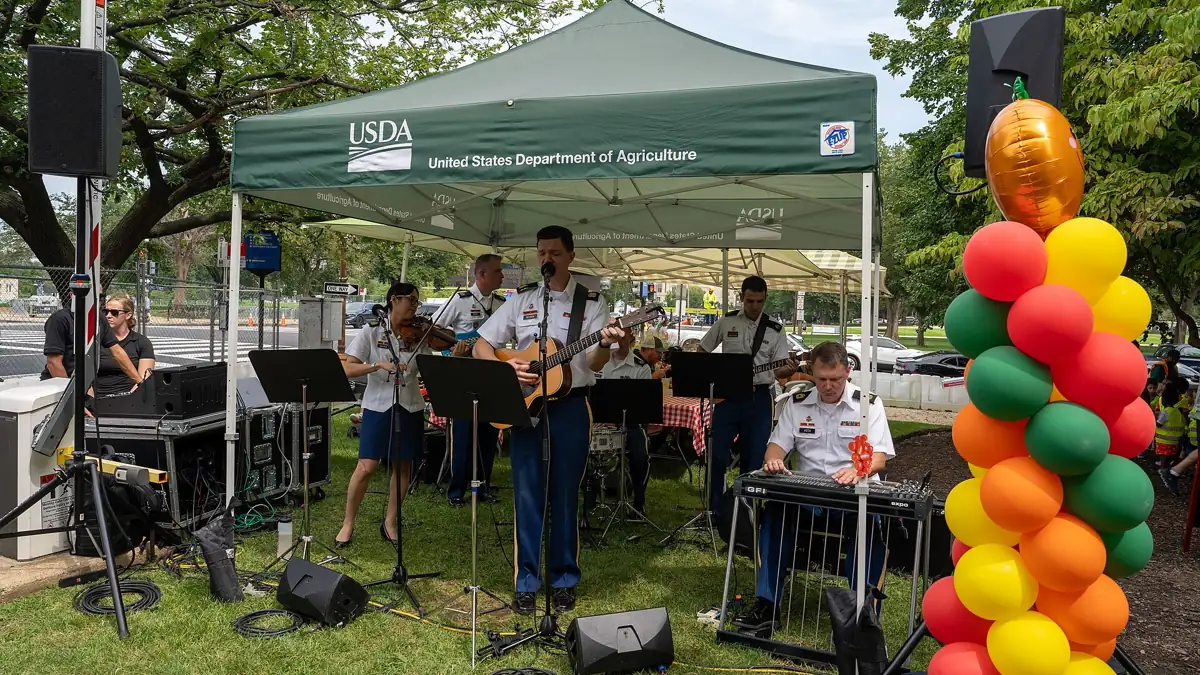
Evenings belong to the stage. Expect a mix of country, swamp pop, and Cajun or zydeco influences, along with regional bands, school groups, and the kind of talent-show performances that fill a fairground with the performers’ entire extended families. The music is part of the fair’s social function: it gives everyone a reason to stay after the exhibit halls close.
Kid-Friendly Corners and Family Grounds
For children, the fair is mostly about the midway, the games, and the animals. Livestock barns are the sleeper hit with younger kids, who will happily watch a heifer for twenty minutes. Strollers work fine on the main paths but struggle on grass and gravel after a rain, so pack with that in mind.
Planning Your First Trip to the Allen Parish Fair
Allen Parish rewards planning more than most festival destinations, because services are thin between towns and cell coverage can be spotty in the piney stretches.
Getting to the Oberlin Area
Most visitors arrive by car, and there is no realistic public transit option. U.S. 165 runs through the parish, and Louisiana 26 links the Oberlin area to surrounding towns. From Lake Charles the drive is a little over an hour; from Alexandria it is roughly the same. The nearest commercial airports are in the Lake Charles and Alexandria areas, so renting a car is part of the plan if you are flying in.
Where to Sleep Near Allen Parish
Lodging inside the parish is limited. There is a resort hotel near Kinder, plus small independent motels in Oakdale and the surrounding towns, and these fill quickly during fair week. A practical alternative is to stay in Lake Charles or Alexandria and drive in for the day, treating the trip as a Louisiana road day rather than an overnight festival stay.
Parking on Grass and Gravel
Parking at parish fairs is almost always free and almost always on grass, arranged by volunteers who wave you into a spot with more confidence than precision. Arrive before the evening rush if you want a short walk, watch for soft ground after rain, and note a landmark near your car — rows of pickup trucks look identical after dark.
Admission, Ride Tickets, and Cash
Entry to the grounds is typically free, so your spending concentrates on rides, games, and food. Midway operators usually sell individual tickets or armbands, and food vendors set their own prices. Carry more cash than you think you need; card readers are common but not universal at small booths, and the nearest ATM may be a drive away rather than a short walk.
Autumn Heat, Humidity, and Rain Chances
Autumn in southwest Louisiana is not autumn anywhere else. Days can still push into the eighties with heavy humidity, evenings turn genuinely pleasant, and rain is always a possibility. Dress in light layers, wear closed shoes you do not mind getting muddy, and bring insect repellent — the mosquitoes have not read the calendar.
Two Days, One Fair: A First-Timer’s Weekend in Allen Parish
Friday: arrive mid-afternoon, park, and walk the grounds before the crowd builds. Tour the exhibit hall, look at the livestock, and get the layout straight. Eat dinner from a vendor around six, stay for the evening music and the midway lights, and leave before the parking area turns into a traffic jam.
Saturday: return mid-morning for the parts that are better in daylight — livestock judging, exhibits, demonstrations, and a calmer family atmosphere. Eat lunch at a different booth than you did Friday. Take an afternoon break when the heat peaks, then come back for the final evening of music and rides.
Sunday: if the fair runs into the weekend’s end, this is the mellowest stretch — smaller crowds, easy parking, and the best window for actually talking with exhibitors. It is also the smartest time to buy food to take home.
How the Allen Parish Fair Compares With Nearby Louisiana Festivals
Allen Parish sits within an hour or so of several much larger celebrations. The rice festival in Crowley, the cotton festival in Ville Platte, and the Cajun music festival in Mamou all draw wider crowds and lean harder into a single theme or genre.
The Allen Parish Fair differs in kind rather than degree. It is smaller, more agricultural, and more local — a fair in the old sense, where the exhibits matter as much as the entertainment. If you want a big street festival with regional headliners, those other towns deliver. If you want to see how a rural Louisiana parish actually spends a week in autumn, this is the better introduction.
The First-Timer’s Allen Parish Fair Checklist
— Fill the tank before you get close; gas stations thin out.
— Bring cash in small bills.
— Wear closed shoes and light layers.
— Pack insect repellent and a rain jacket.
— Charge your phone and screenshot your directions in case coverage drops.
— Confirm the current schedule locally before driving.
— Set a meeting point with your group; dark parking lots swallow people.
Beyond the Fairgrounds: Exploring Allen Parish
The fair is a good excuse to see the parish rather than just pass through it. Oberlin, the county seat, is a small courthouse town worth a slow loop. Oakdale and Kinder are the other main stops, each with its own rhythm and its own local places to eat.
The land itself is the attraction: 766 square miles of pine woods, pastures, and two-lane roads, with the tribal community near Kinder and Elton adding a cultural thread most Louisiana visitors never encounter. Give yourself an extra hour to drive a back road with no particular destination. That is the part of Allen Parish people remember.
What the Allen Parish Fair Means to a 766-Square-Mile Parish
With roughly 22,750 people spread across 766 square miles, Allen Parish does not get many occasions when it is all in one place. The fair is one of them. For exhibitors, it is a year’s work judged in an afternoon. For teenagers, it is the social event of the season. For older residents, it is a reunion that happens to have a Ferris wheel attached.
That is the real function of a parish fair, and it is why these events survive in places that never appear on a list of must-see destinations. The fair does not exist to impress visitors. It exists so that a scattered community has a few days when distance stops mattering.
Locating the Allen Parish Fair in Southwest Louisiana
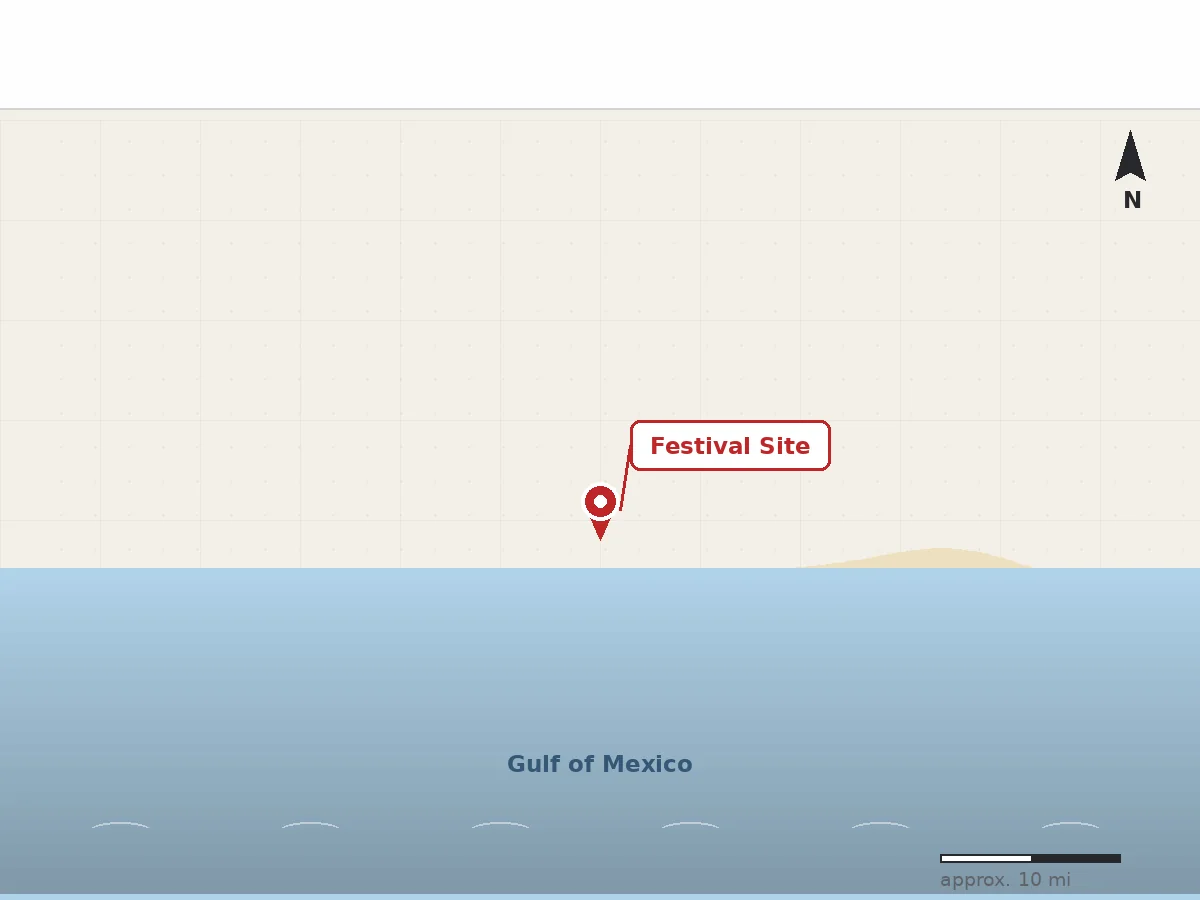
The Allen Parish Fair takes place in the Allen Parish area of southwest Louisiana, with Oberlin serving as the parish seat and the towns of Oakdale, Kinder, and Elton all within easy driving distance.
First-Timer Questions About the Allen Parish Fair, Answered
Is the Allen Parish Fair free to attend?
Admission to the grounds is typically free, and you pay as you go for rides, games, and food. Midway operators and food vendors set their own prices, so budget for spending once you are inside rather than at the gate.
What time of year does the fair usually take place?
It is an autumn event in most years, following the pattern of Louisiana parish fairs that grew out of the harvest season. Because the exact dates can shift, confirm the current schedule with a local source before you make travel plans.
Is the fair a good outing for young children?
Yes, with realistic expectations. The midway, games, livestock barns, and food stalls are all built for families, and the atmosphere stays relaxed. Bring a stroller only if you are comfortable pushing it over grass and gravel, and plan to head out before the late-evening crowd peaks.
Do I need to bring cash?
Bring cash, and bring more than you expect to spend. Many vendors accept cards, but small church and civic booths often do not, and the nearest ATM may be a drive away rather than a short walk.
What’s Ahead for the Allen Parish Fair
Parish fairs survive by adapting without changing what they are. The likely shape of coming years is familiar: the same agricultural core, the same midway, the same volunteers running booths, with gradual updates in scheduling, entertainment, and how vendors take payment.
For a first-timer, that is good news. The fair you read about this year will look much like the fair you attend next year, which is precisely the point. If you are planning a trip, aim for an autumn weekend, check local listings for the current dates, and leave room in your schedule for the drive in and out — the roads through Allen Parish are part of the experience.
Last updated: October 2026
The first visit is the hardest part. After that, the fair becomes a habit — a date you circle, a booth you return to, a stretch of grass where you know exactly where to park. Allen Parish does not advertise loudly, and the fair does not need to. Show up on a warm autumn evening, follow the smell of frying oil and the sound of a band tuning up, and you will understand why this parish has kept the tradition going.