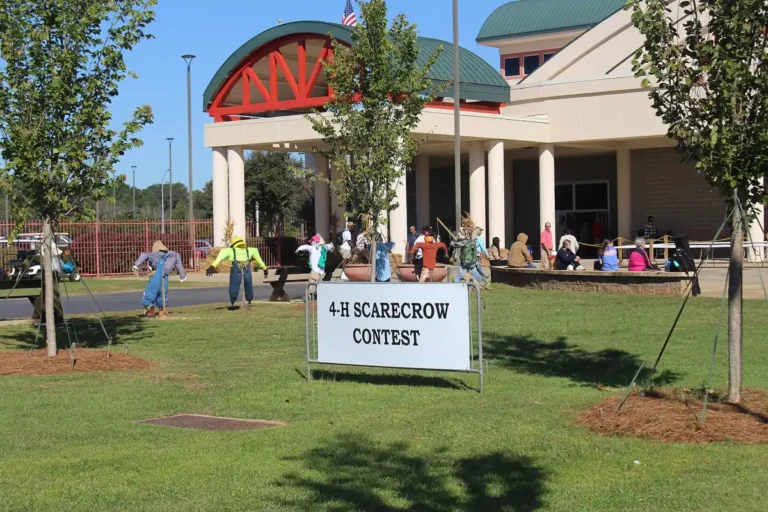
Allegany County Maryland Allegany County Fair & Ag Expo Festival
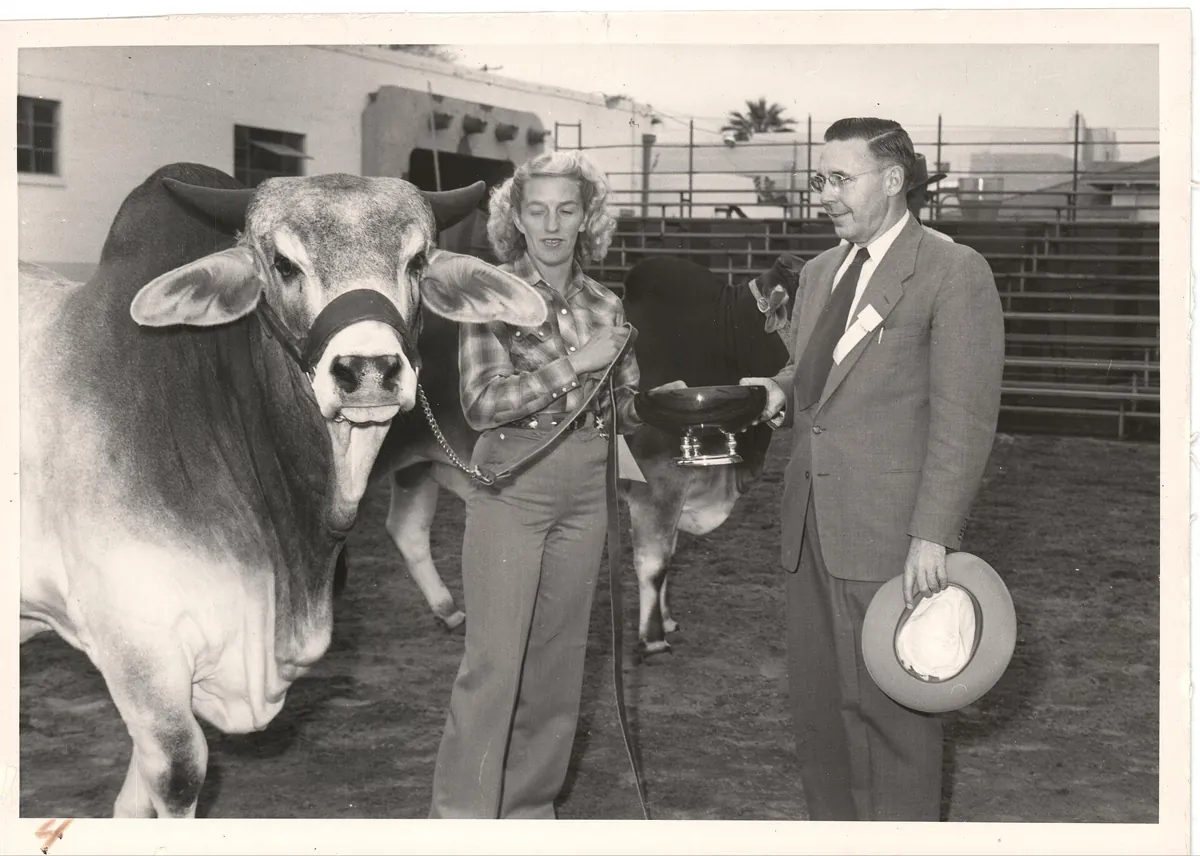
Every late summer, Allegany County, Maryland does something its residents plan their year around: it goes to the fair. The Allegany County Fair & Ag Expo turns one week of the county calendar into a stretch of livestock barns, carnival lights, grandstand noise, and food that only tastes right when you eat it standing up.
Ask people around Cumberland how they do fair week and you get the same answer in a dozen different versions. One family takes the same week off every year: the kids show animals, a parent helps with the tractor pull, and somebody stays back to hold the table. That is the pattern here — not a single afternoon out, but a household shift shared across a county of 68,106 people where most faces at the gate are familiar.
Allegany County Fair & Ag Expo Essentials
| Place | Allegany County area, Maryland |
| County | Allegany County |
| County seat | Cumberland |
| County population | 68,106 (2020 census) |
| Region | Northwestern Maryland |
| Typical timing | Late summer, usually a week-long run |
| Admission | General admission typically free in most years |
| Setting | Rural fairgrounds with barns, midway, and grandstand |
| Signature features | Livestock shows, 4-H and agricultural exhibits, fair food, live entertainment |
| Organizer | Local fair and agricultural volunteers |
Inside the Fair & Ag Expo in Allegany County
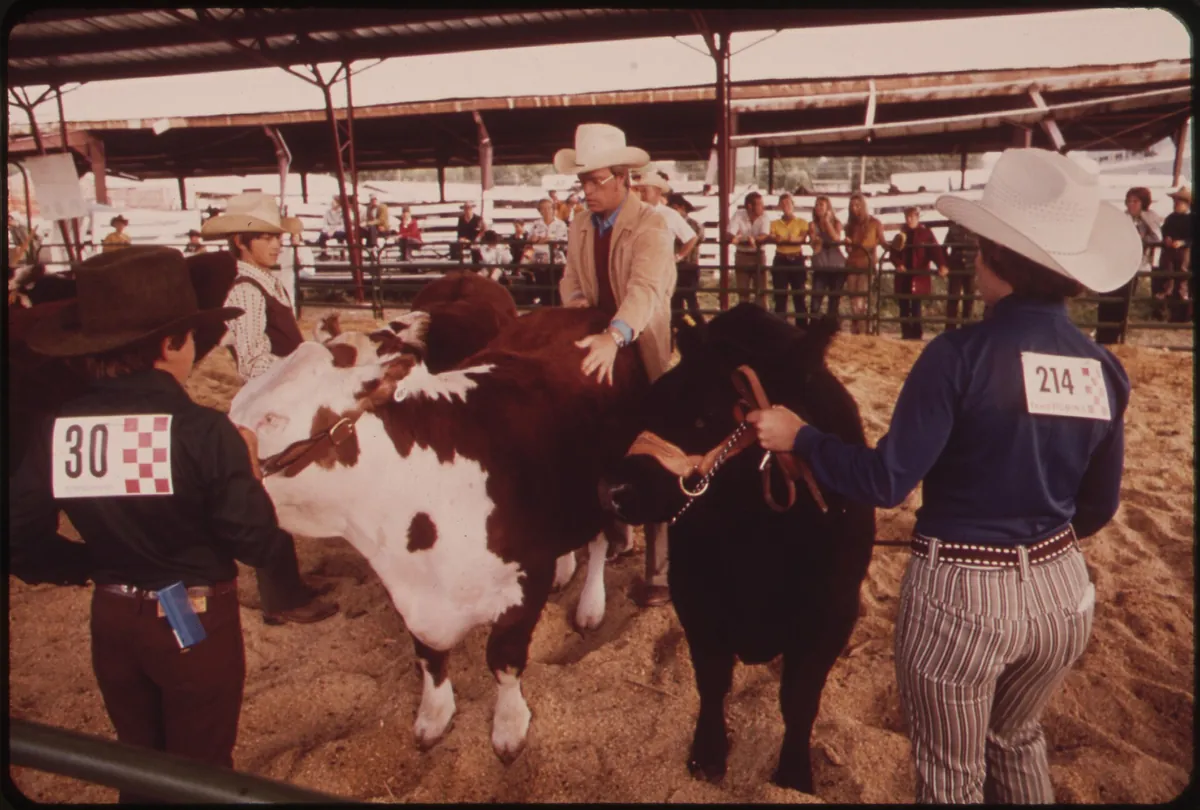
The event is really two things sharing one set of grounds. The fair side is the midway, the grandstand, the games, the funnel cake trailers and the noise that carries across the valley after dark. The Ag Expo side is quieter and, for a lot of local families, the whole point: youth livestock projects, produce and baking entries, canned goods, quilts, farm equipment displays, and the kind of hands-on stations that let a city kid put a hand on a goat for the first time.
That pairing is deliberate. Agriculture built this county, and the expo half of the name keeps the working side of it visible — not as a museum piece, but as something teenagers are still doing for ribbons and, in some cases, for the premium money that goes toward college. You will see the same last names on barn stalls that appeared on entry cards decades ago, and you will see new ones beside them.
Residents describe fair week as the county’s biggest reunion. People who left for work in Baltimore or Pittsburgh drive back over the mountains, park in the grass, and head straight for the barns before they head for the food.
How Fair Week Became an Allegany County Institution
Allegany County was founded on December 25, 1789, with Cumberland as its seat, and its 430 square miles of ridges, river bottom, and narrow valleys have always leaned on farming, orchards, and small-town trade. County fairs in this part of Appalachia grew out of the same impulse that built granges and agricultural societies: farmers needed a place to compare breeding stock, show off a crop, and swap the knowledge that kept a hillside farm alive for another generation.
Over time that purpose widened. Household arts joined the livestock classes. School groups and 4-H clubs became the engine of the exhibit halls. The word “expo” entered the name as the event began teaching as much as it celebrated — soil health, equipment, conservation, and the economics of a farm that has to survive on thin mountain ground.
What has not changed is the rhythm. Fair week still marks the end of summer the way the first frost marks the end of fall, and families still measure the year by it. “We count summers by how many fairs the kids have shown in,” one longtime volunteer says. “That’s just how time works here.”
The Rhythm of a Fair Day in Allegany County
A fair day here has three distinct moods. Mornings belong to exhibitors — buckets, brushes, and quiet barn aisles. Afternoons bring families with strollers and grandparents who want shade and a seat. Evenings are the loud version, when the midway lights come on and the grandstand fills.
Fair Food and the Stands People Return To
The food lineup is the classic county-fair arsenal: hand-cut fries, funnel cakes, kettle corn, pit sandwiches, lemonade in buckets, ice cream, and apple desserts that make sense in a county with this much orchard history. Civic groups and church organizations run many of the stands, which is why the same recipes show up year after year.
Regulars have habits. “I don’t eat lunch on fair day,” a Cumberland grandmother says. “I eat my way down one side of the midway, then I sit and watch the kids ride.” Others go straight to the dairy stand or the pie table before anything else, because those sell out.
Grandstand Nights and Local Bands
Evening entertainment in most years leans local and loud: regional country and rock acts, tribute bands, and the motorsports events that pull a crowd from across the county line. Tractor pulls and arena events draw their own loyal audience, people who arrive early, claim a spot on the rail, and stay through the last class.
Between the scheduled acts, there is music coming from more than one direction — a band on a side stage, a radio playing in a barn aisle, someone’s playlist near the ride line. Nobody plans around all of it. It just becomes the soundtrack of the week.
Family Activities for Allegany County Kids
For younger children, the draw is the animal barns, the petting areas, the rides, and the small competitions built for short attention spans. Older kids gravitate to the games, the food, and the freedom of a fairground after dusk. Parents tend to appreciate the expo hall, where a rainy afternoon can be spent learning something without spending much.
One habit worth copying: pick a meeting point early. “Every year somebody in our family gets separated,” a 4-H parent admits. “Now we say ‘the big barn door’ before we walk in, and it works.”
Planning a Trip to the Allegany County Fair & Ag Expo
Getting There from Cumberland and Around the County
Cumberland, the county seat, is the natural base for a fair visit, and most people arrive by car. The county covers 430 square miles of ridge and valley, so travel times vary depending on which end you are coming from. Build in extra minutes during the early-evening rush, when everyone is heading to the same gate at once.
Where to Stay Near the Fairgrounds
Lodging clusters around Cumberland and the larger communities, with smaller inns and campgrounds scattered through the county. Fair week is a busy stretch, so booking well ahead is smart, especially if you want to stay close rather than commute in from another county. Campers and RV travelers should confirm space early for the same reason.
Parking, Gates, and Daily Logistics
Parking is generally on or adjacent to the grounds, directed by volunteers who have been doing it for years. Carpooling helps. Arriving before the evening peak helps more. Bring a little patience for the exit at closing time, and take a photo of your row marker if the lot is a field.
Admission and What You’ll Spend
General admission is typically free in most years, which is part of why local families treat fair week as an everyday outing rather than a single splurge. Budget for food, rides, games, and any ticketed grandstand events, and carry a mix of cash and card since individual vendors differ.
Late-Summer Weather in the Alleghenies
Expect warm, humid afternoons and noticeably cooler evenings, with thunderstorms possible in this mountain climate. A light layer, water, sunscreen, and closed-toe shoes handle most of it. Mud is a real possibility after a storm, so leave the white sneakers at home.
A Sample Fair Weekend in Allegany County
Day one. Arrive in the late afternoon, walk the barns while they are still calm, eat dinner from the midway, and catch the evening grandstand event. Leave before the final rush and you will beat the parking lot.
Day two. Come back in the morning for the livestock shows and the exhibit halls, when the crowds are thin and the volunteers have time to talk. Spend the afternoon in town, then return for the rides and music after dark.
Day three. Use the final morning for anything you missed — the ag displays, the baked goods table, a last walk through the barns. Wrap up with a slow lunch in Cumberland and call the week done.
How Fair Week Compares with Other Western Maryland Stops
Fair week is not the only thing happening in this corner of the state, and the differences are part of the appeal. Cumberland, the county seat, offers a historic downtown with its own year-round calendar of events and a walkable river setting — a good counterweight to a loud night at the fair.
Frostburg, a mountain college town, runs at a different tempo entirely, with an arts-and-music streak that shows up in its shops and venues. And over in neighboring Garrett County, the autumn season brings its own signature festival culture built around foliage and parades. Allegany’s fair is the summer anchor of that regional circuit: more agricultural, more locally rooted, and more likely to put you in a barn aisle.
Fair-Week Checklist for Allegany County Visitors
Bring cash for small vendors, a refillable water bottle, sunscreen, and a light jacket for after sunset. Wear shoes you can stand in for hours and do not mind getting dusty. Pack a stroller if you have small children, plan a family meeting point, and screenshot the day’s schedule so you are not relying on a signal in a crowded grandstand. If you are showing animals, keep your entry paperwork and a pen handy, plus a cooler and a change of clothes. And charge your phone — you will take more pictures than you expect.
Beyond the Fairgrounds: Allegany County the Rest of the Year
The county rewards a slower visit. Cumberland’s historic downtown is worth a morning, and the Potomac River corridor, including the towpath that follows it, gives walkers and cyclists an easy, flat route through scenery that is anything but flat. Ridge-top drives open up long views across the Alleghenies, particularly once autumn color arrives.
Farm stands and orchards around the county carry the same produce that shows up in the fair’s exhibit halls, which makes a post-fair drive a natural extension of the week. If you came for one night, this is the argument for staying two.
What Fair Week Means to Allegany County
In a county of 68,106 people spread across 430 square miles, gathering everyone in one place is not a small thing. The fair does that work. It is where 4-H members learn to speak to a judge, where volunteer crews test their organizational skills, and where a teenager from one end of the county meets a teenager from the other.
It is also an economic and cultural anchor for a rural county that has been reinventing itself since its founding on December 25, 1789. The Ag Expo half keeps the conversation about farming current rather than nostalgic — and that matters in a place where agriculture is still a livelihood, not a theme.
Where the Allegany County Fair & Ag Expo Takes Place
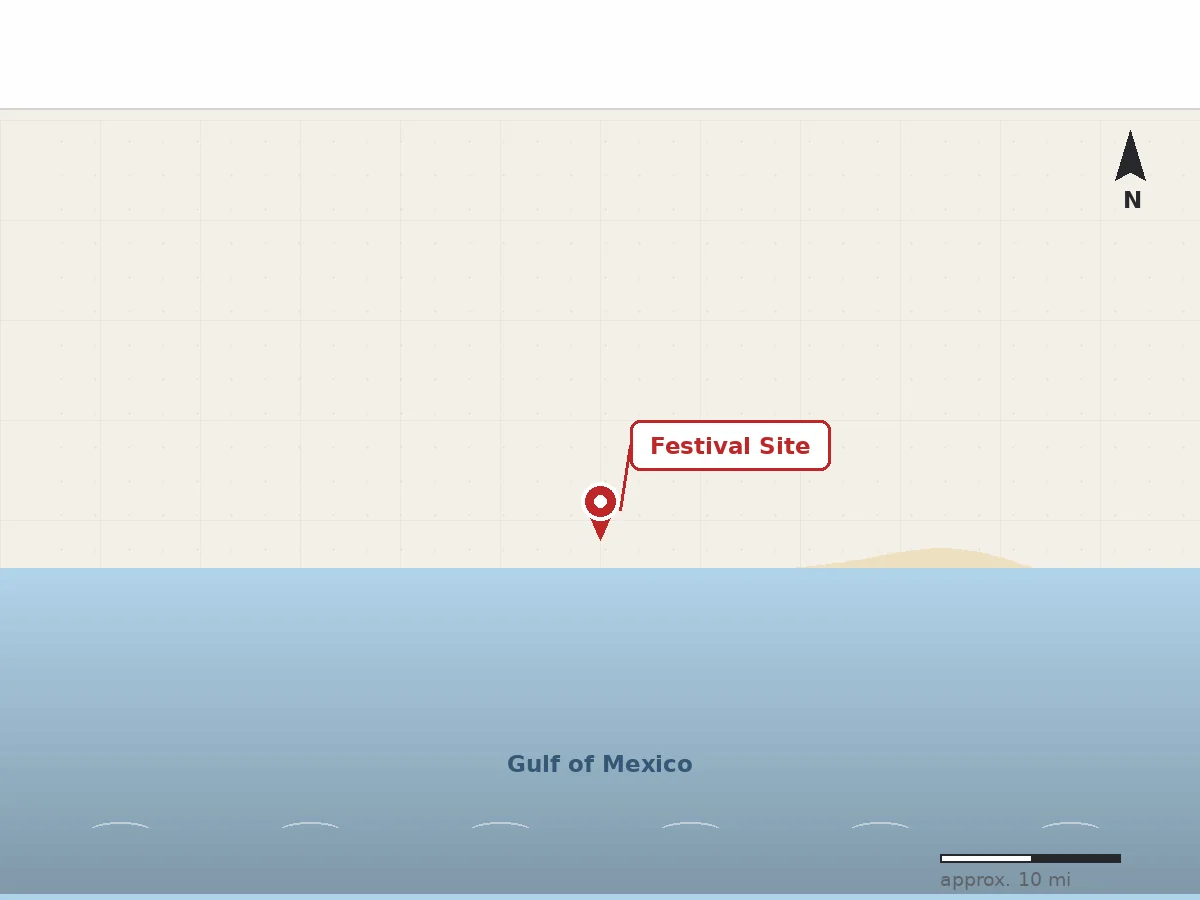
The Allegany County Fair & Ag Expo is held on fairgrounds within Allegany County, Maryland, in the state’s northwestern region, with Cumberland — the county seat — serving as the main gateway for visitors arriving by car.
Visitor Questions About the Allegany County Fair & Ag Expo
When does the fair usually take place?
It is a late-summer event, typically running across about a week in most years. Because the exact dates shift, check the current schedule before you plan travel, especially if you want to catch a specific show, livestock class, or grandstand night.
Do I need to buy tickets in advance?
General admission is typically free in most years, so there is usually nothing to buy just to walk in. You pay as you go for food, rides, games, and any ticketed grandstand events, and individual vendors set their own payment policies.
Is the fair a good fit for young children and older visitors?
Yes. Mornings and early afternoons are the calmest and coolest stretch, the barns and exhibit halls are stroller-friendly, and there is seating around the grounds. Plan around the heat, keep an eye on the weather, and the day works for every generation in the car.
How close is the fair to Cumberland?
Cumberland is the county seat and the most convenient base for a fair visit, with lodging, dining, and services clustered there. From town, the drive to the grounds is short by rural standards — but still a drive, so plan on taking a car rather than walking.
Looking Ahead for the Allegany County Fair & Ag Expo
The fair’s future looks a lot like its present: more emphasis on agricultural education, more hands-on exhibits for visitors who did not grow up on a farm, and continued reliance on the volunteers and youth organizations that keep the week running. As agritourism grows across western Maryland, the expo side of the name is likely to carry more weight, drawing day-trippers who come for the food and leave having learned something about how this county actually works.
What will not change is the habit. Families here will keep taking the same week off, keep showing animals, keep meeting at the big barn door.
Last updated: October 2026
If you go, go more than once. One evening gets you the lights and the food; a second visit, earlier in the day, gets you the county itself — the barns, the exhibits, and the people who have been putting this week together for generations in the mountains of northwestern Maryland.