Honolulu County Hawaii Made in Hawaii Festival
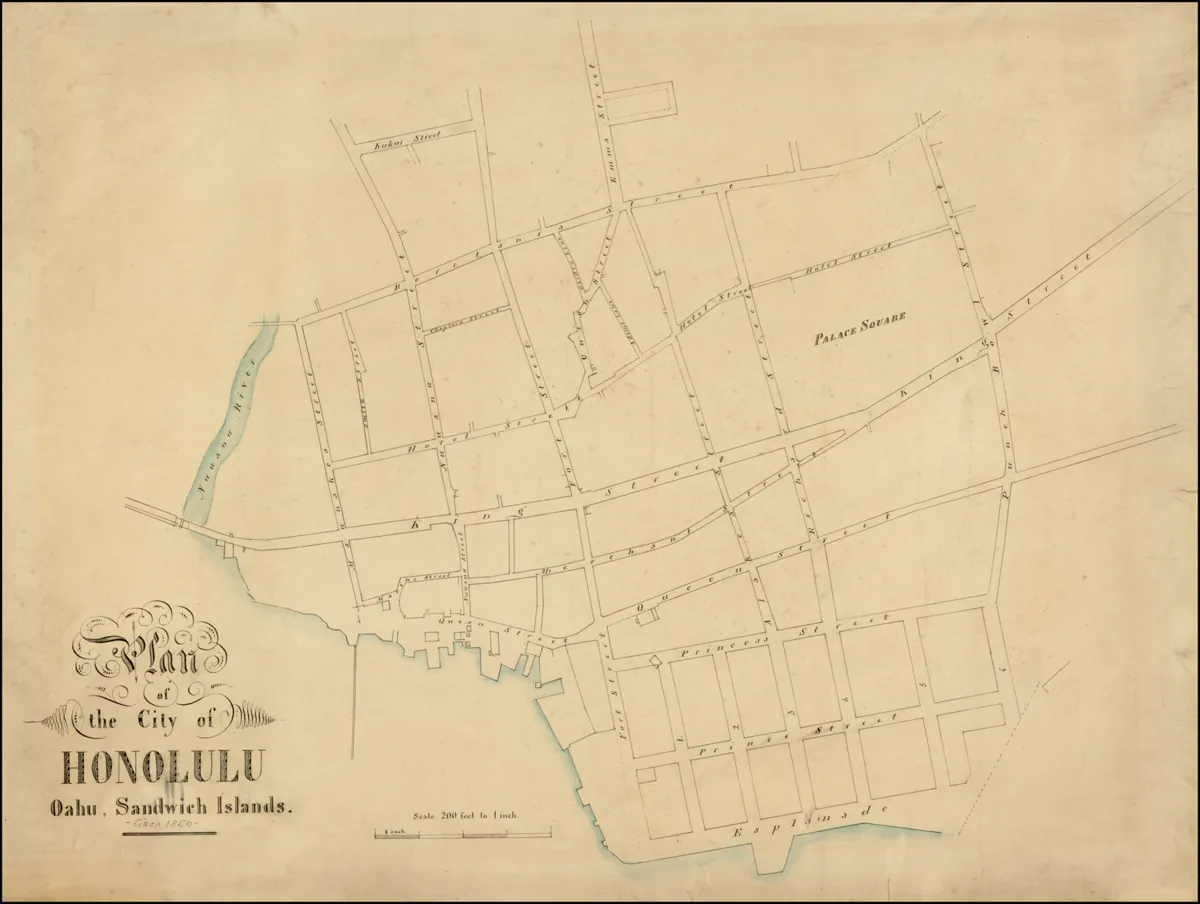
Made in Hawaii Festival logistics snapshot for Honolulu County
| Town / place | Honolulu County area |
| County | Honolulu County, Hawaii |
| County seat | Honolulu |
| Population / land area | 1,016,508 residents; 2,128 sq mi |
| Region | Hawaiian Islands; Honolulu County |
| Typical timing | Annual, often a summer or early autumn weekend; confirm current schedule |
| Admission | Typically free; verify current-year details |
| Setting | Honolulu-area festival venue with maker stalls, food areas, and entertainment space |
| Features | Hawaii-made foods, crafts, art, fashion, music, family activities |
| Organizer | Local maker, small-business, and community partners |
What Made in Hawaii is in the Honolulu County story
The Honolulu County Hawaii Made in Hawaii Festival is a showcase of products, foods, art, and services created in Hawaii. It belongs to Honolulu County, whose seat is Honolulu, and it draws residents and visitors from across the county’s 2,128 square miles. With a county population of 1,016,508, the festival has a large local base and a steady stream of travelers.
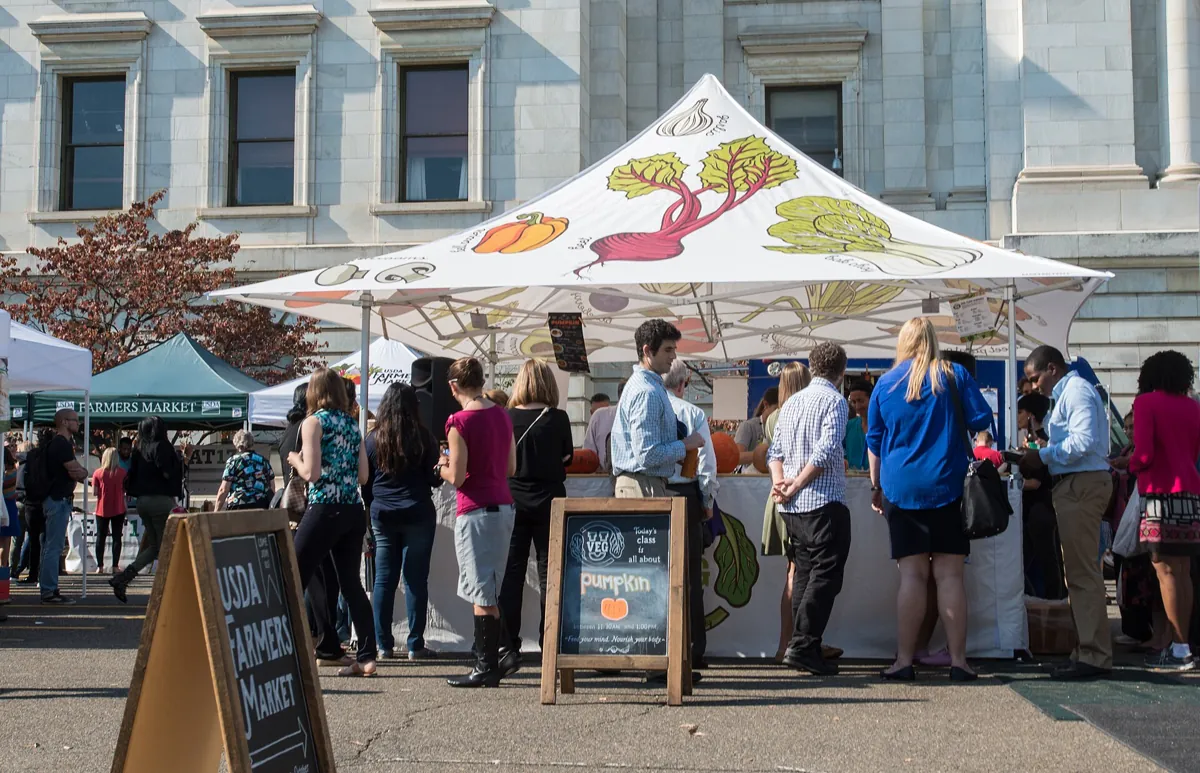
Made in Hawaii is best understood as a marketplace and cultural gathering. Booths feature locally made snacks, sauces, jewelry, apparel, home goods, art, and agricultural products. Shoppers meet makers, taste island flavors, and learn how goods are produced.
For logistics-minded visitors, the festival anchors a Honolulu County weekend. Pair it with beach time, mountain trails, historic sites, and food markets. Plan around traffic, parking, heat, and the fact that a popular maker festival rewards early arrival.
How island makers shaped this Honolulu County tradition
The story of Made in Hawaii is tied to Hawaii’s broader maker economy. The festival grew from a simple idea: bring Hawaii-made products together so residents and visitors can buy directly from the people who make them. Over time, it became a recurring date for food producers, artists, crafters, and small businesses. It reflects Honolulu County’s role as a gathering point for the islands.
The event also mirrors changes in local shopping: more interest in provenance, small-batch production, and products that carry a sense of place. Its purpose is clear in the way it operates today. It creates a short-term market district inside the Honolulu County area, where makers can test products, meet customers, and build relationships. For many small businesses, that face-to-face feedback is as valuable as sales.
The festival also gives visitors a practical alternative to generic souvenirs. Instead of buying a mass-produced item, they can talk with a woodworker, a baker, a farmer, or a designer. That exchange is the real history being written each year.
What to expect at Made in Hawaii in Honolulu County
Expect a busy, colorful, walkable event with food, music, and shopping. Arrive with a plan but leave room for discovery.
Food and drink stalls that define Hawaii-made flavor
Food is a major draw. Vendors may offer plate lunches, tropical desserts, coffees, teas, jams, sauces, snacks, and value-added agricultural products. Portions can be generous, so pacing matters. Bring a reusable bag and a small cooler if you plan to buy perishables. Lines are often longest around midday; eat earlier or later for a calmer experience. Check labels if you have allergies; ingredients can include nuts, shellfish, soy, gluten, and dairy. Cashless payment is common, but a small amount of cash is a sensible backup.
Music, hula, and entertainment stages
Entertainment usually includes Hawaiian music, hula, contemporary island sounds, and cultural demonstrations. Schedules can change, so pick up a program or check current listings when you arrive. The entertainment is not just background; it is a reason to linger. Set up near the stage for a set, then move back into the vendor aisles. If you are sensitive to volume, keep distance or bring ear protection for children.
Family activities and hands-on maker moments
Families can expect a welcoming atmosphere, though crowds and warm weather require attention. Hands-on demonstrations, craft activities, and food sampling can keep children engaged. Strollers are common, but aisles may be tight at peak times. Visit earlier, take a mid-day break, and return for entertainment. Keep kids hydrated and agree on a meeting point in case you separate. If the venue has indoor and outdoor areas, use the indoors for cooling off and the outdoors for eating and live music.
Planning your Made in Hawaii trip around Honolulu County
Honolulu County is large and varied, so logistics matter. The festival is in the Honolulu County area, and many visitors will use Honolulu as their base. Plan for traffic, parking, and heat.
Getting to the Honolulu County festival area
Most travelers arrive by air into Honolulu and then use a rental car, rideshare, taxi, or public transit. If you are staying in Honolulu, rideshare can be simpler than driving, especially if you plan to sample food and drinks. If you drive, check current road conditions and event traffic advisories. Build in buffer time; island traffic can be slow around popular areas. Aim to reach the area before the busiest mid-morning window. If you use public transit, confirm routes and schedules on the day.
Where to stay for Made in Hawaii
Honolulu offers the widest range of hotels, condos, and vacation rentals in the county. Staying near the festival reduces travel time, but staying farther out can lower costs and add beach or mountain access. Waikiki is convenient for first-time visitors, while neighborhoods and windward towns offer a quieter base. Book early if your visit falls on a popular weekend. Check cancellation policies, parking fees, and resort fees before you reserve. A condo with a kitchen can save money on meals and let you store festival purchases.
Parking and transportation logistics
Parking is often the biggest friction point at popular Honolulu County events. Use official event parking if available, arrive early, and note your parking zone. Rideshare drop-off and pick-up zones can be congested; walk a block or two away for a faster pickup. Carpooling helps. If you park in a neighborhood, respect local rules and do not block driveways. Keep a photo of your parking spot and a pin on your phone. For people with mobility needs, check accessible parking and drop-off options in advance.
Admission, costs, and budgeting
Admission is typically free unless the current event states otherwise, but verify before you go. Your main costs will be food, drinks, crafts, and transportation. Set a budget and consider a spending limit per vendor. Many vendors accept cards, but small businesses may appreciate cash. If you are buying perishable items, factor in a cooler or insulated bag. Festival merchandise can be tempting, so decide what you actually want to carry home. For families, a shared food strategy and a set souvenir budget can keep the day enjoyable.
Weather and what to wear in Honolulu County
Honolulu County is warm much of the year, with trade winds, strong sun, and occasional showers. Wear light, breathable clothing, comfortable walking shoes, and a hat. Bring sunscreen, sunglasses, and a refillable water bottle. A light rain jacket or compact umbrella can help if showers pass through. If the venue is indoors, air conditioning may make a layer useful. If it is outdoors, shade can be limited. Check the forecast the morning of your visit, but do not rely on it completely; island weather can change quickly.
A sample Made in Hawaii weekend itinerary
Day one: arrive in Honolulu, settle in, and pick up supplies. If you have time, visit a local market or beach park to adjust to the pace. Eat an early dinner and review the festival layout, vendor list, and entertainment schedule.
Day two: go early to Made in Hawaii. Start with food vendors before lines build, then work through craft and art aisles. Take a midday break for shade, water, and a sit-down meal. Return for music and demonstrations in the afternoon. Buy only what you can carry or ship. End the day with a relaxed dinner near your lodging.
Day three: use the morning for a Honolulu County experience beyond the festival. Choose a historic site, a shoreline walk, a museum, or a short hike. If you bought perishable foods, pack them properly for travel. Leave extra time for airport traffic. This structure keeps the festival as the centerpiece without turning the weekend into a rush.
Made in Hawaii compared with nearby island festivals and towns
Compared with a large resort-area food and wine event, Made in Hawaii is more broadly focused on local products, crafts, and community makers. It feels less like a formal tasting and more like a lively market. Compared with a small windward town fair in Kailua or Kaneohe, Made in Hawaii is larger and more centralized, with a wider vendor mix and more entertainment. That makes it better for one-stop shopping, but also busier. Compared with a North Shore agricultural or food event, Made in Hawaii may offer less rural scenery but more variety and easier access from Honolulu. Visitors who want a calmer, smaller-scale experience can pair the festival with a community fair or farmers market elsewhere in Honolulu County.
Made in Hawaii practical checklist for Honolulu County visitors
Before you go, confirm the current dates, hours, admission policy, venue, and transportation options. Charge your phone, pack a portable battery, and screenshot your tickets or event information if needed. Bring a reusable water bottle, sunscreen, hat, light rain layer, and comfortable shoes. Carry a tote for purchases and a small cooler if you plan to buy food. Set a budget, bring a backup payment method, and keep cash for small vendors. If you have dietary restrictions, review vendor lists in advance or ask questions at the booth. Plan a meeting point for your group and note restroom locations. Check the weather and traffic before leaving. Finally, leave room in your schedule for an unplanned discovery—that is often the best part.
Beyond the Made in Hawaii Festival in Honolulu County
The festival is a strong anchor, but Honolulu County rewards a longer stay. In and around Honolulu, you can visit historic sites, museums, markets, and shoreline parks. The county’s 2,128 square miles include urban districts, rural communities, and coastal landscapes, so a single trip can feel varied. If you have extra time, explore windward beaches, mountain trails, botanical gardens, and local restaurants. The county’s population of 1,016,508 supports a deep food scene, from plate lunch spots to fine dining. Use the festival as a starting point for understanding Hawaii-made products, then continue shopping at farmers markets, boutiques, and galleries. Just remember that distances can be longer than they look on a map, and traffic can slow even short drives.
Why Made in Hawaii matters to Honolulu County’s maker community
For Honolulu County, Made in Hawaii is more than a shopping event. It is a marketplace where small businesses can reach customers, test new products, and build brand recognition. It supports local jobs and keeps money circulating in the island economy. It also preserves and evolves cultural traditions by giving space to foodways, art, music, and craft. For residents, it is a point of pride: a reminder that Hawaii-made goods are competitive, creative, and worth seeking out. For visitors, it is a chance to bring home something with a story. The festival also strengthens community ties by bringing together vendors, entertainers, volunteers, and attendees in one place. In a county as geographically and culturally diverse as Honolulu County, that shared gathering matters.
Where Made in Hawaii happens in Honolulu County
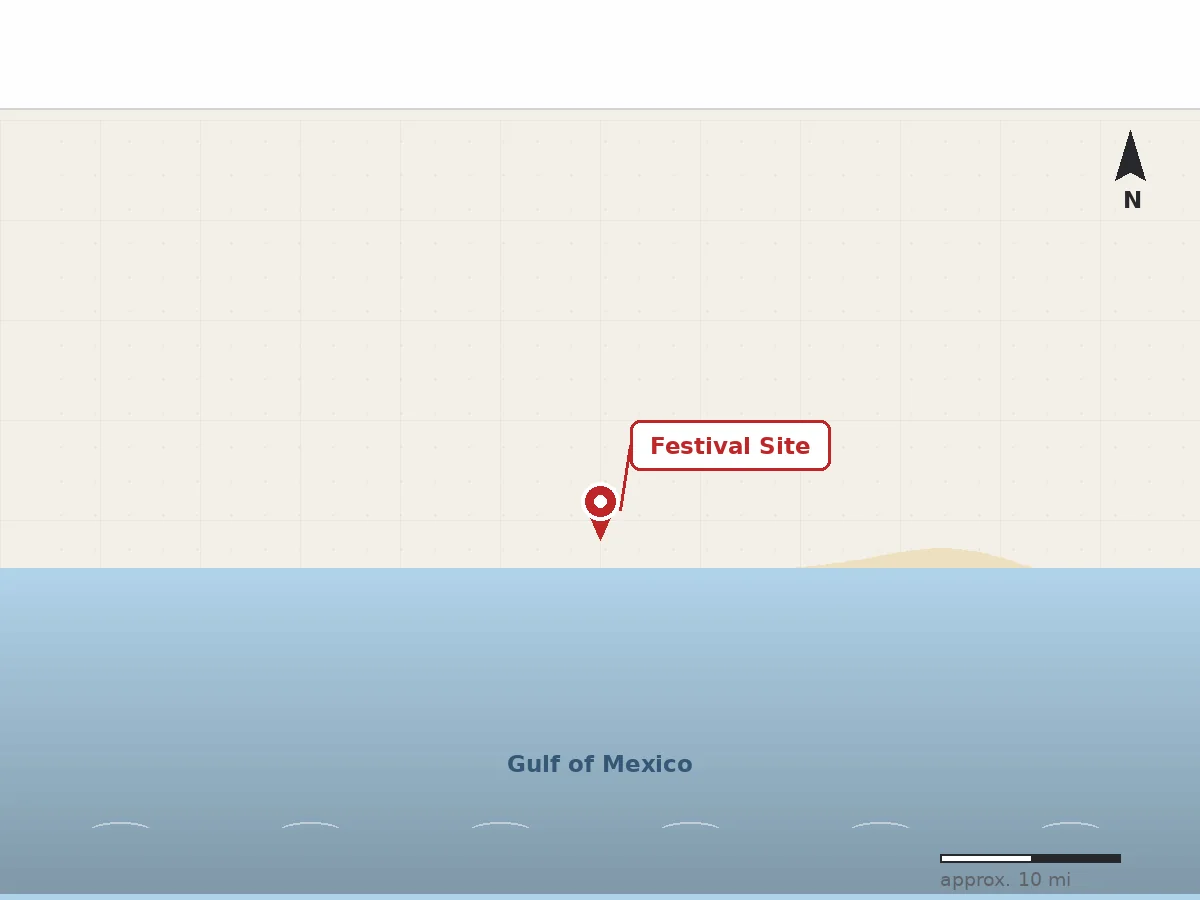
Made in Hawaii is staged within the Honolulu County area, with Honolulu—the county seat—serving as the primary arrival and lodging hub for most festival-goers.
Made in Hawaii visitor questions answered
Is Made in Hawaii suitable for first-time Honolulu County visitors?
Yes. The festival is a manageable introduction to local food, crafts, and entertainment. It also pairs well with standard Honolulu County sightseeing. First-timers should plan transportation in advance and arrive early to avoid the busiest hours.
How early should I arrive at Made in Hawaii?
Arrive near opening if you want easier parking, shorter food lines, and a calmer shopping experience. Midday is usually the busiest. If you mainly want entertainment, a later arrival can work, but check the schedule so you do not miss the sets you want.
Can I combine Made in Hawaii with other Honolulu County sightseeing?
Yes, but keep the day realistic. The festival can take several hours, especially if you shop and watch performances. Pair it with a nearby beach, historic site, or market rather than a long cross-island drive. Build in buffer time for traffic and parking.
What should I bring to Made in Hawaii?
Bring a reusable water bottle, sunscreen, a hat, comfortable shoes, a tote bag, and a backup payment method. A light rain layer is useful. If you plan to buy perishable food, bring a cooler or insulated bag. Check the current event rules for any restrictions on outside food, pets, or bags.
The next chapter for Made in Hawaii in Honolulu County
The future of Made in Hawaii will likely depend on how well it balances growth with the intimate maker-to-shopper experience that makes it special. More visitors can mean more opportunity for local businesses, but it can also strain parking, venue capacity, and the atmosphere. Organizers and vendors will need to keep improving wayfinding, transportation options, and digital information so attendees can plan confidently. Sustainability will matter too: reducing waste, supporting local agriculture, and making the event accessible to residents across Honolulu County. As the county’s population and visitor demand change, the festival can remain relevant by staying rooted in Hawaii-made products and the people behind them. For travelers, the best approach is simple: plan ahead, arrive early, spend thoughtfully, and treat the festival as a living marketplace rather than a checklist.
Last updated: October 2026
Made in Hawaii is a practical, enjoyable way to experience Honolulu County’s creative and culinary energy. With a clear transportation plan, a sensible budget, and a little patience for crowds, you can turn the festival into the highlight of a larger island itinerary—and bring home goods that carry real meaning.