Brown County Indiana Bill Monroe’s Bluegrass Festival
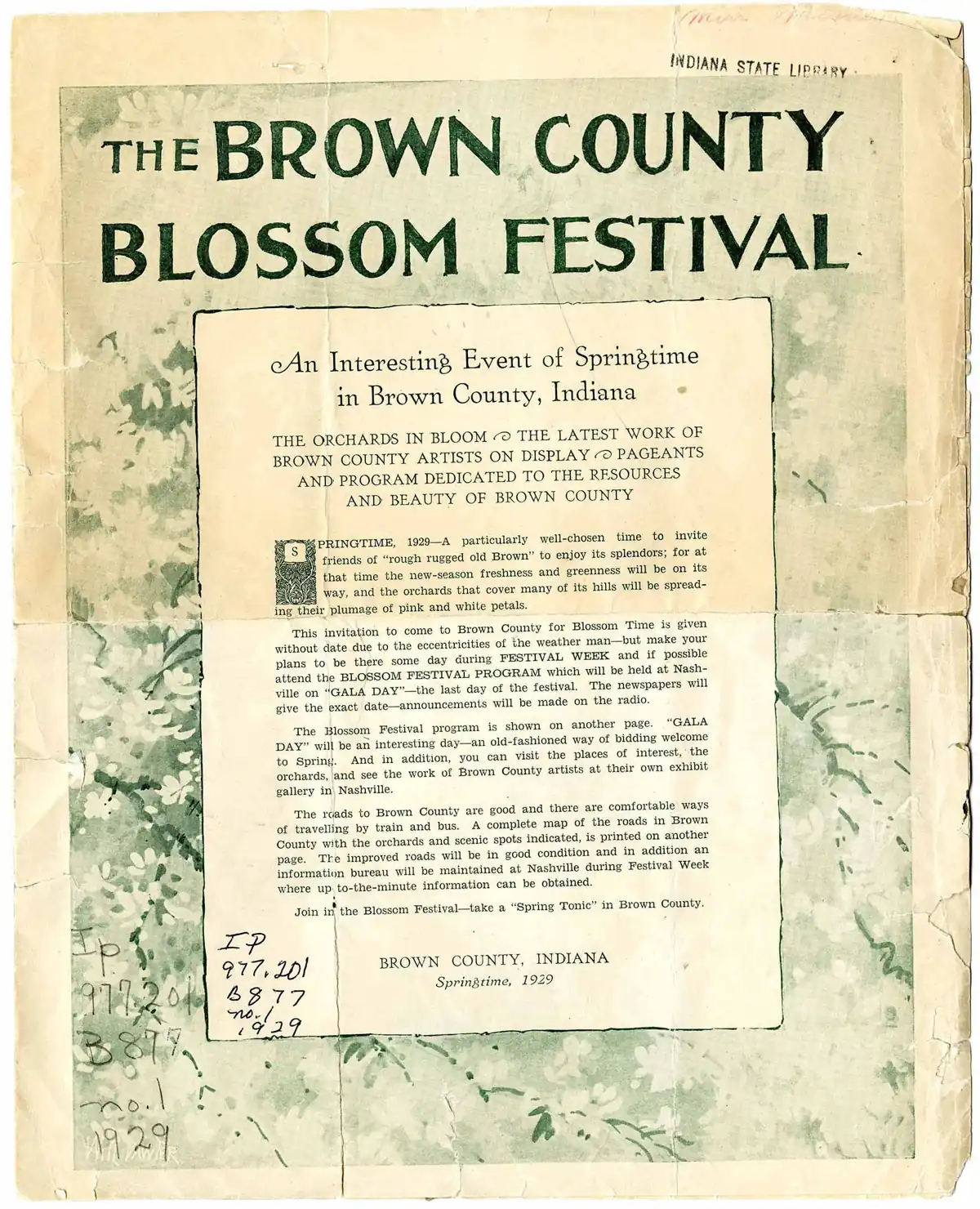
Ask anyone in the Brown County hills what June sounds like and you will get the same answer in different words: a banjo somewhere behind the trees, a fiddle drifting over a gravel lane, and a grandfather who refuses to go to bed before the last jam ends. Bill Monroe’s Bluegrass Festival at Bean Blossom is the weekend that sets the tone for the season here — a multi-day gathering of pickers, campers, families and lifelong fans in a wooded corner of a county that has been hosting this music for generations.
Festival habits around here are practically inherited. “We start watching the weather in May and airing out the camper the same weekend,” says one longtime Brown County resident. “It stopped being a decision years ago. It is just what our family does in June.”
The Basics Behind Bill Monroe’s Bluegrass Festival in Brown County
| Town / place | Bean Blossom, in the Brown County area |
| County | Brown County, Indiana |
| County seat | Nashville |
| Population | Roughly 15,000 residents countywide |
| Region | South-central Indiana, between Indianapolis and Bloomington |
| Typical timing | A multi-day weekend in June, with campers arriving earlier in the week |
| Admission | Ticketed; day and multi-day options are published ahead of each year’s festival |
| Setting | Wooded hills, an outdoor music park and campground |
| Features | Multiple stages, campsite jam sessions, instrument workshops, veteran and rising bluegrass bands |
| Organizer | Staged at the historic Bill Monroe Music Park & Campground, Bean Blossom |
A Bluegrass Gathering Shaped by Brown County’s Hills and Hollows
Bill Monroe’s Bluegrass Festival is a multi-day event held each June at Bean Blossom, in the Brown County area of south-central Indiana. It is built around a campground as much as a stage: rigs and tents fill the shaded sites, folding chairs migrate between sets, and the music keeps going long after the scheduled acts finish.
Brown County itself is 316.22 square miles of ridges, hollows and hardwood — created on February 4, 1836, and organized that August. Nashville, the county seat, grew from a small county town into an arts village of galleries and studios, while the surrounding hills stayed rural. That combination, a close-knit county with a steady stream of visitors, is part of why a bluegrass weekend here feels less like a concert and more like a reunion.
The program leans on the tradition the festival is named for: traditional bluegrass bands, veteran pickers, younger groups carrying the style forward, and workshop sessions where an afternoon can disappear into a single chord progression.
For another look at how a community turns its own traditions into a gathering, see the Brown County Indiana 4-H Fair Festival for a useful comparison.
From Hill Farms to a Bluegrass Address: How Bean Blossom Got Here
Brown County was created on February 4, 1836, and organized that August, carved out of hill country that early settlers found better suited to timber and small farms than to row crops. For decades the county’s economy ran on the land and on small-town trade in Nashville and the communities around it.
By the early twentieth century, painters and craftspeople had begun arriving in Nashville, drawn by the same hills that made farming difficult. That shift gave the county a dual identity it still carries: a rural working landscape on one side, a destination for visitors on the other.
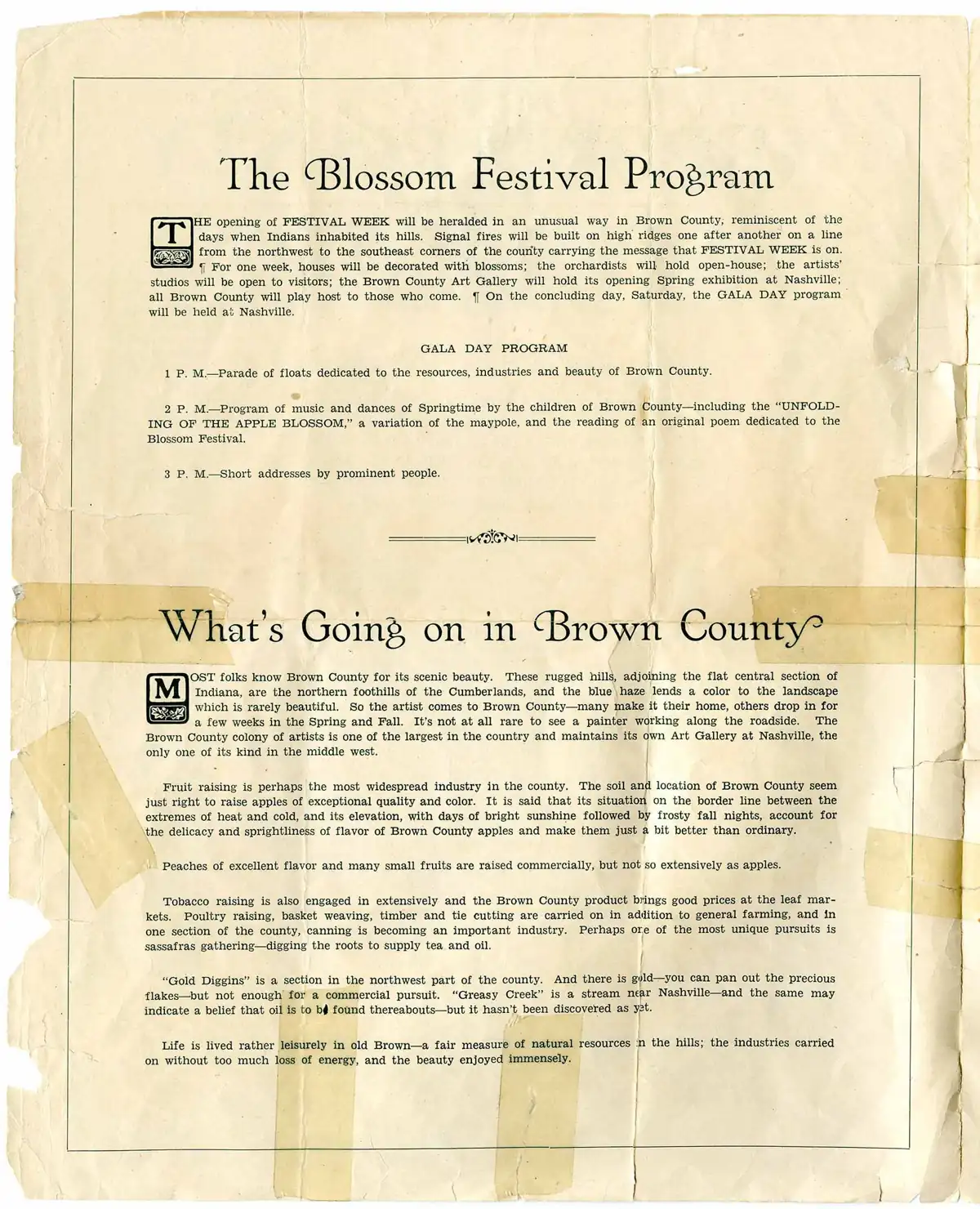
The music arrived through that doorway. Bean Blossom, in the northern part of the county, became a regular home for bluegrass festivals in the second half of the twentieth century, and the Monroe name has been tied to the gathering ever since. What began as a few days of bands and campers turned into an annual anchor of the county’s summer calendar — a weekend that campgrounds, shops and local musicians all plan around.
Residents describe the change as gradual and permanent. “It used to be that people came for the leaves in the fall and that was it,” one longtime Nashville shopkeeper says. “Now June belongs to the bluegrass crowd, and honestly we look forward to it.”
What a June Weekend at Bean Blossom Actually Feels Like
Expect shade, dust, long sets and longer conversations. Here is how the weekend tends to break down.
Food, Coffee and the Campground Kitchen
Festival food runs on two tracks. Vendors near the stages serve barbecue, burgers, cold drinks and sweets, while a large share of the crowd cooks at their campsites. Walk a lane in the morning and you will smell percolated coffee, bacon and someone’s cast-iron skillet. Brown County’s own kitchens are close enough to use as a backup: Nashville has cafés, bakeries and family restaurants a short drive south, and plenty of campers make one supply run for ice, groceries and a real breakfast. Bring cash for small vendors, and pack a cooler that fits your site.
Stages, Workshops and the Jams That Never Quite End
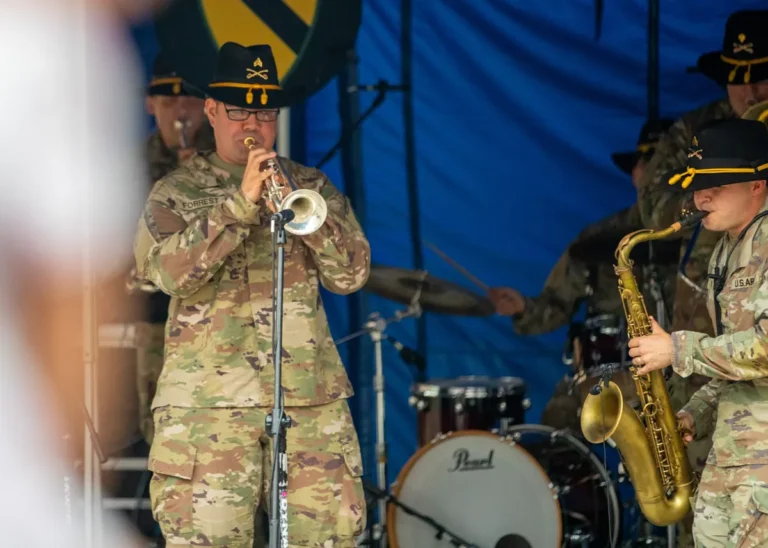
The core of the festival is live bluegrass, delivered by touring and regional bands across more than one performance area, with schedules that stretch from afternoon into the night. Between official sets, the real programming happens informally: campsite jams, instrument circles and impromptu pickups near the bathhouse. Workshops let beginners and intermediate players sit close and learn from working musicians. If you play, bring your instrument — there is almost always room in a circle. If you do not, bring a chair and a willingness to sit in on someone else’s song.
Bringing Kids and Grandparents to the Same Festival
This is a family festival in the literal sense: three generations often share one campsite. Children roam the grass, dance near the front and fall asleep in strollers while the band plays on. Older visitors appreciate the shaded seating near the main stage and the fact that everything sits close together. Families should plan for heat, bugs and late-night noise, and set ground rules about how far kids can wander. Hearing protection for small ears is a kindness, not an overreaction.
Planning a Brown County Bluegrass Trip Without Guesswork
Driving In From Indianapolis, Bloomington and Beyond
Brown County sits in south-central Indiana, roughly an hour south of Indianapolis and a short drive east of Bloomington. Most visitors arrive by car, following state roads that narrow into two-lane curves as they climb into the hills. Expect slow going on festival weekend — campers, farm trucks and cyclists share the same pavement. Fuel up and buy groceries before the last stretch, which has few services.
Sleeping in the Hills: Camping, Cabins and Inns
Camping at the music park is the traditional choice and the reason many regulars return. Sites fill early, and the atmosphere is part of the experience. If you would rather not pitch a tent, Brown County has a deep bench of alternatives: cabins and vacation rentals in the woods, bed-and-breakfasts around Nashville, and motels in the surrounding region. Book months ahead for a June weekend, especially if you want to be within a short drive of the grounds.
Parking Around the Music Park
Parking is handled at the grounds, with fields and lanes used for vehicles and overflow. Arrive early in the day for the easiest spot, follow the directions of staff and volunteers rather than your own shortcut, and be ready to walk a few minutes over uneven grass. Campers should check in during daylight when possible; navigating a rig through a wooded park after dark is nobody’s idea of a good time.
Admission, Costs and What Your Ticket Covers
Admission is ticketed rather than free, with options that typically include single-day and multi-day access; exact details, along with any camping fees, are published by the festival before each year’s event. Beyond the gate, budget for food, ice, firewood where permitted, and a little spending in Nashville. The local advice is simple: buy early, and read the published policies on camping, pets and re-entry before you commit.
Brown County Weather and Packing Sense
June in southern Indiana means warm, humid days, mild evenings and a real chance of a passing thunderstorm. Pack layers, a rain jacket, sturdy shoes and a tarp for your site. Sunscreen and insect repellent earn their space in the bag. If storms roll through, move away from tall trees and metal structures and follow staff instructions.
A Sample Friday-to-Sunday Bluegrass Weekend in Brown County
Friday: Arrive by mid-afternoon, set up camp, walk the grounds to learn the layout, catch the first evening sets, then wander the lanes after the stage goes quiet — the campsite jams are just getting started.
Saturday: Coffee at the site, morning workshops, an afternoon of stage-hopping, a break for dinner from vendors or a quick run into Nashville, then the headline sets. Saturday is the busiest day, so claim seating early if you want a spot near the front.
Sunday: Gospel and traditional sets often anchor the morning, followed by a slower afternoon. Pack up gradually, swap phone numbers with the neighbors you met on Thursday, and leave time for one last walk through the park before the drive home.
Bean Blossom Beside Nearby Indiana Towns and Festivals
Bean Blossom is not the only reason to point a car toward Brown County in June. Nashville, the county seat, offers galleries, studios, shops and a walkable downtown that pairs naturally with a festival afternoon. Columbus, east of the county, draws visitors for its architecture and downtown streetscape. Bloomington, to the west, brings a university-town music scene with clubs and restaurants that run late. Other bluegrass and roots events across southern Indiana fill out the summer calendar.
What sets Bean Blossom apart is format. A day-tripper at a city festival sees a show; a camper here joins a temporary neighborhood for three days. The multi-day rhythm, the workshops and the constant background of campsite picking are what regulars mean when they say the festival is not really about the stage.
The Bean Blossom Packing and Prep Checklist
Reserve camping or lodging early. Buy tickets in advance and read the published policies. Check the forecast the week you travel. Pack layers, rain gear, sun protection and insect repellent. Bring cash for vendors and ice. Charge devices and carry a power bank. Take a refillable water bottle, a basic first-aid kit and any medications. Agree on a meeting point if your group splits up. Never leave instruments unattended. And drive the back roads slowly, especially after dark.
Beyond the Festival: Brown County After the Last Set
Once the stages shut down, the county keeps offering reasons to stay another day. Nashville’s galleries and shops sit a short drive south of Bean Blossom. Trails wind through the state forest and surrounding hills for hikers and mountain bikers, and the back roads are a draw for cyclists and photographers. Covered bridges, old barns and ridge-top views reward anyone willing to drive without a schedule. Local restaurants serve hearty country cooking, and small wineries welcome visitors. Fall color is the county’s other famous season, but a June weekend gives you green hills, warm evenings and a far quieter Monday if you extend your stay.
Handed Down, Not Advertised: How Brown County Keeps the Weekend Alive
The festival’s real infrastructure is not the stage — it is the people who return. Volunteers direct traffic, neighbors rent out rooms, and local businesses staff up for a few busy days. Musicians who first came as teenagers now bring their own children. That continuity is what turns an event into an institution.
For a county of 316.22 square miles with a small population, that matters. The bluegrass weekend brings spending into small towns and gives local players a stage. Just as important, it gives the county a shared date on the calendar — the weekend when people who moved away come back. Ask around Bean Blossom and you will hear the same thing: the music is the excuse, and the gathering is the point.
Finding Bean Blossom on a Brown County Map
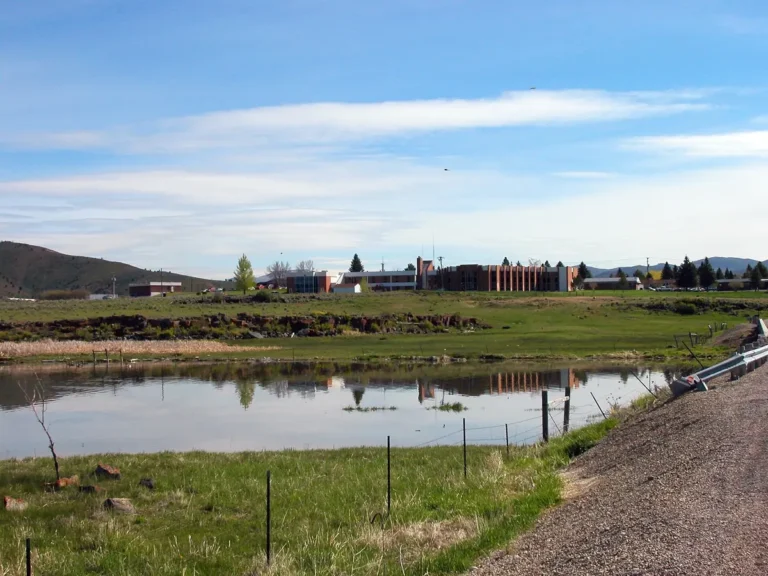
The music park sits at Bean Blossom, in the northern part of Brown County, Indiana, a short drive north of the county seat at Nashville.
Straight Answers for First-Time Bean Blossom Visitors
Do I have to camp to enjoy the festival?
No. Camping is the tradition and the heart of the atmosphere, but plenty of visitors stay in Nashville, in surrounding cabins, or in hotels a short drive away and come in for the day. If you do camp, reserve early and arrive in daylight. If you do not, plan your drive so you are not navigating unfamiliar back roads after the music ends.
Is this a good festival for children and older relatives?
Yes, with preparation. The grounds are grassy and generally level near the main seating areas, and families are common. Bring sun protection, insect repellent, water and hearing protection for kids. Visitors with mobility concerns should ask about accessible seating and the shortest route from parking before they arrive, and plan around the heat of the afternoon.
How far in advance should I plan?
Further than you think. Lodging and campsites around Brown County fill quickly for June weekends, and the county’s popularity as a weekend destination tightens availability across the whole area. Booking months ahead gives you real choices; waiting until a few weeks out usually means taking whatever is left.
What happens if it rains?
The festival runs in the rain unless conditions become unsafe, and a passing June storm usually clears quickly. Bring rain gear, keep a tarp handy and wear shoes you do not mind getting muddy. If lightning moves in, follow staff directions and move away from trees and metal structures.
What the Next Few Junes Could Look Like at Bean Blossom
Bluegrass is enjoying a visible revival, and festivals like this one benefit: younger string bands, more demand for workshops, and audiences that mix longtime campers with first-timers. Brown County’s broader tourism economy keeps growing around Nashville’s galleries and trails, which raises both opportunity and pressure — more demand for lodging, more traffic on two-lane roads, more reason to book early.
What is unlikely to change is the shape of the weekend: a June gathering, a campground full of pickers, and a county that treats the festival as part of its own calendar. Visitors who plan ahead and arrive with patience will find the same welcome regulars have relied on for years.
Last updated: October 2026
If you go, go the way locals do: arrive a day earlier than you think you need to, learn a few names in the next campsite, and leave room in the schedule for the jam that starts after the stage lights go down. That is the version of Bill Monroe’s Bluegrass Festival that Brown County keeps handing down.