St. Helena Parish Louisiana St. Helena Parish Fair Festival

Autumn in St. Helena Parish smells like woodsmoke, fried dough, and pots that have been simmering since breakfast. The St. Helena Parish Fair is the parish’s annual homecoming — a stretch of days when families from Greensburg, Montpelier, Pine Grove, and the surrounding backroads drift onto the fairgrounds to eat, visit, and show off what they grow, cook, and raise. It is a small-parish fair in the truest sense: no towering corporate midway, no complicated gate system, just food booths run by church groups and families, a livestock barn, exhibit halls full of ribbon-winning pies and preserves, and a schedule built around supper. For travelers crossing the Florida Parishes, it is one of the most honest looks at rural Louisiana cooking you will find anywhere.
St. Helena Parish Fair Fast Facts
| Town / area | St. Helena Parish area, centered on the Greensburg community |
| County / parish | St. Helena Parish, Louisiana |
| Parish seat | Greensburg |
| Parish population | 10,920 |
| Founded | 1810 |
| Region | Florida Parishes, southeast Louisiana |
| Typical timing | An autumn weekend, in most years during October |
| Admission | Free entry in most years; food, games, and rides are pay-as-you-go |
| Setting | Rural fairgrounds among piney woods, pasture, and small farms |
| Signature features | Food booths, livestock shows, exhibit halls, live music, midway rides |
| Organizer | Local fair volunteers and parish community groups |
A Small Parish Fair Built Around Its Kitchens
The St. Helena Parish Fair is not a tourism production. It is a parish reunion with a carnival attached, and food is the organizing principle. Booths are staffed by the same families year after year, and the menu reads like a community cookbook come to life: chicken and sausage gumbo, jambalaya sold by the bowl, smoked sausage on a bun, cracklins, plate lunches with rice and gravy, homemade cakes auctioned or sliced by the square, and enough sweet tea to float a pirogue.
Because the parish is small — 10,920 people spread across pine woods, cattle pasture, and a handful of unincorporated communities — the fair functions as the one place where nearly everyone crosses paths. Students enter exhibits. Grandparents judge them. Neighbors who see each other weekly still stand in line together for fifteen minutes because the line is where the news gets traded. Visitors are welcome and rarely treated as outsiders, but the rhythm of the weekend belongs to locals, and the best way to enjoy it is to move at their pace: eat something, sit down, talk to somebody, eat something else.

From an 1810 Parish to a Fall Tradition in St. Helena Parish
St. Helena Parish was founded in 1810, making it one of the older parishes in a state that has been organizing its map since the territorial period. For most of its history it has been rural and agricultural, and like parish fairs across Louisiana, this one grew out of that farming calendar. Fairs in the region began as a way to compare crops, show livestock, and let schoolchildren display their work, then gradually added the things that keep people on the grounds all day: cooking, music, competition, and rides.
The fair has shifted locations and formats over the decades, as small fairs do. Some years brought bigger midways, some brought leaner ones. What stayed constant was the structure — an exhibit hall, a livestock barn, a stage, and a row of food booths — and the timing, tied to the end of the growing season when the weather finally breaks and families have a reason to come together before the holidays.
That continuity matters more than any single year’s lineup. A parish fair that survives is one that keeps adapting without losing its shape, and the St. Helena Parish Fair has done exactly that: same fields, same recipes, new generations standing behind the counters.
The Flavor of Fair Weekend in St. Helena Parish
If you come for one thing, come hungry. The food is not a side attraction here; it is the main event, and the booths are where the parish’s cooking traditions get passed down in public.
Fair Food: Gumbo, Plate Lunches, and Parish Desserts
Expect the Louisiana canon done by people who have been cooking it for forty years. Gumbo and jambalaya are staples, often sold by church groups raising money for a building fund or a youth trip. You will find smoked sausage, barbecue plates, fried fish, and the fairground classics — corn dogs, funnel cakes, candy apples — alongside things you cannot buy in a restaurant, like a particular family’s pear preserves or a sweet potato pie that sells out before noon.
Pricing is modest and pay-as-you-go, and cash remains the safest bet at smaller booths. Portions tend to be generous, which is worth remembering if you plan to eat your way down the row instead of committing to one plate. The smart play is to buy small from several booths rather than large from one.
Music and Entertainment on the Grounds
Live music anchors the evenings, usually with the sounds that dominate the Florida Parishes: country, gospel, swamp pop, and the occasional zydeco set that pulls people out of their folding chairs. Local and regional acts make up most of the bill, and the stage doubles as a gathering point between meals. Beyond the music, expect the small competitions that give a fair its texture — pageants, cake walks, raffles, and announcements from a loudspeaker that everyone pretends not to listen to and everyone hears.
Family Activities and Livestock Traditions
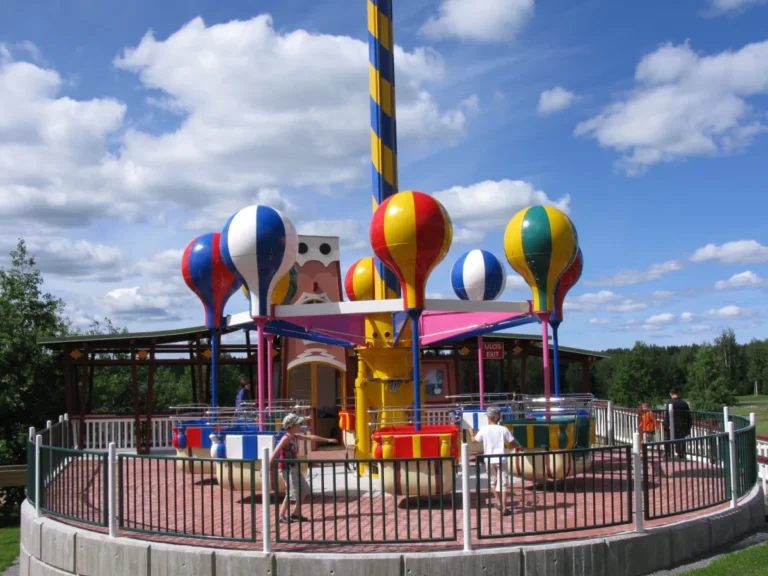
Livestock shows are the heart of the daytime schedule, with young exhibitors leading cattle, goats, pigs, and poultry into the ring while judges take notes and parents hold their breath. Exhibit halls display canned goods, baked items, quilts, photography, and school art, all tagged with ribbons. Outside, midway rides and games keep younger kids occupied, and the open layout means families can let children move between the barn, the booths, and the rides without much worry.
Planning Your Trip to the St. Helena Parish Fair
Getting to the Fair from Baton Rouge, Hammond, and McComb
The fairgrounds sit in the St. Helena Parish area near Greensburg, reached by way of Louisiana Highway 43 and Highway 10, with Interstate 55 to the east and Interstate 12 to the south as the main approaches. From Baton Rouge, plan on roughly an hour; from Hammond, closer to forty-five minutes; from McComb, Mississippi, a short drive south. Rural roads mean two-lane traffic, farm equipment, and deer at dusk, so leave a little extra time.
Where to Stay Near St. Helena Parish
Lodging inside the parish is limited, so most out-of-town visitors base themselves in Hammond or Amite to the south, or in McComb to the north, and drive in for the day. If you are traveling with a camper, ask locally about fairground arrangements before you commit, since policies shift from year to year. Booking a room in Hammond gives you the widest choice of hotels and puts you within an easy drive of both the fair and the restaurants along the interstate.
Parking and Gate Logistics
Parking is typically in grassy fields and along designated lanes near the grounds, directed by volunteers. Arrive early in the evening for the busiest nights, and be prepared to walk a few hundred yards. After rain, field parking gets soft, so low-clearance cars should take the first spot offered rather than hunting for something closer.
What It Costs: Admission, Food, and Ride Tickets
Entry is generally free in most years, with money changing hands at the booths, the ride ticket stand, and the raffle tables. Budget for food as your main expense, bring cash in small bills, and treat any wristband or ticket bundle as a convenience rather than a requirement. Compared with a commercial festival, a full day here is inexpensive.
Weather and What to Wear in the Florida Parishes
Autumn in southeast Louisiana is warm and humid well into October, with afternoon showers that arrive fast and leave fast. Wear light clothing, bring a rain jacket you can fold into a bag, and choose closed-toe shoes for the barn and the fields. Evenings cool off enough to make a light layer welcome, especially if you plan to stay for the music.
A Sample Fair Weekend, Friday Through Sunday
Friday evening: Arrive before the supper rush. Walk the food row once to see what is available, then commit — gumbo first, dessert later. Catch the opening night music and leave before the parking field turns into a slow parade.
Saturday morning: Come early for the livestock show and the exhibit hall, when ribbons are fresh and the light is good for photos. Midday is for grazing: a plate lunch, a shared funnel cake, and a cold drink under a shade tree.
Saturday afternoon and evening: Rides and games for the kids, a second pass through the booths for anything that sold out earlier, then settle in for the headline music with a bowl of something hot.
Sunday: The pace slows. Come for lunch, the final competitions, and the quiet business of saying goodbye to people you will see again next year.
St. Helena Parish Fair Compared with Nearby Louisiana Fairs
Three comparisons come up most often. The Tangipahoa Parish Fair in Amite, about an hour south, is the larger neighbor, with more vendor rows and a busier midway. The Washington Parish Fair in Franklinton is another regional anchor to the east, known across the state for its scale. And the small-town festivals around Clinton and the East Feliciana countryside offer a similar rural feel but lean more heavily on crafts and history than on food booths.
What sets St. Helena Parish apart is intimacy. You are not competing with crowds for a table, and the cooking is done by people who live within a few miles of the fryer. If you want spectacle, go bigger. If you want to eat well and talk to the person who made your plate, this is the one.
A Fair-Goer’s Checklist for St. Helena Parish
| Bring cash in small bills | Smaller booths and raffles may not take cards |
| Foldable chairs | Seating near the stage fills up fast |
| Rain jacket and closed-toe shoes | Field parking and the barn get muddy |
| Insect repellent | Warm evenings keep the mosquitoes active |
| A cooler for take-home food | Preserves, pies, and smoked meat travel well |
| Patience at peak supper hours | The best booths have the longest lines |
Beyond the Fair: Greensburg, the Amite River, and Parish Backroads
St. Helena Parish rewards a slow drive. Greensburg’s small historic core, the courthouse square, and the shaded roads running toward the Amite River make for an easy half-day loop. Anglers head for the river and the smaller creeks that thread the pine woods, while anyone interested in rural architecture will find old stores, churches, and farmhouses scattered along the parish highways. Sweet potatoes, pecans, and seasonal produce show up at roadside stands in the fall, and a few local diners serve plate lunches that rival anything at the fair.
What the Fair Means to a Parish of About 10,920 People
In a parish of 10,920 people, there is no anonymous crowd. The fair is the rare event where the whole parish is in one place at one time, and that makes it do work that goes beyond entertainment. It is a fundraiser for churches and civic groups. It is a first job for teenagers running a ticket booth. It is where a nine-year-old learns to show a goat and where a grandmother watches her recipe win a ribbon. The money raised stays local, and so does the meaning.
For visitors, that is the real draw. You are not watching a performance of rural Louisiana life; you are standing inside it, holding a bowl of gumbo, waiting for the music to start.
Where the St. Helena Parish Fair Sits on the Map
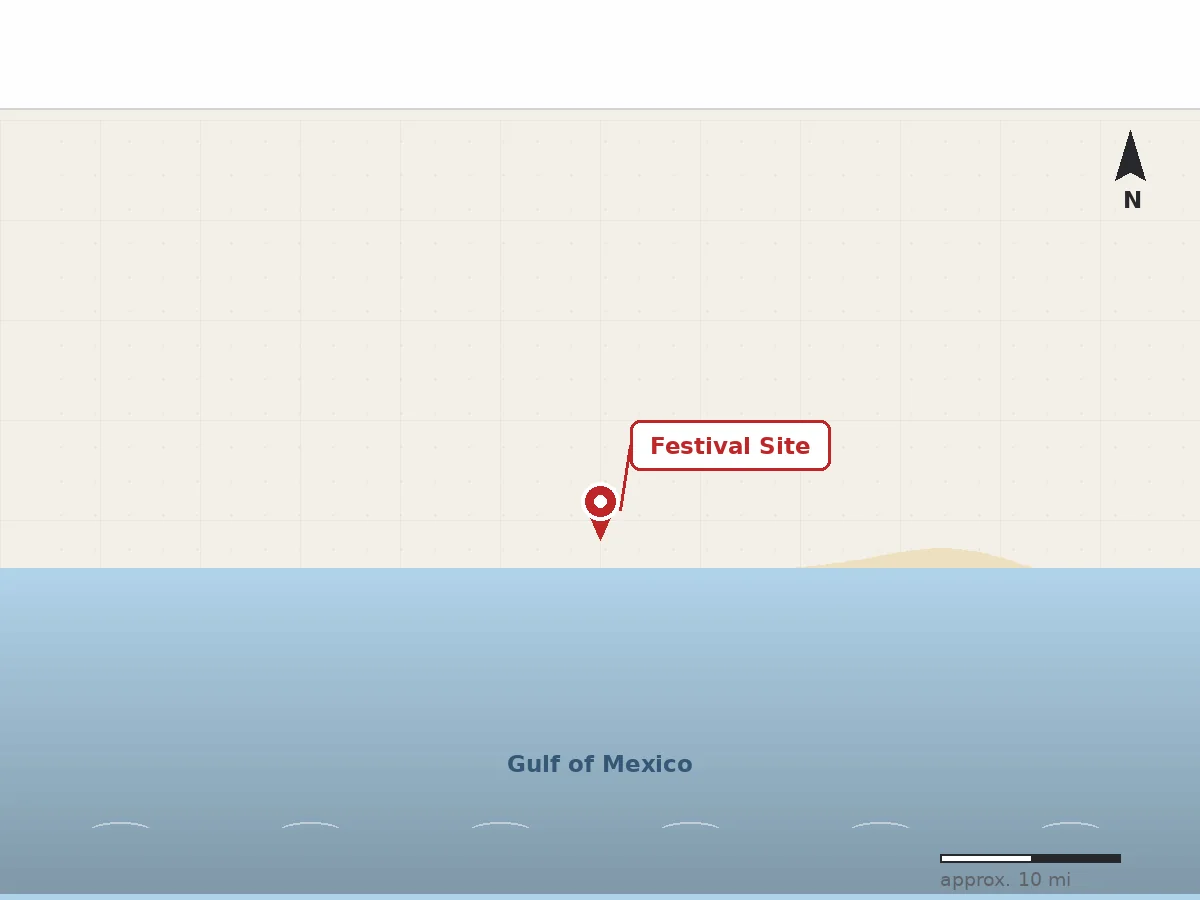
The fair takes place on the fairgrounds in the St. Helena Parish area near Greensburg, Louisiana, in the heart of the Florida Parishes.
Answering a Few St. Helena Parish Fair Questions
When is the St. Helena Parish Fair usually held?
It is an autumn event, held in most years on a weekend during October, after the growing season winds down and before the holiday rush. Because the date shifts year to year, check locally before you plan a trip.
Do you have to pay to get into the fair?
Admission is generally free in most years. Your spending happens at the food booths, the ride ticket stand, and the raffle and game tables, so bring cash and plan to eat your way through the weekend.
What food should a first-time visitor try?
Start with gumbo or jambalaya from a church or family booth, add smoked sausage or a barbecue plate, then work toward dessert — sweet potato pie, pecan pie, and homemade preserves are the items most likely to sell out. If a booth has a line, that is usually a good sign.
Is the fair a good stop for families with young children?
Yes. The grounds are compact and open, the livestock barn and exhibit hall interest kids of most ages, and the midway offers rides and games. Expect field parking, uneven ground, and warm afternoons, and bring water and a stroller you do not mind getting dusty.
Looking Ahead to Future St. Helena Parish Fair Weekends
The fair’s future depends on the same thing it always has: volunteers willing to cook, judge, organize, and show up. Keeping younger families involved in the livestock program and the exhibit halls is how a parish fair stays alive, and the food booths remain the most reliable fundraiser and the strongest draw. Expect the format to stay familiar — barn, stage, booths, rides — with gradual changes in entertainment and offerings rather than reinvention. If you have never been, autumn is the time to correct that.
Last updated: October 2026
Plan around your appetite rather than a schedule, because the St. Helena Parish Fair rewards people who linger. Arrive with cash, leave room for a second plate, and let the evening stretch out under the pines — that is how this parish has been doing it since long before anyone thought to call it a festival.