St. Charles Parish Louisiana St. Charles Parish Fair Festival

Fall in Louisiana’s River Parishes tastes like gumbo, cane syrup, and fried everything, and the St. Charles Parish Fair is where that flavor concentrates. Held in the Saint Charles Parish area between Baton Rouge and New Orleans, it is a hometown fair where the food booths are the main attraction and the line is part of the ritual.
The parish is compact but culturally thick: 52,549 residents strung along a Mississippi River bend, Hahnville serving as the parish seat, and a civic history reaching back to 1807. When fair weekend arrives, that community turns out hungry.
St. Charles Parish Fair: The Essentials in One Table
| Festival | St. Charles Parish Fair |
| Town / area | The Saint Charles Parish area, Louisiana |
| County (parish) | Saint Charles Parish |
| County seat | Hahnville |
| Population | 52,549 |
| Region | Southeast Louisiana, the River Parishes along the Mississippi |
| Typical timing | A weekend in the autumn |
| Admission | Typically free to enter; food, rides, and games priced separately |
| Setting | Open-air fairgrounds with tents, a stage, and a midway |
| Signature features | Cajun and Creole food booths, live music, family activities, community exhibits |
What the St. Charles Parish Fair Actually Is
Strip away the marketing language and this is a classic Louisiana parish fair: open-air, volunteer-run, and organized around food. Expect tents and booths, a midway with rides, a stage for local bands, and exhibits from schools, youth clubs, and parish organizations.
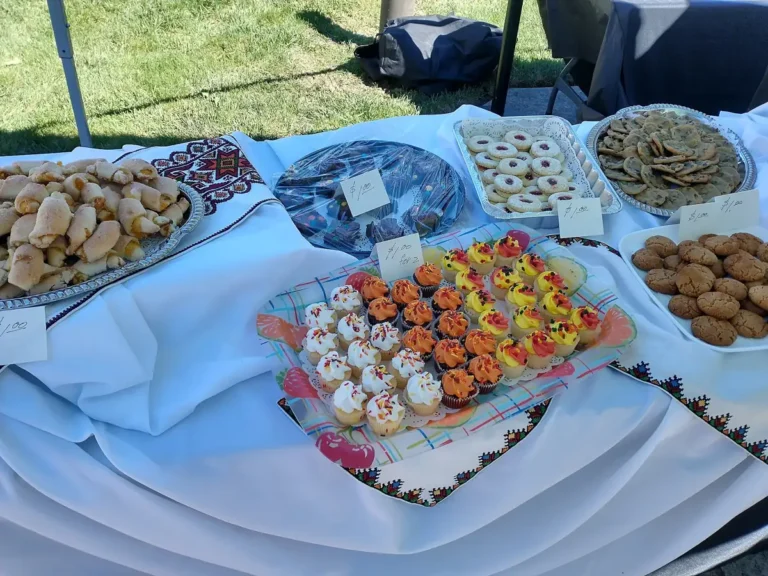
The food is the headline. Booths are typically staffed by church groups, school booster clubs, volunteer fire departments, and families who have cooked the same recipes for decades. You will find gumbo, jambalaya, pastalaya, po-boys, boudin, cracklins, grilled oysters, fried shrimp, and sweets running from pralines to sweet potato pie, all priced by the plate, the bowl, or the piece.
Because St. Charles Parish sits on the old German Coast, its cooking carries layers: German, French, Acadian, African, Italian, and Canary Islander threads pulled into the same pot. That shows up in the food lineup, where a smoked sausage plate and a shrimp po-boy sit comfortably on the same table.
Scale-wise, this is a parish fair, not a stadium festival. You will run into neighbors, teachers, and cousins. That intimacy is the point, and it is why many families treat fair weekend as a fixed annual reunion.
From 1807 River Parish Roots to a Modern Fair
St. Charles Parish was founded in 1807, and for most of its existence it has been a river-and-farm parish: sugar cane fields, citrus groves, cattle, and later the industry lining the Mississippi between New Orleans and Baton Rouge.
Louisiana parish fairs generally grew out of agricultural exhibitions and church bazaars, harvest-season gatherings where farm families showed livestock and produce and where church and civic groups sold plates to fund their work. The St. Charles Parish Fair descends from that tradition, a fairground where the exhibit hall and the food booth matter equally.
Over the decades, fairs like this one added rides, amplified music, and a wider menu. What did not change is the fundraising function: the fair remains one of the year’s biggest chances for local organizations to raise money and for the parish to gather in one place.
Tastes, Tunes, and Family Traditions on the Fairgrounds
The Food Is the Main Attraction
Start with the savory circuit. Gumbo, chicken and sausage or seafood, is usually the benchmark, followed by jambalaya, pastalaya, red beans, sauce piquante, and étouffée. Po-boys come dressed and dripping; boudin and cracklins serve the crowd that wants to eat with one hand while walking.
Then the sweets and the fried: beignets, funnel cake, pralines, pecan pie, sweet potato pie, and whatever the local booth has been perfecting since summer. Seafood is a strong suit this close to the water, so watch for boiled shrimp, fried catfish, oyster po-boys, and chargrilled oysters. Bring cash for the small booths and pace yourself, because portions are generous.
Music, Stages, and Evening Energy
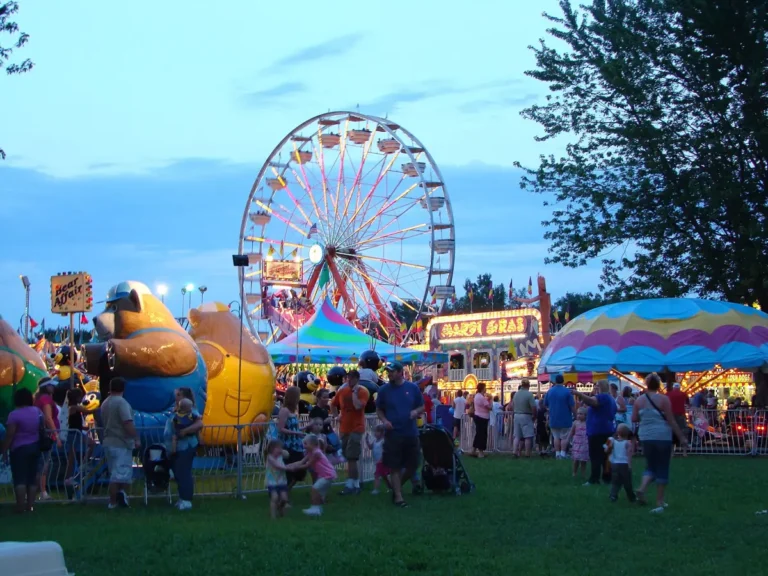
Evenings are when the fair shifts gears. Local and regional bands typically play Cajun, zydeco, swamp pop, country, and classic rock, with the biggest crowds gathered near the stage and the food tents after dark.
Sound carries across an open fairground, so you can work through a plate of jambalaya and still hear the band. Families with young kids tend to come earlier; the crowd thickens as the night runs on.
Rides, Games, and Things for Kids
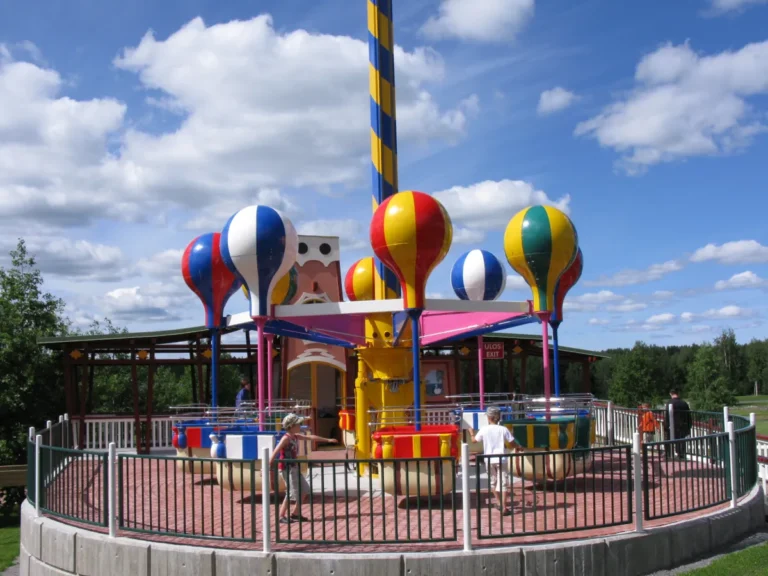
A midway with rides and carnival games is standard at a fair of this kind, along with the usual midway food: cotton candy, corn dogs, and snowballs. Younger kids gravitate to the smaller rides and game booths; teens claim the taller rides and the space in front of the stage.
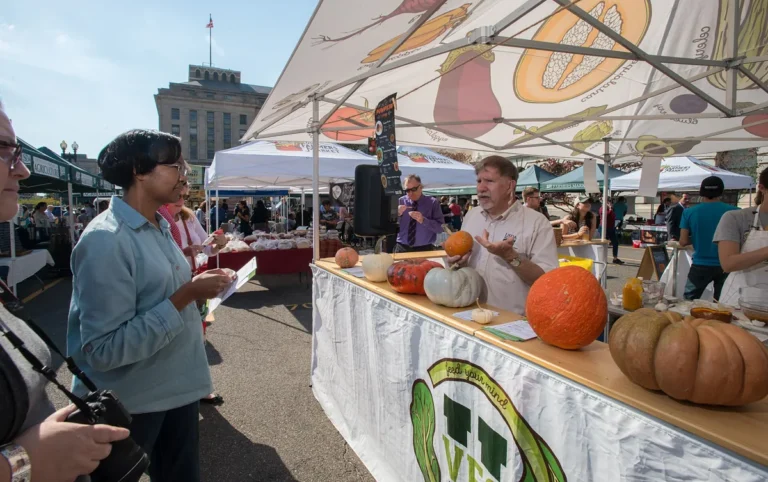
Community exhibits, student art, produce, baked goods, and crafts, give families something to do between rides and give grandparents a reason to linger.
Planning a Fair Weekend in Saint Charles Parish
Getting There from New Orleans or Baton Rouge
The parish sits along the Mississippi River corridor roughly between New Orleans and Baton Rouge, with Hahnville as the parish seat. Most visitors arrive by car, using the river road or the interstate before turning into the Saint Charles Parish area. Weeknight evenings run calmer; weekend nights bring the heaviest traffic.
Where to Stay Nearby
Lodging inside the parish is limited, so many fairgoers base themselves in the New Orleans metro or around Baton Rouge and drive in. Booking early in the fall helps, since autumn weekends fill up across the region.
Parking and Getting Around the Grounds
Expect fairground parking with volunteers directing traffic and a short walk to the gates. Carpooling is smart on Saturday nights. Once inside, the layout is walkable, so wear shoes you do not mind getting dusty or muddy.
Admission, Wristbands, and What Cash Buys
Admission to fairs of this kind is typically free, with spending concentrated on food, rides, games, and raffle tickets. Ride wristbands or ticket sheets are common. Bring cash, since many booths are volunteer-run and card readers can be unreliable, and a stash of small bills keeps the food line moving.
Weather and What to Wear
Autumn in south Louisiana is warm and humid by day and cooler after sunset, with a real chance of rain. Dress in layers, pack a light rain jacket, and expect mosquitoes near the water. Comfortable shoes matter more than anything else on a fairground.
A Sample Fair Weekend in the Saint Charles Parish Area
Friday evening: arrive early, walk the grounds once to see what the booths are selling, then commit. Start with a bowl of gumbo, split a po-boy, and catch the first band from the edge of the stage.
Saturday afternoon: come for the exhibits and the kid rides, graze the food row with boudin, cracklins, and a shrimp plate, and save room for a praline. Saturday night: the biggest crowd, the best music, and the longest food lines, so arrive before the dinner rush.
Sunday: the slowest and most local day, full of church clothes, grandparents, and the last of the jambalaya. It is the best time to actually talk with the people working the booths, many of whom have been there all weekend.
How the Fair Stacks Up Against Nearby Louisiana Traditions
Compare it with New Orleans, roughly an hour downriver, where food festivals are polished, ticketed, and chef-driven. The St. Charles Parish Fair is the opposite: volunteer-run, unfussy, and priced for families.
Compare it with neighboring St. John the Baptist Parish up the German Coast, where andouille and parish gatherings carry a similar rhythm and a similar menu.
Compare it with the Gonzales area in Ascension Parish, home to a celebrated jambalaya tradition, a reminder that the whole river corridor competes on rice, sausage, and roux. What sets the St. Charles Parish Fair apart is the mix: a little of all of it, in one fairground, with the parish’s own crowd.
Fair-Day Checklist for the Saint Charles Parish Area
Cash in small bills, a refillable water bottle, sunscreen, bug spray, and a light rain jacket. Comfortable closed-toe shoes. A tote bag for leftovers and raffle prizes.
Check the fair’s current schedule and hours before driving over, since timing can shift year to year. Charge your phone, note where you parked, and agree on a meeting point before your group splits up at the food row.
Bring a folding chair if you plan to camp near the stage, and an empty stomach if you plan to do the fair properly.
Beyond the Fairgrounds: Eating and Exploring St. Charles Parish
The parish deserves more than one afternoon. Hahnville, the parish seat, anchors the west bank with river views and local restaurants, while Luling, Destrehan, Norco, and Boutte each have neighborhood spots for seafood, po-boys, and plate lunches.
The river road is its own attraction: sugar cane fields, levees, live oaks, and industrial skyline sharing one horizon. Seafood markets and small groceries sell boiled shrimp and stuffed crabs, and weekday plate-lunch culture runs strong.
Outdoors, the parish’s wetlands and bayous are prime for paddling, birding, and swamp tours. Between the food and the landscape, a fair visit turns into a full weekend without much effort.
Why the St. Charles Parish Fair Still Matters Here
For a parish of 52,549 people, the fair is a shared calendar event, the one weekend when the whole community from Hahnville outward ends up in the same place.
It is also an economic engine for small organizations. Church groups, school clubs, and volunteer departments lean on fair revenue, and that money stays local.
Most of all, it is a food inheritance. Recipes carried through German Coast, Acadian, African, and Italian families get cooked in public once a year, and that is how they survive.
Where the St. Charles Parish Fair Sits
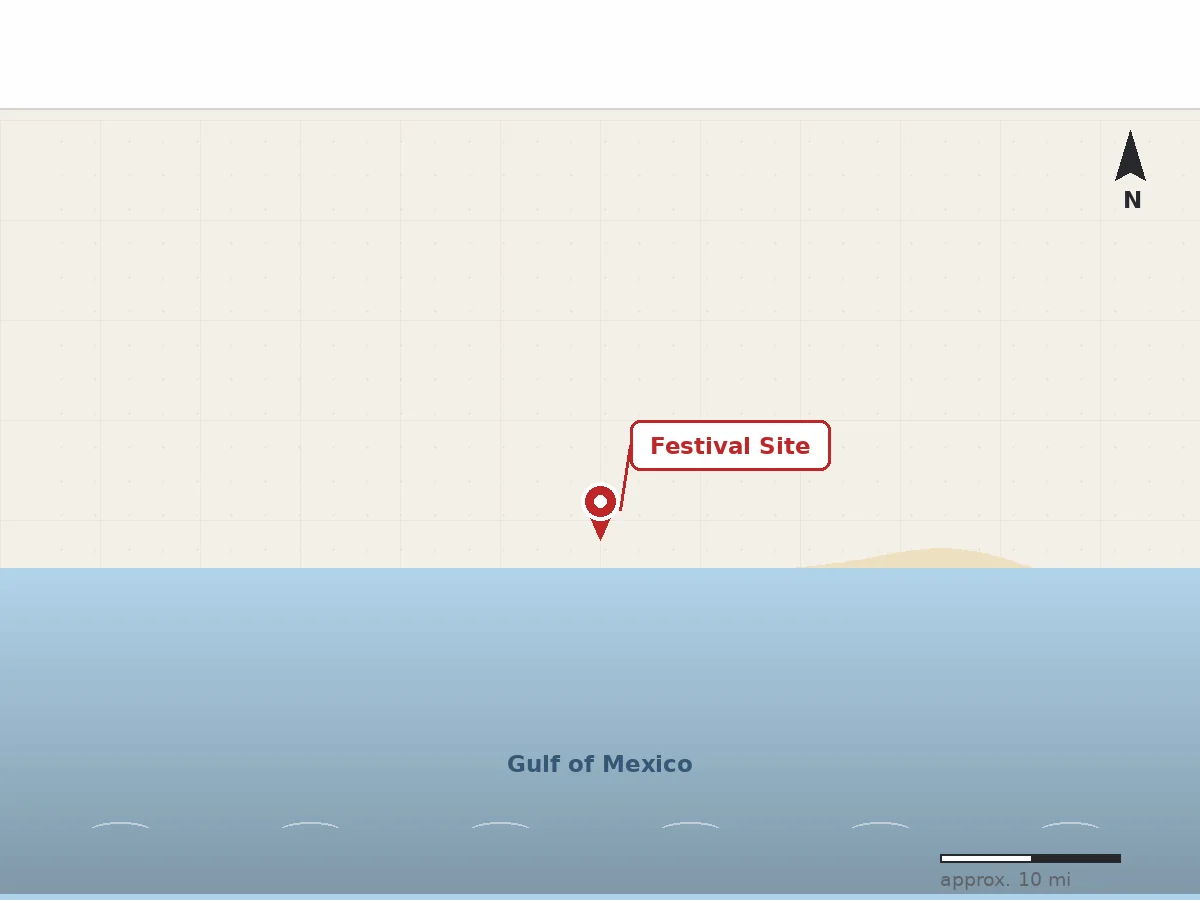
The St. Charles Parish Fair takes place in the Saint Charles Parish area of southeast Louisiana, with Hahnville serving as the parish seat.
Practical Answers About the St. Charles Parish Fair
When is the St. Charles Parish Fair usually held?
It is typically held on a weekend in the autumn, once south Louisiana finally cools off. Because the fair is organized locally, the exact weekend can vary from year to year, so confirm current dates through the fair’s own schedule before planning travel.
Is admission free?
Fairs of this type are usually free to enter, with money spent inside on food, rides, games, and raffles. Treat any wristband or ticket price as something to verify against the current year’s information.
What food should I not miss?
Gumbo, jambalaya, and po-boys are the safe bets, but the real answer is whatever booth has the longest line of locals. Boudin, cracklins, fried seafood, and pralines round out the classics.
Is the fair good for young children?
Yes. The atmosphere is family-oriented, especially in the late afternoon, and the midway, games, and exhibits are built for kids. Evenings get louder and more crowded, so families with small children often come early and head home before the peak.
Looking Ahead to Future St. Charles Parish Fairs
Parish fairs survive by adapting, and this one is likely to keep leaning into food: more variety, more local vendors, and more attention to the dishes that define the German Coast.
As St. Charles Parish grows and changes, the fair’s role as fundraiser and reunion only becomes more valuable. The plates may get more ambitious; the reason people show up will not.
Last updated: October 2026
Come for the gumbo and stay for the second bowl, because the St. Charles Parish Fair is less an event than a standing invitation to eat with your neighbors. Bring cash, bring appetite, and leave room for a praline on the walk back to the car.