Lafayette Parish Louisiana Festival International de Louisiane Festival
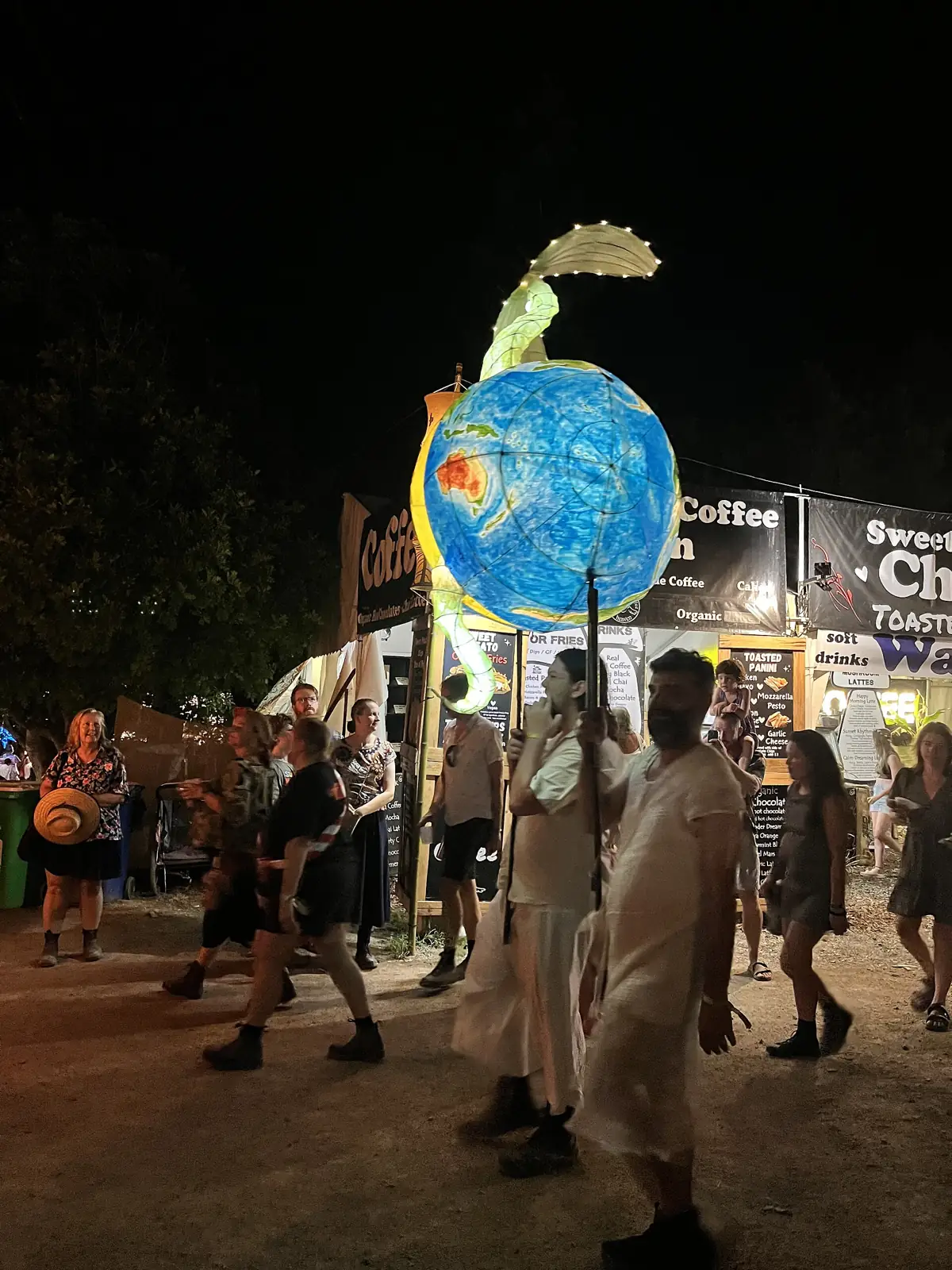
Renée Prejean set her folding chairs on a downtown Lafayette sidewalk before the first band had finished tuning. It was a Saturday in April, the air already warm, and her mother, Odile, had claimed the shade of a storefront awning while Elise, ten, and Beau, seven, pressed their faces against the glass of a food stall still setting up. Marc, her husband, was three blocks away looking for somewhere to leave the truck.
That is roughly how Festival International de Louisiane begins for thousands of families across Lafayette Parish each spring: not with a ticket gate or a grand entrance, but with chairs, cousins, and a slow walk into the middle of a city that has handed its streets over to music.
A Snapshot of Festival International de Louisiane in Lafayette Parish
Most first-timers want the same handful of facts before they commit a weekend. Here is how the festival fits into Lafayette Parish.
| Town / area | Downtown Lafayette and the surrounding Lafayette Parish area |
| County and region | Lafayette Parish, Louisiana, in the heart of Acadiana |
| County seat | Lafayette |
| Parish founded | January 17, 1823 |
| Land area | 269 square miles |
| Population | Concentrated in and around the city of Lafayette, the parish’s largest community |
| Typical timing | A spring weekend, usually in April |
| Admission | Free to enter; food, drinks and merchandise are sold on site |
| Setting and features | Open-air downtown streets, Francophone and world music stages, Cajun and Creole food, crafts and family areas |
| Organizer | A Lafayette-based nonprofit festival organization |
What Festival International de Louisiane Brings to Downtown Lafayette
Festival International de Louisiane is the weekend when Lafayette Parish stops treating its French-speaking heritage as background and puts it on the front porch. The festival spreads through downtown Lafayette, the parish seat, and turns ordinary blocks into a walkable grid of stages, food stalls and craft tents. The through-line is language and rhythm: music sung in French and Creole, bands from francophone countries, and Louisiana’s own Cajun and zydeco traditions sharing the same afternoon.
For the Prejeans, who live a short drive from downtown, that mix is the whole point. Odile grew up hearing French at home and at church; her grandchildren hear it in songs and onstage banter. Between sets, the family drifts — Beau toward anything that makes noise, Elise toward a booth selling hand-beaded bracelets, Marc toward whatever smells like smoked sausage.
What makes the weekend unusual is that nothing is walled off. There is no single main gate, no one headline act that everyone must see. Families come and go, eat twice, sit down, stand up, and let the day rearrange itself. That looseness is deliberate, and it is why the festival has become a fixture for Lafayette Parish households rather than a one-time tourist stop.

From a Downtown Lafayette Spark to a Parish Tradition
Long before the festival, Lafayette Parish had a French-speaking identity that survived despite steady pressure to drop it. The parish was founded on January 17, 1823, with Lafayette as its seat, and the surrounding prairie and bayou country filled with Acadian, Creole, Spanish, African and later Cajun and zydeco communities whose music and cooking never fully separated.
Festival International came later, as a downtown Lafayette idea rather than a rural fairground one. Musicians, educators and francophone advocates wanted a public stage for a culture that was often described in the past tense — something to be preserved rather than heard live on a Saturday night. They built the event around international French-speaking performers and paired them with Louisiana bands, so that visitors from Quebec, the Caribbean and West Africa would stand in the same crowd as a Cajun accordion player from a neighboring parish.
Over the years the footprint expanded block by block, adding crafts, children’s programming and more food vendors, while the audience shifted from curious outsiders to a broad local mix. The festival’s history is less a single founding moment than an accumulation of weekends in which Lafayette Parish decided its downtown streets were the right place to host the French-speaking world.
One Family’s Day at Festival International de Louisiane
By noon, the Prejeans had stopped pretending they would stay together as a group. That is normal here.
Cajun, Creole and World Flavors on the Lafayette Parish Streets
Food is the festival’s second language. Expect the staples of south Louisiana cooking — crawfish dishes, gumbo, boudin, jambalaya, étouffée, grilled alligator, beignets — alongside international plates brought in by francophone and world-music communities. Lines move fastest early; by mid-afternoon the stalls closest to the biggest stage can crawl. Beau’s rule was simple: one savory stop, one sweet stop, then back to the music. Most vendors take cards, but a little cash still helps at smaller booths.
Stages That Run From Zydeco to Francophone Song
Music runs all day and into the night on multiple stages within walking distance of one another. A Cajun band might be followed by a group from West Africa, then a zydeco set that pulls grandparents out of their chairs. Genres blur on purpose: French-language pop, Caribbean rhythms, blues and Louisiana roots music all share the same bill. If you love a stage, stay for two sets. If you do not, walk a block and try again. That is the design.
Keeping Elise and Beau Busy in Downtown Lafayette
Family programming is not an afterthought. There are designated areas for younger children, craft and instrument-making activities, and plenty of open pavement for impromptu dancing. Strollers are manageable, though the crowd thickens after dark. Restrooms are set up around the footprint, and the flat downtown grid means a tired seven-year-old is never far from a bench. Bring hearing protection for small ears if you plan to stand near the front of a stage.
Planning a Festival Weekend in Lafayette Parish
A few logistics make the difference between a pleasant day and a hot, hungry one.
Getting to Downtown Lafayette
Lafayette is the parish seat and the hub of the local road network, so most families drive in from across the parish and the surrounding Acadiana region. Once downtown, treat the festival footprint as pedestrian-only: park once and walk.
Where to Stay in and Around Lafayette Parish
Hotels cluster along the main commercial corridors and near downtown Lafayette, and they fill quickly for festival weekends. Book well ahead if you want to walk to the stages. Staying in a neighboring Acadiana town and driving in is a reasonable alternative if you do not mind the commute.
Parking and Walking the Festival Streets
Free street parking disappears early. Paid lots and shuttle arrangements vary by year, so check the festival’s own information before you go. Comfortable shoes matter more than a close spot — the grid is flat and easy, and you will cover more ground than you expect.
Admission, Costs and What Your Money Buys
Admission is free, which is the festival’s defining feature. Your spending goes to food, drinks, official merchandise and crafts. Budget for parking and a few rounds of snacks; the weekend can be as cheap or as expensive as you make it.
Spring Weather in South Louisiana
April in Lafayette Parish means warm, humid days and the chance of an afternoon shower. Dress in light layers, bring a hat, and pack a poncho rather than an umbrella if you plan to stay through a passing storm. Evenings are mild, which is when the crowds peak.
A Sample Festival Weekend With the Prejean Family
Friday afternoon is arrival and orientation. Park once, walk the footprint while it is still quiet, and let the kids pick a stage. Eat early, before the dinner rush, and stay for the first evening set. Friday is the easiest night to find space near the front.
Saturday is the long day. Start late morning with a slow food lap, then settle somewhere shaded for a two-hour stretch of music. Break in the middle of the afternoon — back to the hotel or the car for water and a rest — and return for the evening, when the largest crowds and the best light arrive. This is the day to try something unfamiliar: a band singing in a language nobody in the family speaks.
Sunday belongs to the locals. The pace is gentler, vendors often have less left to sell, and the final sets feel like a neighborhood party winding down. Leave before the last note if you want an easy exit, or stay and let the streets empty around you. Monday morning, the Prejeans’ truck still smelled faintly of fried dough.
Festival International Alongside Other Acadiana Celebrations
Festival International is one of several reasons people plan a weekend in Acadiana. Breaux Bridge, a short drive east of Lafayette, is known for its crawfish celebration, a spring event that leans hard into one signature dish. Crowley, to the west, hosts a rice-themed festival in the autumn that reflects the region’s agricultural roots. New Iberia, along the Bayou Teche, offers a slower historic district and its own festival calendar.
What sets Festival International apart is range and price. Where a single-food festival celebrates one thing well, this one stacks francophone and world music, Cajun and Creole cooking, and crafts into a free, walkable downtown weekend. Families who want variety and a low entry cost tend to pick Lafayette; those chasing a specific dish or a smaller crowd may prefer a neighboring town.
What to Pack Before Leaving Lafayette Parish
Pack light layers and a rain shell, sunscreen, hats, refillable water bottles, and hearing protection for young children. Bring cash for smaller vendors, a tote for crafts, and a stroller only if you are comfortable navigating crowds. Charge your phone, but plan to use it less than you think. Wear shoes you can stand in for six hours. If you have dietary restrictions, eat before the peak crush, when vendors have time to answer questions. Keep a meeting point in mind in case your group splits — in a crowd this size, it will.
Beyond the Stages: The Rest of Lafayette Parish
Downtown Lafayette rewards a slow morning before the music starts. The parish seat has a compact core of restaurants, coffee shops and small museums within walking distance of the stages, plus a set of galleries and music venues that keep going after the festival ends. Beyond downtown, Lafayette Parish spreads across 269 square miles of prairie, bayou and suburb, with small communities that hold their own fairs, church dinners and dance halls.
Families often add a half-day on either side of the weekend: a swamp or bayou tour, a drive through the rice and crawfish country west of the city, or a stop at a rural dance hall where the music is the same but the room is smaller. The festival is the anchor, not the entire trip.
Why This Weekend Matters to Lafayette Parish
For Lafayette Parish, Festival International is a statement about what the area is, not just what it was. French and Creole were once discouraged in Louisiana classrooms; the festival puts those languages on a stage in the middle of the parish seat and treats them as an asset. That shift matters to families like the Prejeans, who can point their children toward a living culture rather than a museum exhibit.
The weekend also does practical work. It draws visitors into downtown Lafayette, supports restaurants and vendors, and gives local musicians a stage alongside international acts. Because admission is free, the event stays open to households that could not afford a ticketed music festival — a detail that shapes who shows up and what the crowd feels like.
Where the Festival Takes Over in Downtown Lafayette
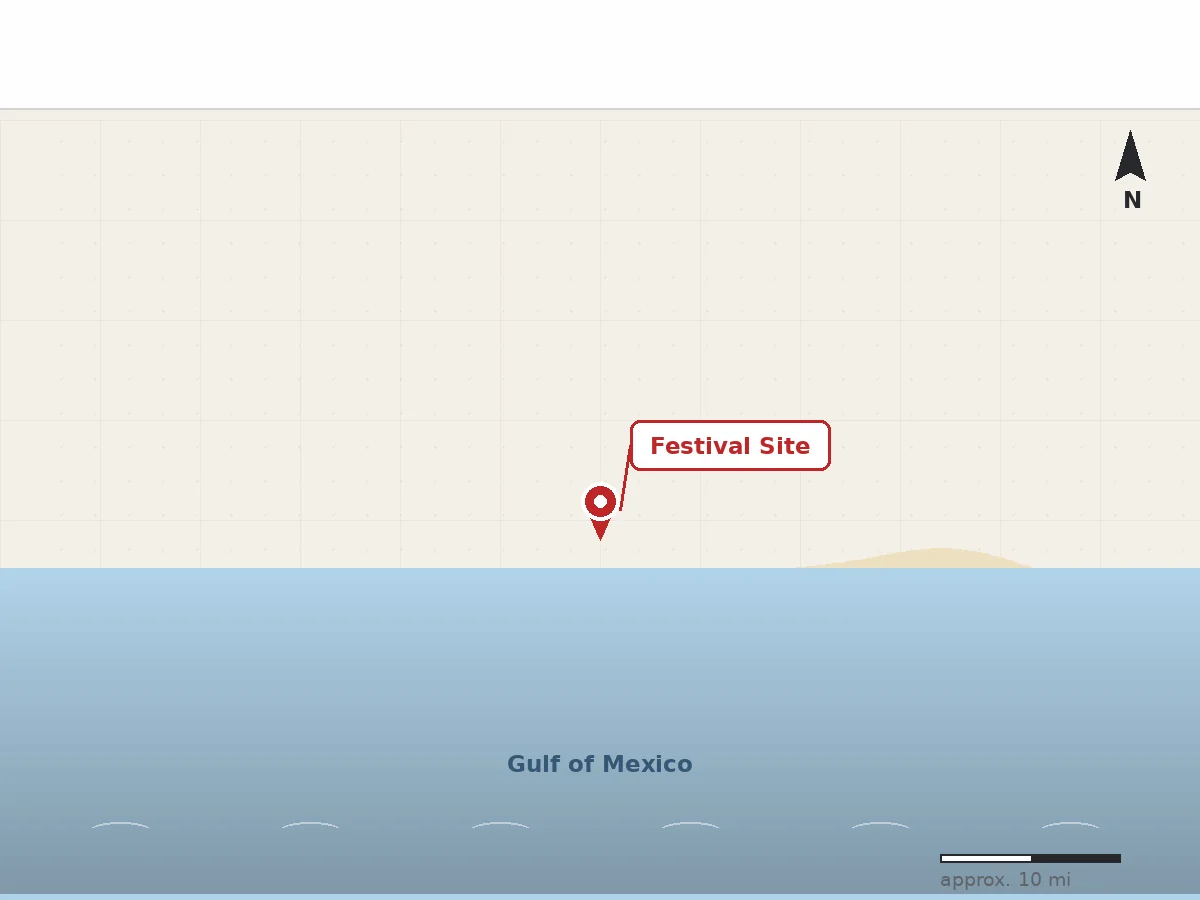
Festival International de Louisiane takes over the streets of downtown Lafayette, the seat of Lafayette Parish, Louisiana, within easy walking distance of the city’s historic core.
Practical Answers for First-Time Festival International Visitors
Is Festival International de Louisiane free to attend?
Yes. Admission is free, and the festival is designed to be walk-in and open-air. You will pay for food, drinks, merchandise and any parking you use, but there is no gate fee to hear the music.
When is the festival usually held?
It is a spring event, typically in April, and it runs across a weekend. Exact dates shift from year to year, so confirm the current schedule before booking travel.
Is it a good festival for young children?
Very. There are family areas, craft activities and plenty of space to dance, and the downtown grid is flat and walkable. Crowds are heaviest after dark, so families with small children often come early and leave before the last sets.
Where should out-of-town visitors stay?
Hotels near downtown Lafayette are the most convenient and fill up fast for festival weekends. Staying in a nearby Acadiana town and driving in works well if you do not mind the commute.
Looking Ahead to Coming Festival Seasons in Lafayette Parish
Festival International has grown by widening rather than reinventing. The coming seasons in Lafayette Parish will likely continue that pattern: more international acts sharing bills with Louisiana bands, more food vendors reflecting the parish’s changing population, and the same free, walkable format that keeps local families coming back.
The pressures are familiar for a downtown festival — crowd management, parking, weather, and the cost of staging several days of music. How organizers balance those against the event’s open, no-gate character will shape the next decade as much as any booking decision. For the Prejeans, the plan is already set: same sidewalk, same folding chairs, one more generation of kids learning to dance in the street.
Last updated: October 2026
Festival International de Louisiane is not a spectacle you watch from a distance. It is a weekend that Lafayette Parish throws for itself and leaves the door open for everyone else — free, loud, humid, and built for families who would rather be outside together than anywhere else.