Wayne County Illinois Fairfield Wine & Arts Festival

The first time I drove into Fairfield for the Wine & Arts weekend, I circled the block looking for a gate, a wristband line, a main entrance. There isn’t one. The festival spreads through a Wayne County seat that never feels like it’s performing for tourists — it feels like the town simply opened its doors, set out tables, uncorked a few bottles, and invited everyone in.
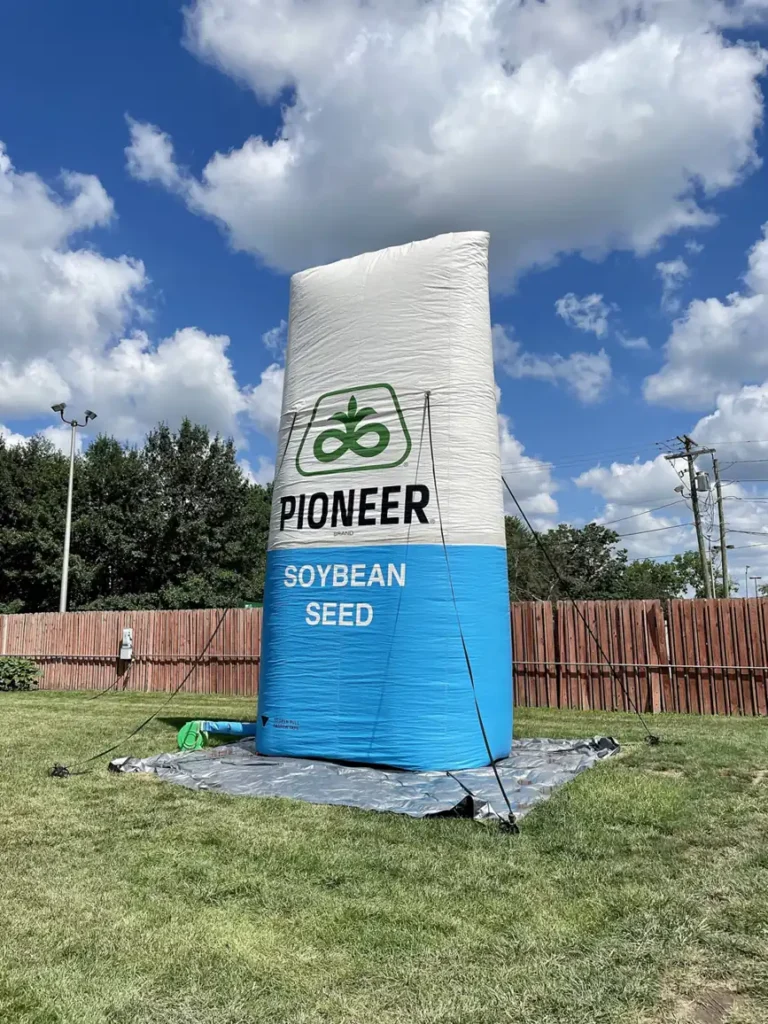
Several visits later, I plan the trip differently. I arrive early, park once, and walk. I keep the middle of the day loose for the courthouse square and side streets, and I save an hour for the backroads outside town, where the land flattens into soybean fields and the sky takes up more room than it does at home. That’s what a returning visitor learns: the festival is the anchor, but Wayne County is the reason to stay.
Wayne County Fairfield Wine & Arts: The Details That Matter
| Town / place | Fairfield and the surrounding Wayne County area |
| County | Wayne County, Illinois |
| County seat | Fairfield |
| Population | A small rural county seat; Wayne County spreads across 715 square miles |
| Region | Southeastern Illinois, farm country between Mount Vernon and Olney |
| Typical timing | A weekend in autumn, in most years, during the fall harvest season |
| Admission | Generally free to enter; you pay for what you eat, drink, and buy |
| Setting | Downtown Fairfield streets and lawns, with open countryside minutes away |
| Features | Wine tastings, art and craft vendors, live music, food stands, family activities |
| Organizer | Volunteer-led, with support from Fairfield-area businesses and community groups |
Inside the Fairfield Wine & Arts Weekend
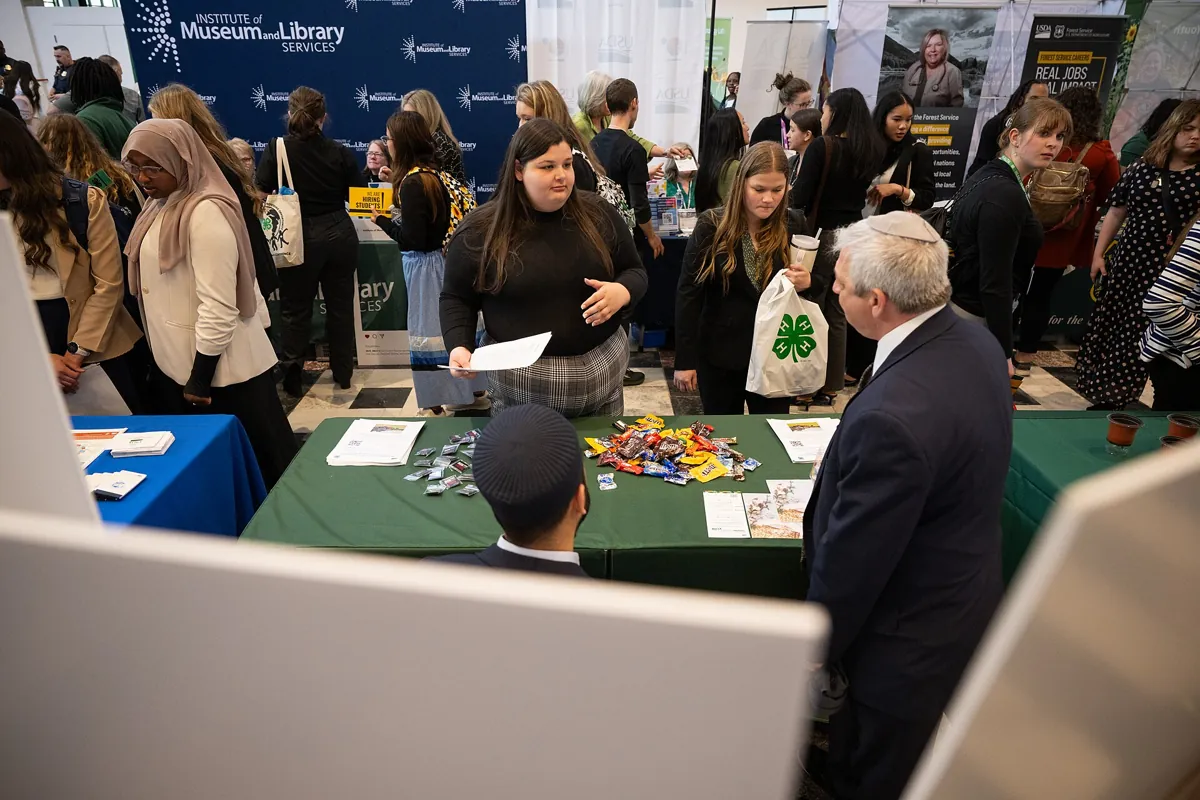
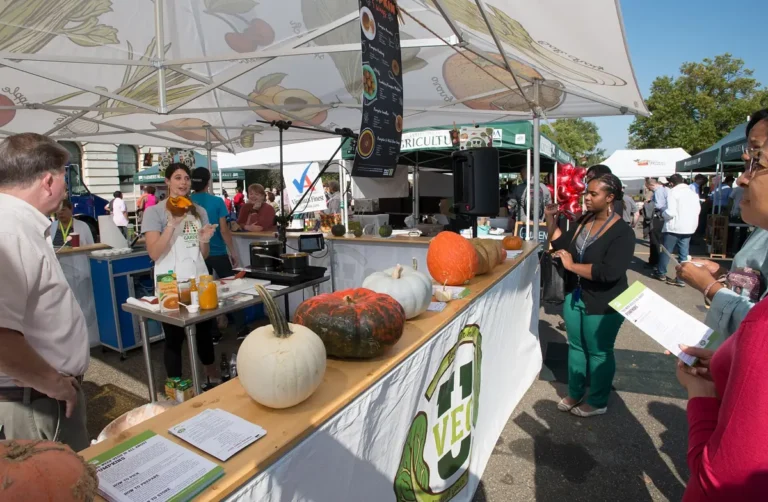
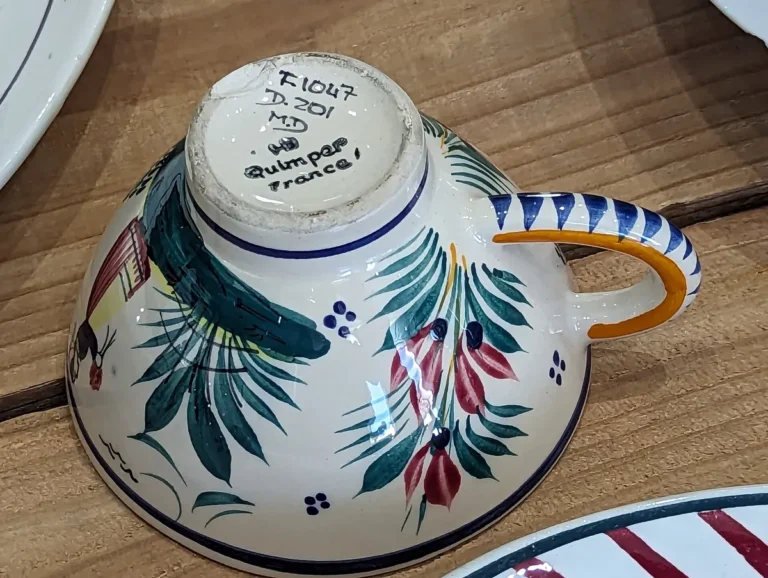
Strip away the name and the Fairfield Wine & Arts Festival is a two-part idea: southern Illinois wine, and the art and craft that rural Illinois does quietly well. Vendors line up along the street, tasting pours stay small and unhurried, and the art runs from pottery and woodwork to paintings and jewelry made by people who live within an hour of the square. Wayne County was founded in 1819, and Fairfield has had a long time to become the kind of place where a stranger gets a nod and a conversation starts without a schedule.
What surprises first-timers is the scale. This is not a walled fairground with a ticket gate. It’s a walkable, come-and-go weekend in the seat of a county covering 715 square miles of mostly agricultural land. You can taste wine, buy a bowl from the person who threw it, listen to a band, eat something fried, and still be back at your car before the light turns gold. That flexibility is exactly why people come back.
How a Wayne County Seat Built Its Own Wine and Arts Weekend
Fairfield has served as the county seat since Wayne County’s founding in 1819, through the long arc of Illinois settlement — timber, grain, livestock, rail, and the slow shift to the corn-and-soybean landscape you see today. Community gatherings in a place like this have always followed the same pattern: a reason to come to town, and a reason to stay a while.
For another look at how a community turns its own traditions into a gathering, see the Washington County Illinois Washington County Fair Festival for a useful comparison.
The wine and arts weekend grew out of that habit rather than a marketing plan. Southern Illinois has a genuine grape-growing tradition, and small towns across the region found that a tasting tent plus a row of craft booths could pull visitors from several counties at once. Fairfield’s version pairs the two: wineries on one side, makers and artists on the other.
It has evolved by increments rather than reinvention — more vendors, better signage, extra seating, a bigger music lineup. Regulars notice the small upgrades each year: a shaded tent where there wasn’t one, a kids’ activity table, a food vendor that keeps coming back.
What Returning Visitors Notice About Fairfield in Festival Season
The rhythm is easy to read once you’ve been. Mornings are calm, early afternoon is busiest, and the last hour before dusk is the best of all — softer light, shorter lines, and bands playing to people who have stopped rushing.
Eating Your Way Along the Fairfield Vendor Row
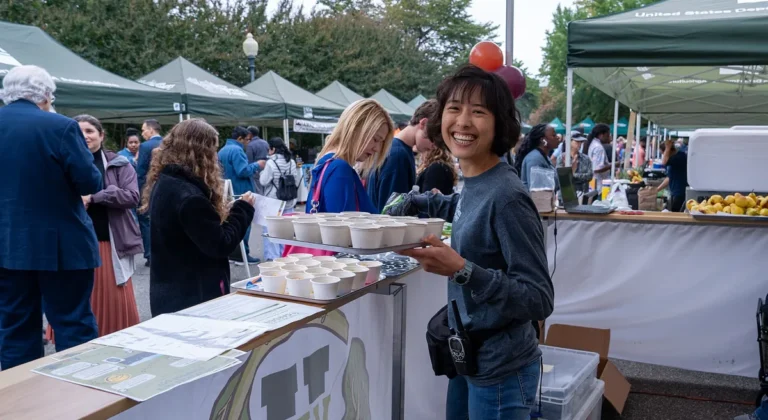
Food leans toward the southern Illinois fairground playbook: grilled and fried staples, pork, corn, hand-cut fries, funnel cakes, and something sweet on a stick. Wine tasting is the other half of the menu, and pours are typically modest so you can sample several without losing the afternoon. Churches, clubs, and booster groups often run stands of their own, and that’s where the best pie tends to be.
Live Music, Porches, and Small Stages
Music runs through the weekend, usually acoustic or country-leaning by day and louder as evening arrives. Sets happen on a main stage and in smaller pockets around the grounds, so you can drift between them. Bring a folding chair if you plan to sit through a full set — seating fills fast once the headliner takes over.
Family-Friendly Corners of a Wine Weekend
A wine festival can still be a family outing, and this one generally is. Kids’ activities, craft demonstrations, and open space to run keep younger visitors occupied while adults taste. Strollers are manageable but crowded at midday, so plan your tasting stops around nap time rather than the other way around.
Planning the Drive to Fairfield and Wayne County
Getting There by Car
Fairfield sits in southeastern Illinois, in farm country between Mount Vernon and Olney, and nearly everyone arrives by car. Interstate 64 runs east–west to the north, and US and state routes feed down into the county seat from several directions. From the north or west, add twenty minutes for two-lane stretches where a tractor can turn a straight road into a slow one.
Where to Stay Around Wayne County
Overnight options are limited in a rural county seat, so the honest advice is to book early. Fairfield has a small number of motels and guest properties, with more rooms in Mount Vernon and Olney if you’re willing to drive in. Campers and RV travelers often use the county’s lake and recreation areas as a base for the weekend.
Parking in Fairfield on Festival Weekend
Parking is street-side and first-come around the square and the surrounding blocks, with overflow in nearby lots. Arrive before midday if you want to park close. Once you’re in, walking is the plan — the festival area is compact, and moving the car mid-afternoon is more trouble than it’s worth.
Admission and What You’ll Actually Spend
Entry is generally free, which is part of why the weekend draws people from across the region. Your money goes to tastings, food, art, and craft purchases, plus whatever you spend in town. Bring cash as a backup; small vendors and church stands sometimes run cash only.
Southern Illinois Weather and How to Dress
Fall in Wayne County can swing twenty degrees between morning and late afternoon. Layers, comfortable shoes, and a light jacket for the evening are the practical answer. Rain is always possible in the Midwest, and most events carry on in some form, so a compact umbrella and a willingness to duck under a tent go a long way.
A Sample Weekend in Fairfield, Built From Experience
On Saturday, start with coffee and a slow lap of the square before vendors are fully set up. Taste wine in the late morning, when tables are quiet and pourers have time to talk. Eat lunch from a stand, spend the early afternoon on art and crafts, then take a break — drive a few minutes out of town, look at the fields, come back. Return for the evening music and the last tastings of the day.
Sunday is the gentler day. Come late morning, catch a set or two, finish any purchases you talked yourself out of on Saturday, and eat before you leave. If you have time, take a longer loop through the county on the way home instead of retracing the highway.
Fairfield, Olney, and Mount Vernon: Three Ways to Spend a Fall Weekend
Olney, to the east, is the bigger retail stop and a natural pairing if you’re coming from that direction. Mount Vernon, north on the interstate, offers more lodging and restaurant choice and makes an easy overnight base. Fairfield’s advantage is that it feels less like a destination and more like a town — smaller crowds, shorter lines, and a festival you can finish in an afternoon without feeling like you missed something. Farther southwest, the Shawnee Hills wine trail towns deliver a more concentrated winery-hopping weekend, but it’s a longer drive and a different kind of trip. If you want wine with a small-town square attached, Fairfield is the better fit.
A Short Checklist Before You Point the Car at Wayne County
Fill the tank before you get deep into the county, where stations thin out. Charge your phone and bring a battery pack, since service can be patchy in the countryside. Take cash for small vendors. Pack a folding chair, a jacket, a water bottle, and sunscreen. Book a room early if you’re staying over. Check the festival’s own channels for the current year’s hours before you drive, because timing shifts from year to year. And leave the schedule loose enough to sit down for an hour and do nothing at all.
Beyond the Festival: The Rest of Wayne County
Wayne County covers 715 square miles, and most of it is farmland, timber, and small communities that rarely make anyone’s list. That’s the appeal. Fairfield’s courthouse square rewards a slow walk, with the county’s 1819 heritage still visible in the way the town organizes itself around the seat of government. Outside town, the roads run straight past barns and white churches toward the county’s lake and fish-and-wildlife areas, where herons and anglers share the same water.
Birders, cyclists, and photographers do well here in the shoulder seasons, and local diners serve the kind of breakfast that makes a long drive worthwhile. If you came for a festival and left without driving a single backroad, you missed half the trip.
What This Weekend Means to Fairfield and Rural Illinois
A festival in the seat of a rural county is more than entertainment. It’s a reason for scattered neighbors to see each other, a market for people who make things by hand, a fundraiser for churches and clubs, and a small economic pulse for businesses that don’t get many busy weekends. When wineries and artists set up in Fairfield, they also keep a tradition alive: the idea that a small Illinois town can still draw a crowd on its own terms, without a stadium or a theme park. That’s worth showing up for.
Where Fairfield Sits on the Illinois Map
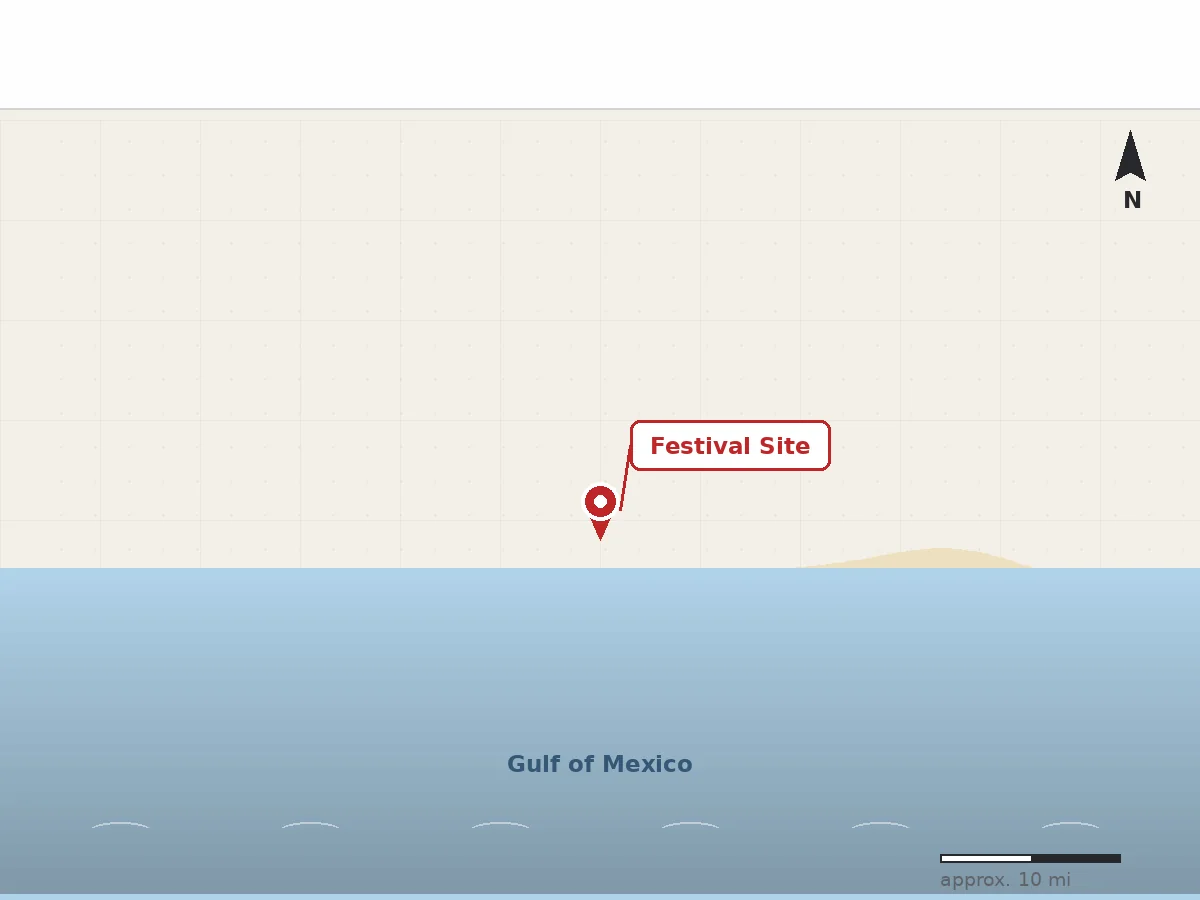
Fairfield, the Wayne County seat, lies in southeastern Illinois, roughly between Mount Vernon and Olney in the state’s south-central farm country.
Fairfield Wine & Arts: Visitor Questions, Answered
Is the Fairfield Wine & Arts Festival free to attend?
Entry is generally free. You’ll pay for tastings, food, and anything you buy from artists and craft vendors, and some tastings may be sold as individual pours or small packages depending on the year.
Can I bring children to the festival?
Yes. Family activities and open space make it a workable outing for kids, though midafternoon gets crowded. Keep an eye on little ones near the tasting areas and bring a stroller you can fold quickly.
What happens if it rains?
Midwest weather is unpredictable, and most of the festival continues in some form. Tents, indoor vendors, and covered spaces keep the weekend going. Bring a rain jacket and check for updates before you drive.
Do I need to book accommodation in advance?
Yes, if you’re staying overnight. Rooms in and around Fairfield are limited, and fall weekends fill quickly. Mount Vernon and Olney offer more choices if you don’t mind a longer drive.
The Next Chapter for Fairfield’s Wine and Arts Weekend
The festival’s future looks a lot like its past: gradual, local, and steady. Expect more makers, a little more music, and continued effort to keep the weekend walkable and affordable in a county that values both. Southern Illinois wine keeps earning wider recognition, which can only help an event with genuine local roots. The best way to support it is simple — come, buy something from a maker, eat at a stand, and tell someone else about Fairfield.
Last updated: October 2026
Wayne County isn’t trying to be anywhere else, and that’s the reason the Wine & Arts weekend works. It’s also the reason returning visitors keep circling back to a square in Fairfield where the tables go up, the corks come out, and the town does what it has done since 1819: welcome whoever shows up.
One Comment