White County Illinois Carmi Corn Day Festival

Before the sun clears the treeline east of Carmi, the Whitaker kitchen is already busy. Dean has been out since before dawn checking equipment, and now he stands at the counter in a shirt that has not seen a field in weeks. Ruth is packing a cooler nobody will open, because Corn Day food is the entire point, and their daughter Josie is negotiating with two grandchildren about shoes.
The Whitakers raise corn and soybeans on ground that has stayed in the family for generations, which is a long way of saying that Carmi’s festival is not quite a festival to them. It is a reunion with a parade attached. Carmi is the county seat of White County, a county founded in 1815 that spreads across 502 square miles of southern Illinois farmland. On Corn Day weekend, all of that ground seems to gather in one town.
Their day — the drive in, the walk past the booths, the kids’ games, the slow ride home past dark fields — doubles as a useful map for anyone planning a first visit. So follow them.
Carmi Corn Day Basics on a Single Table
| Town | Carmi, Illinois |
| County | White County, Illinois |
| County seat | Carmi (county founded 1815) |
| County land area | 502 square miles |
| Region | Southeastern Illinois, a short drive from the Wabash Valley and the Indiana line |
| Typical timing | A weekend in early autumn, most often late September or early October |
| Admission | Typically free; food, crafts, and activities are pay-as-you-go |
| Setting | A walkable small-town downtown, with the surrounding county arriving by car |
| Signature draws | Parade, corn-centered food, vendor booths, live entertainment, children’s activities |
| Who runs it | Local volunteers and civic groups |
Corn Day in Carmi: What the Weekend Is Really Like
Carmi Corn Day is the annual harvest celebration that pulls White County into its county seat for a weekend of parades, corn-heavy food, vendor booths, live entertainment, and children’s activities. Admission is typically free, which means families can wander the streets, watch the parade go by, and let the kids burn off energy without buying a ticket first.
Scale is part of the charm. This is not a fairground festival with gates and wristbands; it is a small-town weekend where the downtown fills up, the side streets fill with cars, and nearly everyone you pass has a connection to the farmland around them. You can walk the whole thing in an afternoon and still find something you missed.
For another look at how a community turns its own traditions into a gathering, see the Wayne County Illinois Fairfield Wine & Arts Festival for a useful comparison.
Timing follows the harvest. Corn Day lands on a weekend in early autumn, most often late September or early October, when the crop is coming in and the weather has finally broken. That season is the reason the festival exists, and it is the reason the food tastes like more than fair food.
How Harvest Custom Became White County’s Corn Day
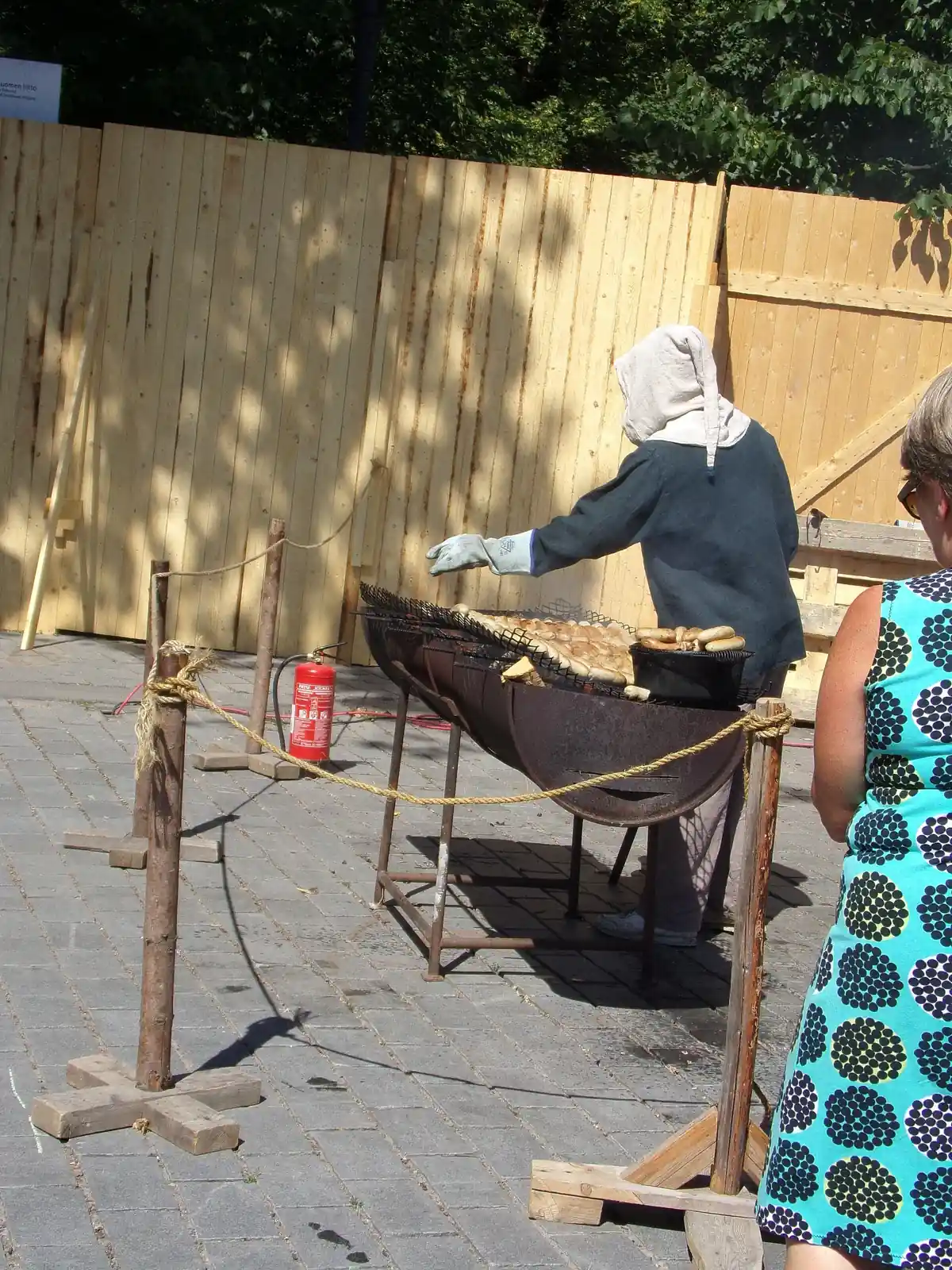
White County was founded in 1815, and Carmi has served as its county seat through the two centuries of farming that followed. The county covers 502 square miles, most of it row crop and pasture, and corn has long been the crop that defines the calendar: planted in spring, watched all summer, hauled in during fall.
Corn Day grew out of that rhythm rather than out of any single grand plan. Harvest gatherings, church picnics, and town celebrations have a long history in southern Illinois, and over the decades Carmi’s version of that tradition hardened into a fixed weekend on the county calendar — a day named, simply and honestly, after the crop everyone was already thinking about.
What has changed is the packaging, not the purpose. The parade got longer, the vendor list got wider, the music got louder. The reason people still show up is the same one that filled harvest tables a hundred years ago: the work is done, the neighbors are free, and there is corn to eat.
Walking the Day in Carmi: Food, Sound, and Small Hands
The festival is compact enough to see in a single day, but the rhythm matters: parade first, food second, music in the background all afternoon, and kids’ activities in the gaps.
Corn in More Forms Than You Expect
Corn shows up roasted, boiled, in fritters, in soups and chowder, and in the sweet and savory baked goods that fill church and civic group stands. Local pork producers, church kitchens, and school groups typically round out the menu with tenderloins, barbecue, and pie. Bring cash in small bills, because lines move faster that way and not every booth is set up for cards. Portions tend to be generous, so buy a few small things rather than one giant one.
Live Music and the Sound of a Full Street
Entertainment runs through the day, usually on a stage or two set up in the middle of the action. Expect local and regional bands, country and classic rock, maybe a gospel set earlier and something louder later. Between sets, the soundtrack is the festival itself: generators, kids, a parade announcer, and the hum of a town that is full for once. Claim a seat early if you want one; otherwise keep moving and listen as you go.
What Keeps Kids Busy Between Bites
Children get their own lane: games, inflatables, contests, craft tables, and the parade itself, which is the main event for anyone under ten. Strollers work fine on the main streets but get awkward in the vendor crush, so a carrier or wagon is often easier. Set a meeting point early, write a phone number on a wristband, and plan a shaded mid-afternoon break. Small legs run out before the music does.
Planning a Corn Day Trip Into White County
White County is rural, so logistics are simple but worth thinking through before you leave the driveway.
Getting to Carmi by Car
Carmi sits in southeastern Illinois, close to the Indiana line and reachable from several directions by state highways. Most visitors drive, and the last stretch is two-lane road through farmland, so allow extra time for slow traffic and farm equipment. Fuel up before you get close, since stations in town get busy once the festival starts.
Where to Stay Around White County
Lodging in Carmi is limited, and festival weekend fills it early. Expect small local motels and guest rentals in and around town, with more rooms a short drive away in neighboring communities. Campers and RV owners often base themselves at area campgrounds and drive in for the day. Book well ahead, and consider two nights so the drive does not eat your Saturday.
Parking Without the Headache
Parking is mostly on-street and in lots around the downtown, plus side-street space that opens up as the day goes on. Arrive before mid-morning for the easiest spots, and expect to walk a few blocks regardless. Follow volunteers and temporary signs rather than inventing a space, and note your cross street — after a full day of booths and music, a strange town looks even stranger.
What a Corn Day Weekend Costs
Admission to Corn Day is typically free. Your spending is food, drinks, crafts, games, and raffle tickets, plus whatever the kids talk you into. A family can do the day on a modest budget by packing water bottles and choosing one or two treats, or spend considerably more if the pie table wins. Vendors appreciate cash, and small-town ATMs can run dry on a busy Saturday.
Autumn Weather and What to Wear
Early autumn in southern Illinois swings hard. Mornings can be cool enough for a jacket, afternoons warm enough for short sleeves, and a passing shower is always possible. Dress in layers, bring a light rain shell, and wear shoes you can stand in for hours — you will cover more ground than you think. Sunscreen is worth packing even in October.
A Sample Corn Day With the Whitakers, Start to Finish
Here is how the family usually runs it, and it is a decent template for anyone else.
Early morning. Leave the farm after chores, drive into Carmi, and park while the streets are still quiet. Coffee and a pastry from a booth, then claim a parade spot on the curb with folding chairs. The kids scout the route. Dean finds someone he has not seen since last year’s harvest.
Mid-morning through noon. The parade takes the first big block of the day — bands, tractors, fire trucks, floats. Afterward the family works the food line: corn first, then whatever else looks good. Josie buys a jar of something she will never use.
Afternoon. Games and inflatables for the kids, a craft table or two, live music in the background. Ruth sits in the shade and talks to a cousin. Dean drifts toward the equipment displays. Nobody checks a clock.
Late afternoon into evening. One more pass for food, a last look at the booths, and a slow walk back to the car. The drive home goes past fields in the last light, which is the part Dean likes best: the crop standing, the day spent, and a county that showed up for itself.
Carmi Corn Day Compared With Nearby Illinois Towns
Corn Day is the anchor of White County’s fall, but it is not the only gathering in the neighborhood. Grayville, which straddles the White and Edwards county line downriver, keeps its own calendar of community events. Fairfield to the north in Wayne County, Mount Carmel to the east in Wabash County, and McLeansboro to the southwest each have seasonal traditions built around county fairs, harvest suppers, and holiday parades.
The difference is focus. Where a county fair spreads itself across livestock, rides, and grandstand shows, Corn Day leans into one crop and one town. That narrowness is the appeal: fewer things to do, done well, in a place small enough to walk end to end. If you are festival-hopping across southern Illinois in the fall, Corn Day makes a good Saturday and a good contrast to the bigger events nearby.
Prep Notes Before You Point the Car at Carmi
Before you leave: check the local schedule for the current year’s lineup, since parade times and stage schedules shift from year to year. Fill the gas tank, charge phones, and screenshot a map — cell service in rural stretches can be spotty.
Pack: folding chairs or a blanket, a wagon or carrier for small kids, water bottles, sunscreen, hats, a light rain jacket, and cash in small bills. Bring a tote for the crafts and produce you will inevitably buy.
On the ground: arrive early, park legally, set a family meeting point, pace the food, and take a real break in the shade at least once. Keep an eye on kids near the parade route, and leave room for one last stop on the way out of town.
After the Corn: White County Beyond the Festival
Corn Day is one day, but White County rewards a longer look. Carmi itself is a classic county seat — a courthouse town with brick storefronts, quiet streets, and a pace that suits wandering. The surrounding 502 square miles are working farmland, and a drive on county roads in October is its own kind of sightseeing: combines in the fields, grain trucks on the blacktop, and small communities like Crossville and Grayville, each with a story or two.
Add a side trip if you have time. Anglers and hunters know the area’s river bottoms and public ground, and photographers get their best light in the hour after sunrise. Local diners and cafés fill up on festival weekend, so a Sunday breakfast on the way home is worth planning around. The point is not to fill every hour; it is to see the place that grows the crop the festival is named for.
Why 502 Square Miles Turn Out for Corn
For a county of 502 square miles with Carmi at its center, Corn Day does work that is hard to measure. It is a homecoming for people who moved away, a fundraiser for churches and clubs, a showcase for local agriculture, and one of the few weekends when the whole county is in the same place at the same time. Kids see their neighbors’ kids. Farmers compare notes. Volunteers get thanked.
It also keeps a connection alive between the town and the land around it. Most Americans now live far from the fields that feed them; in White County, that distance is a short drive. Corn Day closes it for a weekend, with a parade, a plate of corn, and a street full of people who know exactly where the crop comes from. That is a modest thing, and it is not a small one.
Where Carmi Sits in White County
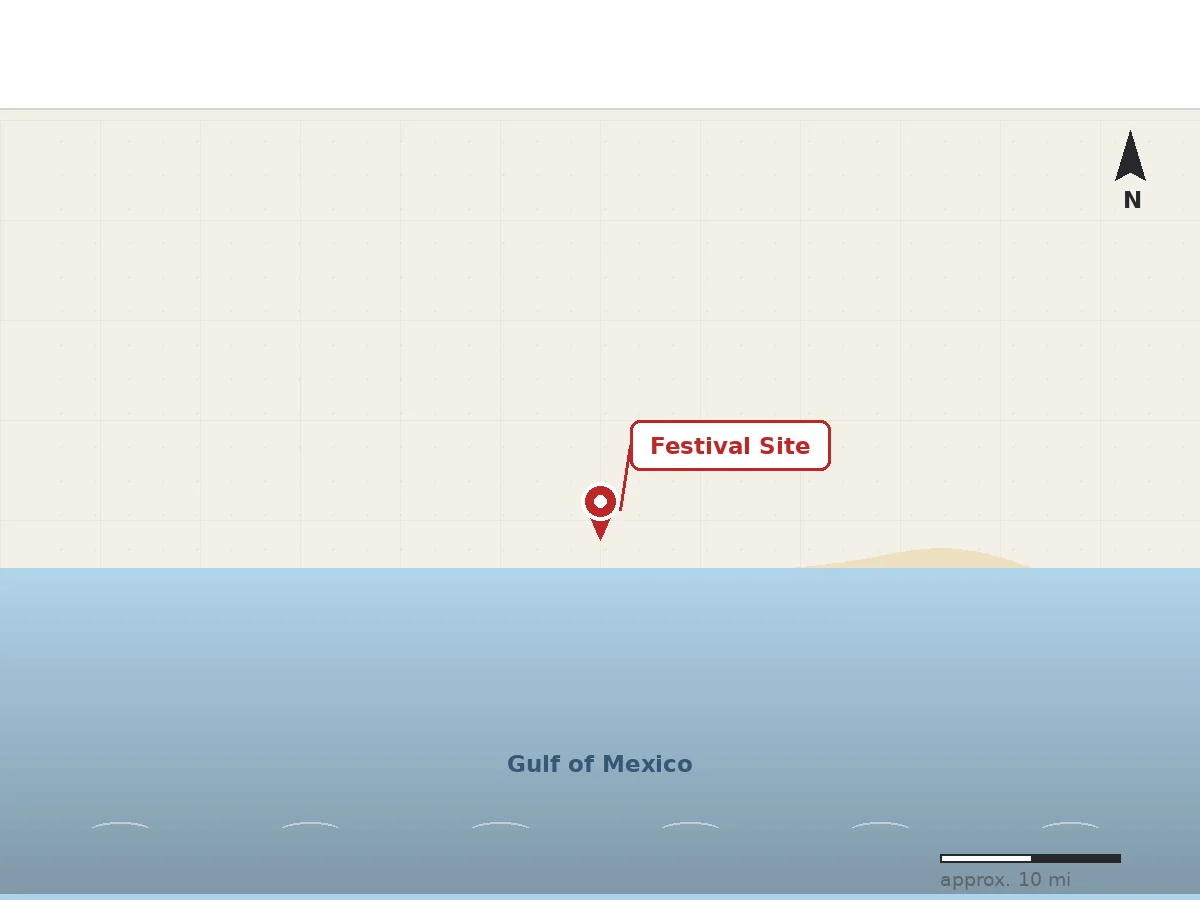
Carmi sits in southeastern Illinois as the county seat of White County, a short drive west of the Wabash River and the Indiana state line.
First-Timer Questions About Corn Day in Carmi
When does Carmi Corn Day usually happen?
It is held on a weekend in early autumn, most often late September or early October, timed to the harvest. Because the exact weekend can shift from year to year, check the current schedule locally before you plan travel or book a room.
Is Corn Day free to attend?
Admission is typically free, and you pay only for what you eat, drink, and buy. Budget for food, games, and crafts rather than a gate fee, and carry cash so you are not stuck when a booth cannot take a card.
Is it worth the drive from an hour or two away?
Yes, especially if you enjoy small-town festivals rather than large ones. The event is walkable, free to enter, and easy to combine with a drive through White County farmland. Plan on a half day at minimum, or a full day if you like parades, music, and pie.
What should I know if I’m bringing young kids?
Arrive early enough to claim a curb spot for the parade, bring a wagon or carrier instead of a stroller if you can, and plan a shaded break in the middle of the afternoon. Set a meeting point as soon as you park and write a phone number on a wristband for each child.
What the Next Corn Days in Carmi Might Look Like
Corn Day’s future looks a lot like its past, which is probably the point. Volunteer-run festivals in rural counties survive on the same things they always have: local sponsors, church kitchens, 4-H and FFA families, and people willing to spend a Saturday setting up booths and taking them down again. As long as corn comes out of the fields, the weekend has a reason to exist.
Expect the details to keep moving — more food vendors, more music, more ways to pay, and more visitors from outside White County as word spreads.
Last updated: October 2026
By the time the Whitakers pull into their lane, the porch light is on and the kids are asleep in the back seat with craft projects sliding off their laps. Ruth is still talking about the pie. Dean is quiet, watching the field go by in the headlights. Corn Day is over for another year, and in White County that is less an ending than a marker — the crop is in, the neighbors have been seen, and the county has had its one big Saturday together.

One Comment