Lafayette Parish Louisiana Lafayette Parish Fair Festival
The Lafayette Parish Fair is not a single-street block party. It is a parish-wide autumn gathering in south Louisiana, tied to the harvest calendar of a place that has been organizing itself around the seasons since Lafayette Parish was founded on January 17, 1823. The parish seat is Lafayette, and the parish covers roughly 269 square miles of prairie, bayou and suburb.
This guide is written for the first-timer. It explains what the fair is, how a parish fair came to matter in a parish this old, what you will eat and hear and see, and how to plan a weekend without wasting your time. You do not need to know the difference between a parish and a county to enjoy it — though you will by the end.
Lafayette Parish Fair: The Essentials in One Table
| Town / place | The Lafayette Parish area, centered on the city of Lafayette |
| County | Lafayette Parish, Louisiana |
| County seat | Lafayette |
| Population | A parish-wide crowd; the city of Lafayette is the largest community in the parish |
| Region | South Louisiana, Acadiana |
| Typical timing | A weekend in autumn, most often in October |
| Admission | Typically free; rides, food and games are pay-as-you-go |
| Setting | An open fairground with exhibit halls, livestock barns, a midway and outdoor stages |
| Features | Livestock shows, home and garden exhibits, carnival rides, local food, live music |
| Organizer | A volunteer community fair board supported by local sponsors |
What the Lafayette Parish Fair Actually Is
Louisiana does not have counties; it has parishes, and Lafayette Parish is one of them. The parish fair is the local expression of a tradition that runs across rural Louisiana: an annual, volunteer-driven showcase of agriculture, homemaking, livestock and school-age talent, wrapped around a carnival midway and a food court.
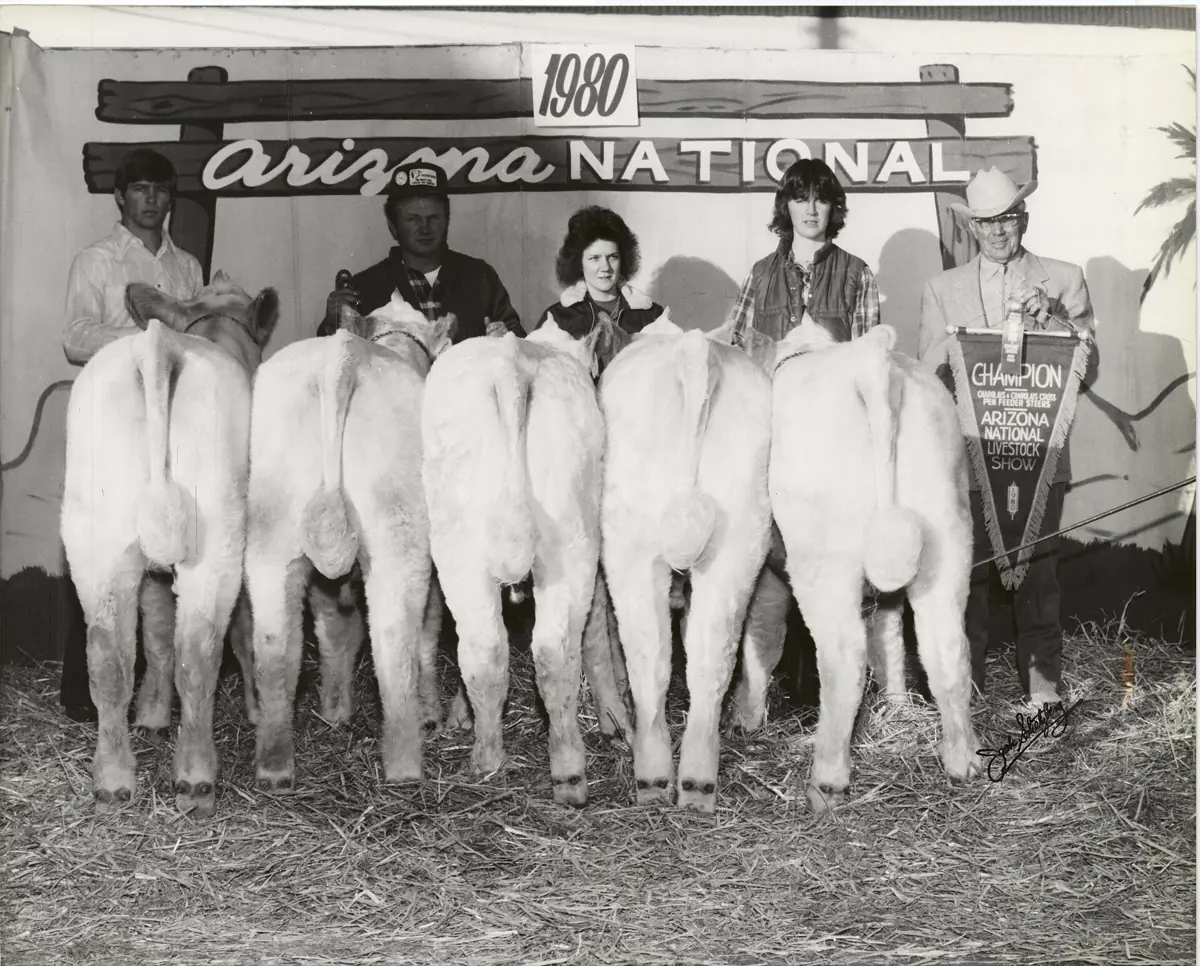
In practice, that means a few things for a first-timer. The fair is community-scale rather than stadium-scale. Much of what you see was entered, judged and displayed by people who live within a short drive of the grounds — 4-H and FFA exhibitors, gardeners, bakers, quilters, photographers. The event is typically free to enter, with money changing hands at food stalls, ride tickets and vendor booths rather than at a gate. And because it is organized around a parish rather than a single town, the crowd is a genuine cross-section of the area: families from the city of Lafayette, families from smaller communities out on the prairie, and plenty of people who simply come for the food.
From an 1823 Parish to a Fair on the Prairie
Lafayette Parish was created on January 17, 1823, with Lafayette as its seat, and its early economy was built on the land — sugarcane, cotton, cattle and the prairie farms that still shape the landscape across its 269 square miles. Parish fairs grew out of that world. In an era before refrigerated shipping, a fair was how a farming community took stock: it was a market, a competition, a school assembly and a social calendar all at once.
The Lafayette Parish Fair belongs to that lineage, and its purpose has stayed consistent for generations: give the parish a weekend to display what it grows, cooks, raises and makes, and give neighbors a reason to run into each other.
What has changed is the mix. Livestock barns and canned-goods exhibits that once dominated the fair now share space with carnival rides, tribute bands and food trucks. The through-line is participation. The fair still depends on local entries and local volunteers rather than on touring acts, which is why it feels different from a commercial festival even when the crowds are just as thick.
What You’ll Eat, Hear and Do at the Fairgrounds
The fair packs three experiences into one footprint: a food court that leans hard into south Louisiana cooking, a stage schedule built around local musicians, and a family side with rides, animals and contests.
Plate Lunches, Boudin and Fair Food
For a lot of visitors, the food is the main event. Parish fairs in this part of Louisiana tend to run on plate lunches, boudin, cracklins, gumbo, jambalaya, fried seafood, funnel cakes and snowballs, usually sold by church groups, civic clubs and local vendors rather than national chains. Bring cash, plan to eat standing up, and do not fill up before you have walked the whole food row — the best stall is rarely the first one.
Cajun Music, Cover Bands and the Local Stage
Live entertainment at a parish fair is usually a mix: Cajun and zydeco bands earlier in the evening, country and classic-rock cover bands later, and school groups or dance troupes in between. Schedules are typically posted at the stage and on the fair’s own channels. The best spot is often on the grass just outside the tent rather than under it, so bring a folding chair if you plan to settle in.
Rides, Livestock Barns and Kid-Friendly Contests
The family side is where first-timers with children will spend most of their time. Expect a midway with carnival rides and games, a barn where exhibitors show cattle, goats, pigs, poultry and rabbits, and exhibit halls full of baked goods, preserves, crafts and photography. Many fairs also run pageants, pie-eating contests or a junior livestock auction. Rides and games are pay-as-you-go, so a wristband or a set number of tickets is worth deciding on in advance.
Planning Your First Trip to the Lafayette Parish Fair
A parish fair is easy to attend, but a little planning separates a good first visit from a frustrating one.
Getting There from Across Acadiana
Lafayette is the parish seat and the hub of the region’s road network, and the parish is compact at 269 square miles, so almost everyone in Acadiana is within a short drive of the grounds. Most visitors arrive by car. If you are coming from outside the parish, treat Lafayette as your base and drive out from there; signage around fair time is usually clear, and a phone map will handle the last mile.
Where to Stay Around Lafayette
Because this is a weekend-scale event rather than a multi-day destination festival, most attendees sleep at home. Out-of-town visitors will find the widest choice of hotels, motels and short-term rentals in and around the city of Lafayette, with smaller options in surrounding communities. Book early if your visit happens to overlap another regional event.
Parking and Gate Logistics
Fairground parking is usually a mix of on-site lots and grass fields, often with volunteers directing traffic and a modest charge in some years. Arrive in the first hour after opening for the easiest spot, and expect to walk a few minutes from your car to the gate. Carpooling is the simplest way to cut the hassle.
Admission, Ride Costs and Fair Budgets
Admission to the Lafayette Parish Fair is typically free, which is one reason local families treat it as a default weekend outing. Your spending will concentrate in three places: food, ride tickets or wristbands, and vendor booths. Set a cash budget per person before you walk in — carnival games and food stalls are built to be bought in small increments, and those increments add up quickly.
Louisiana Weather and What to Wear
Autumn in south Louisiana is warm and humid by most standards, with a real chance of an afternoon shower and a noticeable drop in temperature after dark. Dress in light layers, wear closed-toe shoes you do not mind getting dusty, and carry a poncho rather than an umbrella if rain is forecast. Mosquito repellent is a reasonable thing to have in your bag for the evening hours.
A First-Timer’s Weekend, Friday Through Sunday
Friday evening. Arrive an hour before sunset, when the grounds are at their most comfortable. Walk the exhibit halls and livestock barns while they are still quiet, eat dinner from a church-group stall, and stay for the first band.
Saturday. This is the busy day. Come early for the livestock shows and judged exhibits, spend the hot middle of the day in the shade or back at your hotel, then return in the late afternoon for rides, food and the headline music set.
Sunday. The pace drops. It is the best day for families with small children, for revisiting an exhibit you rushed past, and for a slow plate lunch before the gates close. If there is an auction or a contest final, it usually lands here.
How It Compares to Nearby Acadiana Festivals
The Lafayette Parish Fair is one of several events that fill Acadiana’s calendar. Festival International de Louisiane, held in downtown Lafayette each spring, is a free, multi-day music and arts celebration with a much larger footprint — a different animal entirely from a parish fair. The Breaux Bridge Crawfish Festival, in neighboring St. Martin Parish, is a spring event built around one signature food and zydeco. Crowley’s International Rice Festival, in Acadia Parish, is an autumn harvest celebration closest in spirit to this one. If your trip overlaps, the fair pairs easily with any of them — but it is the one that will feel most local.
Packing and Prep: A Lafayette Parish Fair Checklist
Confirm the weekend on the fair’s own channels, since parish fairs set dates each year. Check the stage schedule and decide which set you want to catch. Charge your phone and bring a battery pack. Carry cash for food and games. Pack sunscreen, a hat, a refillable water bottle and a light rain layer. Wear closed-toe shoes. Agree on a meeting point before your group splits up. Leave pets at home. Bring a tote bag for vendor purchases and a folding chair if you plan to sit through a band.
Beyond the Fairgrounds: The Rest of Lafayette Parish
With Lafayette as its seat and 269 square miles to cover, the parish rewards a slower look. Downtown Lafayette holds the densest cluster of restaurants, bars and live-music rooms, and the surrounding streets are where you will find boudin shops, plate-lunch counters and dance halls that keep Cajun and zydeco going year-round. Outside the city, the landscape turns to prairie farms, bayou crossings and small communities where a Saturday morning farmers market or a roadside boiled-seafood stand can be the highlight of a drive. Add a museum or two on Acadian history and you have a full weekend that does not depend on the fair being open.
Why the Fair Still Matters in Lafayette Parish
Parish fairs are one of the last places where an entire parish shows up in the same field. The exhibitors are your neighbors, the food money stays with local churches and clubs, and the entertainment is the same musicians who play the region’s dance halls the rest of the year. In a parish founded in 1823, with Lafayette as its seat for two centuries, the fair is a continuous thread between the agricultural past and the suburban present. Skip it and you miss the most direct way to understand how this place thinks about itself.
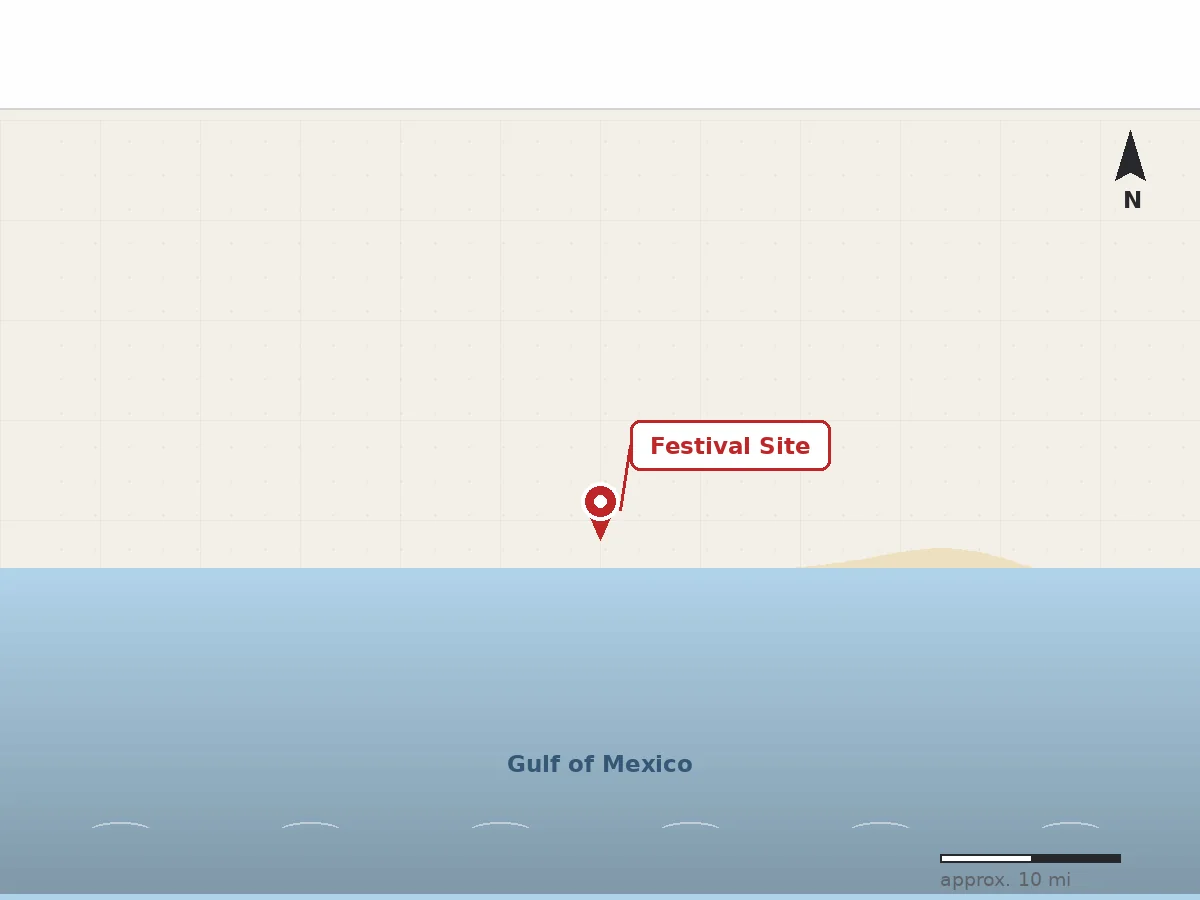
Pinpointing the Lafayette Parish Fairgrounds
The Lafayette Parish Fair takes place in the Lafayette Parish area of south Louisiana, within a short drive of Lafayette, the parish seat.
First-Timer Questions About the Lafayette Parish Fair
Is the Lafayette Parish Fair free to attend?
In most years, yes. Admission is typically free, with costs concentrated in food, rides, games and vendor purchases. Check the current listing before you go, since a specific year’s arrangements can change.
When is the fair held?
The fair is an autumn event, usually on a weekend in October. Parish fairs set their own dates each year, so confirm the weekend through local listings before you build a trip around it.
Is it a good outing for young children?
Yes — it is built for families. Expect a midway with kid-sized rides, livestock barns, exhibit halls and daytime entertainment. Sundays tend to be the calmest day for small children, and strollers handle the grounds well except after heavy rain.
What should I bring with me?
Cash, sunscreen, a hat, a refillable water bottle, a light rain layer and closed-toe shoes. A folding chair helps if you plan to sit through a band, and a tote bag is useful for anything you buy from vendors.
The Lafayette Parish Fair’s Next Chapter
Parish fairs everywhere are working out how to stay relevant: recruiting younger volunteers, posting schedules where people actually look, widening the food lineup, and protecting the agricultural core that gives the event its reason to exist. Expect the Lafayette Parish Fair to hold on to its free-admission, family-first character while leaning harder on local music, local food and the livestock and home exhibits that no commercial festival can replicate. For a first-time visitor, that is good news — next autumn should feel a lot like this one. Last updated: October 2026
If you have never been, go once with no agenda. Walk the barns, eat something fried, sit on the grass and listen to a band you have never heard of. The Lafayette Parish Fair rewards the unhurried visitor, and in a parish this old, that is exactly the point.