Lafourche Parish Louisiana Lafourche Parish Fair Festival
Autumn settles over bayou country slowly, and in Lafourche Parish that season has a sound and a smell: cane fields going gold, humid evenings, and the hum of a fairground coming to life. The Lafourche Parish Fair pulls all of it into one place — a hometown gathering where the parish’s 97,557 residents and their neighbors from across southeastern Louisiana meet over livestock pens, fair food, and live music.
The Lafourche Parish Fair in Numbers and Basics
| Town / area | The Lafourche Parish area, centered near Thibodaux |
| Parish | Lafourche Parish, Louisiana |
| Parish seat | Thibodaux |
| Population | 97,557 (parish-wide) |
| Region | Bayou country, southeastern Louisiana |
| Typical timing | Autumn, in most years |
| Admission | Free general admission in most years |
| Setting | Fairgrounds within the Lafourche Parish area |
| Features | Livestock and exhibits, fair food, live music, family activities |
| Organizer | Parish fair volunteers and community organizers |
A Fall Gathering Across Lafourche Parish
The Lafourche Parish Fair is less a single afternoon than a season marker for the parish. It arrives in autumn, in most years, when the heat finally loosens its grip and families are ready to spend an evening outdoors. Set on a fairground within the Lafourche Parish area, it keeps the shape of a classic Louisiana parish fair: exhibition space, a midway, food stands, a stage, and plenty of room for neighbors to run into each other.
Lafourche Parish is large by Louisiana standards — 1,474 square miles stretching from the outskirts of Thibodaux toward the Gulf — and the fair reflects that reach. Families come in from small bayou communities, from Thibodaux itself, and from across the parish lines. The result is a crowd that feels both local and wide, where the person ahead of you in line may well be a cousin of someone you went to school with.
What gives the fair its character is the setting. This is wet, green, working country: sugarcane, seafood, levees, and waterways that shape how people travel and gather. A fair here is not an escape from the landscape; it is a way of celebrating it.
A Timeline of the Lafourche Parish Fair and Its Parish Roots
Lafourche Parish was founded in 1807, with Thibodaux established as the parish seat. For more than two centuries since, the parish has built its identity around the water — Bayou Lafourche, the marshes, the sugar industry, and the seafood trade that still shapes daily life here.
Parish fairs across Louisiana grew out of that agricultural world. They began as a way for farming and fishing families to show what they had produced, compare notes, and mark the close of a season. Over time, livestock barns and produce displays were joined by entertainment, rides, and food booths, and the fair became something broader: a civic calendar anchor as much as an agricultural showcase.
The Lafourche Parish Fair belongs to that lineage. Its story is bound up with the parish’s own, tied to the rhythms of planting and harvest and to the churches, schools, and volunteer groups that have kept it running across generations. In a parish where so much of life happens along a single long bayou, the fair has served as a rare meeting point where the whole parish, from Thibodaux outward, can occupy the same few acres at once.
What Awaits You on the Fairgrounds
Expect a fair that leans traditional. The Lafourche Parish Fair is a community event first, which means the schedule in most years is built around local exhibitors, local cooks, and local talent rather than a headline-driven entertainment calendar. Plan for a few hours at minimum; many visitors stretch it into a full evening.
Fair Food with a Bayou Country Accent
Food is often the main event. Vendors in this part of Louisiana tend to serve the staples of south Louisiana fairgoing — fried seafood, gumbo, jambalaya, sausage, and sweets — alongside the funnel cakes and corn dogs no fair can do without. Because the parish sits in the heart of seafood country, expect the local catch to appear on menus in some form. Prices are set by individual vendors, and the lines are usually longest in the early evening.
Live Music and Evening Entertainment
Music in most years runs toward the sounds of the region: Cajun and zydeco bands, country, and local cover groups, often staged on a simple platform with seating nearby or room to dance. Evenings carry the best energy, when the lights come on and the crowd thickens. If a particular act matters to you, check the fair’s schedule ahead of time, since lineups shift from year to year.
Family Activities Across the Grounds
The fair is designed with families in mind. Expect rides and games, livestock and exhibition areas where kids can see animals up close, and open space where children can move around. Contests and demonstrations are common, and the pace is forgiving — this is not an event that requires a strategy to enjoy. Strollers handle the grounds fine in dry weather, and shaded spots fill quickly on warm afternoons.
Planning a Lafourche Parish Fair Visit
A little preparation goes a long way here, mostly because Lafourche Parish is bigger and more spread out than visitors expect. The distance between towns can surprise anyone used to city blocks.
Getting to the Fair from Thibodaux and Beyond
Thibodaux, the parish seat, is the most convenient anchor for most visitors, and the fairgrounds sit within the Lafourche Parish area. Bayou Lafourche communities lie along the corridor that runs southeast from Thibodaux toward the coast. U.S. Highway 90 crosses the parish and links it to the wider region, including Houma and the New Orleans area. A car is essentially required; public transit in the parish is limited.
Where to Stay in and Around Lafourche Parish
Lodging is concentrated around Thibodaux and along the bayou corridor, with a mix of chain hotels, small inns, and short-term rentals. Many visitors base themselves in Thibodaux and drive to the fair, while others stay in Houma or the New Orleans area and make it a day trip. Booking early matters most on fair weekends.
Parking at the Fairgrounds
Fair parking is typically on or adjacent to the grounds, with volunteers directing traffic and a modest walk from the outer lots to the gates. Arriving in the late afternoon usually means an easier spot; arriving at peak evening hours means a longer walk. Wear shoes you don’t mind getting dusty, and note your row — gravel lots look alike after dark.
Admission and Costs
General admission to the Lafourche Parish Fair is free in most years. Costs come from what you choose to do inside: food and drinks from vendors, ride tickets or wristbands, games, and any raffles or fundraisers run by community groups. Cash is still useful at a parish fair, though many vendors accept cards.
Autumn Weather and What to Wear
Autumn in south Louisiana is warm and humid, with highs that can still reach the upper 80s early in the season and evenings that cool down just enough for a light layer. Afternoon thunderstorms are a real possibility. Dress in light, breathable clothing, bring a poncho rather than an umbrella if rain threatens, and plan on insect repellent for evening hours near the water.
A Sample Fair Weekend in Lafourche Parish
Friday afternoon: Arrive in Thibodaux early enough to check in and drive the route to the fairgrounds before crowds build. Spend the late afternoon walking the exhibition areas while they’re quiet, then eat dinner at the fair as the lights come on and the first band takes the stage.
Saturday morning: Start slow with breakfast in town, then head to the grounds mid-morning. This is the best window for families with small children — shorter ride lines, cooler temperatures, and animals still awake and interested.
Saturday evening: Return for the busiest hours of the weekend. Grab food early before the lines peak, find a spot near the stage, and stay for the headlining music. This is the fair at its most social.
Sunday: Use the morning for the rest of the parish. Drive down Bayou Lafourche, stop for lunch at a local seafood spot, and take in the landscape that gives the fair its flavor. If the fair runs into Sunday, a final short visit makes an easy farewell.
How the Fair Differs from Nearby Towns and Celebrations
Lafourche Parish sits in a crowded cultural neighborhood, and it’s worth knowing what sets this fair apart.
Thibodaux, the parish seat, keeps its own calendar of community events, but the parish fair is the broader gathering — it draws from the whole parish rather than one city, which gives it a wider cross-section of people.
Houma, in neighboring Terrebonne Parish, is the closest larger city and shares much of the same bayou culture. Its celebrations tend to be bigger and more regional in reach, while the Lafourche Parish Fair keeps a smaller, more hometown feel.
The small communities along Bayou Lafourche — Raceland, Lockport, Larose, Cut Off — each have local traditions tied to church, seafood, or the sugar harvest. The parish fair functions as the larger version of those gatherings, a place where all of them meet.
A First-Timer’s Checklist for the Lafourche Parish Fair
Before you go, confirm the current year’s dates and hours through local listings, since the schedule shifts from year to year. Pack light clothing, comfortable shoes, sunscreen, insect repellent, and a poncho. Bring cash alongside a card, plus a tote for anything you buy from vendors or exhibitors. Charge your phone, and save a screenshot of the fairground map if one is published. If you’re traveling with children, agree on a meeting point at the gate before you go in. Fill the gas tank before leaving town — the parish is large and services thin out between communities. Finally, leave room for a slow drive along the bayou; it’s half the reason to come.
Beyond the Fair: Bayou Country Around Lafourche Parish
The fair is a good excuse to see more of the parish. Bayou Lafourche runs like a spine through the region, and the road that follows it passes one community after another, each with its own churches, docks, and small businesses.
Thibodaux holds the parish’s largest concentration of restaurants, shops, and historic architecture, and it makes a comfortable base. Farther down the bayou, the landscape shifts toward marsh and open water, where commercial fishing and boat traffic define the day. Wildlife viewing, birding, and fishing are part of the local fabric, and the region’s seafood restaurants are a destination in their own right.
For travelers extending the trip, Houma and the New Orleans area are within reach by car, making the fair an easy addition to a longer south Louisiana itinerary.
The Fair’s Place in Lafourche Parish Life
In a parish that stretches 1,474 square miles and includes dozens of small communities, shared events matter. The Lafourche Parish Fair gives people from Thibodaux to the coast a reason to gather in the same place at the same time, and it hands down local traditions — cooking, livestock, music, crafts — to a generation that might otherwise meet them only at home.
It is also a civic exercise. Vendors, exhibitors, and community groups depend on the fair for a share of their year, and the volunteer effort behind it reflects the parish’s habit of organizing itself. When the fair opens in autumn, it signals that the season has turned and that the parish is still doing what it has done since 1807: gathering.
Where the Fairgrounds Sit in Lafourche Parish
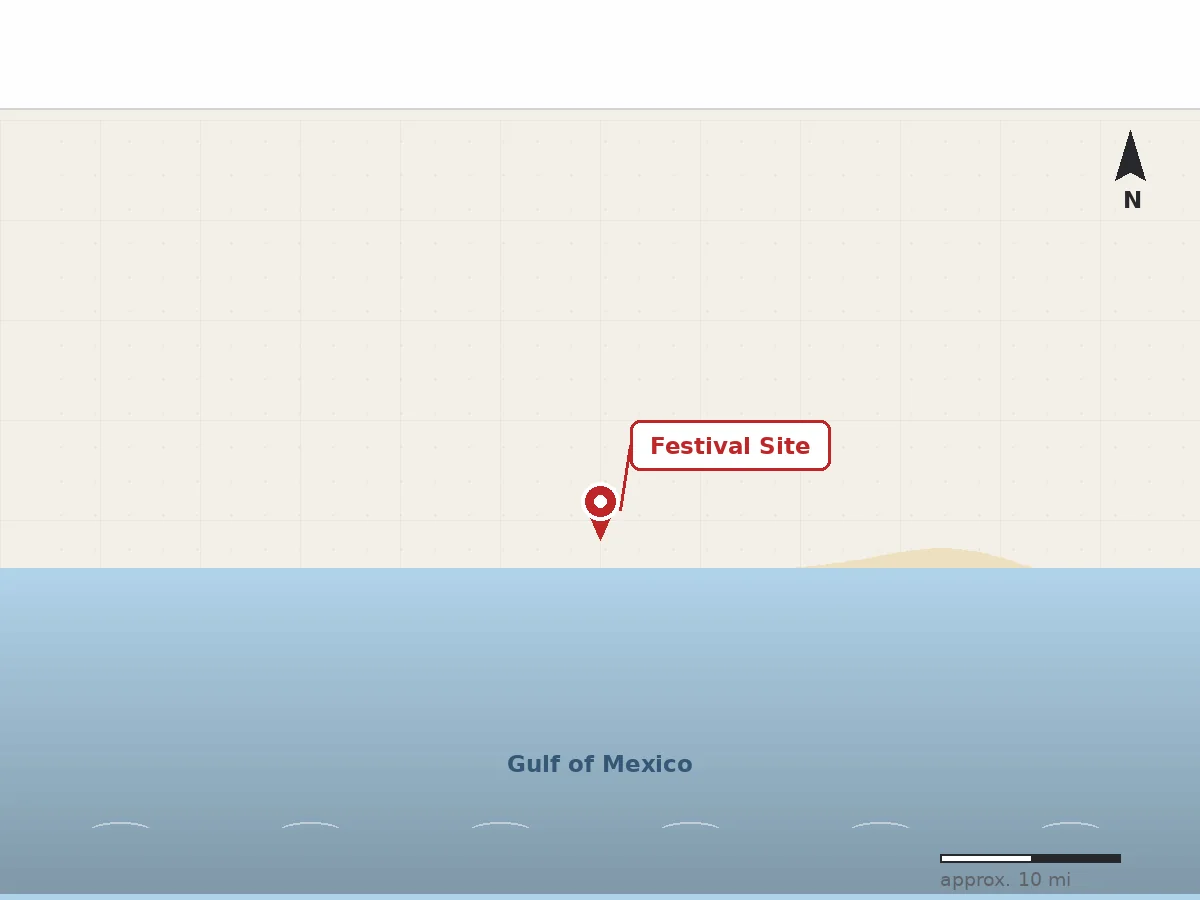
The Lafourche Parish Fair takes place in the Lafourche Parish area, with Thibodaux — the parish seat — serving as the main reference point for visitors traveling to the grounds.
Lafourche Parish Fair Questions, Answered
When does the Lafourche Parish Fair usually take place?
The fair is held in autumn in most years, typically over a weekend or a short run of days. Because exact dates shift from year to year, check current local listings or community calendars before planning travel.
Is there an admission fee?
General admission is free in most years. Individual costs — food, drinks, rides, games, and fundraiser items — are set by vendors and organizers, so budget for what you plan to do rather than for a gate fee.
Is the fair a good outing for young children?
Yes. The fair is built around families, with rides, games, livestock and exhibition areas, and plenty of open space. Mornings and early afternoons are easiest for small children, when lines are shorter and the heat is milder.
Can I combine the fair with a longer trip through bayou country?
Absolutely. Thibodaux makes a practical base, and the bayou corridor, marsh landscapes, and seafood restaurants of Lafourche Parish are worth a day or two on their own. Houma and the New Orleans area are both reachable by car for travelers building a wider itinerary.
Looking Ahead to Future Lafourche Parish Fairs
Parish fairs survive by adapting. The future of the Lafourche Parish Fair will likely depend on the same things that have sustained it: volunteers willing to organize, vendors and exhibitors who keep returning, and families who treat the fair as part of their autumn routine. Continued interest in local food, regional music, and hands-on agricultural traditions works in its favor, and the parish’s steady population gives it a dependable base of visitors.
For travelers, the advice is simple: watch for the current year’s dates, plan around the weather, and treat the fair as one part of a longer look at Lafourche Parish. The event changes little in spirit from year to year, and that consistency is the point.
Last updated: October 2026
Come for the food and the music, stay for the drive down the bayou, and you’ll understand why a parish fair in this corner of Louisiana is less an event than a habit — one that Thibodaux and the communities around it have kept for generations.