Ascension Parish Louisiana Ascension Parish Fair Festival
The Landry family leaves home early, before the Louisiana heat settles over the cane fields. Dwayne loads folding chairs into the truck, Renée packs a cooler of water and juice boxes, and nine-year-old Elise and six-year-old Caleb argue over who gets to carry the sunscreen. Miss Odette, Renée’s mother, takes the front seat with a thermos of coffee and the announcement that she intends to enter the baking competition this year. Their destination is the Ascension Parish Fair.
The drive is short and flat, past cane fields, cypress-lined ditches, and roadside stands. This is a parish of 303 square miles along the Mississippi River, founded in 1807, with its seat at Donaldsonville and about 126,500 residents counted in the 2020 census. The fair pulls from all of it: small communities, farms, subdivisions, and families who have worked this ground for generations.
Ascension Parish Fair Basics: Where, When, and What It Costs
| Festival | Ascension Parish Fair |
| Town / area | Ascension Parish area, Louisiana (parish seat: Donaldsonville) |
| Population | About 126,500 (2020 census) |
| Land area | 303 square miles |
| Founded | 1807 |
| Typical timing | A multi-day run during the autumn fair season, in most years |
| Admission | Generally free to enter; food, rides, and games cost extra |
| Setting | Open fairgrounds with exhibit halls, livestock space, and a midway |
| Signature features | Agricultural and home-crafts exhibits, carnival rides, fair food, live music, community booths |
| Organizer | Local volunteers, civic groups, and community organizations |
What the Ascension Parish Fair Is All About
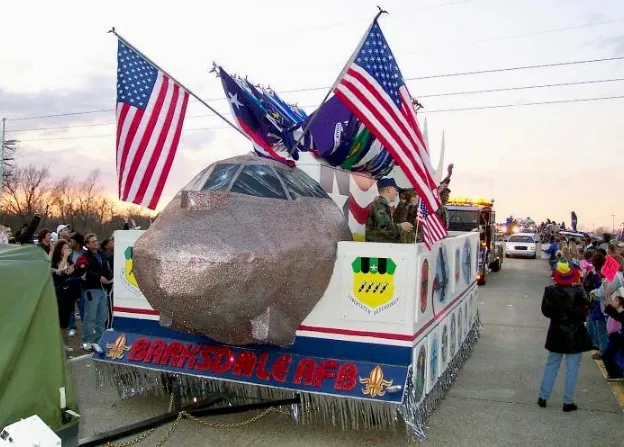
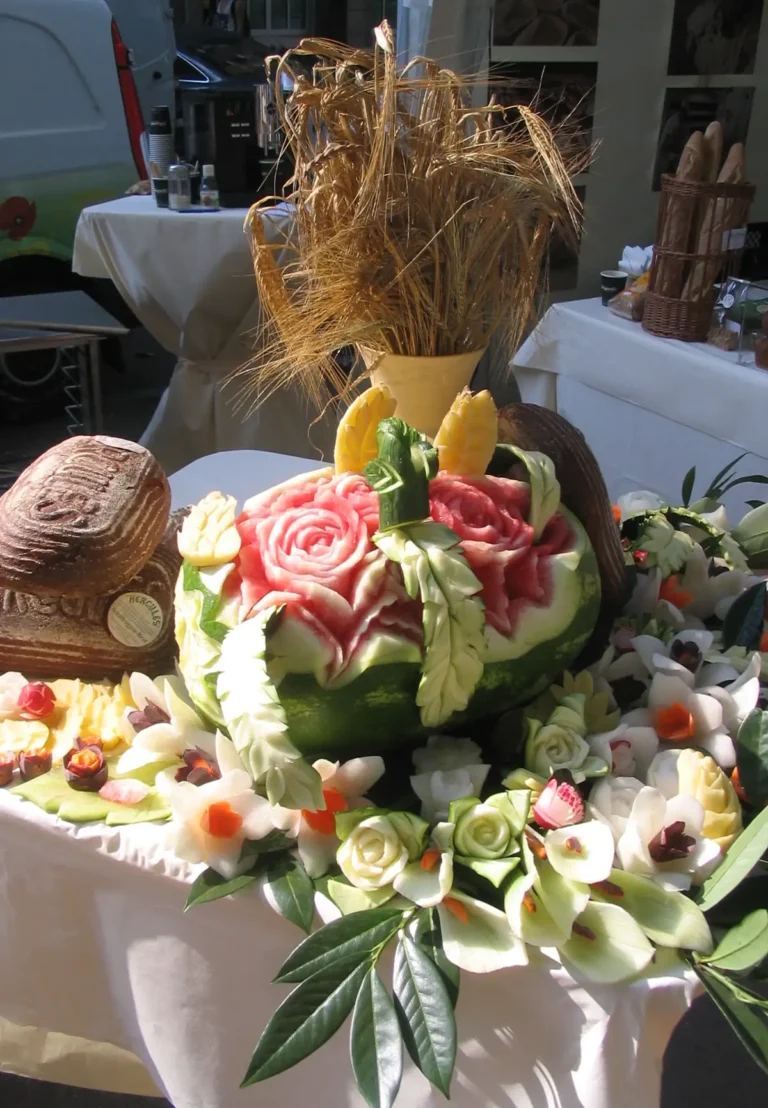
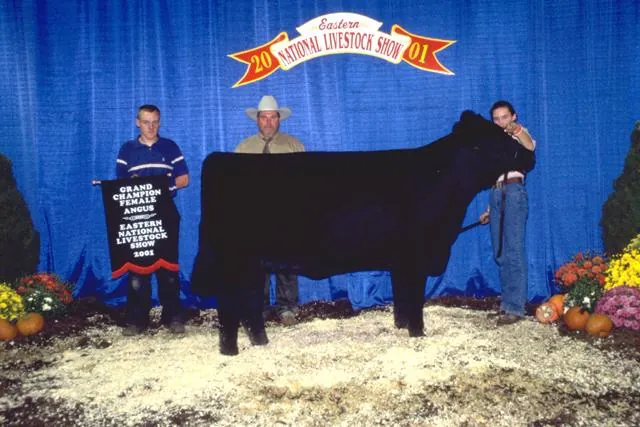
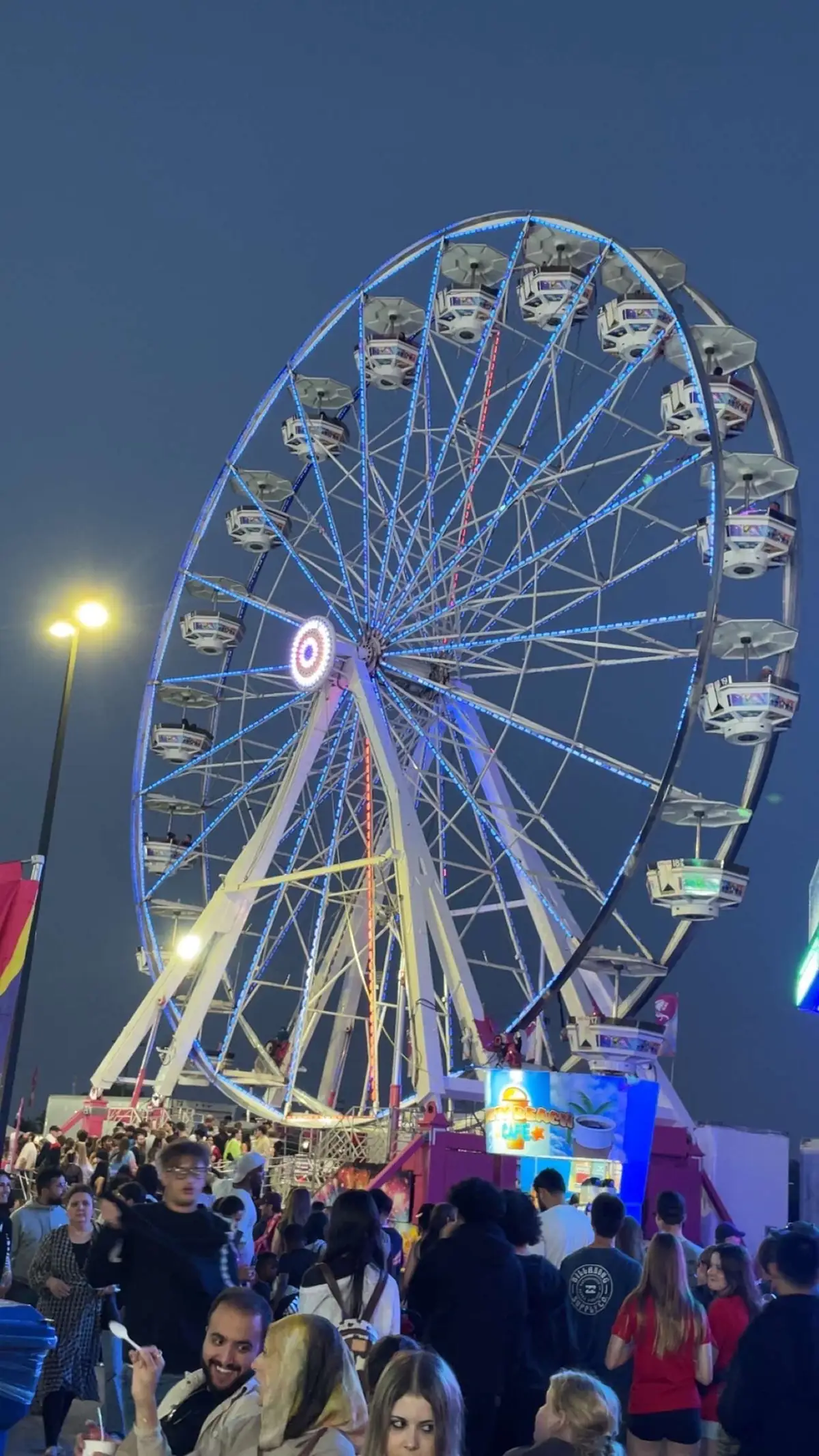
The Ascension Parish Fair is a community fair in the oldest sense of the phrase. It is part carnival, part harvest celebration, and part family reunion for a parish that stretches from the Mississippi River levee back into cane and cattle country. Expect a midway with rides and games, exhibit halls full of judged entries, a livestock barn, food stalls, and at least one stage running live music into the evening.
In most years the fair is a multi-day run in the autumn, often built around a weekend, and entry is generally free — you pay for what you eat, ride, and play rather than for the gate. That structure keeps it accessible to families and keeps the focus on the exhibits and the community groups that fill the grounds. Much of the work is done by volunteers, which is why the fair feels less like a production and more like a parish-wide potluck with a Ferris wheel attached.
River Country Roots: How the Fair Grew From Ascension Parish Soil
Ascension Parish was founded in 1807, carved out of the river country between Baton Rouge and the parishes to the south. For most of its history the local economy ran on the Mississippi: sugar cane, cypress timber, river trade, and the plantations and small farms that lined the levee. Donaldsonville, the parish seat, grew as a river town and trading center, and it still holds the kind of historic downtown that reminds you how old this place is.
Parish fairs across Louisiana grew out of that agricultural world. Farmers gathered to compare crops and livestock, families entered preserves, breads, and needlework in judged competitions, and the whole thing was wrapped around a dance, a meal, and a chance to see neighbors. The Ascension Parish Fair continues that tradition, keeping the exhibit halls and the livestock barn at the center even as carnival rides and food vendors expanded around them.
Over the decades the fair has tracked the parish’s changes. As Ascension Parish grew into the Baton Rouge metro — the 2020 census counted about 126,500 residents — the grounds filled with a mix of farm families, commuters, and newcomers. The competitions stayed, the food stayed, and the fair kept its place as one of the few events where the whole parish shows up in the same field.
Inside the Fairgrounds With the Landrys
By late morning the Landrys are through the gate, wristbands on, schedule in hand. Miss Odette disappears toward the exhibit hall with her covered dish. What follows is the shape of a typical fair day here.
Fair Food With a Louisiana Accent
Fair food here comes with a Louisiana accent. Alongside the funnel cakes, corn dogs, and cotton candy you’ll typically find jambalaya, gumbo, boudin, sausage po’boys, red beans, and sweets like pralines and snowballs. Church groups, civic clubs, and local vendors often run the booths, which means the food is frequently somebody’s grandmother’s recipe scaled up to feed a few thousand people. Dwayne heads for the sausage; the kids head for anything fried and sugared.
Stages, Music, and Evening Entertainment
Live music anchors the evenings. Expect a mix of Cajun and zydeco, country, swamp pop, and cover bands, plus school groups, dance troupes, and pageants earlier in the day. Seating is informal — folding chairs, picnic tables, tailgates — and the crowd drifts between the stage and the midway as the light drops. Bring a chair, claim a spot near the stage, and let the kids burn off energy on the rides between sets.
Family Activities From the Barn to the Midway
For children the fair is a full day: carnival rides and games, a livestock barn with cattle, goats, and rabbits, and exhibit halls full of youth agriculture projects, art, and crafts. Grandparents tend to gravitate to the quilts, canned goods, and antique displays. Contests and demonstrations run through the afternoon, so pick up a schedule at the gate and plan around whatever your family cares about most.
Planning Your Own Fair Day in Ascension Parish
Getting to the Ascension Parish Area
The parish sits along the Mississippi between Baton Rouge and the river parishes to the south, with Donaldsonville as the seat and the Gonzales and Prairieville corridor holding most of the retail and lodging. Most visitors drive in; the roads are flat and easy, though two-lane routes can slow behind farm equipment during harvest. Arrive before midday if you want to park close and beat the afternoon crowd.
Where to Stay Near Donaldsonville and Gonzales
Lodging clusters around the Gonzales and Prairieville side of the parish, where chain hotels line the interstate corridor, with smaller options closer to Donaldsonville. Fair weekends fill quickly, so book early if you are coming from out of town. Campers sometimes stay at regional RV parks and campgrounds within a reasonable drive, which suits families who want a slower weekend.
Parking Around the Fairgrounds
Parking is typically in open grass and gravel lots around the grounds, with volunteers directing traffic. Arrive early for the shortest walk, note where you parked — one field looks much like another after dark — and keep a phone light handy for the walk back. If it has rained, wear shoes you don’t mind getting muddy.
Admission, Ride Tickets, and What Things Cost
Admission is generally free, which makes the fair an easy outing for big families. Costs come inside: ride tickets or wristbands, games, food, and raffle tickets. Bring cash for the smaller booths and church stands, keep a card for larger vendors, and set a spending limit with the kids before you walk through the gate. Many families give each child a set amount and let them decide how to spend it.
Louisiana Weather and What to Wear
Autumn in south Louisiana means warm, humid afternoons and cooler evenings, with a real chance of rain. Dress in light layers, bring sunscreen and bug spray, and pack a light jacket for after sunset. Comfortable shoes matter more than anything else — you will walk more than you expect. If a shower rolls through, the exhibit halls and barns are good places to wait it out.
A Sample Fair Weekend, Morning to Night
If the fair opens on a weeknight, that is the easy night: arrive around suppertime, eat at the food booths before the lines form, walk the exhibit halls while they are quiet, and let the kids ride the midway until the lights come on. Young children and anyone who wants a calm look at the livestock barn should start here.
Your main day: arrive by mid-morning for parking, hit the barn and exhibits first, grab lunch from a church booth around midday, then move to the midway in the early afternoon while the stages are between acts. Claim a spot near the stage with folding chairs late in the afternoon, eat dinner from a different booth than you did at lunch, and stay for the evening band.
The closing day is quieter. Come back for the last of the judged exhibits and any closing ceremonies, buy something from the craft booths, and leave before the afternoon rush. If you have only one day, the middle day gives you the fullest version — but the final hours are when locals linger and talk.
How the Ascension Parish Fair Compares With Nearby Options
The Ascension Parish Fair is smaller and more local than the big regional events. Compare it with a few other ways to spend a fall weekend in this corner of Louisiana. Donaldsonville itself, for instance, offers a historic downtown, river views, and a slower, architectural kind of afternoon that pairs well with a morning at the fair.
Then there is the Gonzales and Prairieville corridor, where shopping, chain restaurants, and family entertainment dominate — handy for lodging and supplies, but not the same experience as a fairground. Farther out, the wider river parishes and Baton Rouge offer bigger festivals, bigger crowds, and more driving. The parish fair sits in the middle: easy to reach, genuinely local, and cheap enough to visit twice in one weekend.
Fair-Day Checklist for Ascension Parish Families
Pack light and practical: cash in small bills, a refillable water bottle, sunscreen, bug spray, hats, and a light jacket for the evening. Bring folding chairs or a blanket if you plan to sit near a stage, plus a tote bag for crafts, prizes, and leftovers. Wear closed-toe shoes you don’t mind dirtying. Charge your phone and agree on a meeting spot with older kids in case anyone gets separated in the midway. Check the schedule before you leave so you know which exhibits and performances matter most, and confirm the year’s rules on coolers, pets, and outside food.
Beyond the Fairgrounds: Donaldsonville and the River Road
The fair is a good excuse to see the rest of the parish. Donaldsonville, the parish seat, has a historic downtown with old commercial buildings, churches, and streets that still follow the river’s logic. Drive the River Road and you’ll pass levee-top views, cane fields, and the plantation-era landscape that shaped this stretch of Louisiana.
Food is its own reason to linger: seafood houses, plate-lunch spots, and family restaurants serving gumbo, fried catfish, and po’boys. Parish parks and boat launches along the river and bayous make for an easy afternoon, and Baton Rouge is close enough for a museum stop or a college-game weekend if you are turning the trip into something longer.
Why the Fair Still Matters in Ascension Parish
The fair matters because it is one of the few events that still gathers the whole parish in one place. Farm families, commuters, retirees, and newcomers all end up in the same exhibit hall or the same line for jambalaya. The competitions keep skills alive — canning, baking, sewing, raising livestock — that might otherwise skip a generation. Money raised at booths and raffles usually stays local, flowing back to churches, schools, and civic groups.
For a parish that has grown quickly, from river plantations to a Baton Rouge metro community of about 126,500 people at the 2020 census, the fair is both a reminder of what the place was and a way of folding new neighbors into it.
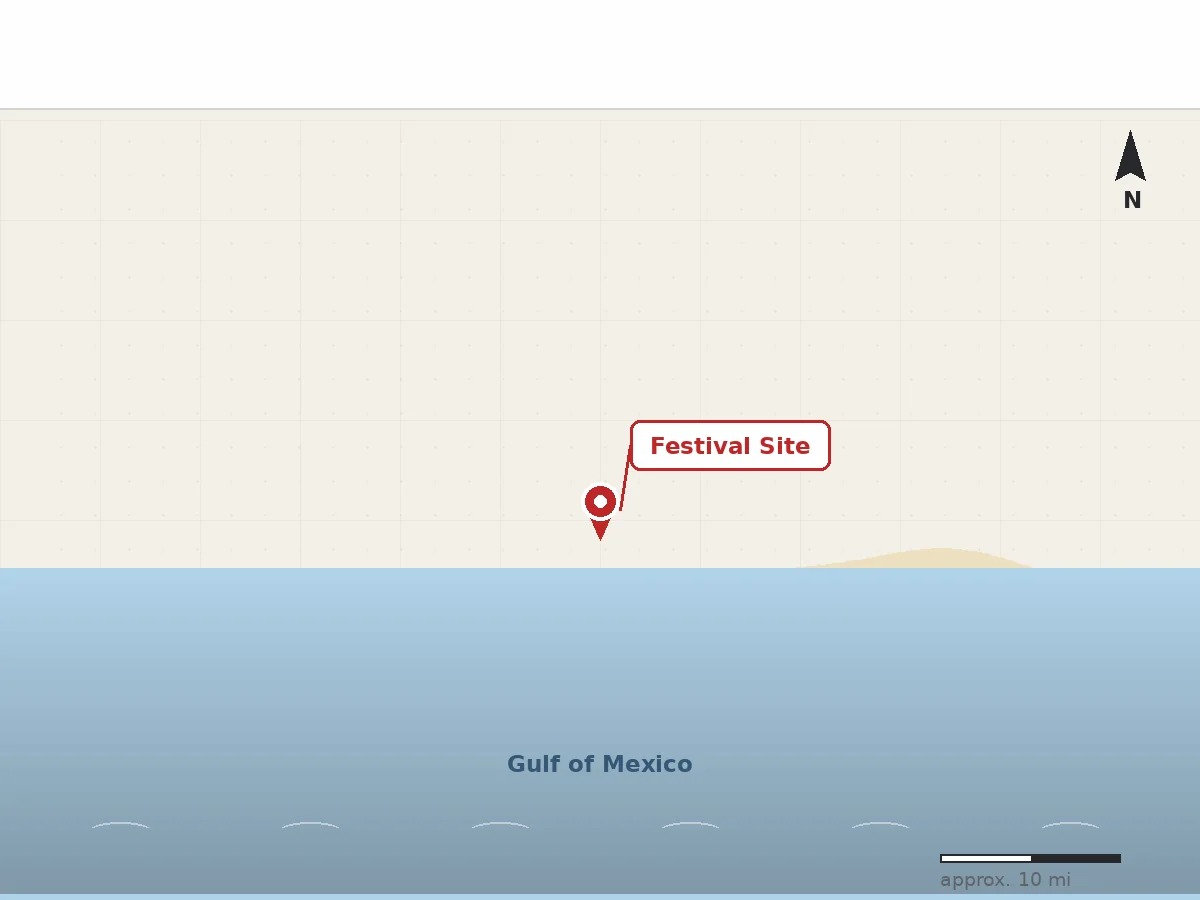
Where the Ascension Parish Fair Sits in the Parish
The Ascension Parish Fair takes place in the Ascension Parish area of Louisiana, in the river country around the parish seat of Donaldsonville.
Ascension Parish Fair Questions, Answered
Is the Ascension Parish Fair free to attend?
In most years general admission is free, with costs limited to rides, games, food, and raffles inside the grounds. That makes the fair an inexpensive family outing, though you should still budget for parking in some lots and for whatever the kids decide they need on the midway.
When is the Ascension Parish Fair usually held?
The fair typically runs for several days during the autumn fair season, often spanning a weekend. Exact dates shift from year to year, so check local listings and community calendars before you build a trip around it.
Is the fair a good outing for young children and grandparents?
Yes — it is built for mixed-age groups. Small children get the midway, games, and livestock barn; older visitors get the exhibit halls, music, and food. Bring a stroller or wagon for tired legs, plan a midday break in the shade, and expect the grounds to be busiest in the late afternoon and evening.
What should I bring to the fair?
Cash, water, sunscreen, bug spray, and comfortable shoes are the essentials. Folding chairs help for evening music, and a tote bag is useful for crafts and leftovers. Check the year’s posted rules on coolers, pets, and outside food before you go, since policies can change.
Looking Ahead to Future Ascension Parish Fairs
The fair’s future looks a lot like its past, only busier. Ascension Parish keeps growing, and each new subdivision adds families who have never been to a livestock barn or entered a pie in a judged competition. The challenge for organizers is keeping the volunteer base strong enough to run a multi-day event while making room for newcomers.
Expect the fair to keep its agricultural core — exhibits, animals, home crafts — while leaning further into live music, food variety, and family entertainment. If you have been meaning to go, this is a good era to start: the fair is still local, still free to enter, and still small enough to walk in an afternoon.
Last updated: October 2026
Fair day ends the way it should. The Landrys leave with a ribbon Miss Odette swears was judged unfairly, a stuffed animal Caleb won on his third try, and a tote bag of jams and pickles bought from a booth run by a woman who knew Dwayne’s father. They will be back next year — same field, same crowd, same smell of fry oil and cane smoke drifting over the levee.