Wilkes County Georgia Mule Day Heritage Festival
Wilkes County is 474 square miles of east central Georgia — pine ridges, cattle pasture, old cotton ground, and a handful of towns that still close up politely on Sunday. Once a year, that countryside turns its attention to the animal that cleared its fields and hauled its harvests: the mule. Mule Day Heritage is the county’s homecoming, a weekend when draft animals, wagon wheels, and long family stories take over the grounds and the surrounding community turns out in force.
This article is written for the second-time visitor. If you have already been once, you know roughly where to park and what the food line looks like at noon. The useful part now is timing — which hours to claim, which corners to wander, and which parts of Wilkes County deserve the extra half-day you have left.
Mule Day Heritage in Wilkes County: The Basics
| Town / place | The Wilkes County area, anchored by the county seat |
| County | Wilkes County, Georgia |
| County seat | Washington |
| Population | 9,565 (2020 census) |
| Region | East central Georgia |
| Typical timing | One weekend each year; the date shifts, so confirm locally |
| Admission | Generally free; some activities and vendors charge separately |
| Setting | Open grounds and small-town streets in rural Wilkes County |
| Features | Draft-animal demonstrations, wagon rides, heritage crafts, food, live music, family activities |
| Organizer | A community-led effort staffed largely by local volunteers |
What Mule Day Heritage Actually Is, and Who Shows Up
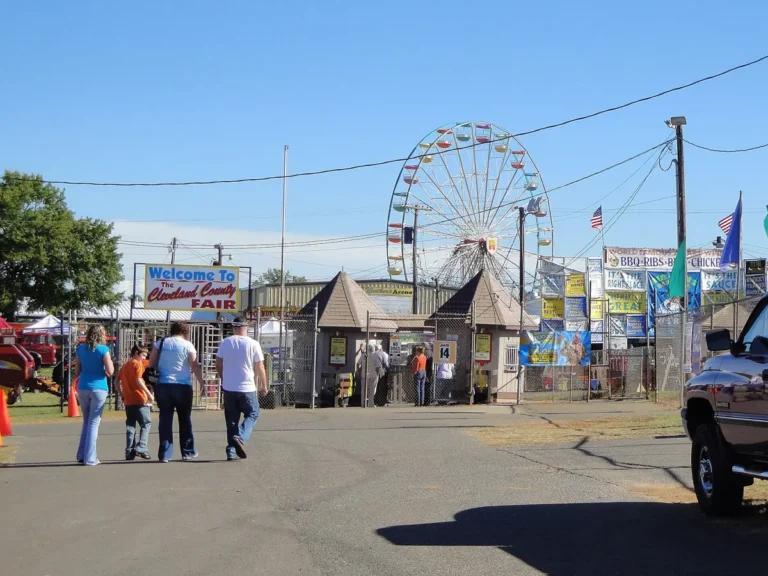
Strip away the vendor tents and the parking volunteers and Mule Day Heritage is a working demonstration of rural skill. Teams of mules and draft animals are hitched, driven, and put to work in front of an audience that includes as many farmers as day-trippers. Around that center of gravity sits the rest of a county fair’s DNA — craft booths, food trailers, a procession of some kind, live music, and children handed a lead rope for the first time.
What separates it from a generic small-town festival is the audience. Wilkes County’s population was 9,565 at the 2020 census, and a good share of that number either attends, volunteers, or sells something. Conversations restart where they left off a year earlier. For a returning visitor, the honest advice is to slow down: the demonstrations reward standing still, and the people running them will answer questions all day.
Mules, Cotton, and the Long Memory of Wilkes County
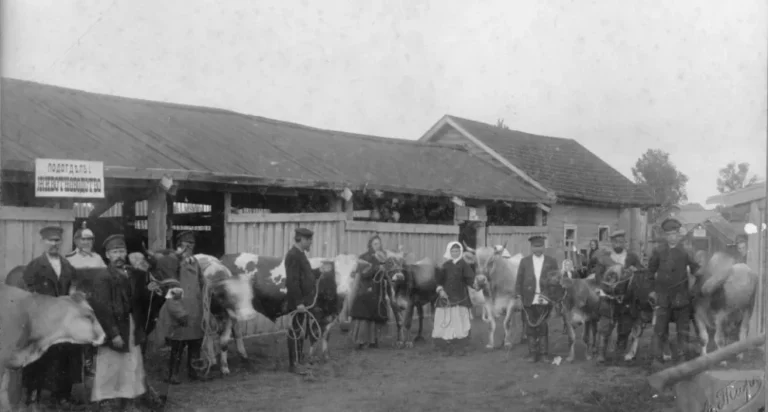
Wilkes County was laid out in the 1770s and named for a British politician; the county seat carries the name of a different man entirely. For most of the nineteenth and early twentieth centuries this was cotton country worked by mule power. A mule could take Georgia heat, eat less than a horse of comparable size, and outlast both on a red clay hillside. When tractors arrived, the animals did not vanish from the landscape so much as retreat to its edges.
Mule Day grew out of that memory rather than any single founding moment. Like most heritage weekends in the rural South, it assembled itself over time — a plowing demonstration here, a wagon ride there, a civic club selling plates to raise money for something else. Over the years it hardened into a tradition with its own rhythms: the same families bringing the same teams, the same vendors claiming the same spots, the same stories told slightly taller each time.
The result is a festival that functions as a family reunion with a livestock component. Older residents remember when mules were not nostalgia but payroll. Younger ones learn to hitch a team from someone who has done it for decades. That transfer of knowledge, informal and unhurried, is the part no bigger event in a bigger town can replicate.
What a Return Visit to Mule Day Feels Like
First-timers sprint. Returning visitors pace themselves, because the day reads best in layers: animals early, food when the lines thin, music in the late afternoon when the shade is long and the crowd has settled.
Food: Plate Lunches, Boiled Peanuts, and Church-Tent Cooking
Expect the standard grammar of Georgia festival food — barbecue plates, smoked sausage, fried everything, boiled peanuts, sweet tea by the gallon, and a funnel cake stand that never seems to close. The best eating is usually wherever a civic group or church is cooking, because that food is made to a recipe rather than a spec sheet. Bring cash for the small stands. If you are returning, eat early or late and spend the middle of the day on your feet.
Music and Entertainment: Fiddle Tunes, Gospel, and a Slow Procession
The entertainment is deliberately unflashy: local bands, string players, gospel groups, and a stage that runs on a loose schedule. A parade or procession of animals and wagons often threads through the day, moving at the speed of a walking mule, which is exactly the point. Returning visitors claim a spot on the shady side of the street well before anything starts, and treat the schedule as a suggestion rather than a contract.
Family Activities: Wagon Rides, Petting Pens, and Hands-On Heritage
Children get the run of the place. Wagon rides, close-up introductions to draft animals, craft demonstrations, and simple games keep younger visitors occupied without a screen in sight, and most of it is free or nearly so. The one rule worth repeating to kids is the one every handler gives: ask before you touch, and stay outside the fence unless you are invited in.
Planning a Mule Day Weekend in Wilkes County
Wilkes County is generous with space and thin on infrastructure, so a little planning goes a long way. None of it is complicated; all of it is easier decided the night before rather than at the turnoff.
Getting There: Two-Lane Roads and a Small-Town Grid
The county sits in east central Georgia, within reach of several larger towns and the highways connecting them. The last stretch is two-lane, and the last mile is the slow one. Arrive before mid-morning or after the lunch peak for an easy approach, and build in extra time — everything here is farther apart than it looks on a map.
Where to Stay: Farm Stays, Small-Town Rooms, and Neighboring Cities
Lodging inside Wilkes County is limited, and festival weekend is when it goes first. Returning visitors book early, often basing themselves in a neighboring town and driving in for the day. Vacation rentals and farm stays in the surrounding countryside can be excellent value for a group, and if you are flexible about a 45-minute drive, your options multiply considerably.
Parking: Grass Lots, Church Yards, and Patience
Parking is informal. Expect grass fields, church lots, and volunteers waving you into places that are not obviously parking until someone waves you in. Follow directions rather than instincts, keep a few dollars ready in case a lot charges, and note a landmark near your car — after a full day of mules and barbecue, every field looks the same.
Admission and Costs: What Is Free and What Is Not
Admission is typically free. Your money goes to food, crafts, raffle tickets, and whatever local groups are selling to fund their year. Bring cash, keep small bills handy, and treat the day as a chance to spend locally rather than to save. A family can do Mule Day on a modest budget and still eat very well.
Weather: Damp Mornings, Warm Afternoons, and a Plan B
Georgia weather does what it wants. Mornings on open ground can be cool and dewy, afternoons warm and humid, and a shower can arrive with little warning. Dress in layers, wear shoes you do not mind getting muddy, and carry a poncho rather than an umbrella. Most events go on in light rain; heavy weather may shift or shorten things.
A Two-Day Mule Day Weekend, the Way Returning Visitors Do It
Day one, morning: arrive early, park where you are told, and head straight for the animal demonstrations before the crowd thickens. Watch a team being hitched — the harness work is the real show.
Day one, midday: eat early, then use the peak hours to walk the vendor line and craft demonstrations while everyone else queues for food. Sit in the shade for the music.
Day one, late afternoon: stay for the last of the entertainment, then drive a loop through the county while the light is good. Dinner in a nearby town, and an early night.
Day two, morning: return for whatever you missed — the procession, a second pass at the demonstrations, a real conversation with a handler. Buy something from a maker rather than a reseller.
Day two, afternoon: leave the grounds and spend the remaining hours on the local stops below. Drive home before dark if you have distance to cover; deer and two-lane roads are a poor combination.
Mule Day Beside Washington, Lexington, and Elberton
Wilkes County’s own town of Washington gives you the classic Georgia courthouse-square experience: historic buildings, a walkable grid, and a quieter pace on any ordinary weekend. Lexington, to the west in Oglethorpe County, offers a similar small-town square with its own historic character. Elberton, to the north, is a bigger, busier town with a very different economic story.
The comparison is mostly useful for planning. If you want a festival that swallows an entire town, Mule Day is not that — and that is its appeal, because you can see all of it and still have time for the countryside. Pair it with one of these neighboring towns for lunch or an afternoon, and a single weekend starts to feel like a proper trip.
A Returning Visitor’s Mule Day Checklist
Cash in small bills; a hat and sunscreen; closed-toe shoes that can handle mud; a refillable water bottle; a folding chair if you plan to sit through the music; a light rain jacket; a phone battery pack, since rural signal and heavy use drain a battery fast; and a tote bag for whatever you buy.
Also worth packing: patience for the parking fields, a willingness to talk to strangers, and a mental note of where you parked. If you are bringing children, agree on a meeting point before you walk in. If you are bringing a camera, ask before photographing people and their animals — most will say yes.
Beyond the Grounds: Wilkes County After the Wagons Leave
The festival is a doorway, not the whole house. Wilkes County rewards a slow drive: red clay roads, pine stands, pastures with cattle and the occasional donkey keeping watch, and small communities whose churches are older than most of the state’s cities. Historic markers appear at intervals, and reading a few turns a drive into a history lesson.
Give yourself time in the county seat as well. A courthouse square, older houses, and a cemetery or two will tell you more about the place than any brochure. Antique shops and local restaurants in the surrounding towns make natural stops. The point of a return visit is that you no longer have to see everything in one day.
Why Mule Day Still Matters in a County of 9,565 People
In a county of 9,565 people spread across 474 square miles, gathering everyone in one place is an achievement in itself. Mule Day does that. It gives the county a shared date on the calendar, a reason for people who moved away to come back, and a stage for skills that would otherwise be learned by nobody.
It also puts money where it stays. Vendors, churches, civic groups, and local businesses all take a share of a weekend’s spending that would otherwise leave the county. And it preserves something harder to price: the sense that this place has a specific history, tied to a specific animal, worth standing in the sun to remember.
Where Mule Day Sits in the Wilkes County Area
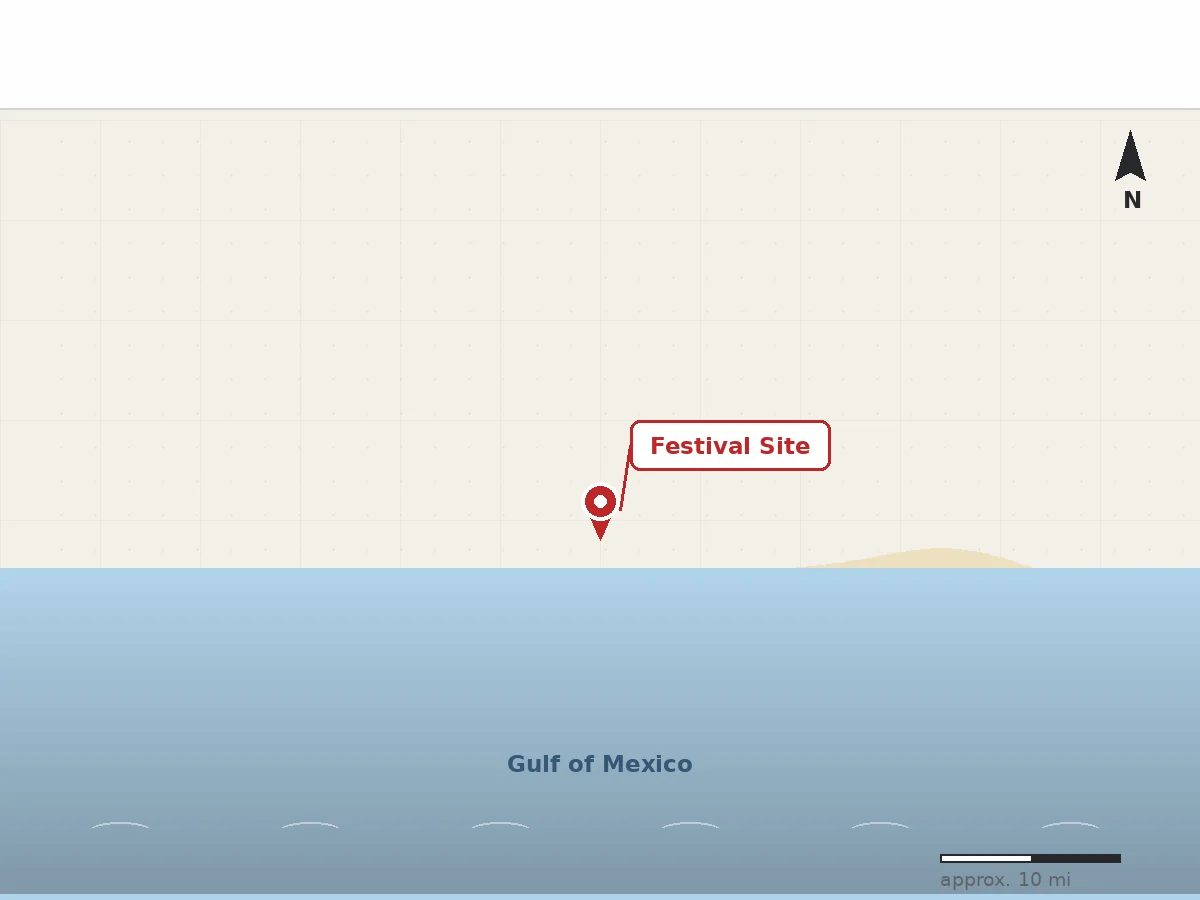
Mule Day Heritage takes place in the Wilkes County area of east central Georgia, with the county seat of Washington as the natural anchor for anyone navigating toward the grounds.
Mule Day Heritage: Answers for Returning Visitors
Is Mule Day Heritage free to attend?
Admission is typically free, and that is part of the festival’s character. You will still spend money — food, crafts, raffles, and whatever the local groups are fundraising for — so bring cash in small bills. Some individual activities may charge a small fee, and parking in a private lot may cost a few dollars.
How do I confirm the exact dates?
Timing shifts from year to year, so confirm the current weekend through local listings, community calendars, or word of mouth before you book lodging. Because the event is community-run, announcements tend to appear closer to the date than they would for a large commercial festival. Book lodging early regardless; it fills quickly.
Is this a good weekend for children?
Yes, and it is one of the better family weekends in the region. Wagon rides, up-close time with draft animals, craft demonstrations, and open space keep children busy without screens. Bring water, sunscreen, and shoes that can get dirty, and set a meeting point in case anyone wanders off in the crowd.
What should I do differently on a second visit?
Skip the circuit you did last time and go deeper in one place. Spend a full hour at the animal demonstrations, ask a handler about harness and feed, watch a craftsperson work start to finish, then leave the grounds to explore the county. Returning visitors get the most out of Mule Day by treating it as a base rather than a checklist.
What the Next Few Years May Bring to Mule Day
Heritage festivals like this one run on volunteer labor, and the honest long-term question for Mule Day Heritage is the same one facing rural counties everywhere: who takes up the work next. The encouraging sign is that the skills on display — driving a team, repairing harness, cooking for a crowd — are exactly what younger residents are beginning to seek out again.
Expect the festival to stay small on purpose. Its value lies in being the kind of weekend where you recognize half the people you pass, and growth would cost it that. What is likely to change is the audience: more visitors from outside Wilkes County, more interest in draft-animal work, and a stronger link between the festival and the countryside it celebrates. Last updated: October 2026
Come once and you will see a festival. Come twice and you will start to see a county — the way the fields run, the way people greet each other, the way an old working animal still draws a crowd on a warm afternoon. Mule Day Heritage is not trying to be the biggest weekend in Georgia. It is trying to be the one that remembers where it came from, and in Wilkes County that is more than enough.