Sherman County Kansas Northwest Kansas District Free Fair Festival
Goodland, Kansas: Where the Northwest Kansas District Free Fair Comes Home
Goodland is the county seat of Sherman County, Kansas — a high plains town founded on September 20, 1886, and home to 5,927 residents at the 2020 census. It sits at the center of a county that spreads across 1,056 square miles of wheat ground, cattle pasture, and horizons that keep going long after the land seems to have stopped.
Every late summer, that wide, quiet landscape tilts toward one set of fairgrounds. The Northwest Kansas District Free Fair is Sherman County’s annual homecoming — a district fair as well as a county one, which means exhibitors, families, and spectators from across the region drive in for livestock shows, open-class exhibits, carnival lights, and grandstand nights. What follows is a look at what the fair is, where it came from, and how to plan a visit around it.
Sherman County Fair Snapshot: The Details Worth Knowing
| Host community | Goodland, Kansas |
| County | Sherman County |
| County seat | Goodland |
| County population | 5,927 (2020 census) |
| County land area | 1,056 square miles |
| Region | Northwest Kansas, high plains |
| Typical timing | Late summer, in most years during August |
| Admission | Grounds admission is typically free; carnival rides, food, and grandstand events carry their own costs |
| Setting | Traditional fairgrounds in the Sherman County area, with exhibit halls, livestock barns, and open space for grandstand events |
| Signature features | Livestock shows, 4-H and open-class exhibits, carnival midway, grandstand entertainment, fair food |
What the Northwest Kansas District Free Fair Actually Is
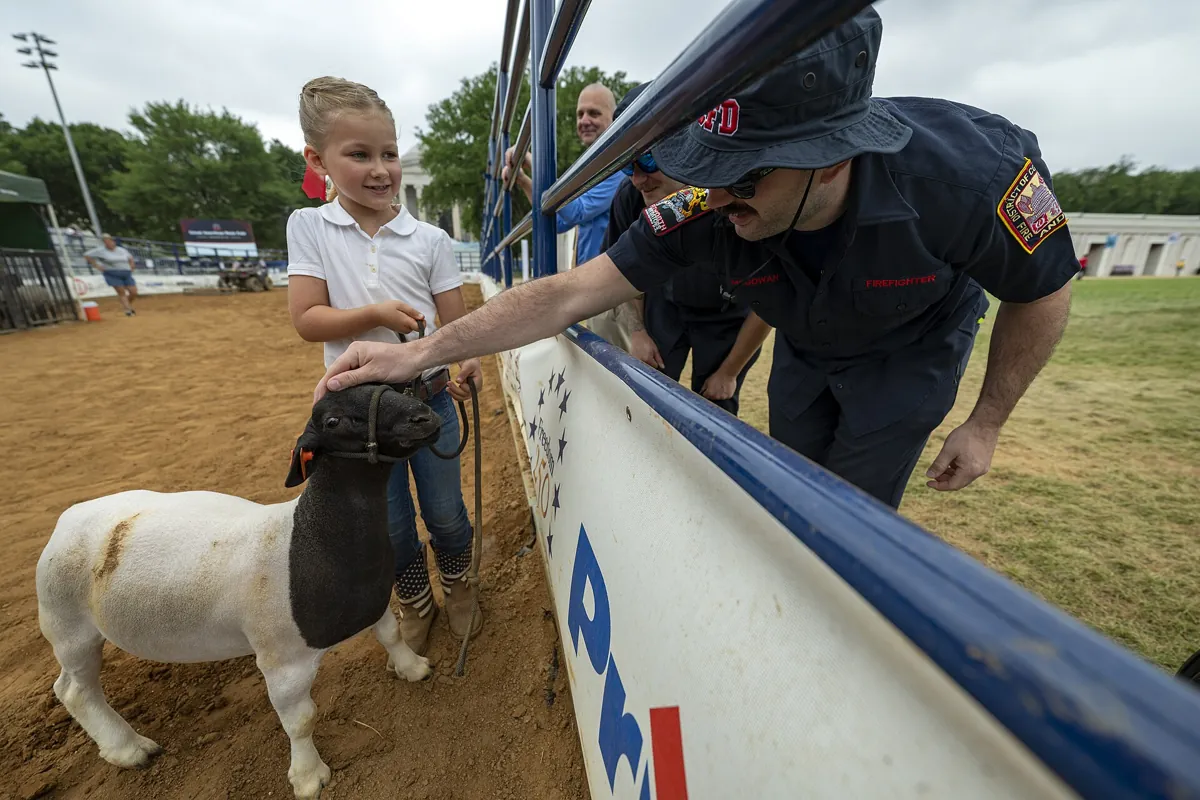
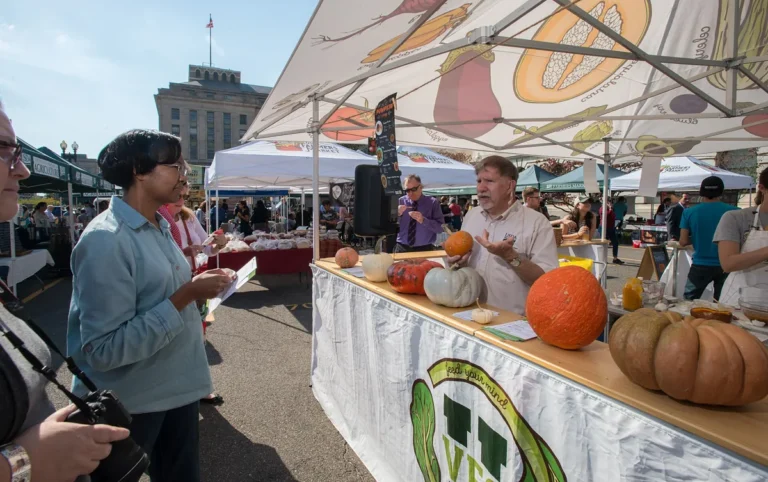
At its core, the fair is an agricultural showcase wrapped inside a community celebration. 4-H members and FFA students bring market animals and home projects; open-class exhibitors bring vegetables, baked goods, canned preserves, quilts, photography, and flowers. Judging happens in the open, ribbons go up on display boards, and the results get discussed with the seriousness usually reserved for politics.
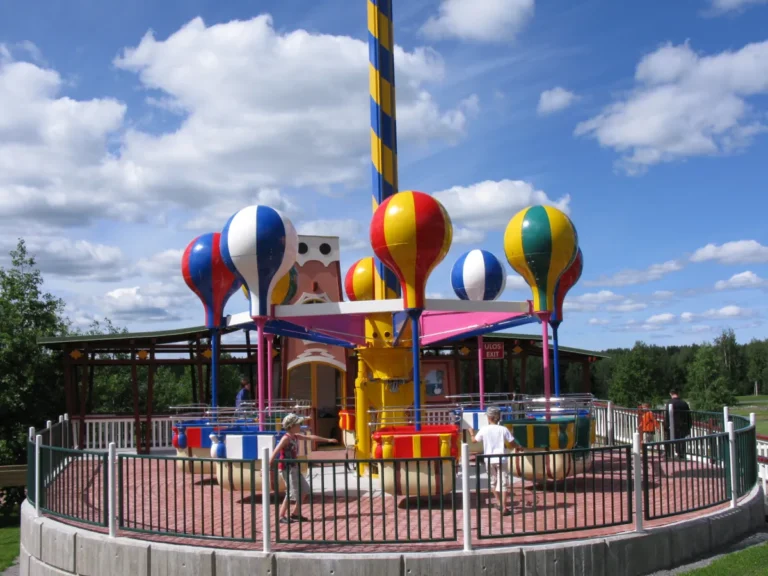
Around that competitive core sits the entertainment layer: carnival rides, games, concession trailers, a grandstand schedule that shifts from year to year, and the kind of unstructured wandering that small fairs do better than anyone. The word “free” in the name matters — a free fair is traditionally one with no gate fee, which keeps the event open to anyone who wants to walk in.
Because it is a district fair, the reach extends past Sherman County’s borders. Exhibitors and visitors come from neighboring counties, and the grounds briefly become the biggest shared living room in the region. If you’re planning a visit, think of it as a full evening rather than a quick stop — this is a fair that rewards lingering.
For another look at how a community turns its own traditions into a gathering, see the Sheridan County Kansas Sheridan County Fair Festival for a useful comparison.
From an 1886 County Seat to a District Fair Tradition
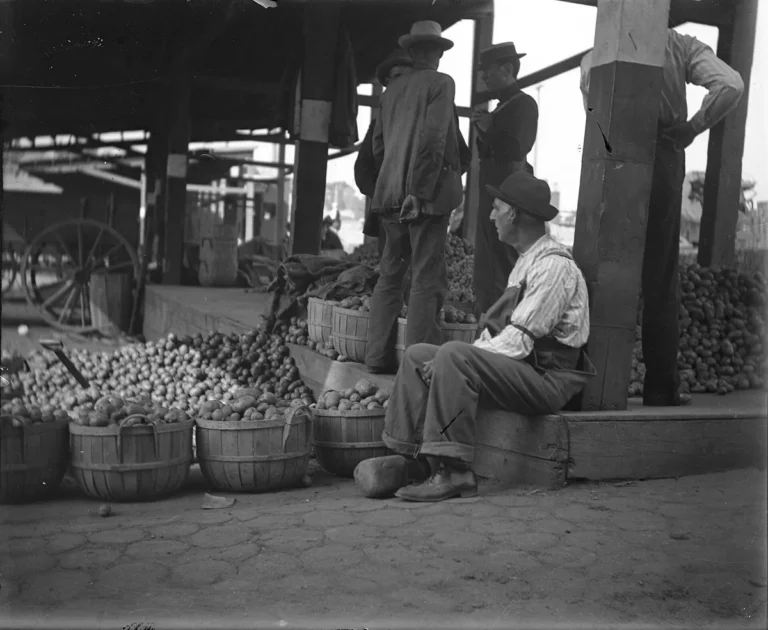
Sherman County grew up around Goodland, founded on September 20, 1886, and the fair tradition here came out of the same impulse that built the town: a need for people on an isolated prairie to gather, compare notes, and celebrate a good year. In the late nineteenth century, county fairs across the Great Plains were practical institutions as much as festive ones. They were where farmers learned which seed varieties held up, where livestock bloodlines were judged, and where a family’s year of work was measured against its neighbors’.
The free-fair model took hold in this part of Kansas because it removed the barrier that kept casual visitors away. No gate fee meant anyone could walk in — hired hands, schoolchildren, families from town — and the fair became a genuinely public event rather than a ticketed one.
Over the decades, the fair’s center of gravity shifted from horse-powered agriculture to the 4-H and FFA era. Youth exhibitors became the backbone of the livestock shows and exhibit halls, and the calendar reorganized itself around their projects. The district designation broadened the tent further, drawing entries and visitors from beyond Sherman County and giving the event a regional identity a purely local fair would not have had.
What hasn’t changed is the rhythm. Late summer, after the wheat is off and before school routines fully take hold, the fairgrounds fill up. Generations of Sherman County families mark the year by it, and many of the volunteers working the gates and weighing animals grew up showing in the same barns.
Inside the Fairgrounds: What a Day in Goodland Feels Like
A fair day here moves in layers. Morning belongs to exhibitors and judges; afternoon brings the carnival and the exhibit halls; evening is for grandstand events and the slow social drift between food stands. Plan on heat, dust, and long conversations.
Food Stands and Fair Fare in Goodland
Fair food at a Kansas district fair is its own genre: funnel cakes, corn dogs, burgers, nachos, snow cones, and a local stand selling pie by the slice. Church groups, booster clubs, and civic organizations typically run concessions, which means the money circulates straight back into the community. Bring cash for the small stands, and expect the longest lines right after the evening events let out.
Music, Motors, and Grandstand Nights
Grandstand programming varies from year to year, but the pattern is familiar: live music, demolition derby or motor events, tractor pulls, and family entertainment on the track or stage. Seating is usually first-come, and the best spot is wherever you land early. Check the fair’s posted schedule — the headlining nights are the ones that fill the grounds.
Family Activities and 4-H Exhibits for All Ages
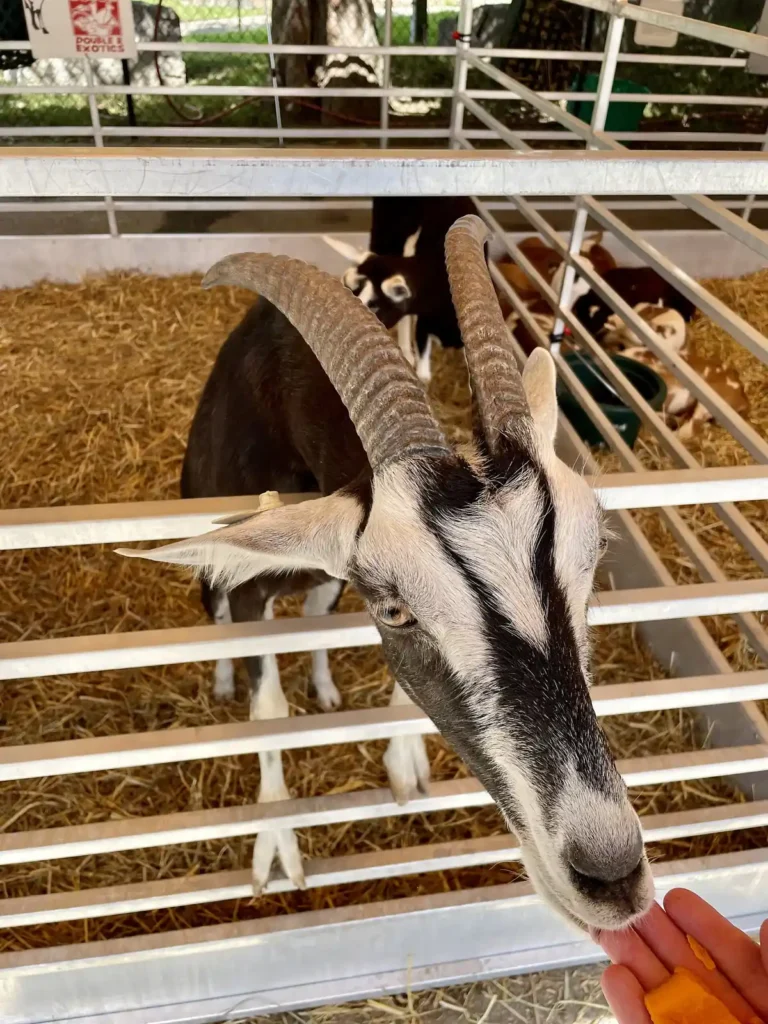
The exhibit halls are the sleeper hit for families. Kids can walk aisles of vegetables, canned goods, quilts, and photography, then head to the barns for rabbits, poultry, goats, sheep, swine, and cattle. Carnival rides and games anchor the midway, and there is usually a quieter corner for the youngest visitors. Strollers handle the grounds well, though gravel and grass are the norm.
Planning a Trip to the Sherman County Fairgrounds
The fair is a low-stress outing by design. You don’t need a season pass or a reservation — you need water, sunscreen, and a rough idea of which night has the event you want to see.
Getting to Goodland on the High Plains
Goodland sits in far northwest Kansas, and most visitors arrive by car. The town is the Sherman County seat and the natural hub for the surrounding rural communities, so the drive in from anywhere in the county is straightforward. Coming from out of the region, treat Goodland as the destination and the fairgrounds as the final short leg of the trip.
Where to Stay in and Around Sherman County
Goodland has the largest concentration of lodging in the county, with motels and guest accommodations clustered near the main travel corridors. Because the fair is a regional draw, rooms on the biggest nights go early — book ahead if you’re building a weekend around it. Campers and RV travelers often fold the fair into a longer plains road trip.
Parking Around the Fairgrounds
Parking at a county fair is usually a field, a lot, or a marked strip of grass, and it is generally free. Arrive before the evening grandstand event if you want a short walk; arrive late and you’ll join the slow parade in. Watch for livestock trailers and give them room.
Admission, Carnival Costs, and Cash
Grounds admission at a free fair is typically free — that’s the whole point of the name. Costs show up in the details: carnival rides and games, grandstand events, raffles, and food. Bring cash for small vendors and local organizations, and set a midway budget for kids before you walk in.
Late-Summer Weather on the Kansas Plains
Expect heat. Late summer in northwest Kansas means high temperatures, strong sun, and the occasional dramatic evening storm. Wear light clothing, drink more water than you think you need, and keep a light jacket or rain shell in the car. If weather rolls in, fairground events may pause — that’s normal, and it usually clears.
A Sample Fair Weekend in Goodland
Friday evening: arrive before the dinner rush, walk the exhibit halls while they’re still quiet, then eat your way down the midway. Catch the grandstand event if one is scheduled, and finish at the barns after dark, when they’re cooler and calmer.
Saturday morning: come back for the livestock shows. This is the fair at its most serious and most rewarding — kids in show whites, parents with brushes, judges taking their time. Walk the open-class exhibits and look for the local names you’ve been hearing about all year.
Saturday afternoon: carnival rides, games, and shade. Take a break at a food stand, then check the schedule for demonstrations or contests. Saturday evening is the busiest stretch — grandstand, midway lights, and the long goodbye at the gate. If the fair runs into Sunday, that day is usually quieter and better suited to families with small children.
How Sherman County’s Fair Compares with Neighboring Traditions
Northwest Kansas is county-fair country, and Sherman County’s event sits in a dense neighborhood of them. Thomas County to the east around Colby runs its own long-standing fair tradition, and Decatur County to the northeast and Wallace County to the west do the same. Each has a slightly different personality — some lean harder on rodeo, some on motor sports, some on youth livestock.
What sets the Northwest Kansas District Free Fair apart is the district designation and the free-admission model working together. It draws beyond a single county line while keeping the gate open, which gives it a broader, more inclusive feel than a strictly local fair. Touring the region in late summer, it’s easy to build a route around two or three county fairs in one trip.
Northwest Kansas District Free Fair Checklist for First-Timers
| Cash | Small vendors, carnival games, and raffles don’t always take cards. |
| Water and sunscreen | Late-summer sun on open fairgrounds is unforgiving. |
| Closed-toe shoes | Gravel, grass, and livestock barns are the terrain. |
| Schedule screenshot | Grandstand and show times shift from day to day. |
| Arrival buffer | Peak congestion hits the half hour before the evening event. |
| Cooler in the car | Keeps drinks cold for the walk back. |
Beyond the Fair: Goodland and the Sherman County Prairie
The fair is the centerpiece, but Sherman County rewards a slower look. The county covers 1,056 square miles of high plains, and the drive out from Goodland in any direction is a study in scale — wheat fields, windbreaks, grain elevators, and small communities that anchor the surrounding farm ground.
Pair the fair with a morning in Goodland itself, where the county seat’s history as an 1886 town is written into its street grid and its role as the region’s service center. For travelers crossing the plains, the fair is a good reason to stop rather than pass through.
Why the Free Fair Still Anchors Sherman County’s Year
In a county of 5,927 people spread across more than a thousand square miles, shared events are not a luxury — they’re infrastructure. The fair is one of the few times the whole county, plus neighbors, occupies the same space at the same time. It’s where scholarships get announced, where grandparents watch grandkids show an animal for the first time, and where a year’s work earns a ribbon or a nod.
It matters economically and culturally too. Exhibitors spend locally, vendors travel in, and the volunteer base that runs the fair represents a kind of civic labor that is increasingly rare. The fair survives because people in Sherman County keep choosing to make it happen.
Where the Fairgrounds Sit in Sherman County
The Northwest Kansas District Free Fair takes place in the Sherman County area around Goodland, the county seat, in far northwest Kansas.
Goodland Fair Questions, Answered Briefly
Is admission to the Northwest Kansas District Free Fair free?
As a free fair, grounds admission is traditionally free, and that’s the model the event was built on. Carnival rides, grandstand events, food, and games are where money changes hands, so budget for those rather than for a gate ticket.
When does the fair usually take place?
It’s a late-summer event, held in most years during August, after the wheat harvest and before the school year is in full swing. Exact dates shift annually, so check the current schedule before planning travel.
Is the fair good for young children?
Yes. The exhibit halls, barns, and midway are all family-friendly, and mornings and early afternoons are calmer than the evening rush. Bring a stroller, water, and a plan for the heat.
How long should I plan to spend at the fair?
Most visitors spend an evening; exhibitors and families with entries often spend the better part of a day or several. Coming from out of town, a full afternoon and evening gives you time for the barns, the exhibits, food, and a grandstand event.
The Next Chapter for the Northwest Kansas District Free Fair
District fairs across the plains are adapting — to changing agriculture, to smaller rural populations, and to audiences with more entertainment options than a generation ago. Sherman County’s fair has two advantages in that environment: a free gate that keeps it accessible, and a district footprint that keeps exhibitors coming from beyond one county line. As long as volunteers keep stepping up and families keep entering projects, the fairgrounds will keep filling each late summer.
Last updated: October 2026
Goodland was founded in 1886 as a county seat on the high plains, and for well over a century its late-summer fair has been the moment when Sherman County gathers in one place. Come for the livestock shows and the carnival lights, stay for the conversations, and leave understanding why a town of 5,927 people still builds its year around a few days at the fairgrounds.
One Comment