Charles County Maryland Charles County Fair Festival

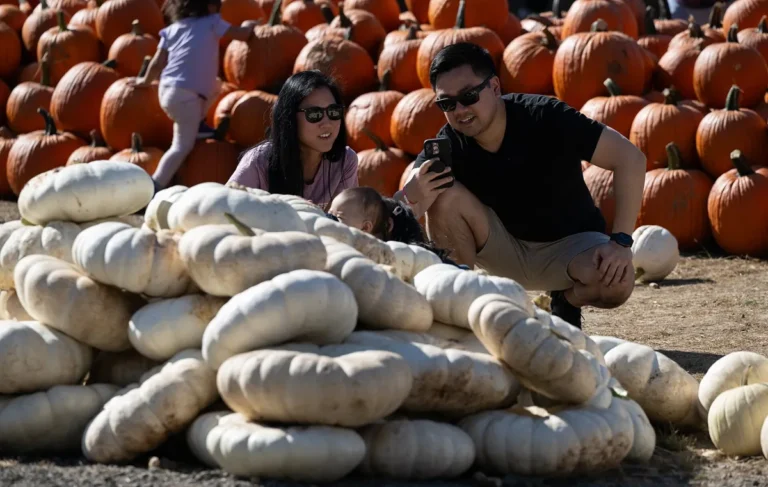
A first visit to the Charles County Fair is less about racing through a midway and more about settling into a rhythm Southern Maryland has kept for generations. The fair arrives each autumn, pulling families from La Plata, Waldorf, Indian Head and the rural stretches in between onto the same patch of fairground for a few days of livestock, fried food and small-town catching up.
If you have never been, the fair can feel deceptively large — part agricultural showcase, part community reunion, part carnival. This orientation walks you through what the Charles County Fair actually is, where it sits in county life, and how to plan a first trip so you spend your time enjoying it rather than decoding it.
Charles County Fair Essentials Before You Set Out
| Festival | Charles County Fair |
| Location | Charles County area, Southern Maryland |
| County seat | La Plata |
| County population | 166,617 |
| County land area | 643 square miles |
| County founded | April 13, 1658 |
| Typical timing | A multi-day weekend each autumn |
| Admission | Set annually by fair organizers; confirm current gate and ride pricing |
| Setting | Outdoor fairgrounds with a midway, stages and exhibit space |
| Organizer | Local volunteer fair organizers; check official fair channels for current contacts |
What the Charles County Fair Is, in Plain Terms
Strip away the funnel cakes and the Ferris wheel and a county fair is still a measuring stick. The Charles County Fair measures a year: who raised the best steer, whose tomatoes survived the summer, which teenager spent months on a woodworking project, which grandmother still wins the pickle ribbon. That judging tradition is the spine of the event, and everything else — the rides, the bands, the food trailers — grows around it.
Charles County itself is a useful frame for understanding the fair. It is a 643-square-mile county of 166,617 people, seated in La Plata since colonial times and founded on April 13, 1658. That mix of old and new shows up at the fairground: longtime farm families alongside newcomers who moved down from the Washington suburbs and are discovering the county’s rural side for the first time.
For a first-timer, the practical takeaway is this: the fair is mostly outdoors, spread across several zones, and best experienced at an unhurried pace. Expect to walk on grass and gravel, expect crowds in the evening, and expect to run into someone you know if you live anywhere in the county.
La Plata, 1658, and the County Fair Habit
Charles County was formally established on April 13, 1658, which makes it one of the older jurisdictions in Maryland and gives the fair a deep backdrop even if the event itself is a modern production. For most of the county’s history, its economy and calendar revolved around tobacco, then grain, then a slow shift toward the commuter towns that now ring La Plata and Waldorf.
County fairs across Southern Maryland grew out of that agricultural world. They began as competitive exhibitions where farmers could compare crops and stock, and where rural families had a rare reason to gather in one place. Over the decades, the agricultural core stayed while entertainment layers were added: carnival rides, stage acts, tractor pulls, demolition events and food concessions.
The Charles County Fair follows that arc. Its early identity was tied to youth agricultural programs and adult exhibit halls, and those categories still anchor the schedule today. What changed is scale and audience — the fair now serves a county that is far larger and more suburban than the one that started it, yet still turns out for a blue ribbon.
A short timeline helps a first-timer see the shape of it:
1658 — Charles County is founded, with La Plata eventually becoming the county seat. 18th–19th centuries — Agriculture defines county life and the seasonal gathering habit takes hold. 20th century — Fairground exhibitions, judging categories and carnival entertainment formalize into the county fair model. Recent decades — The fair adapts to a growing, diversifying county while keeping its exhibit and livestock traditions intact.
Inside the Fair: What a First Visit Feels Like
Think of the grounds as a loop. Exhibit halls and barns sit at one end, the midway and food row at the other, with stages and demonstration areas scattered between. Most first-timers drift toward the midway first and regret it later, when the animal barns are closing. Go against the flow: start with the exhibits while it is still cool and quiet.
Fair Food, From Pit Beef to Funnel Cake
Food is a Southern Maryland ritual at any county fair. Expect the classics — pit beef and ham sandwiches, smoked turkey legs, crab cakes and seafood baskets, hand-cut fries, corn on the cob, lemonade shaken to order, and funnel cake dusted in powdered sugar. Local church groups, fire departments and civic organizations often run their own stands, which is where you find the regional cooking.
Practical advice: cash still moves faster at some stands, portions are large, and the busiest food windows are right after the gates open and again in the early evening. Eat an early lunch, then graze. If you have dietary restrictions, the fried-heavy menu can be limiting, so check stands before committing.
Music, Stages and Evening Entertainment
Live entertainment runs throughout fair days, typically with local and regional acts — country, rock, bluegrass and cover bands — plus demonstrations and contests between sets. Evenings carry the loudest energy, with the midway lit up and the main stage drawing the biggest crowd.
Because lineups change year to year, the reliable move is to check the fair’s schedule on arrival and build your day around two or three fixed performances. Otherwise you will hear a band from the food line and never find the stage in time.
Family Activities and Things Kids Gravitate To
This is a family-first fair. Expect a dedicated area of kiddie rides, agricultural petting and viewing opportunities, craft and livestock demonstrations, and hands-on activities aimed at younger children. Older kids head for the bigger rides and the games, which are priced individually, so set a budget before you hand over the first ticket.
Two parent-tested tips: bring a stroller you do not mind getting dusty, and plan a mid-afternoon break in the shade. Fairgrounds get hot in early autumn afternoons, and meltdowns usually happen around hour four.
Planning Your Charles County Fair Weekend
Getting There from La Plata and Beyond
La Plata is the county seat and the practical hub for reaching the fair, with the wider county connected by a handful of main highways running north toward the Washington area and south toward St. Mary’s County. Most visitors arrive by car, and travel times stretch noticeably on the busiest evenings. If you are coming from outside the county, plan on the drive taking longer than the map suggests during peak gate hours.
Where to Stay in the Charles County Area
Lodging in the immediate area leans toward chain hotels and motels clustered around the larger commercial corridors, with a few independent options scattered through the county. Because the fair runs only a few days, nearby rooms fill quickly for the weekend — book early if you are traveling in from out of town. Campers and RV owners often look at regional campgrounds within a reasonable drive of the fairgrounds.
Parking and Arrival Timing
Fairground parking is typically on-site or in adjacent fields, directed by staff, and may carry a small fee set each year. Arrive before the dinner rush if you want a short walk to the gate. Late arrivals should expect to park farther out and walk on uneven ground, so wear shoes you do not mind scuffing. Follow posted signage and volunteers rather than trying to shortcut through nearby lots.
Admission, Tickets and What Things Cost
Gate admission, ride wristbands and individual ticket pricing are set annually by the fair’s organizers, so confirm current rates through official fair channels before you travel rather than relying on last year’s numbers. Budget separately for parking, rides, games, food and any raffles or vendor purchases. Many families find that a wristband day plus one cash day works better than buying single ride tickets all weekend.
Weather and What to Wear
Autumn in Southern Maryland swings hard. A fair day can start cool and end humid, and an afternoon thunderstorm can roll through with little warning. Dress in layers, wear closed-toe shoes for gravel and animal areas, and pack sunscreen and a light rain jacket. If rain is forecast, check the fair’s channels for schedule adjustments before making the drive.
A Sample Two-Day Fair Weekend for First-Timers
Friday evening. Arrive an hour before sunset to catch the midway lighting up. Walk the food row first, then ride while the lines are short. Finish with a stage set and leave before the closing crush in the parking field.
Saturday morning. Return early, when the grounds are quiet and the barns are active. Spend the first two hours on livestock, poultry and exhibit halls, and talk to the exhibitors — they are usually happy to explain what judges look for. Grab lunch from a civic group stand around midday.
Saturday afternoon. Shift to the family area for kid rides and demonstrations, then take a shaded break. Catch one more performance in the late afternoon, buy a dessert for the walk out, and call it a weekend. Two half-days beat one exhausting full day.
Charles County Fair vs. Nearby Southern Maryland Fairs
Charles County sits in a cluster of Southern Maryland counties that each run their own annual fair, and first-timers often ask how they differ. The honest answer is that all three share the same DNA — livestock judging, exhibit halls, a midway, local food — and differ mostly in scale and setting.
The Charles County Fair feels connected to a county that is simultaneously growing fast and still deeply rural, with La Plata as its anchor. Neighboring Calvert County, on the Chesapeake side, has a more water-oriented identity and a fair that draws heavily from its small towns. St. Mary’s County, farther south, leans historic and maritime, with a fair that pairs naturally with a visit to its colonial-era sites.
Within Charles County, the comparison is really between the fair and the county’s own historic places — Port Tobacco, Indian Head and the small river towns along the Potomac. Those are quiet, story-driven visits. The fair is loud, social and immediate. Most locals do both in the same season.
Fair-Day Checklist for Charles County First-Timers
Before you leave: confirm the current schedule and gate pricing on official fair channels, check the weather, and charge your phone. Pack a refillable water bottle, sunscreen, a light rain jacket, a small first-aid kit, wet wipes, and a tote for anything you buy. Bring some cash alongside a card, since a few stands and games still prefer it.
At the fair: photograph your parking row or drop a pin, agree on a meeting point with your group, and set a ride budget for the kids before you reach the midway. Wear broken-in closed-toe shoes, keep an eye on the schedule for performances you actually want to see, and leave a little room in the day for the exhibit halls — that is the part people remember longest.
Beyond the Midway: La Plata and the Wider County
The fair is a strong reason to spend a full weekend in Charles County rather than driving in and out. La Plata, the county seat, is the natural base — a compact, practical town that gives you a place to eat, refuel and reset between fair visits.
Beyond town, the county spreads across 643 square miles of farmland, forest and riverfront. The Potomac shoreline, the historic village atmosphere at Port Tobacco, the small communities around Indian Head, and the quiet rural roads of the county’s southern half all reward a slow drive. Much of it looks nothing like the suburbs people associate with the Washington region, which is exactly the point.
The Fair’s Role in Charles County Life
With 166,617 residents spread over a large county, Charles County does not have many single events that pull people from every corner. The fair is one of them. It is where the county’s volunteer fire companies, churches, scout troops, school groups and farm families all end up in the same place at the same time.
That is why the fair matters beyond entertainment. It is an annual inventory of local identity — what the county grows, builds, cooks and celebrates — and it hands that inventory to the next generation through exhibits and youth competition. For newcomers, it is the fastest way to understand where you have moved to.
Pointing Your GPS at the Charles County Fairgrounds
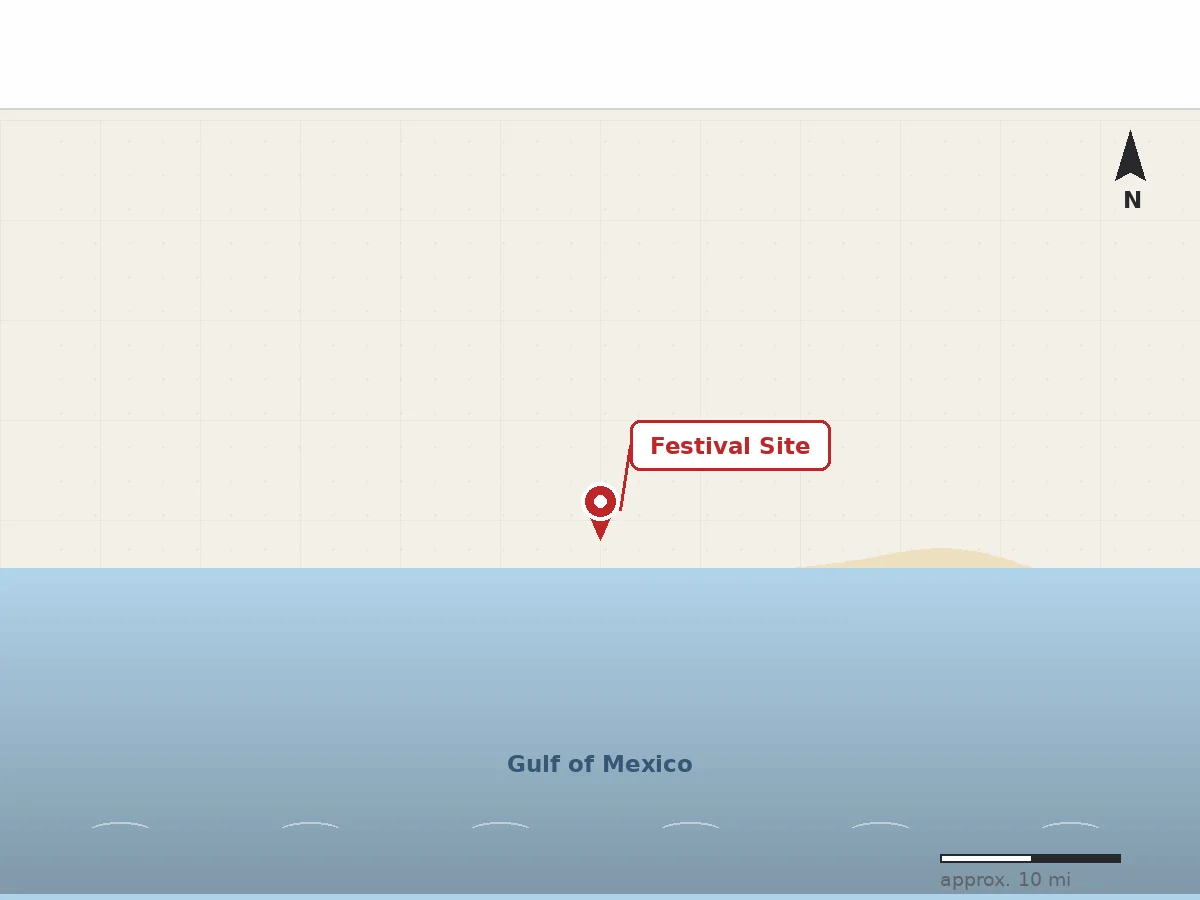
The Charles County Fair is held at the fairgrounds serving the Charles County area, reached most easily via La Plata, the county seat.
Charles County Fair Questions First-Timers Ask
When does the Charles County Fair usually take place?
It is an autumn event, typically running across a multi-day weekend. Because the specific dates shift from year to year, check the fair’s official channels for the current schedule rather than planning around a remembered weekend.
How much does it cost to get in?
Gate admission and ride pricing are set annually by the fair’s organizers, so rates can change. Plan on separate costs for parking, rides, games and food, and confirm the current numbers before you go.
Is the fair good for young children?
Yes — it is built for families, with kiddie rides, animal viewing, demonstrations and hands-on activities. Bring a stroller that can handle grass and gravel, and plan a shaded afternoon break to keep the day from running too long.
What should I see first if I only have one day?
Start with the exhibit halls and animal barns in the morning while it is cool and calm, eat lunch from a civic group stand, then move to the midway and a stage performance in the afternoon before staying for the evening lights.
What’s Next for the Charles County Fair
Charles County keeps growing, and the fair’s challenge is the same one every county fair faces: hold on to the agricultural traditions that justify the event while making room for a population that has never set foot in a barn. Expect continued emphasis on youth exhibits, local food vendors and family programming, alongside efforts to reach residents who arrived in the county recently.
For first-timers, that is good news. The fair is likely to stay familiar — same judging categories, same midway energy, same volunteer-run food stands — while becoming easier to navigate and better publicized. Go once, and you will have a fall tradition for as long as you live in Southern Maryland.
Last updated: October 2026
The Charles County Fair is not a spectacle you consume in an afternoon; it is a county introducing itself. Walk the barns before the rides, talk to the exhibitors, eat something fried, and stay for the lights. You will leave understanding Charles County a little better than you did that morning — and you will probably mark the next autumn weekend on your calendar before you get home.