Poweshiek County Iowa Poweshiek County Fair Festival
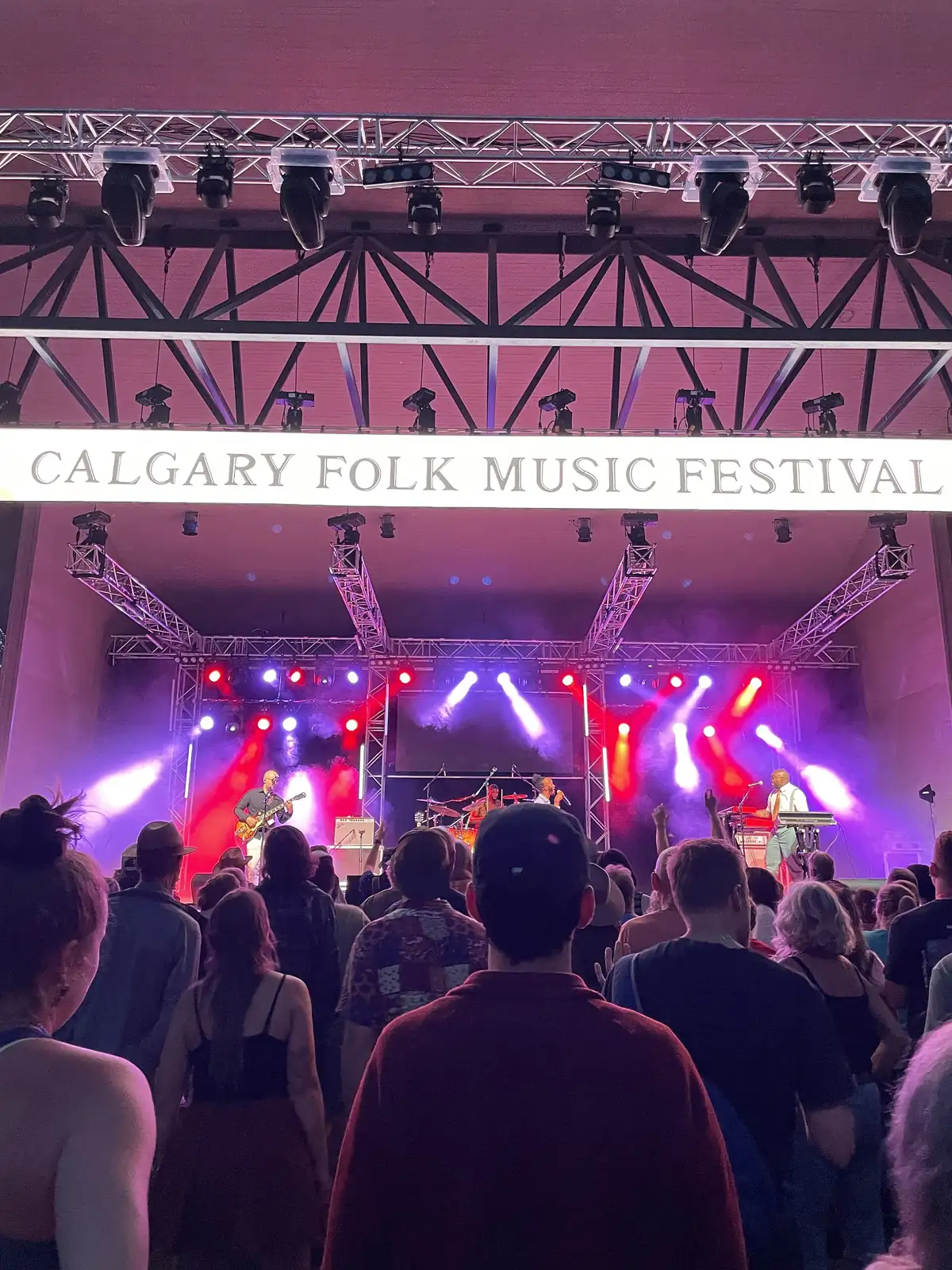
Poweshiek County spreads across 586 square miles of southeastern Iowa, and for one week most summers its 18,662 residents — plus a steady stream of visitors from surrounding counties — funnel toward the same patch of fairground. The Poweshiek County Fair is a classic Iowa county fair: livestock barns, a midway, grandstand nights, and food that somehow tastes best eaten standing up.
Classic doesn’t mean simple. Fair week compresses parking, meal rushes, show schedules, and unpredictable summer weather into a few crowded acres. This guide is written for the planner in the group — the person who wants to know when to arrive, where to sleep, what to carry, and how to build a weekend that holds together past the second afternoon.
Poweshiek County Fair Details Worth Knowing Before You Drive
The essentials, gathered in one place so you can stop scrolling and start route-planning.
| Town / area | Poweshiek County area, Iowa |
| County | Poweshiek County |
| County seat | Montezuma |
| Population | 18,662 (county-wide) |
| Region | Southeastern Iowa |
| Typical timing | One week in mid-summer, in most years during July |
| Admission | Typically free or low-cost at the gate; rides, food, and grandstand events are paid separately |
| Setting | Rural fairgrounds surrounded by southeastern Iowa farm country |
| Signature features | Livestock shows, 4-H and FFA exhibits, a midway, grandstand entertainment, fair food |
| Organizer | A volunteer county fair board with local 4-H and FFA participation |
What the Poweshiek County Fair Is, in Plain Terms
Poweshiek County is a southeastern Iowa county of 586 square miles and roughly 18,662 people, organized in 1843 and anchored by the county seat of Montezuma. Fair week is the annual moment when that geography collapses into one location — when 4-H and FFA exhibitors, farm families, small-town businesses, and curious visitors all end up in the same place at the same time.
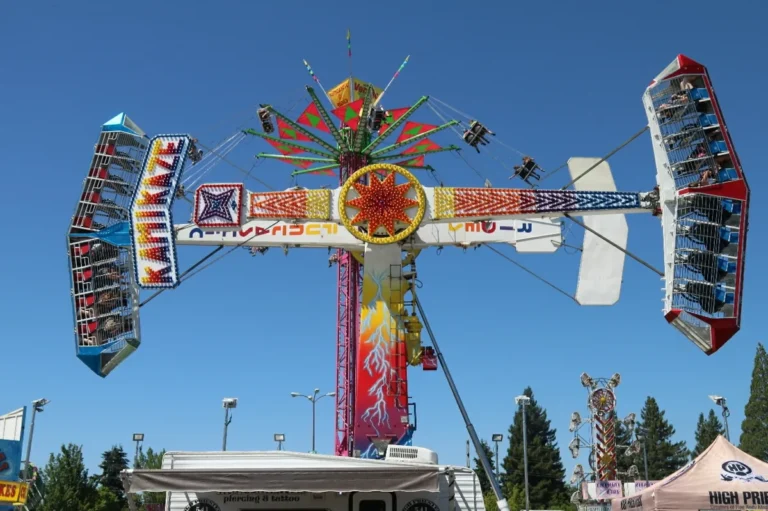
Practically, it’s a traditional county fair. Expect a midway of rides and games, barns holding cattle, swine, sheep, goats, and poultry, a display building packed with baking, canning, photography, and craft entries, and a grandstand that hosts something loud most evenings. Gate admission is generally free or low-cost; the money visitors spend tends to go to food stands, ride tickets, and grandstand shows.
For another look at how a community turns its own traditions into a gathering, see the Pottawattamie County Iowa Pottawattamie County Fair Festival for a useful comparison.
The week is run by a volunteer fair board with heavy 4-H and FFA involvement, which is worth remembering when you decide where to spend. Concessions and entry fees flow back into the same community institutions that assemble the fair in the first place.
From an 1843 County to a Fair Week Built on Volunteer Hours
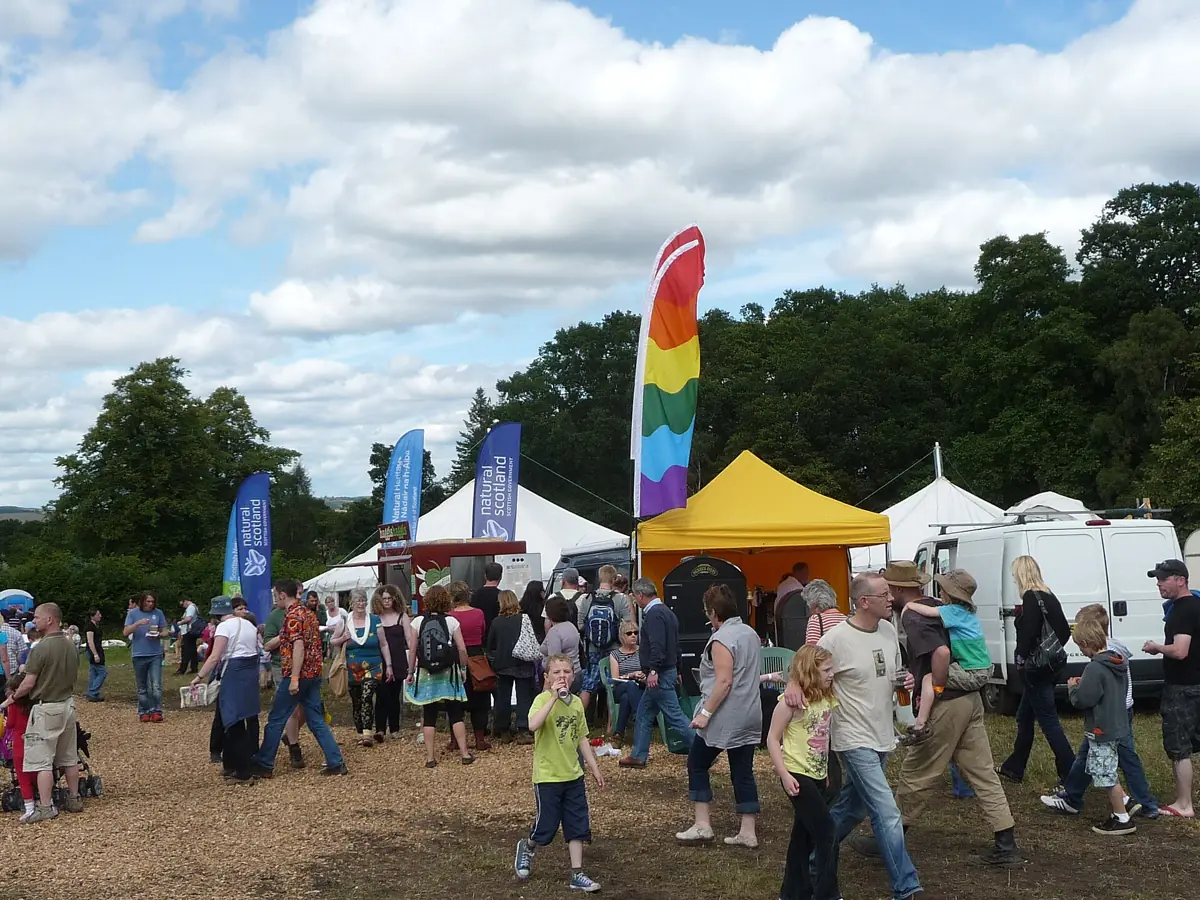
Poweshiek County was founded in 1843, part of the wave of Iowa county organization that turned prairie into farmland and small towns into trading centers. County fairs across the state grew out of that era’s agricultural societies, created so farmers could compare livestock, swap technique, and let an entire county see what its neighbors had managed to build.
The Poweshiek County Fair descends from that same impulse, and what stands out is how much of the original format survived. The categories that mattered generations ago — best pen of hogs, best loaf of bread, best quilt — still appear on entry lists today. Buildings on the grounds have been added and replaced as needs changed, but the rhythm of the week barely moves: setup, judging, grandstand nights, teardown.
The real constant is volunteer labor. Fair board members, extension staff, 4-H leaders, FFA advisors, and families who have worked the same barn for three generations keep the week running. You can spot that continuity in how longtime attendees move through the grounds — they know which gate clears fastest, which food stand has the shortest line right after the grandstand empties, and which barn is worth visiting first.
What a Day at the Fairgrounds Actually Looks Like
The fair runs on parallel clocks — one for the barns, one for the midway, and one for the grandstand. Understanding how they overlap is the difference between a smooth day and a lot of standing around.
Fair Food That Sets the Pace of the Day
Food is the fair’s unofficial schedule. Expect the Iowa county fair canon: pork chops on sticks, corn dogs, breaded tenderloins, walking tacos, lemonade shake-ups, homemade pie sold by community groups, and soft-serve cones eaten too fast in the heat. Lines run shortest mid-afternoon and longest immediately after grandstand events release their crowds. If a specific stand is your reason for coming, hit it before the evening rush rather than after.
Grandstand Nights and Livestock-Arena Entertainment
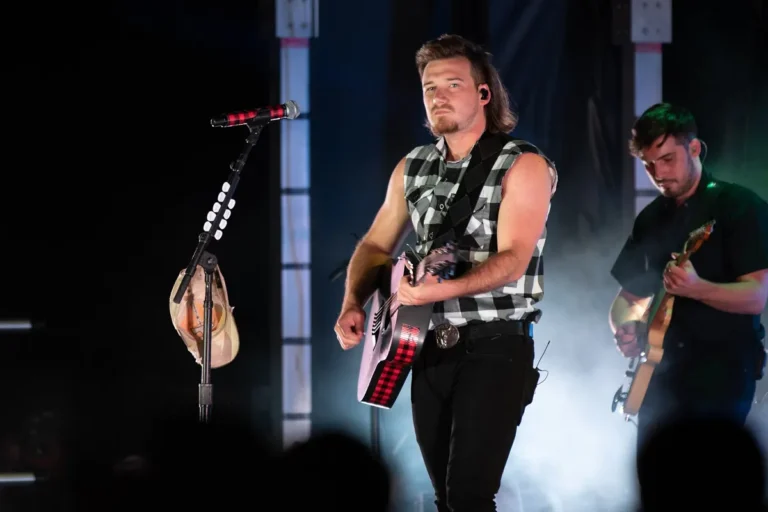
Evenings carry the loudest programming, with grandstand events, pulls, derbies, and live music forming the usual rotation. Earlier in the day, the show arena belongs to exhibitors — market classes, showmanship, and small-animal judging. Showmanship is the underrated spectator event: watch a young exhibitor keep an animal calm under pressure and you’ll understand why these weeks matter to local families.
Family Activities From Morning Through Evening
Midway rides, carnival games, kids’ activities, and free stage acts fill the gaps between shows. Mornings are the best window for younger children — cooler air, shorter ride lines, and room to move. Afternoons suit browsing the exhibit buildings. Save the midway for early evening if your kids can handle the later bedtime, and set a clear meeting point before anyone wanders.
Planning the Trip: Routes, Rooms, Parking, and Weather
Driving Into the Poweshiek County Area
Poweshiek County sits in southeastern Iowa, and fair traffic arrives from every direction. Montezuma, the county seat, is the natural navigation anchor for out-of-town visitors. Rural counties have fewer major highways than metro areas, so commit to a route in advance rather than improvising on back roads at dusk. If you’re towing a camper or trailer, give yourself extra time through town and check your fuel before you get close.
Where to Stay Around Montezuma and the County
Lodging in a county of 18,662 people is limited, and fair week is the busiest stretch of the summer. Options typically include small local motels, guesthouses, short-term rentals, and campgrounds, with many attendees staying in larger regional towns within a reasonable drive. Book as early as you can. If you’re camping, confirm hookups, quiet hours, and whether generators are allowed before you load the vehicle.
Parking Without the Midway Meltdown
Fairground parking fills fastest on grandstand nights, roughly an hour before showtime. Arrive early if a short walk matters to you, or accept a longer walk and skip the circling. Never park on private farm lanes or block field entrances, even when it looks harmless. Note a landmark near your vehicle — rows of trucks and trailers look identical after dark — and keep a flashlight or phone light handy for the walk back.
What Admission Covers and What It Doesn’t
Gate admission at the Poweshiek County Fair is typically free or low-cost, which surprises visitors used to ticketed events. The real budget goes to ride tickets or wristbands, food, grandstand admission, raffles, and exhibit purchases. Set a per-person spending limit before you walk in, and check the current year’s schedule for any wristband promotions or discounted entry windows.
Reading a Southeastern Iowa July Forecast
Mid-summer in this part of Iowa means heat, humidity, and the occasional fast-building thunderstorm. Mornings and early evenings are the most comfortable hours. Drink more water than you think you need, treat shade as a resource, and know where the nearest permanent building is if severe weather rolls in — fair staff will direct people if the grounds need to be cleared. A light rain jacket beats an umbrella in wind.
A Sample Fair Weekend, Built Around Crowd Patterns
First afternoon: Arrive mid-afternoon, park once, and walk the grounds without a plan. Scope the food stands, the barn layout, and the midway before committing to anything. Eat dinner early, around 5 p.m., while lines are still manageable.
First evening: Head to the grandstand early and stay for the main event. If the kids are still moving afterward, let them burn the last of it on the midway while the crowd thins.
Second morning: Come back early for the barns and exhibit buildings. Judging is active, the light is good, and the food stands are quiet. This is the best hour for photos and for actually talking with exhibitors.
Second afternoon: Eat lunch, catch a showmanship class, then take a deliberate break — back to the car, into the shade, or off the grounds entirely. Pushing straight through is how families hit the wall by 4 p.m.
Second evening: Return for one final grandstand night and a last lap of fair food. Leave before the final rush if you’re driving any distance.
How Poweshiek Compares With Neighboring County Fairs
County fairs in this corner of Iowa share a family resemblance but differ in feel. Fairs in larger neighboring counties often pull bigger grandstand acts and longer midway hours, which means more traffic and longer lines. Smaller county fairs run quieter and finish earlier in the evening, which suits families with young children and anyone who’d rather park close.
The Poweshiek County Fair tends to land in the middle: substantial enough to fill a full day, compact enough that you can walk the whole grounds twice. If your trip has flexibility, pairing it with a neighboring county’s fair week makes a good summer loop — but check each county’s schedule, since they overlap and compete for the same weekends.
Fair Week Checklist: What Earns a Spot in the Car
| Item | Why it earns its space |
| Cash and a card | Vendors vary; some smaller stands and raffles are cash-only |
| Refillable water bottle | Mid-summer Iowa heat and humidity drain you faster than you notice |
| Sunscreen and a hat | Shade on a midway is scarce at midday |
| Light rain jacket | Summer storms build quickly and wind makes umbrellas useless |
| Closed-toe shoes | Gravel, straw, and livestock barns punish sandals |
| Downloaded fair schedule | Grandstand and show times drive the whole day’s plan |
| Phone battery pack | Long days, photos, and group texts kill a charge by evening |
| Cooler in the vehicle | For water, leftovers, and anything you buy at an exhibit table |
Beyond the Fairgrounds: Seeing More of Poweshiek County
Fair week is a reason to arrive, but 586 square miles leaves plenty to fill a spare morning. Montezuma, the county seat, offers the classic small-town square experience — local shops, a place to get coffee, and the kind of main street that rewards a slow walk. The surrounding countryside is working farmland, and a drive along county roads is its own attraction in mid-summer, when corn is tall and the light goes gold in the evening.
If you’re staying multiple days, build in a non-fair block: a morning drive, a stop at a local diner, a look at the county’s older architecture. It also gives your group a genuine rest from crowds and heat, which makes the next fair session far more enjoyable. Ask locally about current happenings — small counties change their offerings season to season, and residents are usually happy to point visitors toward what’s worth seeing.
Why Fair Week Still Anchors Poweshiek County
In a county of 18,662 people, a fair is not just entertainment — it’s infrastructure. It’s where 4-H members learn to present their work, where FFA students test skills they’ll use on real farms, where small businesses reach an audience they won’t see again until next year, and where neighbors who’ve traded texts all summer finally talk face to face.
It also carries economic weight. Concessions, entry fees, and vendor sales circulate through local organizations, and the week brings spending into the county seat and surrounding towns. More importantly, it builds the volunteer habit that holds rural communities together the other fifty-one weeks of the year.
Where the Poweshiek County Fair Sits on the Map
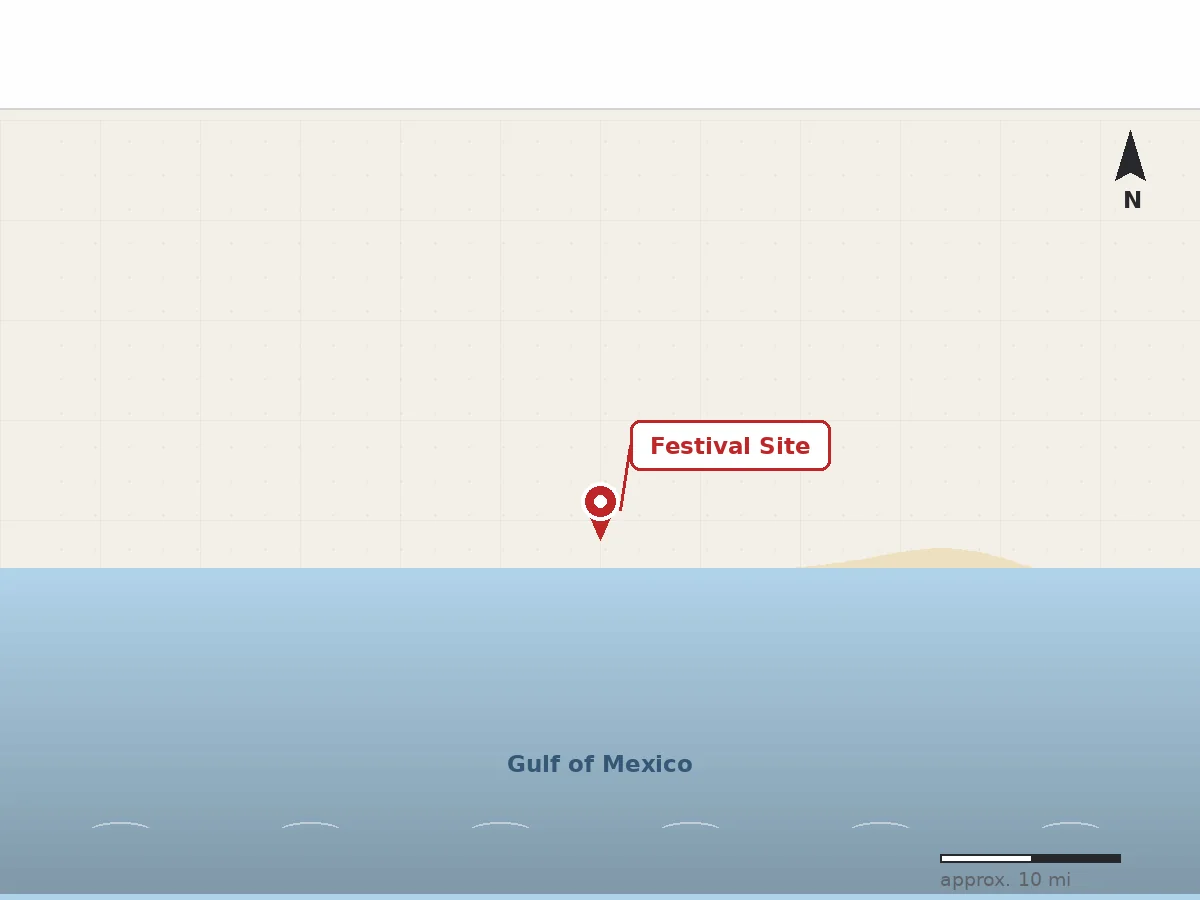
The Poweshiek County Fair takes place within the Poweshiek County area of southeastern Iowa, with Montezuma — the county seat — serving as the practical reference point for anyone mapping the drive.
Poweshiek County Fair Questions, Answered Plainly
Is there a charge to get onto the fairgrounds?
Gate admission at county fairs in Iowa is typically free or low-cost, and Poweshiek follows that pattern in most years. Your real spending happens inside: ride tickets or wristbands, food, grandstand admission, and any raffles or exhibit purchases. Check the current year’s schedule for promotions or discounted entry windows before you go.
When is the Poweshiek County Fair usually held?
The fair runs across a single week in mid-summer, in most years during July. Because the dates shift annually, confirm the current schedule before booking lodging or planning time off. Weekdays are noticeably quieter than weekend evenings, which matters if you’re bringing small children or hoping for short lines.
Where should out-of-town visitors stay?
Lodging in the county is limited, so book early. Small local motels, guesthouses, short-term rentals, and campgrounds are the usual choices, and many visitors base themselves in larger regional towns within a comfortable drive of Montezuma. Campers should confirm hookups, quiet hours, and generator rules in advance, since fair week fills campsites quickly.
Is the fair workable for young kids and older visitors?
Yes, with timing adjustments. Mornings are cooler, quieter, and easier for strollers and walkers alike. Afternoon heat is the main obstacle, so plan a shade break or a return to the vehicle. Seating near the show arena and grandstand fills early on busy nights, so arrive ahead of the crowd if sitting comfortably matters.
Looking Ahead to Future Fair Weeks in Poweshiek County
County fairs survive by adapting without losing their shape. Expect continued emphasis on youth exhibitors, more attention to shade, seating, and accessibility on the grounds, and ongoing efforts to recruit volunteers as longtime board members age out. Weather resilience — storm plans, water stations, cooling areas — will keep mattering more as Iowa summers run hotter.
For visitors, the practical advice won’t change much: come early in the day, budget for the midway, and treat the schedule as your framework rather than a rigid plan. The fair’s value has never been in perfect logistics — it’s in the fact that a whole county still shows up.
Last updated: October 2026
Plan the Poweshiek County Fair like a local: pick your arrival window around the heat and the grandstand schedule, park once, and leave room in the day for the barns and the exhibit halls rather than racing between rides. Do that, and a mid-summer week in southeastern Iowa stops being a logistics puzzle and becomes exactly what it’s meant to be — a county gathering worth the drive.

One Comment