Pottawattamie County Iowa Pottawattamie County Fair Festival
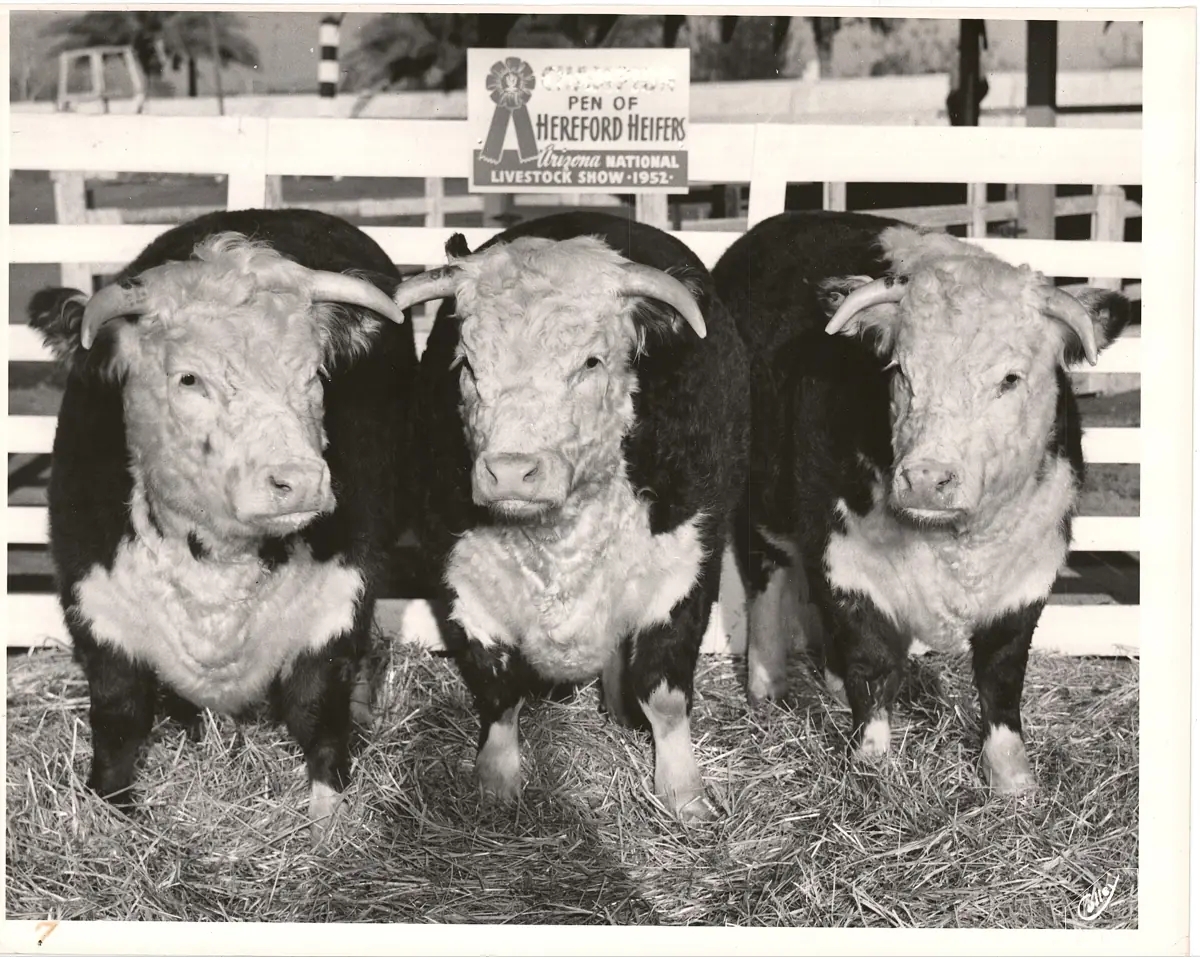
Some county fairs are really about the rides. The Pottawattamie County Fair, held in the southwest Iowa county that takes in Council Bluffs and the farmland around it, is at least as much about the food. Walk the grounds on a summer evening and you smell it before you see it: pork on a flat-top, sweet corn going into a kettle, funnel cake batter hitting hot oil, the slow simmer of a church stand’s beef and noodles.
This is a fair that feeds 93,667 people spread across 959.144 square miles, and it does so with the plain generosity you would expect from western Iowa. What follows covers what to eat, when to come, how to plan a day or a weekend, and why this fair still matters to the towns surrounding Council Bluffs.
Pottawattamie County Fair Facts, Served First
| Town / area | The Pottawattamie County area, southwest Iowa |
| County | Pottawattamie County, Iowa |
| County seat | Council Bluffs |
| Population | 93,667 |
| County land area | 959.144 square miles |
| Region | Southwest Iowa, along the Missouri River opposite Omaha |
| Typical timing | Summer, most often in late July or early August |
| Admission | Generally free to enter the grounds; rides, meals, and some grandstand events priced separately |
| Setting and features | Open-air barns, show rings, a midway, a grandstand, exhibit halls, and long rows of food stands |
| Organizer | Local volunteer fair board with county 4-H and extension support |
What the Pottawattamie County Fair Actually Is
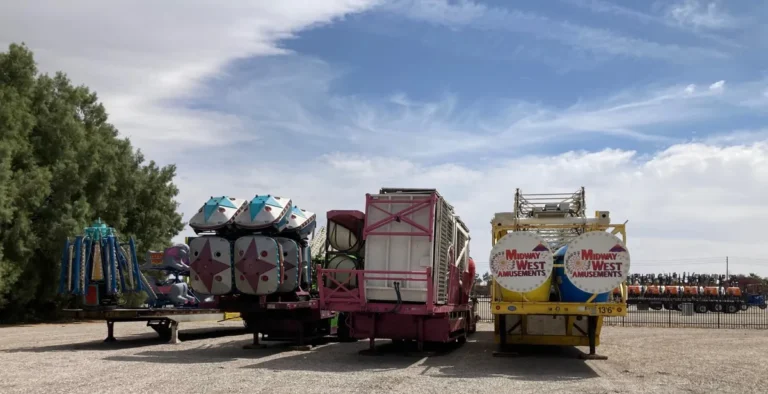
Strip away the carnival lights and you find a working agricultural showcase with a food court wrapped around it. Youth exhibitors bring livestock, static projects, baked goods, and garden produce. Judges work through pens and tables. Families set up lawn chairs near the show ring and stay for hours, not minutes. Around that core, vendors park their trailers, service clubs run their stands, and the smell of fried batter drifts across the midway.
It is a county fair in the classic Iowa mold: informal, affordable, and built for people who already know each other’s names. Entering the grounds is generally free, with individual activities priced separately, which means you can wander in for a single pork chop and end up staying until the grandstand lights go down.
From Township Gatherings to a Council Bluffs-Area Tradition
Fairs like this one trace back to the agricultural societies that formed across Iowa in the 1800s, when farmers gathered to compare seed, stock, and machinery and to argue about whose corn was better. Pottawattamie County’s version grew alongside Council Bluffs, the county seat, a Missouri River town whose rail and river connections made it a natural meeting point for the surrounding townships.
For another look at how a community turns its own traditions into a gathering, see the Pottawatomie County Kansas Pottawatomie County Fair Festival for a useful comparison.
Over the decades the balance shifted. Pure commerce gave way to contest and carnival, and youth programs became the spine of the exhibit halls. What stayed constant is the shape of the day: mornings for livestock and judging, afternoons for exhibits and games, evenings for grandstand events and food lines that never seem to shorten.
The fair also changed with the county itself. As residents spread from Council Bluffs into smaller communities and open farmland, the fair remained one of the few places where all of them still cross paths in the same week, standing in the same line for the same lemonade.
Eating and Wandering: What the Fairgrounds Feel Like
You can walk the grounds end to end in twenty minutes and still spend six hours inside them. The layout rewards slow movement: barns on one side, midway in the middle, food clustered where the foot traffic is heaviest and again near the grandstand before the evening show.
The Food Is the Main Event
Start with the pork producers’ stand, where a thick chop on a stick is the unofficial signature of Iowa county fairs. Then work outward. Look for sweet corn dunked in butter, walking tacos assembled in a chip bag, hand-dipped corn dogs, cheese curds, tenderloins wider than the bun, and pie by the slice from church and civic groups. Local stands tend to be the best value and the best eating, so ask a volunteer which booth is theirs.
Drinks matter too. Lemonade shaken to order, root beer floats, and iced tea in sizes that require two hands. Come hungry, bring cash for the small stands, and plan to eat standing up, because seating fills fast at peak dinner hour.
Grandstand Nights, Local Bands, and Barnyard Sound
Evenings belong to the grandstand, where county fairs lean on the reliable draws: tractor pulls, demolition derbies, motocross, and live music from regional country and rock acts. Between the big events, smaller stages and beer gardens host local bands, and there is usually a steady background of livestock, generators, and announcers calling classes from the show ring.
Family Activities from Morning Chores to Dusk Rides
Families get a full day out of it. Kids can watch bucket calf and poultry shows in the morning, visit the petting area, try carnival rides and games in the afternoon, and finish with a free stage act or a fireworks-style finale if the schedule includes one. Stroller traffic is heavy but manageable, and most of the walking is on grass or gravel.
Planning Your Trip to the Pottawattamie County Fair
The fair sits within easy reach of the whole county, which makes it a straightforward day trip from almost anywhere in the Council Bluffs area. A little planning goes a long way in July heat.
Getting to the Pottawattamie County Area
Interstate 80 and Interstate 29 meet at Council Bluffs, so the county is simple to reach by car from eastern Iowa, Nebraska, and Missouri. Most visitors drive in from surrounding towns and from the Omaha metro just across the Missouri River. If you are flying, the Omaha airport is the closest major option, with rental cars available on site.
Where to Stay Near Council Bluffs
Council Bluffs has the largest concentration of hotels and motels in the county, with more options a short drive west in Omaha. Campers often prefer the state park and private campgrounds in the area. Book early for fair week, since summer weekends fill up with both fairgoers and riverfront visitors.
Parking on and Around the Fairgrounds
Expect on-site grass parking with volunteers directing traffic, plus nearby street and lot parking. Arrive before the dinner rush or after the grandstand event begins for the easiest spot. Wear shoes you do not mind getting dusty, and note your row, because fairground parking looks identical after dark.
Admission, Wristbands, and What Cash Buys
Entry to the grounds is generally free, with costs concentrated in rides, food, carnival games, and some grandstand shows. Ride wristbands and multi-day passes are common ways to save. Bring small bills for youth clubs and church stands, many of which handle cash faster than cards.
Iowa Summer Weather and What to Wear
Late July and early August in southwest Iowa mean heat, humidity, and the occasional fast-moving thunderstorm. Dress light, bring a refillable water bottle, and keep a poncho or light jacket in the car. Evenings cool off noticeably once the sun drops behind the grandstand.
A Food-Led Weekend at the Pottawattamie County Fair
Friday: arrive mid-afternoon, park, and walk the barns while the day is still soft. Eat an early dinner of pork chop, sweet corn, and lemonade. Catch the evening grandstand event, then finish with pie and coffee before the lights go out.
Saturday: come back for breakfast — pancakes, sausage, and coffee from a civic group stand. Spend the morning at livestock and static exhibits, then graze the midway for lunch: walking tacos, cheese curds, a shared funnel cake. Take a hotel or campground break in the afternoon heat, then return for the derby or concert and a late tenderloin.
Sunday: a slower visit. Tour the exhibit halls, buy something from a youth group bake sale, and leave before the crowds build.
Pottawattamie County Fair vs. Neighboring Iowa County Fairs
Compared with smaller county fairs in the surrounding region — Harrison County up toward Logan, Mills County down toward Malvern — Pottawattamie’s fair carries more scale: more vendors, a bigger midway, and grandstand nights with wider draws, all because the county’s population is larger and its seat is a real city.
Set against Omaha’s riverfront festival scene, this fair trades polish for authenticity. You will not find curated food trucks or craft cocktail tents. You will find a farm kid showing a heifer at nine in the morning and a demolition derby at nine at night, with a pork chop in between.
Pottawattamie County Fair Packing and Prep Checklist
Cash in small bills, plus a card as backup. Sunscreen, hat, and sunglasses. Refillable water bottle. Comfortable closed-toe shoes for gravel and barn aisles. A light rain jacket. A tote bag for bake sale and exhibit purchases. Hand wipes. A phone charger for a long day. A printed or downloaded fair schedule so you know when the shows and judging start. Bug spray for evening hours near the barns.
Beyond the Fairgrounds: Council Bluffs and the Loess Hills
Make a weekend of it. Council Bluffs, the county seat, has riverfront trails, historic downtown blocks, and museums covering railroad and local history. Lake Manawa State Park offers swimming, boating, and shaded picnic areas minutes from town. North and east of the city, the Loess Hills rise in steep, wind-deposited ridges that are unlike anything else in Iowa, with overlooks and hiking at spots like Hitchcock Nature Center.
Food-wise, the county rewards a little wandering: diners and steak houses in Council Bluffs, small-town cafés in the outlying communities, and bakeries that sell out early on Saturday mornings. Pair a fair visit with a drive along the river and you have a full weekend.
What This Fair Means to Pottawattamie County
For a county of 93,667 people spread across 959.144 square miles, the fair is one of the few annual events that pulls every corner of the map into one place. It is where 4-H members learn to speak to a judge, where grandparents watch grandkids show their first calf, and where small businesses and civic clubs raise a meaningful share of their yearly budgets.
It is also an economic and cultural anchor for the towns around Council Bluffs, keeping agricultural knowledge visible in a county where most residents no longer farm. That mix — a working fair with a festival atmosphere — is why people plan their summer around it.
Where the Fairgrounds Sit in Pottawattamie County
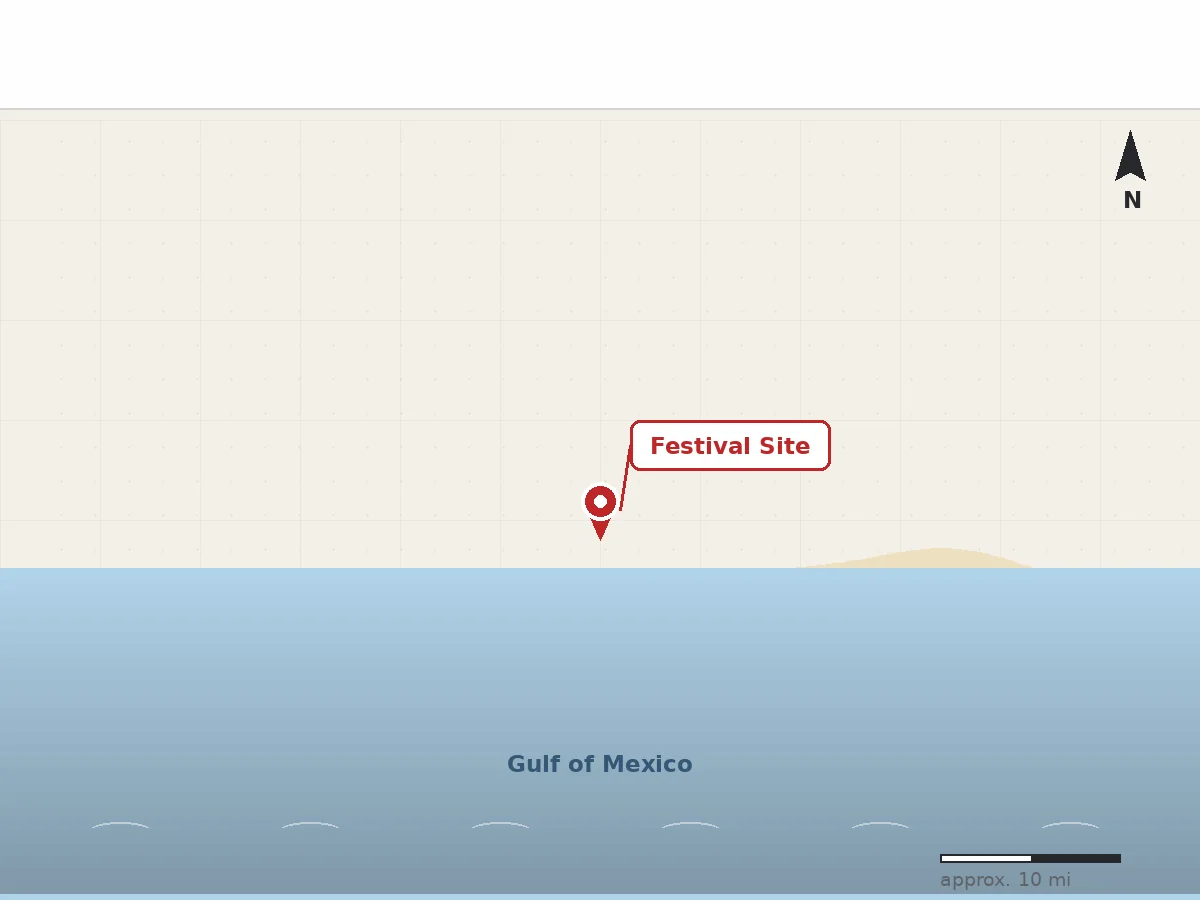
The Pottawattamie County Fair takes place at the county fairgrounds in the Pottawattamie County area, within easy driving distance of Council Bluffs, the county seat.
Pottawattamie County Fair Questions, Answered
Is the Pottawattamie County Fair free to attend?
Entering the grounds is generally free, and that is part of the fair’s appeal for families. You pay for what you choose to do: rides, carnival games, meals, and certain grandstand events. Ride wristbands and multi-day passes are the usual ways to keep costs down, and cash helps at the smaller stands run by youth groups and civic organizations.
What food should I not leave without trying?
Start with a pork chop on a stick, the fair’s most Iowa thing on a plate, and follow it with sweet corn and a hand-dipped corn dog. Save room for a walking taco, cheese curds, and a slice of pie from a church or civic stand. Lemonade shaken to order is the standard drink, and a tenderloin makes a solid late-night second dinner.
Is the fair good for young kids and older visitors?
Yes, with a little planning. Mornings are calm and good for young children and visitors who want to avoid crowds and heat, with livestock shows, exhibits, and breakfast stands in full swing. Afternoons are busiest on the midway. Evenings draw the grandstand crowd. Seating is limited, so bring a folding chair if standing for long stretches is difficult.
How busy does it get, and when is the quietest time?
Weekday mornings and early afternoons are the quietest stretches, and they are ideal for food, exhibits, and photos. Late afternoons and evenings on weekend days are the busiest, especially around dinner and before grandstand events. Arriving early also solves the parking problem, since grass lots fill quickly once the evening crowd rolls in.
What’s Ahead for the Pottawattamie County Fair
County fairs across Iowa are adapting: more card readers alongside cash boxes, more shaded seating, better accessibility, and broader entertainment lineups that reach beyond traditional grandstand draws. Expect this fair to keep its agricultural core while making the visitor experience smoother, from parking flow to food variety to family-friendly scheduling.
For anyone planning a trip, the safest approach is to treat the fair as a summer fixture rather than a fixed date and check the schedule as the season approaches. The food, the barns, and the grandstand will be waiting.
Last updated: October 2026
Come for the pork chop, stay for the derby, and leave with powdered sugar on your shirt and a cooler full of nothing but good intentions. The Pottawattamie County Fair is the kind of summer evening that reminds you why county fairs outlast almost everything else on the calendar.