Jefferson County Indiana 4-H Fair Festival
A First Look at the Jefferson County Indiana 4-H Fair
If you have never spent an evening at a southern Indiana county fair, the Jefferson County 4-H Fair is a gentle place to start. It is a week-long summer gathering built around young exhibitors, the animals and projects they have worked on all year, and the neighbors who turn out to see how everyone did. There are barns to wander, a show ring to stand beside, fair food to eat standing up, and grandstand nights that pull in a good chunk of the county.
| Town or area | Jefferson County area, southeastern Indiana |
| County | Jefferson County, Indiana |
| County seat | Madison |
| County population | 33,147 |
| County land area | 362.89 square miles |
| County founded | 1811 |
| Typical timing | A week in summer, most often during July |
| Admission | Gate entry is generally free; food, rides, and some grandstand events cost extra |
| Setting | County fairgrounds with livestock barns, a show arena, grandstand, and concession row |
| Signature features | 4-H livestock shows, static project exhibits, fair food, evening grandstand programming |
What the Jefferson County 4-H Fair Actually Is
Jefferson County spreads across 362.89 square miles of rolling farmland, wooded ridges, and Ohio River bottomland in the southeastern corner of Indiana. Madison, the county seat, sits on the river and serves as the largest town in the immediate area, while the rest of the county’s roughly 33,147 residents live in small communities and out in the countryside. The county was founded in 1811, and agriculture has been part of its identity from the beginning.
The 4-H Fair is where that identity gets a public showing once a year. Unlike a commercial music festival or a traveling carnival that happens to set up in a field, this is a participatory event: local 4-H members bring animals, crafts, photography, woodworking, baking, gardening, and other projects to be judged, and the results are announced in front of family and friends. For a first-timer, the useful thing to understand is that the schedule revolves around show times and exhibit hours rather than headline acts. Come with curiosity about how the judging works and you will enjoy it far more than if you arrive expecting a concert.
Two Centuries of Fair Tradition in Jefferson County
Jefferson County was organized in 1811, and Madison grew quickly into a busy Ohio River port, its streets filling with the brick and ironwork that still define the downtown today. Inland, farms spread across the ridges and valleys, raising corn, wheat, hogs, and cattle. Fair tradition in this part of Indiana reaches back through the nineteenth century, when agricultural societies gathered to compare crops, livestock, and implements, and to trade news and techniques with neighbors.
4-H as a national youth program took shape in the early twentieth century, and county clubs followed. What began as a way to teach young people practical farming and home skills gradually widened into a broad youth development program, and the county fair became its annual showcase. Over the decades the Jefferson County fair added project exhibits beyond livestock, brought in grandstand entertainment, and grew into the week-long community event it is today. The livestock barns remain the heart of it, but the fair now reflects the whole county rather than only its farms.
For another look at how a community turns its own traditions into a gathering, see the Jay County Indiana Jay County Fair Festival for a useful comparison.
Your First Walk Through the Jefferson County Fairgrounds
Most first-timers arrive without a plan and simply follow the noise and the smell of frying. That works. The layout is usually easy to read once you are through the gate: barns on one side, exhibit buildings nearby, concessions in the middle, and the grandstand anchoring the far end. Give yourself a full loop before you commit to anything.
Fair Food and the 4-H Concession Stands
Fair food here looks like fair food anywhere in Indiana, and that is the appeal: tenderloin sandwiches, corn dogs, funnel cakes, elephant ears, lemon shake-ups, nachos, and ice cream. Many stands are run by local 4-H clubs, churches, and civic groups, which means the money you spend tends to stay in the county. The 4-H food stands are often the best value on the grounds, and they are a good place to ask a volunteer what is happening next.
Grandstand Evenings and Local Entertainment
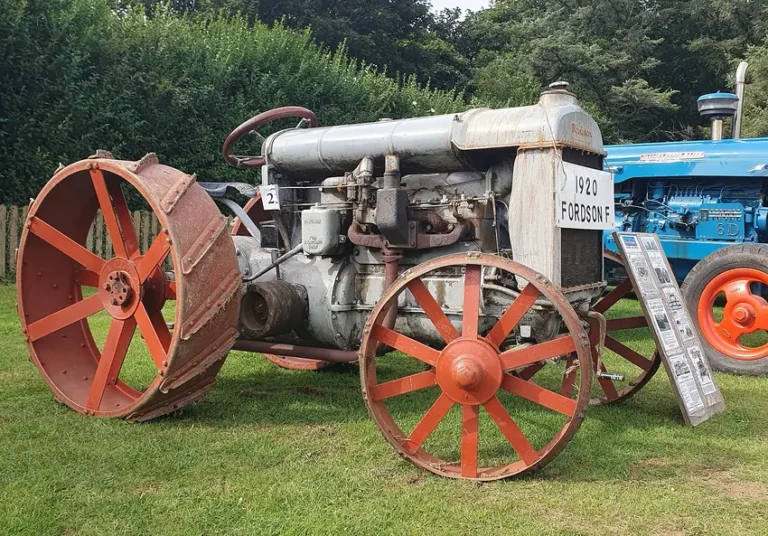
Evenings are when the fair fills up. Grandstand programming in most years includes events that draw a crowd, and the specific lineup changes annually, so check the schedule posted at the gate or on the county 4-H page before you go. Beyond the grandstand, expect smaller entertainment: a fair queen contest, talent showcases, tractor and garden-tractor contests, and music from local performers. None of it is designed for tourists. All of it is designed for the county, which is precisely why it is fun to watch.
Family Activities and the Livestock Barns
Families with young children tend to spend the most time in the barns. Rabbit and poultry barns are usually the easiest introduction, since the animals are at eye level and the exhibitors are often kids themselves. Ask before touching anything, and remember that animals in a fair setting are tired and handled constantly. Carnival rides, games, and a midway area typically round out the family offerings, with wristband nights or ride specials common on slower evenings.
Planning a First Trip to the Jefferson County 4-H Fair
Getting to the Jefferson County Fairgrounds
Jefferson County sits along the Ohio River in southeastern Indiana, roughly between Louisville and Cincinnati. Madison, the county seat, is the main reference point for anyone coming from out of town, and the fairgrounds are within the Jefferson County area served by the local road network. Drivers arriving from Interstate 65 or from the river towns to the east will find the approach straightforward; once you are close, fairground signage and traffic direction take over.
Where to Stay Around Madison and the Ohio River
Madison is the natural base for a fair visit. Its historic downtown has a deep stock of inns, bed-and-breakfasts, and small hotels, much of it within a short drive of the fairgrounds. Campgrounds and cabins along the river and in the surrounding countryside are another option, especially for families hauling trailers or horses. Book early for fair week; summer weekends in this part of Indiana fill up with river visitors as well as fairgoers.
Parking and Gate Logistics
County fairs generally handle parking on or adjacent to the grounds, often in grassy lots with volunteers directing traffic. Arrive early on nights with a big grandstand event, and expect a short walk from the outer lots. If rain has moved through recently, wear shoes you do not mind getting muddy. Livestock families and exhibitors usually have separate access and parking, so follow the signs rather than the general traffic flow.
Admission, Wristbands, and Extra Costs
Entry to a county 4-H fair of this kind is typically free, with costs concentrated in food, carnival rides, games, and certain grandstand events. Ride wristbands or discounted nights are common. Bring cash for concession stands, small vendors, and 4-H club sales, since not every booth takes a card. If a specific event has a separate ticket, that will be posted at the gate or on the fair’s schedule.
Indiana Summer Heat and What to Bring
July in southern Indiana means heat and humidity, sometimes with an afternoon thunderstorm. Bring water, sunscreen, and a hat, and plan your barn time for the cooler morning and evening hours. Barns hold warmth, so take breaks in the shade or in an exhibit building. A light rain jacket is worth packing, and closed-toe shoes are far more comfortable than sandals once you have walked through a livestock area.
A Sample Weekend at the Jefferson County 4-H Fair
Start Friday evening with a walk-through. Arrive before sunset, grab dinner from a 4-H food stand, and loop the grounds once to get oriented. Check the schedule board, note the show times you want to see, and finish with a ride or two if you have children along.
Spend Saturday morning at the barns when the animals are being washed and groomed and exhibitors are still fresh. Watch a livestock class in the show arena and stay for the judge’s comments, which are usually more interesting than the ribbons. Afternoon is for the exhibit buildings, carnival rides, and a lemon shake-up. Come back in the evening for grandstand programming, then walk the midway after dark when the lights are on.
Sunday is quieter and often the best day for families with small children. Many fairs hold a worship service, a buyer’s lunch, or a final round of shows before the livestock sale. Wrap up with a last pass through the barns and a conversation with an exhibitor, then head into Madison for dinner downtown.
How the Jefferson County Fair Compares with Nearby Events
Jefferson County sits in a cluster of small Ohio River valley counties, each with its own summer fair. Switzerland County to the east and Ripley County to the north run 4-H fairs on a similar pattern: livestock shows, project exhibits, a midway, and a week of evening events. What sets the Jefferson County fair apart is Madison itself. The county seat is a historic river town with restaurants, inns, and architecture worth a trip on its own, so a fair visit here can be paired with a genuinely good weekend rather than a single afternoon.
Madison also hosts riverfront celebrations and heritage events through the warmer months. If your travel dates are flexible, overlap a fair evening with whatever else the town has going on and you get two reasons to be in the county instead of one.
A First-Timer’s Checklist for the Jefferson County 4-H Fair
Before you go, check the current fair schedule online or at the gate so you know which nights have grandstand events and which have ride specials. Bring cash, a refillable water bottle, sunscreen, and shoes that can handle grass and mud. Charge your phone, but do not count on a strong signal in every barn.
Once you are there, ask before photographing or touching animals, keep strollers clear of the show ring, and respect the ropes around the arena. If you want to support the exhibitors directly, the livestock sale and club food stands are the most direct way to do it. And if a volunteer offers directions, take them; locals know which gate has the shortest line.
Beyond the Fairgrounds in Madison and Jefferson County
Give yourself at least half a day outside the fair. Downtown Madison is a National Historic Landmark district, with blocks of preserved nineteenth-century commercial buildings climbing up from the river. The riverfront itself is worth a stroll, and the surrounding county roads lead past barns, wooded hills, and small communities that give the fair its context.
Outdoor options in the county include river views, hiking, and quiet backroads that suit an early morning before the fair heats up. For a first-timer, the combination is the point: the fair shows you the county’s present, and Madison shows you how it got here.
What the 4-H Fair Means to Jefferson County
For a county of about 33,147 people, a fair week is a genuine civic event. It is where a farm kid learns to speak to an adult judge, where a grandparent watches a grandchild show a hog, and where the money raised by a club food stand funds a year of activities. The fair also keeps a working connection between the county’s agricultural base and the town of Madison, which has long depended on the surrounding countryside as much as on the river.
That is why the event feels less like entertainment and more like a reunion with a program attached. Visitors are welcome, and they are usually treated well, but they are guests at somebody else’s family gathering. Behave accordingly and you will get far more out of it.
Where the Jefferson County 4-H Fair Sits in Southeastern Indiana
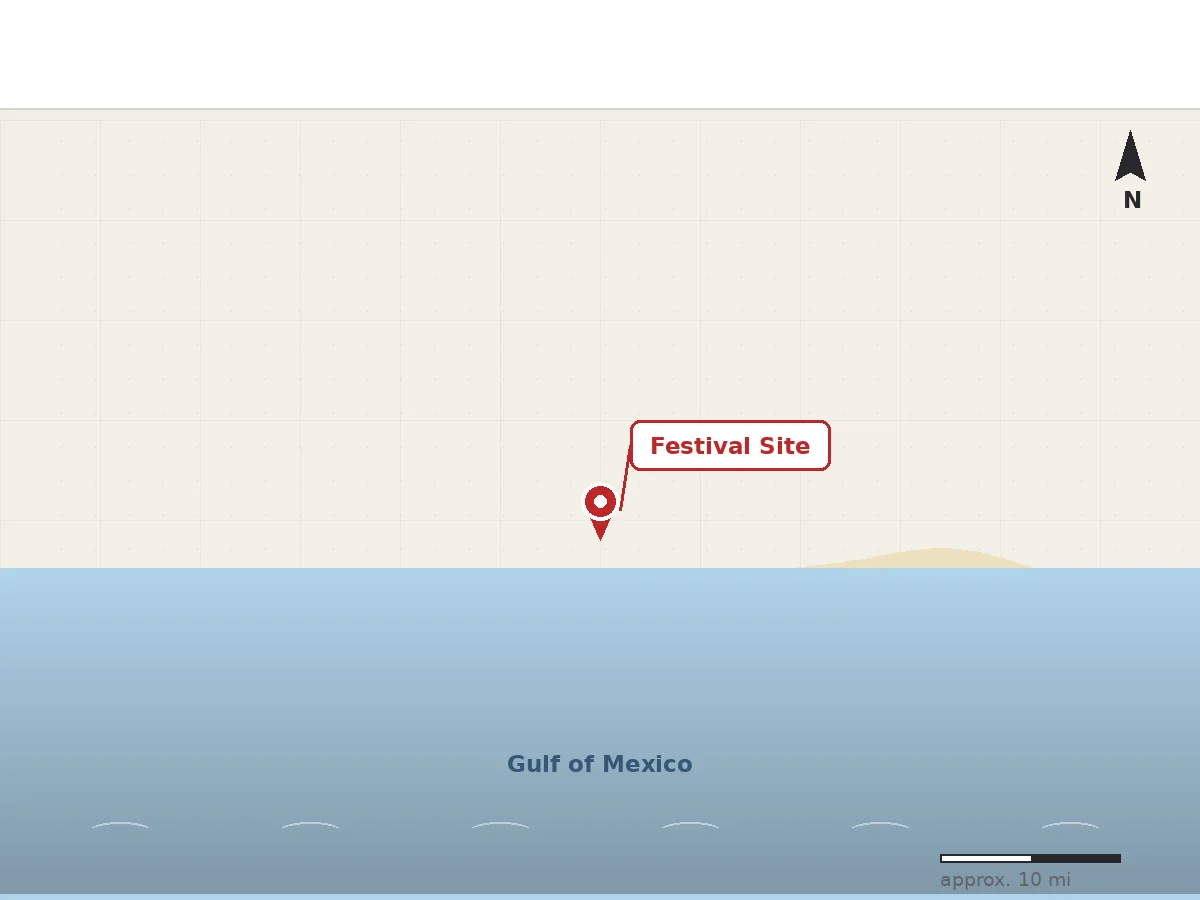
The fair takes place within the Jefferson County area of southeastern Indiana, in the countryside around Madison, the county seat, and is reached by the local roads that serve the county.
Jefferson County 4-H Fair Questions First-Timers Ask
Do I need a ticket to get into the fair?
Gate admission at county 4-H fairs of this type is generally free, with spending concentrated on food, rides, games, and certain grandstand events. Any separately ticketed event will be advertised at the gate or on the fair’s published schedule, so check before you plan your evening around it.
Is it worth going if I don’t know anyone showing an animal?
Yes. Watching a livestock class is more engaging than it sounds once you understand that the judge is comparing conformation, condition, and handling. Static project exhibits, food stands, and evening programming fill out a full visit even if you have no personal connection to an exhibitor.
When during the summer does the fair usually happen?
County 4-H fairs in Indiana typically run for about a week in July, though the exact week shifts from year to year. Confirm the current dates through the county 4-H office or the fair’s published schedule rather than relying on last year’s calendar.
What should I bring if I’m visiting with kids?
Water, sunscreen, hats, and closed-toe shoes are the essentials. Bring cash for rides and food, a stroller that handles grass, and a change of clothes if your children plan to get close to the animals. Plan a mid-afternoon break during the hottest part of the day.
The Fair’s Future and the Next Generation of Jefferson County Exhibitors
County fairs everywhere are adapting. Agriculture is changing, families are busier, and the skills that 4-H teaches have broadened well beyond farming into science, communication, and technology. The Jefferson County fair reflects those shifts in its project categories while keeping the traditions that make it recognizable: the barns, the show ring, the sale, and the food stands run by people who have worked the same booth for years.
For a first-time visitor, that balance is the best reason to go now. You are watching a county describe itself, one exhibit at a time, in a format that has survived for generations because people keep showing up for it.
Last updated: October 2026
If you go, treat the Jefferson County 4-H Fair as what it is: a summer week in southeastern Indiana where the county’s youngest members put their year’s work on display, and everybody else comes out to see it. Wear comfortable shoes, bring an appetite, and leave time for Madison afterward. You will come away knowing this corner of the Ohio River valley a good deal better than you did before.