Jay County Indiana Fiber Arts Festival
Six years ago I drove into Portland, Indiana, with a half-finished sock on the passenger seat and no clear idea what I was walking into. I had heard about the Jay County Indiana Fiber Arts Festival the way most people do — from a friend who spins, or a cousin who quilts, or a shop owner two counties over who says, “You should go; it’s worth the drive.” They were right. I have come back nearly every year since, and the festival has become the fixed point I plan my autumn around.
Portland is the county seat of Jay County, which was authorized on February 7, 1835, and organized the following year. The county spreads across 384.08 square miles of east central Indiana farmland, and its population of 20,478 is small enough that a festival weekend visibly changes the rhythm of the place. You notice it at the gas station, at the diner counter, in the way the parking fills up before anyone has officially opened a door.
That intimacy is why returning visitors keep coming back. By your second or third year, you recognize the vendor who sold you your first drop spindle, the demonstrator who let your kid turn the crank on a drum carder, and the woman who always claims the same corner table with a wheel and a thermos. This piece is written for that second-time visitor — someone who already knows the basics and wants to get more out of the weekend.
Ten Things to Know About the Jay County Fiber Arts Festival
| Town / host area | Portland and the surrounding Jay County area |
| County | Jay County, Indiana |
| County seat | Portland |
| County population | 20,478 |
| Region | East central Indiana, close to the Ohio state line |
| Typical timing | A weekend in autumn, in most years |
| Admission | Generally free to enter; individual vendors and some workshops cost extra |
| Setting | Community venues in and around Portland, indoors and out |
| Signature features | Spinning, weaving, knitting, quilting, felting, dyeing, fleece and fiber vendors, live demonstrations |
| Who puts it on | Local fiber artists, guilds, and Jay County volunteers |
What the Jay County Indiana Fiber Arts Festival Really Is
This is a working gathering, not a spectator event. Fiber here means the whole chain: raw fleece and roving, hand-dyed braids, skeins sold by small producers, spinning wheels and looms and rigid heddles, needles, hooks, cards, bobbins, and the odd antique tool nobody can quite name. Vendors tend to be makers themselves, which means the person selling you yarn can also tell you how the fleece behaved on the wheel.
Because this is farm country, the line between land and thread stays visible. Jay County’s 384.08 square miles are largely agricultural, so conversations about fiber quickly turn to weather, pasture, and the animals behind the material. That grounding is what separates a county festival from a city craft fair, and it is the reason I bring first-timers here rather than to a bigger show.
For another look at how a community turns its own traditions into a gathering, see the Jasper County Iowa Jasper County Fair Festival for a useful comparison.
As a returning visitor, I work the weekend in phases. The first hour is for fleece, one-of-a-kind skeins, and anything that will not survive until afternoon. Midday belongs to demonstrations and conversation. The second day I leave open for a workshop, a slow second pass through the vendor aisles, and the purchases I talked myself out of the day before and regretted by dinner.
From Farm Flocks to Festival Halls: Fiber in Jay County
Jay County was authorized in February 1835 and organized in 1836, and for its first generations, cloth was not a hobby. Households spun and wove because clothing and bedding had to come from somewhere, and in a county this far from a city, that somewhere was usually the back room.
As manufactured goods became cheap and easy to buy, handwork shifted from necessity to choice. Quilting circles, knitting groups, and county fair entries kept the skills alive through the twentieth century, passed along grandmother to granddaughter, neighbor to neighbor, usually without anyone calling it a tradition.
The festival is what happens when that quiet continuity gets a weekend of its own. Local fiber artists, guilds, and county volunteers turned scattered interest into a shared date on the calendar — a place for the spinner who sells three skeins a year and the farmer with a barn full of fleece to stand in the same room and trade notes.
The through-line has not changed: skill is demonstrated, not just displayed. Watching someone draft fiber by hand teaches more in five minutes than an hour of video, and that is exactly what a small county festival can offer that a large one cannot.
Inside the Festival: Fleece, Wheels, and Hands at Work
The atmosphere is closer to a workshop than a mall. People sit and work. Strangers lean over a wheel and ask questions. Somebody’s kid is carding wool badly and loving it. Expect to stand for a while, then sit for a while, then stand again because you spotted a basket of something interesting three tables over.
Food and Drink Around the Portland Festival Grounds
Food tends to be straightforward and locally run — the kind of spread that keeps you on site instead of driving off for lunch. In a county of 20,478 people, the eating options cluster in and around Portland, so a returning visitor’s move is to eat early or late and spend the peak hours with the vendors. Bring a water bottle; halls full of wool and people get warm, and you will be standing more than you expect.
Music, Demonstrations, and the Hum of the Hall
The real soundtrack is mechanical: the whir of wheels, the clack of a loom, the scratch of hand cards. Live music and scheduled demonstrations round out the day, and the demo schedule is the thing I check first now. Watching a fleece go from dirty lock to finished yarn in one sitting is the single best explanation of why anyone does this.
Family Activities for Younger Makers
This is a genuinely good festival for kids, because almost everything is tactile and most makers are happy to hand a child a piece of fiber to squish. Expect hands-on stations, simple take-home projects, and the particular joy of a seven-year-old discovering that yarn starts as animal hair. Strollers work, though the aisles get tight when a demonstration draws a crowd.
Planning the Drive to Portland and Your Jay County Weekend
Planning here is less about logistics and more about timing. Jay County is rural, the festival is compact, and the difference between a relaxed visit and a rushed one is usually about thirty minutes of arrival time.
Getting There from Indianapolis, Fort Wayne, and Ohio
Portland sits in east central Indiana, with the Ohio line a short drive east and Fort Wayne to the north. Most visitors arrive by car on state and county roads that run past fields, so the last stretch of the trip is part of the experience. Fuel up before you get close; services thin out in the countryside.
Where to Stay Around Jay County
Lodging in a county this size is limited, and festival weekend fills it. Returning visitors book early, and many pair the trip with a night in a nearby larger town and a scenic drive in. If you are coming from out of state, treating Portland as a day trip from a regional hub is a practical fallback.
Parking Near the Festival
Parking is generally straightforward in a small town, but the close-in spots go first. Arrive in the opening hour and you will walk a short block or two; arrive at midday and you may circle. Wear shoes you can walk in — this is not a heels-and-handbag kind of weekend.
Admission, Costs, and What Your Money Buys
Admission is typically free, which makes the festival an easy gamble for the merely curious. Your spending happens at the vendor tables and in any paid workshops or classes. Set a budget before you walk in, because hand-dyed skeins and small-batch tools have a way of erasing the number you had in mind.
Weather and What to Wear
Autumn in this part of Indiana swings hard — cool mornings, warm afternoons, and the occasional gusty rain. Dress in layers, bring a light jacket, and pack a tote for purchases. If you are traveling with fiber you have bought, keep it in the car rather than lugging it around all day.
A Returning Visitor’s Sample Weekend in Portland and Jay County
Saturday morning: arrive early, walk the vendor aisles once without buying anything, then go back for the fleece and the limited skeins. Grab coffee and food before the lunch rush. Saturday afternoon: park yourself near the demonstrations, ask the questions you actually want answered, and let a kid in your group try a hand carder.
Saturday evening: eat in or near Portland, then sort your purchases and wind yarn if you can. Sunday morning: return for the workshop you booked or the tool you decided against, make one slow final pass, and talk to the vendors you missed on day one. Leave by early afternoon and you will be home before dark with the whole weekend still in your hands.
How Jay County Compares with Nearby Indiana Festival Towns
Winchester, the Randolph County seat to the south, has a courthouse-square feel and its own calendar of community events — a good stop if you are extending the trip south. Berne, to the northeast in Adams County, leans into its Swiss heritage, which makes for a very different small-town weekend. Muncie, in Delaware County, offers bigger-city amenities and a university crowd if you want more restaurants and hotel rooms around your festival day.
What Jay County offers that the others do not is scale. With 20,478 residents and 384.08 square miles of farmland around it, the festival stays small enough to feel like a gathering rather than an expo. If you want crowds and spectacle, go bigger. If you want to actually talk to the person who made the yarn, come here.
The Regulars’ Checklist for the Jay County Fiber Arts Festival
Bring cash as a backup, a reusable tote, a notebook for vendor names, and a phone charger. Wear layers and comfortable shoes. Check the schedule for demonstration times before you walk in, and book any workshop in advance if you can.
Set a budget and a wish list, but leave room for one impulse purchase — that is what the festival is for. Keep receipts together, photograph labels of yarn you love, and write down the dyer’s name so you can find them again next year. And leave the wheel at home unless you are demonstrating; you will want both hands free.
Beyond the Festival: What Else to Do Around Jay County
Once you have finished the vendor aisles, the county itself is worth an hour or two. The roads around Portland run through working farmland, and a slow drive in autumn is its own kind of entertainment. Downtown Portland is compact and walkable, with the small-town rhythm that makes a Saturday feel unhurried.
Because the Ohio state line is close, it is easy to build a loop that takes in a neighboring county on the way home. Returning visitors often pair the festival with a stop in a nearby town for lunch, turning a half-day event into a full weekend of back roads and small downtowns.
What the Festival Means to a County of 20,478 People
In a county with 20,478 residents spread across 384.08 square miles, a festival is not just an event — it is a reunion with a schedule. Teachers, farmers, retirees, and teenagers end up in the same room, and the skills being passed around are older than the county itself, which was authorized in 1835 and organized in 1836.
That continuity is the point. Every time someone learns to spin at this festival, a practical skill that once kept a household clothed gets handed forward again. It also brings outside dollars into Portland and gives local makers a market they could not sustain alone. Small, specific, and stubbornly local — that is the whole value proposition.
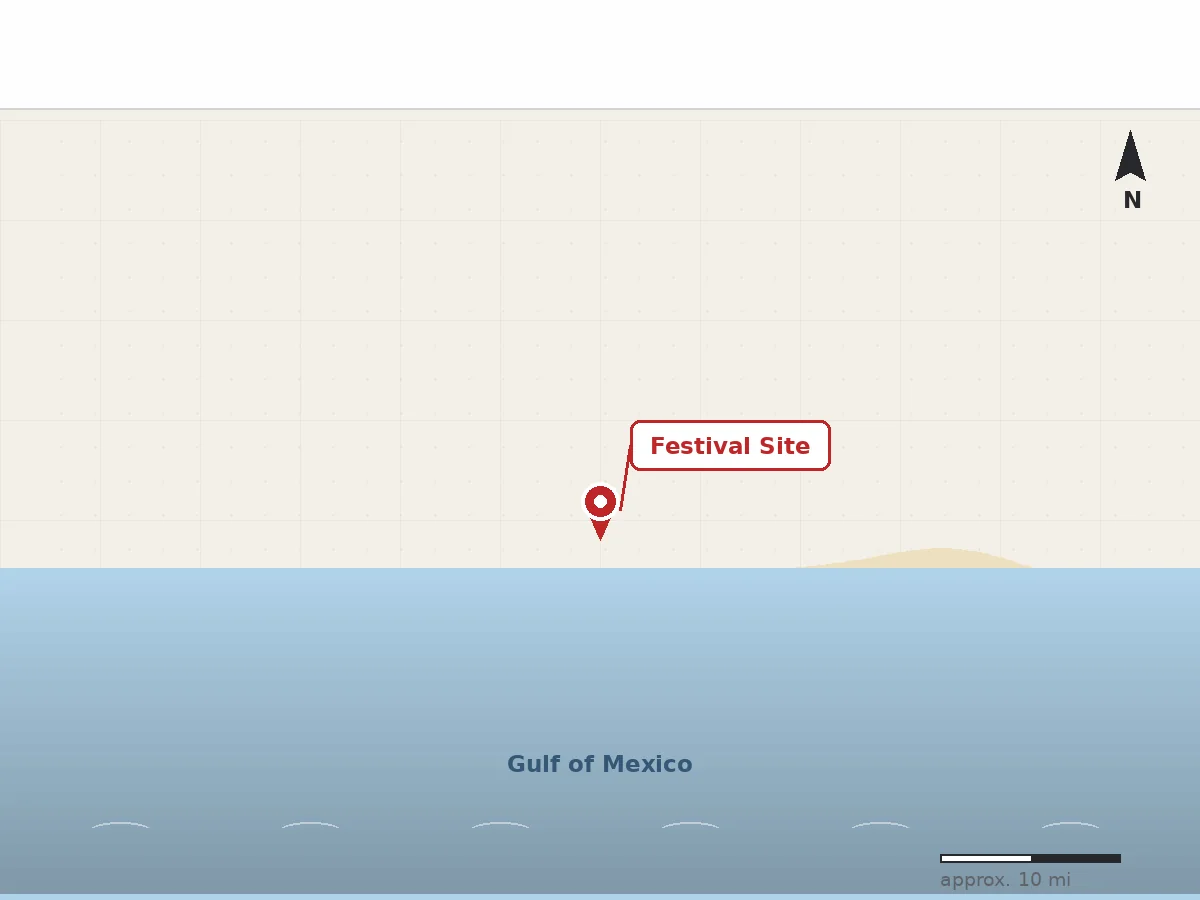
Where the Jay County Fiber Arts Festival Sits on the Map
The festival takes place in and around Portland, the county seat of Jay County, in east central Indiana near the Ohio state line.
Fiber Arts Festival Questions, Answered
Is the Jay County Fiber Arts Festival free to attend?
Admission is typically free, which is part of why the festival draws curious locals alongside serious fiber artists. You will still spend money if you want to — vendor booths, materials, and some workshops carry their own costs. Plan on a budget for purchases rather than for a gate fee.
Do I need to know how to spin or knit to enjoy it?
No. Demonstrations are the heart of the weekend, and most makers are glad to explain what they are doing. Beginners usually leave with a small project, a new vocabulary, and a stronger urge to buy yarn than they expected. Bring curiosity and you will be fine.
Is the festival a good outing for kids?
Yes. The hands-on nature of fiber work suits children, and family activities are part of the weekend. A stroller works in most areas, though aisles narrow during popular demonstrations. Keep an eye on little hands near wheels and looms, which are delicate and often antique.
What should I bring to Portland for the weekend?
Layers, comfortable shoes, a tote for purchases, cash as a backup, and a charged phone. A notebook helps you track vendor names you want to revisit. If you are attending a workshop, check whether you need to bring your own tools or fiber before you arrive.
What’s Ahead for Fiber Arts in Jay County
The festival’s future looks a lot like its present: small, hands-on, and rooted in the county. The most valuable thing it can do is keep bringing new people to the wheel — literally — and keep the vendors, guilds, and volunteers who make the weekend possible coming back. For visitors, that means the same easy rhythm year after year, with a few new faces at the tables each autumn.
Last updated: October 2026
If you have been once, you already know the trick: go early, stay slow, and talk to the people behind the tables. The Jay County Indiana Fiber Arts Festival rewards the visitor who treats it less like a shopping trip and more like a morning spent in a very good workshop with a few hundred friends. Put the weekend on your calendar, bring a tote, and leave room for one skein you did not plan on buying.
One Comment