Jefferson County Illinois Heritage Festival
Autumn comes late to southern Illinois. By the time the heat finally breaks, the fields across Jefferson County have gone from green to gold, the timber along the creek bottoms starts to turn, and the evenings need a jacket. That is the season the Jefferson County Illinois Heritage Festival belongs to — a weekend when 584 square miles of farmland, small towns, and one busy county seat share the same calendar.
The setting does as much work as the schedule. Jefferson County was founded in 1819, and Mount Vernon, its county seat, has been the place where the county gathers ever since. Visitors driving in pass grain elevators, white church steeples, and fields that run flat to the horizon before they reach the festival grounds.
Because this is a county-wide heritage weekend rather than a single-venue production, the experience shifts with the hour. Mornings are cool and quiet, good for browsing historical displays. Midday brings the crowds and the food lines. Late afternoon is when the music sounds best and the light goes gold, and nobody seems in a hurry to leave.
Heritage Festival Basics: Jefferson County, Illinois
| Town / area | The Jefferson County area, centered on Mount Vernon |
| County | Jefferson County, Illinois |
| County seat | Mount Vernon |
| Population | A small-city seat surrounded by farmland and villages |
| Region | Southern Illinois |
| Typical timing | A weekend each autumn |
| Admission | Typically free |
| Setting | County-seat streets and community open space, ringed by 584 square miles of countryside |
| Features | Local history displays, craft and food vendors, live music, family activities |
| Organizer | Local civic and heritage volunteers |
What the Heritage Festival Brings to the Jefferson County Area
At its core, the Heritage Festival is a county reunion with a historical theme. Displays center on the things that shaped this part of southern Illinois — early settlement, farming, the railroad years, military service, school history, and family lines that stretch back generations. Much of the material comes from local families and local collections, which is why it feels specific rather than borrowed.
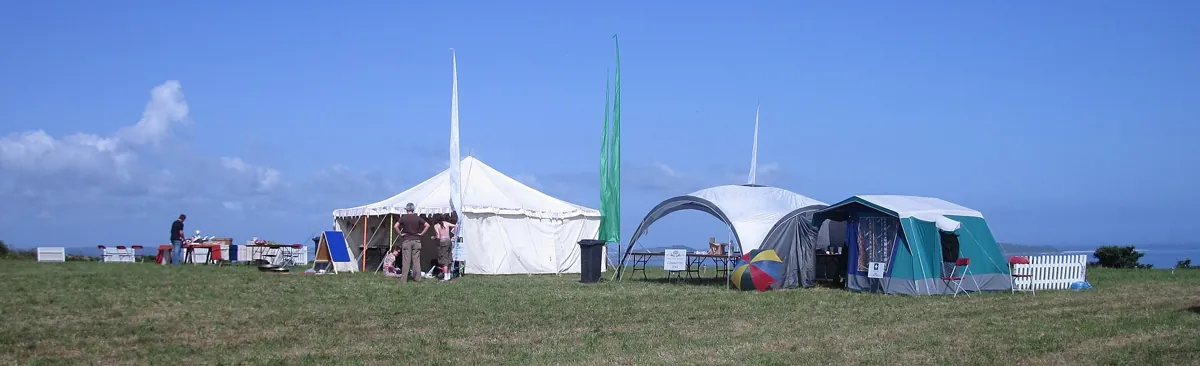
Around those displays the festival builds a full day out: vendor rows, food stands, a stage, and open ground for kids to run. It is designed for people who live within a short drive of Mount Vernon, but visitors from outside the county are genuinely welcome, and the scale makes it easy to find your bearings within an hour.
For another look at how a community turns its own traditions into a gathering, see the Jasper County Illinois Jasper County Fair Festival for a useful comparison.
The tone is unfussy. Nobody is performing for outsiders. That is the appeal of a heritage weekend that trusts its own place enough to let the place do the talking.
Two Centuries of Jefferson County, Told One Autumn at a Time
Jefferson County was founded in 1819, during the early push of settlement into southern Illinois. Mount Vernon took on the role of county seat, becoming the center of courts, commerce, and civic life for the townships around it. Two hundred years later, that arrangement still shapes how the county works: one hub, many small communities, and a lot of ground in between.
For most of its history the county’s identity has been agricultural. Wheat and corn gave way to soybeans, livestock, and the small businesses that served farm families. Rail lines and later highways tied Mount Vernon to the wider region, but the county’s rhythm stayed seasonal — planting, harvest, and a social calendar built around both.
The Heritage Festival is a modern chapter in that long story, not a break from it. County fairs, church suppers, school reunions, and courthouse-square gatherings have been part of Jefferson County life for generations. The festival gathers those impulses into one weekend and gives them a historical frame.
A loose timeline of the ground the weekend covers: 1819, the county is founded and Mount Vernon becomes its seat. The nineteenth century, farms, churches, and small towns take shape across 584 square miles. The twentieth century, railroads, highways, and schools knit the county together. And now, each autumn, a heritage weekend asks residents to look at all of it at once.
A Day on the Grounds: Food, Music, and Family Fun
The daily shape of the festival is simple: eat, listen, wander, and let the kids burn off energy. Here is how the three main threads usually run.
Southern Illinois Food Worth Standing in Line For
Expect the classics of a southern Illinois festival: smoked meats and barbecue, fried favorites, homemade pies and cobblers, kettle corn, lemonade shake-ups, and church-group stands selling food that only shows up at community events. Vendors lean local, so the menu reads like the region — hearty, unfussy, and priced for families. Vegetarian options have grown more common in recent years, but the traditional stands still draw the longest lines. Go early for pie; it tends to disappear by mid-afternoon.
Live Music and Local Entertainment
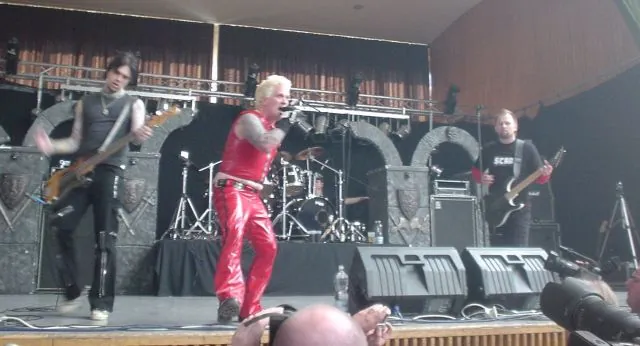
A stage anchors the entertainment, with a rotating lineup across the weekend: local and regional bands, acoustic sets, and community performers such as school groups and dance troupes. The sound leans country, bluegrass, and classic rock — the reliable soundtrack of a county festival in this part of Illinois. Between sets, expect historical presentations, craft demonstrations, or a storytelling session tied to the heritage theme.
Family Activities Across the Weekend
Families get the run of the place. Look for kids’ games, hands-on history and craft activities, face painting, and open lawn for running. Older visitors gravitate to the genealogy and photograph displays, where volunteers help connect names to places and families to roads. Strollers handle most surfaces, and the pace is forgiving — there is no need to sprint between attractions.
Planning a Heritage Weekend in Jefferson County
A little planning goes a long way in a rural county, where lodging is limited, parking fills fast, and the weather can change its mind by mid-afternoon.
Getting to Mount Vernon and the County
Jefferson County sits in southern Illinois, with Mount Vernon as the county seat and the natural hub for festival traffic. Most visitors arrive by car, using the interstate corridors that cross the region and then following state and county roads into town. From there, local roads fan out across 584 square miles. Coming from a neighboring county? Budget extra time for two-lane highways, farm equipment, and the occasional slow tractor.
Where to Stay in and Around Jefferson County
Lodging clusters around Mount Vernon, where highway-side motels and a few independent options serve the county. Because the festival draws from across the region, rooms in town can fill on festival weekends, so booking several weeks ahead is wise. Alternatives include staying in a neighboring county and driving in, or treating the festival as a day trip if you live within an hour or two. Campers often look toward the region’s lakes and recreation areas.
Parking and Moving Between Venues
Parking is usually the first logistical question, and the answer is generally straightforward: designated lots and street parking near the main activity areas, with volunteers directing traffic at peak hours. Arriving before mid-morning or after the lunch rush makes finding a spot much easier. Wear shoes you don’t mind getting dusty, and expect a short walk between the parking areas and the vendor rows.
Admission, Spending Money, and Costs
Admission is typically free, as it is at most community heritage events in this part of Illinois. Your spending is mostly optional: food, drinks, crafts, raffle tickets, and children’s activities. Bring some cash — many vendors prefer it, and card readers can be unreliable when a crowd overloads the local signal — plus a little extra for the fundraising stands that support local groups.
Weather, Clothing, and Seasonal Comfort
Autumn in southern Illinois is unpredictable in the best way. One festival day can deliver a warm, bright afternoon and a cold, damp evening. Layering is the answer: a t-shirt, a flannel or light jacket, and something windproof for after sunset. Comfortable walking shoes matter more than style. If rain moves in, the festival usually continues in reduced form, with activities shifting under tents and into buildings.
A Sample Weekend Itinerary for the Heritage Festival
Day one: arrive in the late afternoon, settle in, and take a slow first lap through the vendor rows while the crowds are still thin. Eat dinner from a stand rather than a restaurant, then catch the evening music and let the day wind down early.
Day two is the full one. Start with the historical and genealogy displays while your energy is high, break for lunch from the food vendors, then spend the afternoon on kids’ activities, demonstrations, and the craft tents. Return for the late-afternoon music set, when the light is best, and finish with dinner in Mount Vernon.
Day three: a slow morning, coffee somewhere local, and a last pass for anything you decided against buying the day before. If time allows, drive a loop of county roads before heading home — the farmland is the point, and the festival makes more sense after you have seen it.
How the Heritage Festival Compares Nearby
Compared with the larger regional events in bigger southern Illinois towns, the Heritage Festival is smaller, more local, and more historical in focus. Carbondale and Marion draw broader crowds with wider vendor lineups and bigger stages; Jefferson County trades some of that scale for intimacy and easy conversation.
Nearby county seats such as Benton and Nashville have their own seasonal traditions, and each reflects the character of its county. Jefferson County’s version leans harder into history, genealogy, and the agricultural story of a place founded in 1819 and still farming 584 square miles.
The trade-off is worth naming: less spectacle, more substance. You will not find a national headliner here. You will find the people who actually know the county’s history, standing next to the displays they built themselves.
Packing and Prep Checklist for Jefferson County
Cash and a card. Bring both. Vendors vary, and small bills move faster.
Layers and comfortable shoes. Warm afternoons, cold evenings, dusty ground.
Chairs and a blanket. Useful for lawn seating near the stage.
Water, sunscreen, and insect repellent. Especially for the midday hours.
A cooler or tote. For pies, crafts, and anything else you carry home.
Printed directions and a full tank. Rural stretches have gaps in cell coverage.
Patience. Peak hours mean lines, traffic, and slow-moving crowds. It is part of the day.
Beyond the Festival: Jefferson County the Rest of the Year
The county does not stop being interesting when the tents come down. Mount Vernon, the county seat, has a historic downtown and a courthouse square that rewards a slow walk. The surrounding townships hold the small churches, cemeteries, and crossroads communities that give southern Illinois its texture.
Outdoors, the region offers lakes, timber, and quiet roads. Rend Lake, which spreads across the Jefferson and Franklin county line, is a regional draw for fishing, boating, and camping. Local parks and wildlife areas give the county’s 584 square miles a recreational counterweight to all that farmland.
Food and small business are worth seeking out too — diners, bakeries, meat markets, and farm stands that rarely appear in travel guides but tell you more about Jefferson County than any brochure. Come back in spring for planting season or late summer for the fields at full height, and the same landscape will read completely differently.
Heritage, Neighbors, and the Ties That Hold Jefferson County Together
Rural counties everywhere face the same quiet challenge: young people leave, institutions shrink, and the shared stories that hold a place together get harder to keep. A heritage festival is a small answer to that. It puts the county’s history in a public place, hands it to volunteers, and asks residents to recognize themselves in it.
It also does practical work. Vendor fees, raffles, and food sales circulate money through local groups. The weekend gives civic organizations a reason to work together and gives families a reason to come back to town. For a county seat like Mount Vernon, that matters — not as spectacle, but as maintenance on the ties that make a place work.
Where the Festival Sits in Southern Illinois
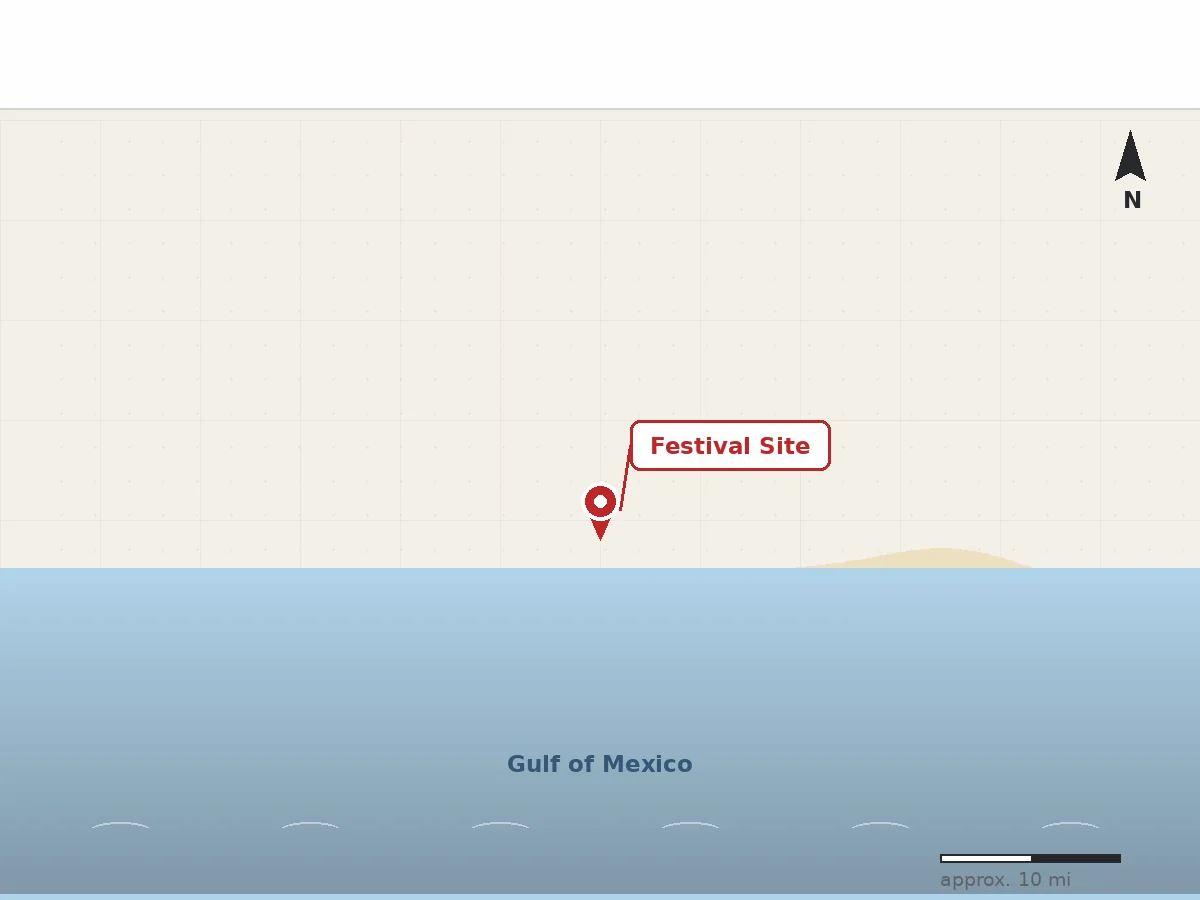
The Jefferson County Illinois Heritage Festival takes place in the Jefferson County area of southern Illinois, centered on the county seat of Mount Vernon.
Heritage Festival Questions, Answered
When does the Jefferson County Heritage Festival usually take place?
The festival is held each autumn, usually on a weekend during September or October. Exact dates shift from year to year, so check local listings as the season approaches.
Is the Heritage Festival free to attend?
Admission is typically free. Most visitors spend only on food, drinks, crafts, and children’s activities, with cash useful for smaller vendors and fundraising stands.
Is the festival a good fit for young children and older visitors?
Yes. The grounds are walkable, the pace is unhurried, and activities span the generations — kids’ games and crafts on one side, genealogy and photo displays on the other. Seating and shade can be limited, so bringing a folding chair helps.
What happens if it rains during the festival weekend?
The event generally continues in a reduced form, with activities moving under tents or indoors where space allows. Check local announcements before you drive in, and dress for wet ground either way.
Looking Ahead: Future Heritage Weekends in Jefferson County
The festival’s future looks like its past: steady, volunteer-driven, and tied to the seasons. As southern Illinois continues to shift, a weekend built on local history gives Jefferson County a way to mark what has changed and what has not. Expect the same essentials — food, music, family activities, and the county’s story told by the people who live it.
For travelers, the takeaway is simple: this is a festival worth planning around, not stumbling into. Pick an autumn weekend, book a room in or near Mount Vernon early, and give yourself time to drive the county roads before or after the crowds arrive.
Last updated: October 2026
If you only see Jefferson County from the interstate, you miss the thing the Heritage Festival exists to show: 584 square miles of farmland and small towns, anchored by a county seat that has been the center of local life since 1819. Come for the food and the music. Stay long enough to understand why the county keeps telling its own story.
One Comment