Kauai County Hawaii Mokihana Festival
Kauai County was established in 1905 and today administers 1,266 square miles of coastline, valley, and ridgeline for a resident population of 73,298. Its county seat is Lihue, the island’s commercial hub and the town most visitors roll through within an hour of landing. It is also the anchor point for the Mokihana Festival, a multi-day gathering built around Hawaiian hula, chant, and music that pulls halau, musicians, and families in from across the island and from neighbor islands.
This guide is written for the traveler who wants the logistics settled before the first drumbeat: which venues cluster where, how to move around Kauai County without burning a day in traffic, what a realistic budget looks like, and how to shape a weekend that still leaves room for the island itself.
Kauai County Mokihana Festival: The Core Details
| Town / area | Kauai County area, with Lihue as the main hub |
| County | Kauai County, Hawaii |
| County seat | Lihue |
| Population | 73,298 (countywide) |
| Region | The Garden Isle, Hawaiian Islands |
| Typical timing | Late summer into early autumn, most often September |
| Admission | Typically free; selected performances may be ticketed |
| Setting | Cultural halls, beach parks, and community venues around Lihue and the wider island |
| Signature features | Hula competition, Hawaiian chant, live music, craft and food vendors |
| Organizer | Kauai-based Hawaiian cultural groups, halau hula, and island arts organizations |
Because programming moves between venues rather than sitting on one fairground, the single most useful planning decision you will make is which days to attend — and how much driving you are willing to pair with them.
What the Mokihana Festival Actually Is
Mokihana is the name of a fragrant native berry long associated with Kauai and traditionally strung into lei. The festival that carries the name is a cultural gathering rather than a single ticketed event. It unfolds across several days and mixes competitive hula, Hawaiian chant, live music, craft demonstrations, and food, with a schedule that rewards travelers who read it carefully in advance.
The tone is celebratory but serious about tradition. Halau hula prepare for months, chanters and musicians share stages with them, and the audiences include kupuna, keiki, and visitors who have flown in specifically for the performances. That mix is the point: this is not a staged luau for tourists, and it is not a private community event either. It sits in between, and visitors are welcome as long as they come to watch and listen rather than to direct the experience.
Admission is typically free, with some concerts or showcase performances possibly ticketed. Anything you spend is more likely to go to food stalls, crafts, and local vendors than to a gate fee. Plan your days around the fixed anchors — competitions and concerts — and treat the vendor areas, demonstrations, and informal music as the connective tissue between them.
How Mokihana Took Root in Kauai’s Hula Community
The festival belongs to a longer story than its own calendar. Hula on Kauai survived the suppression years of the nineteenth and early twentieth centuries in small family circles and rural communities, then re-emerged with force during the Hawaiian cultural renaissance that gathered momentum in the 1970s. Language immersion, chant research, and a renewed appetite for competition gave halau a public stage again, and island festivals became the places where that work was shown.
Mokihana grew inside that current. In its early form it was a modest community gathering — a handful of halau, a few chanters, families who came because they knew the dancers. As hula competitions across Hawaii drew bigger audiences and higher standards, the Kauai event followed: more categories, more visiting groups, longer schedules, and a footprint that stretched from a single hall to multiple venues around the island.
What has stayed constant is the shape of the thing. A festival day still begins with protocol and oli, still places chant alongside dance rather than treating it as an opening act, and still measures success by whether the knowledge passes correctly from one generation to the next. Visitors watching a competition are watching an inheritance being handed over in public.
What a Mokihana Day Looks Like on the Ground
Expect long stretches of sitting, bursts of intense focus, and a lot of eating in between. Bring a cushion or a light mat if you plan to stay for a full competition block, and expect the schedule to run on island time rather than to the minute.
Food: Plate Lunches, Poke, and Island Sweets
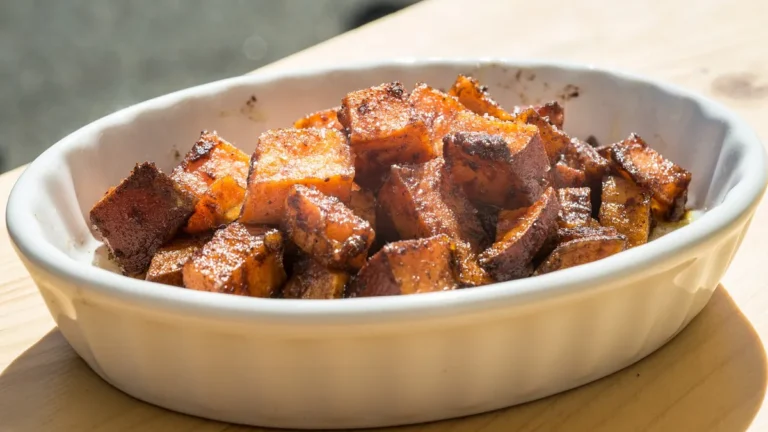
Food at Mokihana leans local and unfussy. Think plate lunch-style offerings, kalua pork, laulau, poke by the scoop, chicken long rice, and shave ice or haupia-based desserts for the afternoon. Vendor lineups shift by venue, and the busiest stalls sit closest to the performance area, so eat early or late rather than at the natural break. Cash still moves faster than card at smaller stands, and a reusable water bottle is worth carrying — island heat plus a long seated program dehydrates people faster than they expect.
Music and Entertainment: Hula, Chant, and Slack Key
The core program is hula in its various styles, from kahiko performed to chant and pahu drumming to the gentler auana repertoire with guitar and ukulele accompaniment. Between competition blocks you will often find slack key guitar, falsetto singing, and contemporary Hawaiian groups. The practical advice is simple: kahiko is quieter and demands more attention than visitors anticipate, so silence your phone before the first oli and keep movement between seats to a minimum.
Family Activities: Keiki-Friendly Ways to Spend the Day
Families do well here. Children are genuinely welcome, and craft tables, lei-making, and demonstration stations give younger kids something to do when a competition block runs long. The realistic formula for parents: come for a morning or early-afternoon window, pair it with a nearby beach or park, and skip the evening concert unless your kids handle late nights well. Strollers work at outdoor venues and are awkward in packed halls, so a carrier is often the easier choice.
Kauai County Logistics: Arrival, Lodging, Parking, and Costs
Getting to Kauai and Moving Around the Island
Almost everyone arrives through Lihue, which is convenient because the county seat is also where the festival concentrates much of its programming. Kauai has no cross-island freeway; a single main highway loop links Lihue with Kapaa and the north shore in one direction and with Koloa, Poipu, and Waimea in the other. Distances look short on a map and take longer in practice. If you are staying on the north shore, budget extra time for every trip south, and accept that you will not attend everything.
Where to Stay Near Lihue and Beyond
Staying in or near Lihue keeps driving to a minimum and puts you closest to the airport. Kapaa, roughly midway up the east side, is a reasonable compromise if you want restaurants and a coastline without long commutes. Poipu and the south shore suit travelers who want sun and resort amenities and do not mind a longer drive to festival venues, while the north shore — Princeville, Hanalei, and the surrounding area — is the most scenic and the least convenient for a Lihue-centered schedule. Book early; late-summer inventory on Kauai tightens well before the season arrives.
Parking and Local Transport Realities
Parking near popular venues fills quickly, and some sites have small lots with limited overflow. Arrive earlier than you think you need to, carpool if you can, and never block a residential driveway or a beach access road. Rideshare coverage on Kauai is thinner than on Oahu, especially in the evening, so line up a return plan before you commit to a late concert. If a shuttle is offered for a specific event, take it — that is usually the smoothest option available.
Admission, Costs, and What to Budget
Most festival programming is free to attend, with occasional ticketed performances. Your real costs are lodging, a rental car, fuel, and food. A workable daily budget for a couple covers a modest rental car, casual meals from vendors and local plate-lunch spots, and a small cushion for crafts. Bring cash for vendors, keep a card for larger purchases, and treat any ticketed showcase as a separate line item rather than assuming it is included.
Weather: Kauai’s Microclimates and Your Festival Plan
Kauai runs on microclimates. The east and north sides are wetter, the south and west drier, and rain can fall in one town while the next is sunny. Late summer into early autumn is warm and humid, with passing showers that rarely last all day. Pack light layers, a compact rain shell, sun protection, and shoes you can walk in on wet grass. Outdoor venues get muddy after rain, so leave the suede at home.
A Sample Weekend Rhythm for Mokihana
Arrival day. Land at Lihue, collect the car, and check in. Spend the late afternoon orienting yourself: drive past the main venues so you know the routes, then eat somewhere casual and sleep early. Do not schedule a performance on arrival day.
First full day. Start with the morning competition block, when audiences are thinner and the light is easier. Break for vendor food around midday, then catch a craft demonstration or a smaller music set. Rest in the afternoon, and return for an evening concert if one is on the schedule.
Second full day. Choose one festival anchor and one island experience. A morning at the festival followed by an afternoon at a beach park or a lookout gives you both without exhausting anyone. If a ticketed showcase falls on this evening, this is the night to use it.
Departure morning. Skip the schedule entirely. Get breakfast, do a final short walk, and leave buffer time for the airport. Rental car return and agricultural inspections move slowly when several flights leave close together.
Mokihana Next to Other Kauai and Neighbor-Island Gatherings
Mokihana is the island’s most tradition-focused cultural festival, but it is not the only reason to time a trip around a Kauai event. The comparison below is about character, not ranking.
| Mokihana Festival | Late summer into early autumn | Hula, chant, and Hawaiian music; rooted in cultural practice |
| Koloa Plantation Days | Summer | South shore; plantation history, parade, and family activities |
| Waimea Town Celebration | Winter | West side; community fair with food, music, and sports |
| Kauai Coconut Festival | Autumn | Kapaa; food, crafts, and entertainment with a lighter tone |
The Mokihana Prep List: What to Sort Before You Fly
| Book lodging and car | Late-summer inventory on Kauai is limited; both go early |
| Download the schedule | Multi-venue programming changes; check it the week you travel |
| Pack seating comfort | A light mat or cushion for long competition blocks |
| Bring cash | Smaller vendors and stalls move faster with it |
| Plan your drives | One main highway; everything takes longer than the map suggests |
| Prepare for rain | Compact shell, quick-dry shoes, dry bag for electronics |
| Learn basic etiquette | Silence phones, stand for protocol, ask before photographing |
| Leave slack in the plan | Traffic, weather, and island time all take a cut |
Beyond the Festival: Kauai County Between Events
Kauai County covers 1,266 square miles, and most of it is not festival ground. Waimea Canyon and the Koke’e uplands give you the island’s dramatic interior. The Na Pali Coast is best seen by boat or from a helicopter, since the road does not reach it. Hanalei and the north shore deliver the postcard version of Hawaii, with the tradeoff of rain and distance. Poipu and the south shore are drier and calmer, with good snorkeling in summer. Inland, Hanapepe and Koloa hold small historic town centers worth an afternoon, and Kapaa has the densest concentration of casual restaurants on the island.
Why Mokihana Matters to Kauai County’s Communities
For a county of 73,298 people spread across a large island, a festival that gathers halau, chanters, and families in one place does work that nothing else quite does. It gives young dancers a reason to commit to years of practice. It gives kupuna an audience for knowledge that is otherwise easy to lose quietly. It gives local vendors and craftspeople a paying weekend, and it gives visitors an honest introduction to Hawaiian culture rather than a packaged one.
That combination — cultural transmission plus economic activity plus civic pride — is why the festival has staying power. It is not a tourism product bolted onto Kauai. It is something the island does for itself, and visitors are fortunate to be allowed in the room.
Where Mokihana Sits on the Garden Isle
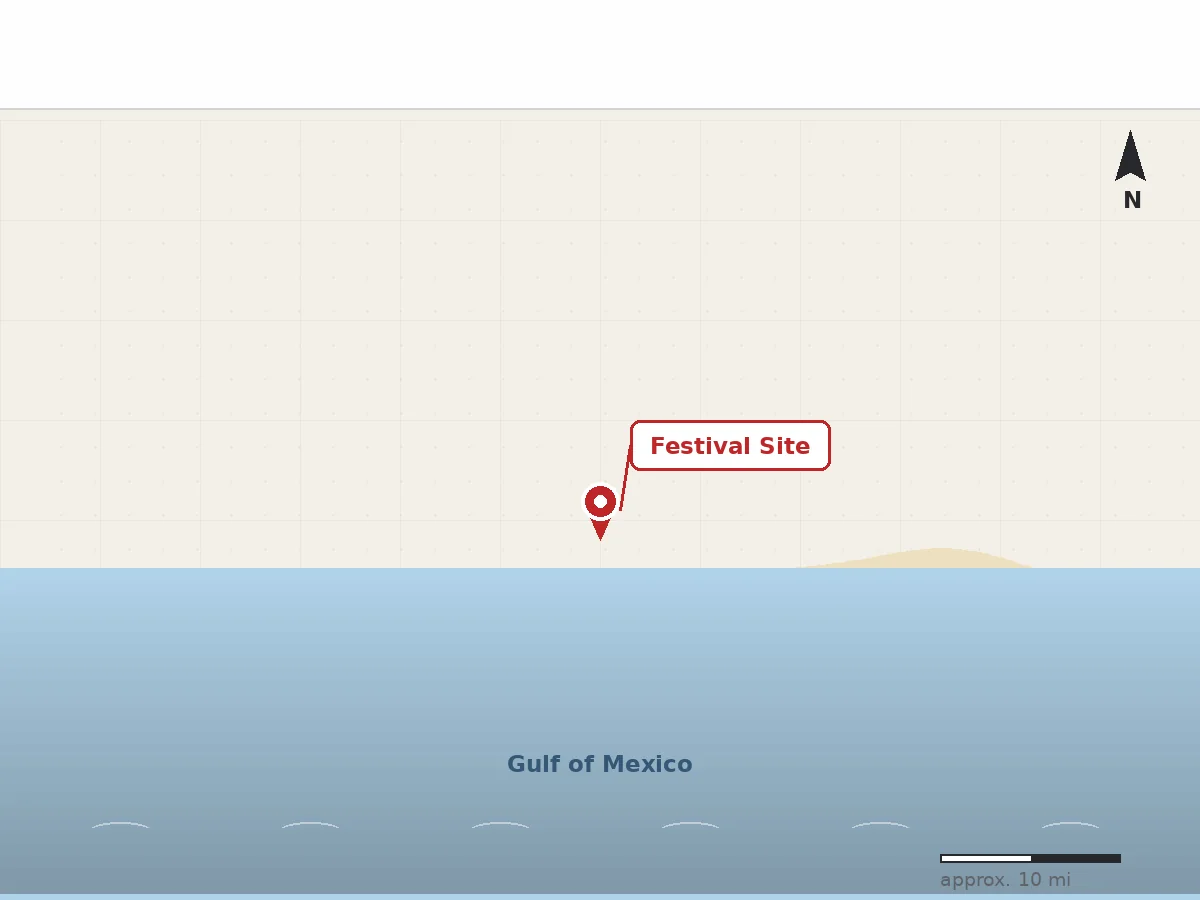
The festival’s core programming clusters around Lihue, the Kauai County seat on the island’s east side, with additional events at community venues elsewhere in the county.
Mokihana Traveler Q&A: Timing, Access, and Etiquette
When does the Mokihana Festival usually take place?
It is typically held in late summer into early autumn, most often during September, and it runs across several days rather than a single afternoon. Because the schedule shifts from year to year, confirm the current dates through local listings before you book flights, and build your trip around a flexible window rather than one fixed day.
Do I need tickets to attend?
Admission is typically free, though some concerts or showcase performances may be ticketed. There is no single gate pass for the whole festival, so check each event you want to attend. Bring cash for vendors and arrive early for anything with limited seating, since free events still fill up quickly once word spreads.
Can I attend without renting a car?
It is possible but restrictive. Rideshare coverage on Kauai is thinner than on Oahu, especially in the evening, and venues are spread across the county. If you skip the rental car, stay in or near Lihue, plan around daytime events, and arrange return transport in advance rather than hoping an app will deliver one at the end of a concert.
What etiquette should visitors follow at a hula event?
Treat the performance as you would a formal recital. Silence phones, avoid walking in front of the stage, and stand when the audience stands for protocol. Do not photograph performers without permission, and never step onto a stage area to get a better angle. Applause is welcome; shouting and flash photography are not.
Mokihana’s Next Seasons and What to Watch
The direction of travel is toward more programming in more venues, which means the planning burden on visitors grows rather than shrinks. Expect the festival to keep leaning on its strengths: competition, chant, and live Hawaiian music, with craft and food vendors filling the gaps between scheduled blocks. For travelers, the practical takeaway is to book early, stay flexible on dates, and check the schedule close to departure rather than months ahead.
Last updated: October 2026
Mokihana rewards preparation more than most island events. Get the lodging and the car sorted, accept that Kauai’s single highway will set your pace, keep one festival anchor per day, and let the rest of the weekend stay loose. Do that, and you will spend your time watching hula instead of hunting for parking.