Boone County Iowa Pufferbilly Days Festival
Boone County spreads across 574 square miles of central Iowa, a place of creek bottoms, corn ground, and small towns that still measure the year by planting and harvest. Its seat is Boone, and its residents have been gathering in that town since the county was organized on January 13, 1846. Each year, as summer loosens its grip on the prairie, that habit of gathering takes the shape of Pufferbilly Days — a weekend when the streets fill, the grills smoke, and much of the county seems to show up at once.
This is a festival built for the hinge of the seasons. The evenings come earlier, the light turns amber by late afternoon, and the first hints of autumn ride in on the breeze off the Des Moines River valley. Boone County’s population stood at 26,715 in the 2020 census, and a good share of those residents treat Pufferbilly Days as the unofficial closing ceremony of summer — the last big outdoor weekend before school routines, harvest prep, and cooler nights take over.
Pufferbilly Days Quick Facts: Boone County Basics
| Town / place | Boone and the surrounding Boone County area |
| County | Boone County, Iowa |
| County seat | Boone |
| County population | 26,715 (2020 census) |
| Region | Central Iowa |
| Typical timing | A weekend in September, as summer turns toward fall |
| Admission | Free to attend; food, rides, and merchandise sold separately |
| Setting | Downtown Boone streets in the county seat |
| Features | Street food, live music, a parade, classic cars, family activities, railroad-themed fun |
| Organizer | Local volunteer organizers and community partners |
The Feel of Pufferbilly Days: Boone’s Late-Summer Homecoming
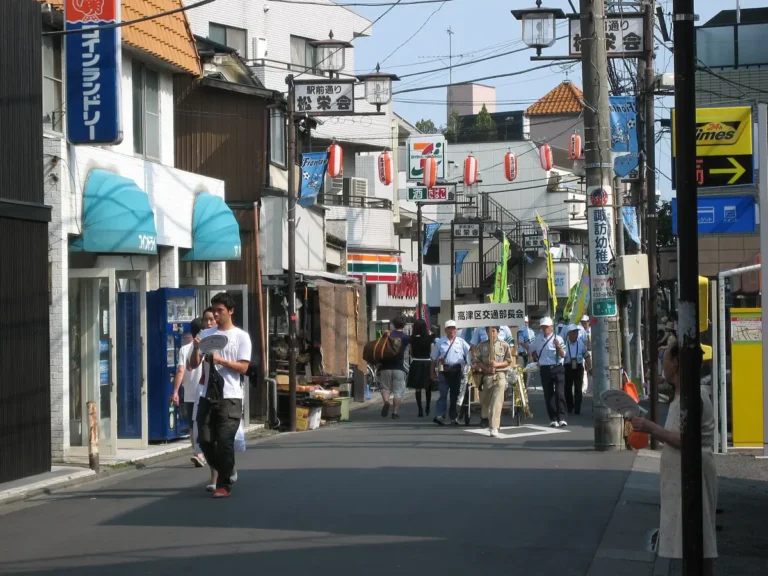
Pufferbilly Days is less a single event than a weekend-long takeover of downtown Boone. Streets that normally carry quiet traffic close to cars and open to foot traffic. Vendor trailers back into place along the curbs. A stage goes up, a parade route gets chalked out, and the whole grid of the county seat turns into a walking neighborhood for a few days. Locals greet each other by name; visitors from the surrounding towns of Ogden, Madrid, and the Ames area drift in and find the same easy welcome.
The name itself points backward. “Pufferbilly” was the affectionate nickname attached to the steam locomotives that once defined this railroad town — the puffing, chuffing engines that hauled freight and passengers through central Iowa. Boone’s identity was built on those rails, and the festival keeps that identity alive without turning into a museum. It is a street fair first, a heritage celebration second, and the two blend naturally in a town where a locomotive whistle is still a familiar sound.
What makes the weekend work is scale. Pufferbilly Days is big enough to draw crowds from across Boone County and beyond, but small enough that you can walk the whole thing in an afternoon and still have energy for the evening. There is no long shuttle ride, no sprawling fairground, no need to plan around timed entry. You park, you walk in, and the festival unfolds block by block around you.
For another look at how a community turns its own traditions into a gathering, see the Boone County Iowa Boone County Fair Festival for a useful comparison.
Steam, Streets, and a Name That Stuck: The Pufferbilly Days Story
Boone County was founded on January 13, 1846, when central Iowa was still being surveyed and settled. The town of Boone grew up as a rail hub, and for decades its economy, its skyline, and its daily rhythm were tied to the railroad shops and yards that made the community a working railroad town rather than a farming crossroads. That history is the soil Pufferbilly Days grew out of.
As the steam era faded and diesel replaced the puffing engines, the nickname “Pufferbilly” survived in local memory — a piece of slang that older residents remembered and younger ones adopted. Reviving it as a festival name gave Boone a way to celebrate its past on its own terms, without pretending the present is the past. The festival became a community project rather than a commercial production, shaped by volunteers who wanted a weekend that belonged to the town.
Over the years the celebration settled into a familiar shape: a downtown street festival with food, music, a parade, and activities for kids, timed to the September window when Iowa weather is at its most forgiving. The details have shifted with each organizing committee, but the core has stayed remarkably steady — a county seat opening its streets to the county around it.
What Fills the Blocks at Pufferbilly Days
Food Carts, Church Stands, and Small-Town Cooking
Food is the engine of the weekend. Expect the full range of Iowa festival fare: pork chop sandwiches and bratwurst, corn dogs, funnel cakes, fresh-squeezed lemonade, kettle corn, and soft-serve cones melting faster than anyone can eat them. Local churches, service clubs, and civic groups typically run stands of their own, which is where you find the dishes that taste like Boone County rather than like a traveling carnival — casseroles, pies, walking tacos, and coffee poured by people who have been doing it for decades.
Live Music, Contests, and Railroad-Themed Fun
Entertainment runs from afternoon into the evening. Local and regional bands cover country, rock, and classic hits from a stage in the middle of the action, while smaller acts and DJs fill the gaps between sets. Contests and demonstrations give the weekend its playful edge — think car shows, talent showcases, and games that invite audience participation. Railroad references show up throughout, a nod to the engines that gave the festival its name.
Family Activities Across Downtown Boone
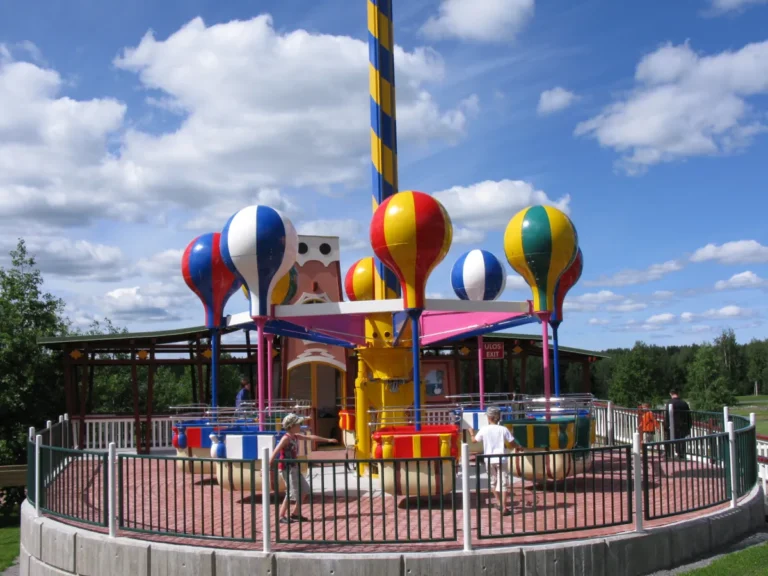
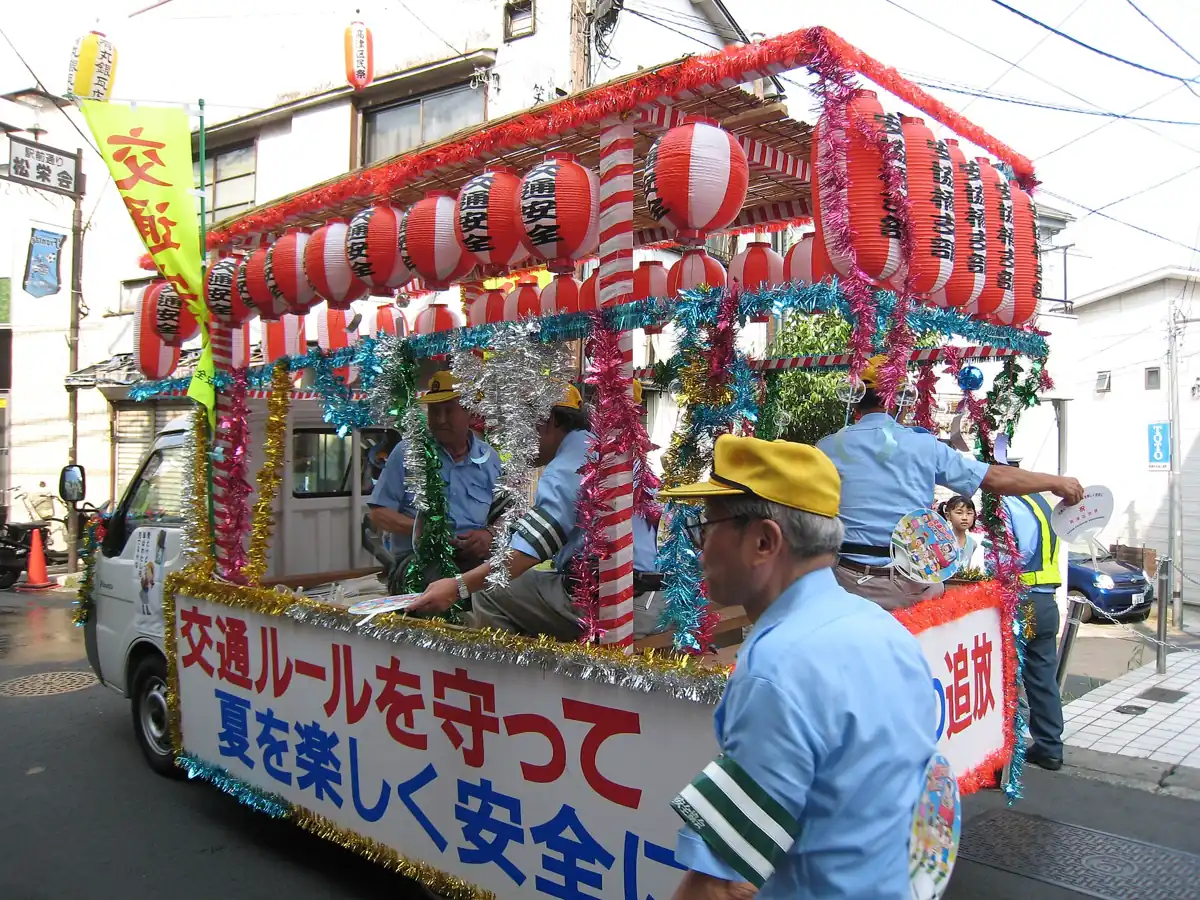
Families are the heart of the crowd. Kids’ zones with inflatables, games, and crafts keep younger visitors busy, and the parade is the weekend’s centerpiece for anyone under ten. Strollers navigate the closed blocks easily, and there are plenty of benches, curbs, and shaded spots for a break when small legs get tired. Because everything is walkable and admission is free, families can come and go without feeling locked into a full day.
Planning a Pufferbilly Days Weekend in Boone County
Getting to Boone, Iowa
Boone sits in central Iowa, easily reached from the Des Moines metro to the south and from Ames to the east via the region’s highway network. Most visitors arrive by car, and the drive through Boone County’s farmland is part of the appeal — rolling fields, old barns, and small towns that appear suddenly around a bend. If you are coming from out of state, Des Moines is the nearest major airport and rental car hub.
Where to Stay Near Boone County
Lodging in the Boone area is limited, and festival weekends fill quickly. Options include the town’s motels and inns plus a handful of guesthouses and short-term rentals in and around the county seat. Many visitors base themselves in Ames or the western Des Moines suburbs and make the short drive in for the day. Book well ahead if you want to stay within walking distance of downtown Boone.
Parking Around Downtown Boone
Street parking near the festival footprint is at a premium once the parade and evening crowds arrive. Arrive early in the day and you can usually find a spot within a few blocks; arrive at peak hours and you will be circling. Look for designated lots and side-street parking away from the closed blocks, and expect a short walk. Comfortable shoes matter more than a close space.
Admission, Costs, and What You’ll Spend
Admission to Pufferbilly Days is free. Your spending is entirely discretionary: food, drinks, ride and game tickets, raffle entries, and vendor merchandise. Bring cash for the church stands and smaller vendors, though many accept cards. A family can enjoy the weekend on a modest budget by packing water bottles, eating one meal at the festival and one elsewhere, and treating the parade and live music as the main event.
September Weather and What to Wear
September in central Iowa is famously changeable. Days can still push into the warm range while evenings turn cool enough for a jacket, and a passing front can drop temperatures noticeably in an hour. Dress in layers, keep a light rain shell handy, and bring sunscreen for afternoon hours in the open sun. Comfortable walking shoes are non-negotiable on the brick and asphalt of downtown Boone.
A Sample Pufferbilly Days Weekend, Start to Finish
Friday evening. Arrive in Boone before the dinner rush, park a few blocks out, and walk the vendor line while it is still easy to move. Grab street food, find a spot near the stage, and let the first night’s live music carry you into the evening. This is the calmest window of the weekend and the best time to get oriented.
Saturday morning. Claim your parade spot early — curbside space fills fast. Bring folding chairs, a blanket, and something to keep kids occupied before the first float appears. After the parade, work through the food stands for lunch, then let the family wander the kids’ activities while the afternoon bands play.
Saturday evening. Stay for the headlining music and the lights coming on over the closed streets. This is when the festival feels most alive, with crowds at their fullest and the food lines longest. Eat early if you want a table, or eat late when the rush thins.
Sunday. Come back for a slower pass. Vendor booths often have end-of-weekend energy, and the morning is ideal for a quiet walk through downtown before heading out to explore the rest of Boone County.
How Pufferbilly Days Compares with Nearby Iowa Celebrations
Set against the Iowa State Fair in Des Moines, Pufferbilly Days is a fraction of the size — and that is precisely the point. The fair is a statewide institution with enormous crowds and a full day’s worth of logistics; Pufferbilly Days is a walkable, unhurried downtown weekend where you will likely run into someone you know.
Compared with smaller community celebrations in nearby Madrid and Ogden, Pufferbilly Days carries more programming and draws from a wider radius, thanks to Boone’s size as the county seat. Compared with Ames, a larger university city to the east, it trades polish for intimacy. The result is a festival that sits in a comfortable middle: bigger than a town picnic, smaller than a state fair, and rooted firmly in Boone County.
Pufferbilly Days Packing and Prep Checklist
| Foldable chairs or a blanket | Essential for parade viewing along the downtown route |
| Cash and a card | Church stands and small vendors may prefer cash |
| Water bottles | Refill rather than buy; September afternoons can still be warm |
| Layers and a light rain jacket | Evening temperatures drop quickly in central Iowa |
| Comfortable walking shoes | You will cover more blocks than you expect |
| Sunscreen and hats | Little shade on the open festival blocks |
| Stroller or wagon | Helpful for younger kids and all the snacks |
| Patience for parking | Arrive early or accept a short walk |
Beyond the Festival: Boone County After the Confetti Settles
Give yourself an extra half day. Boone County rewards slow driving and short hikes. Ledges State Park, southwest of town, offers sandstone canyon trails and creek crossings that feel unexpectedly wild for central Iowa. The Boone & Scenic Valley Railroad keeps the region’s rail story running with excursion rides through the Des Moines River valley, a natural companion to the festival’s name.
Cyclists know the area for the High Trestle Trail and its striking bridge over the river valley near Madrid, one of the most photographed spots in the region. Add in the county’s small towns, local diners, and farm stands, and you have a full weekend that extends well past the festival footprint. For many visitors, the drive home through the countryside is the part they remember longest.
What Pufferbilly Days Means to Boone County
In a county of 26,715 people spread over 574 square miles, gathering takes effort. Pufferbilly Days is one of the few weekends when the whole county — plus friends from neighboring counties — occupies the same dozen blocks. That shared space matters. It is where fundraisers recruit volunteers, where neighbors catch up after a busy summer, and where kids from different towns meet on the same inflatable slide.
The festival also does quiet economic work, filling local motels, restaurants, and shops during a shoulder season and giving vendors and civic groups a reliable annual fundraiser. But its real value is cultural: it keeps Boone’s railroad identity in public view and hands it to a generation that never heard a steam whistle in daily service.
Where Pufferbilly Days Takes Place
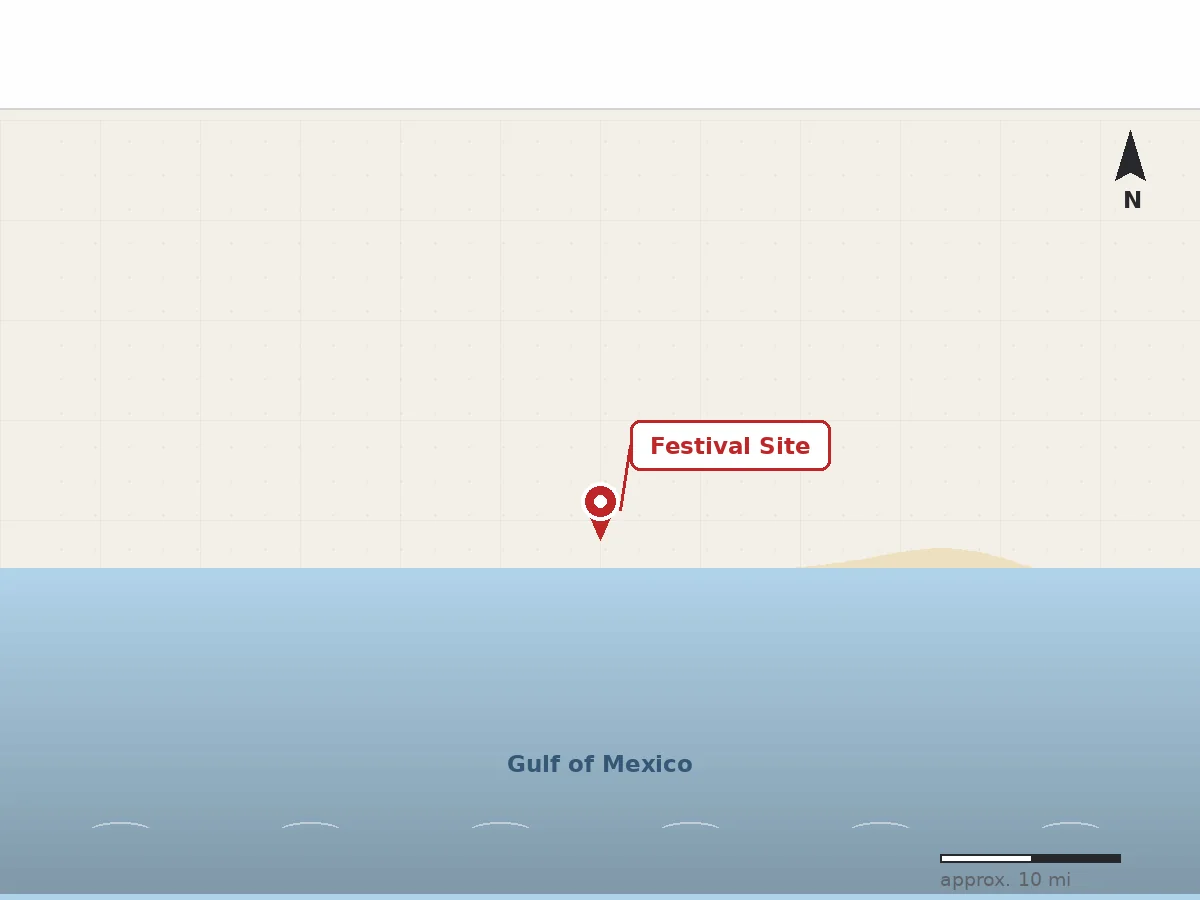
Pufferbilly Days fills the downtown streets of Boone, the county seat of Boone County, Iowa, in the heart of central Iowa.
Pufferbilly Days Questions, Answered
When does Pufferbilly Days usually happen?
It is held on a weekend in September, as summer gives way to fall in central Iowa. Exact dates shift from year to year, so check the current schedule before you plan travel. The September window is deliberate — the weather is usually mild, and the timing lands before harvest fully takes over the county’s attention.
Is there an admission fee?
No. Admission is free, and you can walk the entire festival without buying a ticket. You will pay only for what you choose to consume — food, drinks, rides, games, and vendor merchandise. That structure makes it an easy weekend for families who want a full day out without a large upfront cost.
Where should out-of-town visitors stay?
Boone has limited lodging that books up fast on festival weekends. Ames to the east and the western Des Moines suburbs offer more rooms within a reasonable drive. If walking to the festival matters to you, reserve early and confirm that your lodging is genuinely within walking distance of downtown.
What is the best time to arrive?
Mornings are calmest for parking and browsing. Arrive before the parade if you want a good curbside spot, and plan to stay into the evening for the fullest atmosphere. If crowds are not your thing, Friday evening and Sunday morning offer the same festival with noticeably more elbow room.
The Next Chapter for Pufferbilly Days
Festivals like this one live on volunteer energy, and the future of Pufferbilly Days depends on keeping that energy flowing. The priorities are familiar ones for small-town celebrations: bringing younger organizers into the fold, keeping vendor and entertainment costs manageable, and preserving the free, walkable character that makes the weekend appealing in the first place.
There is also room to lean further into the railroad story that gives the festival its name, and to strengthen connections with the county’s trails, parks, and excursion rail attractions so visitors have reasons to stay an extra night. If those pieces come together, Pufferbilly Days should remain what it has been for years: Boone County’s late-summer homecoming.
Last updated: October 2026
Pufferbilly Days is not the biggest festival in Iowa, and it does not try to be. It is a county seat opening its streets at the exact moment the season turns, when the light softens, the nights cool, and a railroad town remembers what it was built on. Come for the food and the parade, stay for the evening music, and leave with a sense of a place that still knows how to gather.