Hawaii County Hawaii Kona Coffee Cultural Festival
The most important flavor in Hawaii County ripens on a tree. Each autumn, as Kona’s coffee farms move into harvest, the Kona Coffee Cultural Festival turns the district’s towns, farms, and community halls into one long, sprawling tasting room. This is a food festival first — cupping tables, roast comparisons, recipe contests, and plates built around a bean that has shaped this coast for generations. It is also a harvest party, with hula, music, craft fairs, and farm families opening gates they keep closed the rest of the year. For travelers who plan trips around what they eat, this is the rare event where the ingredient, the landscape, and the people who grow it all show up in the same place.
Kona Coffee Cultural Festival Essentials for Hawaii County Visitors
| Town or area | The Hawaii County area, with events spread across the Kona district |
| County | Hawaii County, Hawaii |
| County seat | Hilo |
| County population | 200,629 |
| Region | West Hawaii’s Kona coffee belt, plus venues in and around Kailua-Kona |
| Typical timing | Each autumn, in most years across November, during harvest |
| Admission | Generally free to attend, with selected tastings and meals ticketed |
| Setting | Coffee farms, upland villages, historic town sites, and community halls |
| Features | Farm tours, cupping sessions, recipe contests, hula and music, craft fairs |
| Organizer | A community-led coalition of Kona coffee growers, farms, and cultural groups |
Inside the Harvest Celebration That Anchors Kona’s Coffee Culture
The Kona Coffee Cultural Festival is Hawaii County’s signature harvest-season gathering, held each autumn in most years across November, when the cherry on Kona’s slopes is ready to pick. Events spread across the Kona district rather than sitting inside a single fairground: farm tours on the volcanic slopes above the coast, cupping and tasting sessions, cooking demonstrations, art shows, and evening programs that pair food with hula and Hawaiian music.
Because the festival grew out of the coffee community itself, it stays close to the work. Growers talk about elevation, varietal, and processing the way winemakers talk about soil and vintage. Chefs treat Kona coffee as a seasoning as much as a drink, folding it into rubs, sauces, dressings, desserts, and cocktails. Visitors get something unusual for a food event: the chance to stand in the orchard where the flavor began, often with the family that farms it.
Programming leans local by design — neighborhood venues, church halls, school grounds, and small town streets — and much of it costs nothing to walk into. That open-door feel is part of the appeal. You can drift from a roasting demonstration to a craft table to a plate of something coffee-scented without ever buying a wristband.
From Orchard Rows to Festival Streets: Kona Coffee’s Long Story
Coffee reached the Kona slopes in the nineteenth century, and it thrived for reasons that still define the cup: morning sun, afternoon cloud cover, and young volcanic soil that drains quickly. Those conditions produced a distinctive, mild, aromatic bean, but the real story of Kona coffee is a story of small farms.
Through the early twentieth century, families from Japan, the Philippines, Portugal, China, and elsewhere worked Kona’s coffee lands, and many eventually bought and held their own plots. The result was a patchwork of tiny holdings rather than vast plantations — a landscape of hand-picked rows that survives today. When coffee prices collapsed and sugar drew labor away in the middle decades of the century, some farms were abandoned; the families who stayed kept the trees and the knowledge alive.
As Kona coffee rebuilt its reputation as one of the world’s most recognizable origin names, growers needed a way to tell that story to the people drinking it. The festival grew out of that impulse — a harvest-season celebration built by farmers, for their neighbors and for visitors, that turned a working agricultural district into a place where the public could taste, ask questions, and understand what a harvest actually costs. Decades later, the format still holds: farm gates open, tables get set, and the bean is explained by the people who grow it.
What a Day at the Kona Coffee Cultural Festival Feels Like
Expect a loose, multi-venue schedule rather than one fenced-in site. You will likely drive between events, and the day will be built around eating, drinking, and talking to growers.
Coffee You Taste, Chew, and Cook With
Food is the spine of the festival. Cupping tables let you compare single-farm lots side by side, slurping from a spoon and learning to name what you smell — citrus, brown sugar, toasted nut, stone fruit. Roasting demonstrations show how quickly flavor shifts with heat and time. Recipe contests push the bean into savory territory: coffee-rubbed meats, coffee-infused sauces and dressings, chili with a cocoa-and-coffee backbone. Dessert tables run toward coffee cheesecake, espresso custards, and pastries paired with macadamia, chocolate, and tropical fruit. Some tastings and sit-down meals are ticketed, but plenty of samples and demonstrations are open to anyone who shows up hungry.
Hula, Slack Key, and Stories from the Kona Coast
Entertainment keeps the festival rooted in place. Hula halau perform on community stages, and slack-key guitar and ukulele sets fill the gaps between tastings. “Talk story” sessions with longtime growers are the quiet highlight — informal conversations about drought years, harvest crews, and how a family’s rows have changed over generations. Art exhibits and photo displays round out the schedule, much of it made by Kona residents rather than touring acts.
Family-Friendly Corners of the Festival
Children are welcome at most public events, and the agriculture is genuinely interesting to them: red cherry, green bean, brown roasted bean, and the machines in between. Farm walks and seed-to-cup demonstrations work well for kids, as do craft activities, orchard tours, and the fruit, chocolate, and baked goods that accompany the coffee. Many venues are free and casual, so families can sample a little, step outside, and come back without committing to a long, seated program.
Planning Your Kona Coffee Festival Trip Around Hawaii County
Getting to Kona from Hilo and the Rest of the Island
Most visitors fly into the Kona side of the island, though Hilo — the Hawaii County seat — has its own airport and makes a workable base if you do not mind the cross-island drive, which takes a couple of hours in normal conditions. A rental car is close to essential, since festival venues scatter across the coffee belt and the coast.
Where to Sleep on the Kona Side
Kailua-Kona and the Keauhou area offer the widest range of hotels and condos, with resorts farther north along the Kohala coast. Upland towns in the coffee belt rent cottages and farm stays that put you minutes from the orchards. Staying in Hilo costs less in many cases but adds a long drive each festival day.
Parking and Moving Between Events
There is no single festival parking lot. Plan on town lots, street parking, and roadside pull-offs at farm venues, and arrive early for popular tastings. Some larger events run shuttle service or set aside overflow parking; check the schedule for the day you plan to attend and build in buffer time between stops.
What Admission and Tastings Cost
Admission is typically free for the bulk of the festival, including farm tours, demonstrations, cultural performances, and many tastings. A handful of specialty experiences — guided cupping flights, chef dinners, and some competitions — are ticketed, so budget for one or two splurges if you want the deeper experience.
Kona Weather During Harvest Season
Expect warm, humid days on the coast and cooler, mistier conditions in the upland coffee belt, where afternoon clouds and passing showers are routine. Bring light layers for elevation, a rain shell for farm visits, sun protection for the coast, and shoes you do not mind getting muddy in an orchard.
A Sample Kona Coffee Festival Weekend, Morning to Evening
Start the first morning in the uplands. A farm tour in the coffee belt gives you the harvest basics — picking, pulping, drying, milling — before you taste anything, which makes every later cup more legible. Follow it with a cupping session, then lunch in a small town where coffee shows up in the dressings and the desserts.
Spend the afternoon at a demonstration or recipe event, ideally one where you can ask questions of a grower and a cook in the same room. As evening arrives, head toward a community venue for hula, slack-key music, and a plate of something local. This is the part of the festival that feels most like a neighborhood gathering rather than a tourism production.
The second morning, choose a second farm at a different elevation to taste how much site matters. Then browse an art or craft fair, pick up a bag of roasted beans directly from the producer, and finish with a long, unhurried lunch before the drive back to your lodging. If you have time, save an hour for a coastal lookout — the same ocean breezes that shape Kona’s afternoon cloud cover are part of why the cup tastes the way it does.
How the Kona Coffee Festival Stacks Up Against Nearby Events
Hawaii County hosts several celebrations that draw travelers for very different reasons. The Merrie Monarch Festival in Hilo is the island’s premier hula event, held in spring, and it is a performance-first experience — you go for the dancing, not the food. The Big Island Chocolate Festival, on the Kona side, is the closest cousin to this one: a cacao-driven tasting event with chef competition energy, but built around a different crop and a shorter runway.
Paniolo heritage events in the Waimea area celebrate ranching culture, and Hilo’s farmers markets and food-focused gatherings offer an east-side counterpoint. The Kona Coffee Cultural Festival distinguishes itself by combining a working harvest, a multi-day, multi-venue format, and a genuinely food-forward program. If you want a single event where agriculture, cooking, and cultural performance overlap, this is the one.
Your Kona Coffee Festival Packing and Prep Checklist
Book lodging early, since the Kona coast fills up in harvest season, and reserve a rental car at the same time. Download or print the schedule before you arrive, mark the events that matter most, and accept that you will not reach all of them. Bring a refillable water bottle, a reusable cup if you plan to sample widely, cash for small vendors, a light rain jacket, closed-toe shoes, and a tote for beans.
Pace your caffeine. Cupping sessions involve many small tastes, and they add up quickly. Eat something substantial before a tasting flight, keep a designated driver if you plan to sample coffee cocktails, and leave room in your luggage for the bags you will inevitably buy.
Beyond the Festival: Coffee Farms, Beaches, and Hilo’s Own Charms
The festival is a good excuse to see more of the island. In the coffee belt, small towns like Holualoa and the farms around Kealakekua reward a slow afternoon of gallery browsing and mill visits. South of Kona, historic coastal sites and snorkeling bays make an easy half-day add-on, and the beaches north along the Kohala coast are among the island’s best for swimming.
Cross to the east side and Hilo offers a completely different Hawaii County: a walkable downtown, a famous farmers market, lush waterfalls, and rainforest drives. Volcano country lies inland from Hilo, where you can walk across a crater floor and feel the island’s geology up close. Pairing a few days on the Kona side with a few in Hilo turns a festival weekend into a genuine island trip.
What the Kona Bean Means to Hawaii County Beyond the Cup
Kona coffee is not just a crop here; it is a family inheritance. Many of the farms that open their gates during the festival are working smallholdings passed down through generations, and the harvest supports pickers, millers, roasters, and the shops and restaurants that serve them. The festival puts that economy on display in a way a bag on a shelf never can.
It also carries culture. The food traditions of Japanese, Filipino, Portuguese, Hawaiian, and other families who built Kona’s coffee lands show up on festival plates and in festival stories. For Hawaii County residents, the event is a point of pride and a teaching tool — a chance to show visitors that a premium cup depends on land, weather, patience, and people.
Where the Kona Coffee Cultural Festival Happens on the Island
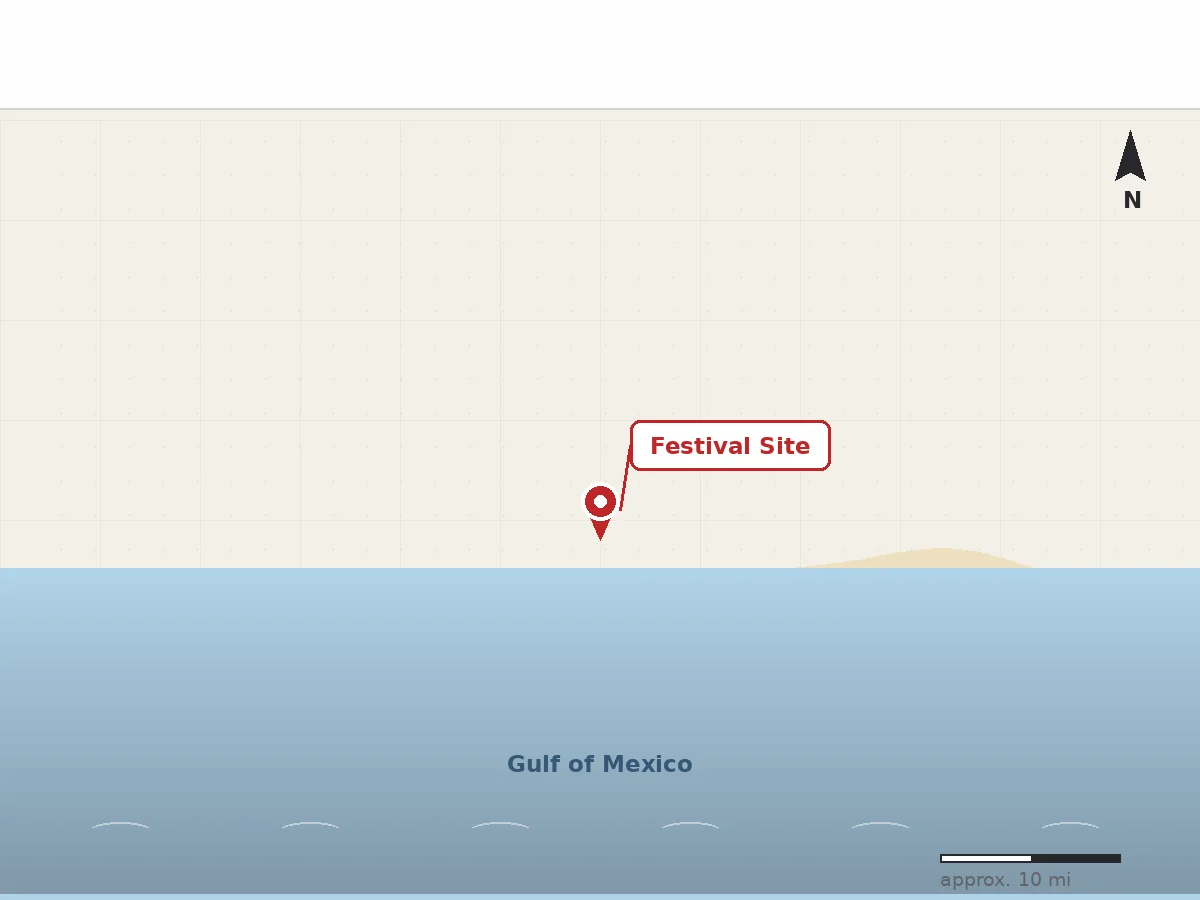
Festival events cluster along the Kona coast on the west side of Hawaii Island, in and around Kailua-Kona and the upland coffee belt, roughly a two-hour drive from the county seat of Hilo.
Answers for First-Time Kona Coffee Festival Goers
Do I need tickets to attend the Kona Coffee Cultural Festival?
For most of the program, no. Farm tours, demonstrations, cultural performances, and many tastings are generally free to attend. Selected experiences, such as guided cupping flights or chef-led meals, are ticketed separately. Check the schedule for the specific events you want and plan to reserve ahead for anything with limited seating.
Is the festival only about drinking coffee?
Not at all. Coffee is the through-line, but the festival is built around food, agriculture, and culture. You will find cooking demonstrations, savory dishes that use coffee as an ingredient, baked goods and desserts, hula and live music, art exhibits, and conversations with growers. Visitors who do not drink coffee still find plenty to eat and see.
Can I visit Kona coffee farms outside of festival events?
Yes. Many farms in the Kona belt welcome visitors for tours and tastings throughout the year, and some offer mill walks or roasting demonstrations on a regular schedule. During the festival, more farms open their gates than usual, which makes it the easiest time to see several in one trip.
How should I plan if I am staying in Hilo?
Treat festival days as full-day outings. The drive across the island takes a couple of hours each way, so group your stops on the Kona side, leave early, and avoid scheduling anything tight in the evening. Many visitors split their stay instead, spending the festival portion of the trip on the Kona coast and saving Hilo for a separate stretch.
The Next Harvest: Where Kona’s Coffee Festival Is Headed
Kona’s growers face real pressures — shifting rainfall, plant disease, rising land costs, and the difficulty of convincing a younger generation that farming can be a viable life. The festival increasingly functions as a response to those pressures, putting money directly into small farms, teaching visitors why origin matters, and giving young farmers a stage. Expect the food programming to keep expanding, with more chef collaborations and value-added products, and expect continued emphasis on sustainability and traceability. The format may evolve, but the purpose holds: bring people to the source, feed them well, and let the cup explain the rest.
Last updated: October 2026
Plan a Kona Coffee Cultural Festival trip around your appetite and the harvest calendar, and you will come home with more than beans. You will have stood in the rows, talked with the families who tend them, and eaten your way through one of the most distinctive food cultures in Hawaii County — a place where a single crop shapes the landscape, the menu, and the community all at once.