Huntington County Indiana Huntington Heritage Days Festival

Huntington County spreads across 387.72 square miles of northeastern central Indiana, and for one stretch each year its towns, farms, and neighborhoods fold into a single celebration called Huntington Heritage Days. It is part homecoming, part county fair, and part living history lesson, staged in a county that has been formally organized since May 5, 1834. With roughly 36,662 people scattered across that much land, the festival works the way county gatherings are supposed to: you run into someone you have not seen since last year, and you end up talking for an hour.
This guide is written for someone actually planning to go. It covers what the festival is, how it took shape, what to eat and hear, where to park and sleep, what a realistic weekend looks like, and how Huntington stacks up against neighboring towns. It also handles the details people forget — cash, weather, timing, and the handful of questions first-time visitors always ask.
Huntington Heritage Days at a Glance: Place, People, and Practical Notes
| Town or place | The Huntington County area, Indiana |
| County | Huntington County — authorized February 2, 1832; organized May 5, 1834 |
| County seat | Huntington |
| Population | 36,662 |
| Region | Northeastern central Indiana |
| Typical timing | Annual, multi-day event held on a weekend during the warmer months; confirm the current year’s dates locally |
| Admission | Generally free to enter the festival area; bring cash for vendors and activities |
| Setting | A county-seat town and surrounding community grounds, with a compact historic downtown nearby |
| Features | Heritage exhibits and demonstrations, live music, food vendors, family activities, civic-group booths |
| Organizer | Community and county volunteer organizations; check local listings for the current year’s hosts |
The Shape of the Celebration in Huntington County
Heritage Days only makes full sense once you understand the county around it. Huntington County is rural, spread thin, and dotted with small communities that each carry their own identity. The festival pulls those threads into one place for a weekend, which is why a farmer from the eastern townships and a factory worker from the county seat end up standing in the same food line.
The programming is broad by design. Expect heritage-focused exhibits and demonstrations, a vendor midway, live music through the day, kids’ activities, and plenty of room to simply sit and talk. Civic groups, churches, scouts, and service clubs typically fill the grounds with booths, and that is what gives the event the feel of a county reunion rather than a commercial production.
Because this is a county-scale festival and not a big-city affair, the pace stays relaxed. You can walk the whole thing in a couple of hours or stretch it across two days. Most people do the latter — drifting in and out, catching a set, eating twice, and heading home before it gets late.
For another look at how a community turns its own traditions into a gathering, see the Humboldt County Iowa Humboldt County Fair Festival for a useful comparison.
1832, 1834, and How a County Celebration Took Root
Heritage Days rests on a county with a long institutional memory. Huntington County was authorized on February 2, 1832, then formally organized on May 5, 1834 — a two-year gap that says a lot about how frontier counties came together. Land was set aside and boundaries drawn first; it took time after that for enough settlers, roads, and buildings to make local government function. The county seat grew up around that organizing work and became the natural stage for anything countywide.
For most of the nineteenth and twentieth centuries, life here revolved around agriculture, river traffic, and eventually manufacturing. Community gatherings followed the same rhythm: church suppers, grange meetings, school events, and summer celebrations that rotated between towns. Heritage Days grew out of that habit rather than being invented from nothing.
That origin explains why the event leans on demonstrations and displays as much as entertainment. A blacksmith at a forge, a quilt frame, a table of old photographs, or a restored piece of farm equipment does more for a county’s sense of itself than a headline act ever could. Over the years the festival has kept that emphasis while adding the music, food, and family programming that keeps younger visitors walking through the gate.
What a Weekend in Huntington Actually Feels Like
If you have never attended a county festival in this part of Indiana, Heritage Days will feel familiar within ten minutes. Here is how the main pieces usually break down.
Food: Fairground Standards and Church-Basement Cooking
Food is the center of gravity. Expect the county-fair canon — tenderloins, corn dogs, elephant ears, smoked meats, lemon shake-ups — alongside church and civic-group stands selling noodles, pies, and homemade baked goods. Those booths usually hold the best food on the grounds, and the money goes straight back into local organizations. Bring cash; some vendors take cards, many do not.
Music and Entertainment Across the Grounds
Live music typically runs in blocks from the afternoon into the evening, with local and regional acts covering country, classic rock, bluegrass, and gospel. Between sets, look for demonstrations, historic displays, tractor exhibits, and stage announcements. Schedules are usually posted at the entrances and shared through local channels, so grab one early and plan around the two or three things you genuinely want to see.
Family Activities for Kids and Grandparents Alike
Families are the core audience. Expect kid-oriented games, craft tables, face painting, and hands-on history stations where children can handle old tools or watch something being made. Strollers handle the grounds fine in dry weather. Older visitors get the other half of the appeal: shaded seating, short walking distances, and long conversations with people they have known for decades. Crowds build through the afternoon and peak in the evening.
Planning the Trip to Huntington County
Huntington County is not hard to reach, but it is spread out, so a little planning saves real time.
Getting to Huntington County
The county sits in northeastern central Indiana within an easy drive of Fort Wayne and the surrounding county seats. Most visitors arrive by car. If you are coming from out of state, Fort Wayne is the closest major city and the likeliest arrival point by air, with a rental car the practical next step. Rideshare coverage thins out quickly outside the county seat, so arrange your return trip before you rely on it.
Where to Stay In and Around Huntington
Lodging inside the county leans toward independent motels, inns, and a limited number of chain properties, with a much deeper bench of hotels in the Fort Wayne area. Campers often use nearby park campgrounds. Book early for festival weekends — this is a small market and rooms tighten fast when the county is celebrating.
Parking and Moving Around the Grounds
Parking is usually a mix of designated lots, street parking near the grounds, and walk-in options from satellite lots. Arrive before mid-afternoon for the easiest spot. Follow posted signs and volunteers rather than inventing a space on a residential street; residents are generous hosts, but they still need to reach their driveways.
Admission, Costs, and How Much Cash to Carry
Admission to the festival area is generally free, which is typical for county heritage events. Your real spending is food, drinks, raffle tickets, crafts, and activities that charge per play. Set a cash budget, keep small bills handy, and treat ATMs as a backup rather than a plan — they run dry on busy evenings.
Weather and What to Wear
Late spring through early autumn in this region swings hard. Mornings can be cool, afternoons humid, and evenings cool off once the sun drops. Dress in layers, bring a light rain jacket, wear shoes you do not mind getting dusty, and pack sunscreen and bug spray for the hours near grass and water.
A Realistic Heritage Days Weekend, Start to Finish
Day one. Arrive mid-morning and walk the grounds before the crowd builds. Use that quiet hour to read the historical displays and talk with demonstrators, who have far more time to explain their craft early in the day. Eat lunch at a civic-group stand, catch an early afternoon music set, then leave for a couple of hours during the heat. Come back for the evening program and dinner from a vendor you have not tried yet.
Day two. Start with whatever you skipped. If you have kids, hit the family activities first while lines are short. Spend the middle of the day exploring the county seat’s downtown and the surrounding countryside, then return for the closing evening, which usually brings the largest crowd and the best atmosphere.
If you only have one day, take the late afternoon into evening block. That is when the festival is at full volume.
How Huntington Compares to Nearby Festival Towns
Heritage Days sits in a crowded regional calendar, and knowing the differences helps you decide where to spend a weekend.
Fort Wayne, the nearest major city, runs a full slate of large festivals with national acts and heavy crowds. If you want scale, that is your option. If you want to actually talk to people, Huntington is the better fit.
Wabash, to the southwest, offers a comparable county-seat experience with its own historic downtown and community traditions. Both are small-city celebrations rooted in local history, but each leans on its own landmarks and stories. Bluffton and Wells County, just to the east, provide another neighboring option with similar rural character and a downtown that hosts community events.
The short version: Huntington Heritage Days is smaller, cheaper, and more personal than anything in Fort Wayne, and more explicitly history-focused than most neighboring town celebrations. Choose it when you want a county, not a crowd.
A Practical Checklist for a Heritage Days Weekend
| Cash in small bills | Many vendor and activity booths are cash-first |
| Layers and a rain jacket | Indiana weather shifts between morning and evening |
| Comfortable, dust-friendly shoes | Grounds mix grass, gravel, and pavement |
| Sunscreen and bug spray | Long afternoons outdoors, evenings near grass |
| Reusable water bottle | Vendor drinks add up over a full day |
| Folding chair or blanket | Seating fills quickly during music sets |
| Printed or downloaded schedule | Cell service gets patchy in dense crowds |
| Charged phone and car charger | Navigation, photos, and meeting up with family |
| Parking plan before mid-afternoon | Lots fill as the evening program begins |
| Lodging booked well ahead | Local room inventory is limited |
Beyond the Grounds: Huntington County the Rest of the Year
Heritage Days is a good excuse to spend more than a few hours in the county. The county seat of Huntington rewards a slow walk, with the compact brick-and-awning downtown typical of northeastern central Indiana — local shops, diners, and civic buildings all within a few blocks of each other. Historic architecture, courthouse-square streetscapes, and river-adjacent green space make for an easy half-day.
Outside town, the county’s 387.72 square miles are overwhelmingly agricultural, which means the drives are the attraction: barns, hedgerows, fields, and small crossroads communities that rarely show up on a map you would buy. Parks, reservoirs, and trails elsewhere in the region give you a reason to bring bikes or hiking shoes. For a longer stay, Fort Wayne’s museums, minor-league sports, and restaurant scene are within reach for a day trip, and the surrounding counties each have a main street worth an afternoon.
What Heritage Days Means to a 36,662-Person County
The numbers explain why this festival matters. Huntington County holds 36,662 residents across 387.72 square miles — rural by any measure. When a county is that spread out, shared experiences are not automatic. They have to be built.
Heritage Days is one of the few times a year when the whole county lands in one place. That matters for schools, churches, businesses, and volunteer groups that depend on face-to-face contact. It also matters for the county’s sense of its own history: a place organized in 1834 accumulates stories quickly, and stories that are not retold disappear.
For younger residents, the festival is often a first real encounter with local history outside a textbook. For older residents, it is a reunion. Both functions are worth protecting, and both depend on people showing up.
Where Heritage Days Sits in Huntington County
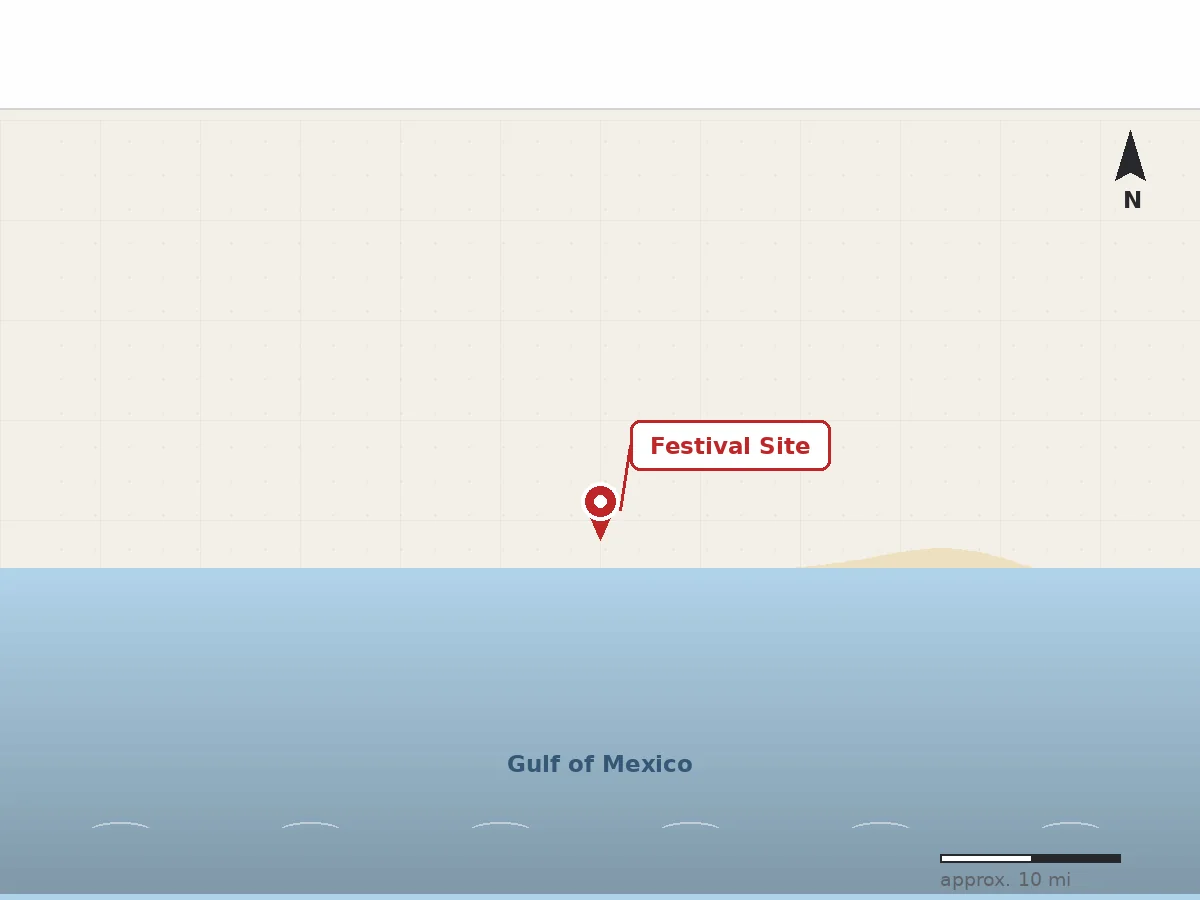
The festival takes place in the Huntington County area of northeastern central Indiana, centered on the county seat of Huntington and the community grounds around it.
Straight Answers for First-Time Heritage Days Visitors
Is Huntington Heritage Days free to attend?
Admission to the festival area is generally free, which is standard for county heritage celebrations. You will still want cash for food, drinks, crafts, raffles, and anything that charges per person or per play. Check the current year’s schedule in case any element has changed.
When is the festival held each year?
Heritage Days is an annual, multi-day event typically staged on a weekend during the warmer months. Exact dates shift from year to year, so confirm them through local listings before you book lodging or request time off.
Do I need to book a hotel far in advance?
Yes, if you want to stay close. Lodging inside the county is limited, and festival weekends tighten the market further. Fort Wayne and neighboring county seats offer more rooms within a reasonable drive, and campgrounds are an option for RV and tent campers.
Is the festival a good fit for young children and older visitors?
It is built for both. Family programming, craft tables, and hands-on history stations keep kids occupied, while shaded seating, gentle walking distances, and familiar faces make it comfortable for older visitors. Bring a stroller or a folding chair depending on who is coming with you.
Looking Ahead: The Next Chapter for Huntington Heritage Days
The festival’s long-term challenge is the one facing county celebrations everywhere: keeping a volunteer-driven event relevant to residents who have more entertainment options than ever. The ingredients are already in place — a strong historical identity, a county that values its own stories, and a location that pulls people back for reunions.
Expect the core to stay recognizable. Heritage Days will likely continue mixing demonstrations and exhibits with food, music, and family activities, because that combination is what fills the grounds. Growth, if it comes, will probably show up in scheduling, promotion, and the number of participating community groups rather than in a dramatic change of format. For visitors, that is good news: the festival works precisely because it has not tried to become something it is not.
Last updated: October 2026
If you are planning a trip around Huntington Heritage Days, treat it as a weekend rather than an afternoon. Come early, stay for the evening, eat at the booths run by local groups, and leave time for the county beyond the grounds. That is where the festival makes its case — in a place organized in 1834 that still gathers its people in one spot every year.


One Comment