Wicomico County Maryland Maryland Folk Festival
For three Septembers in a row, downtown Salisbury belonged to fiddles, storytellers, gospel choirs and craft demonstrators, as the Maryland Folk Festival turned the centre of the Wicomico County seat into an open-air celebration of traditional culture. The festival grew out of Salisbury’s turn hosting the National Folk Festival, and for a while it looked settled into the city’s calendar. That run is now paused. The edition planned for September 2026 was cancelled in May 2026 after funding fell short, and the festival’s future is openly uncertain. This article describes the festival as the record documents it: a free, city-run gathering with genuine national roots, a strong three-edition run under its own name, and a story that currently ends in a question rather than a date.
About the Festival
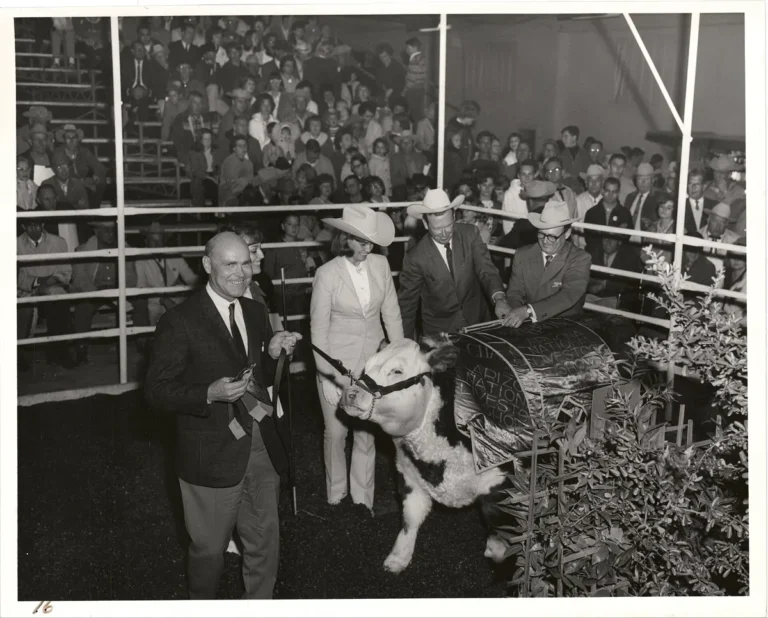
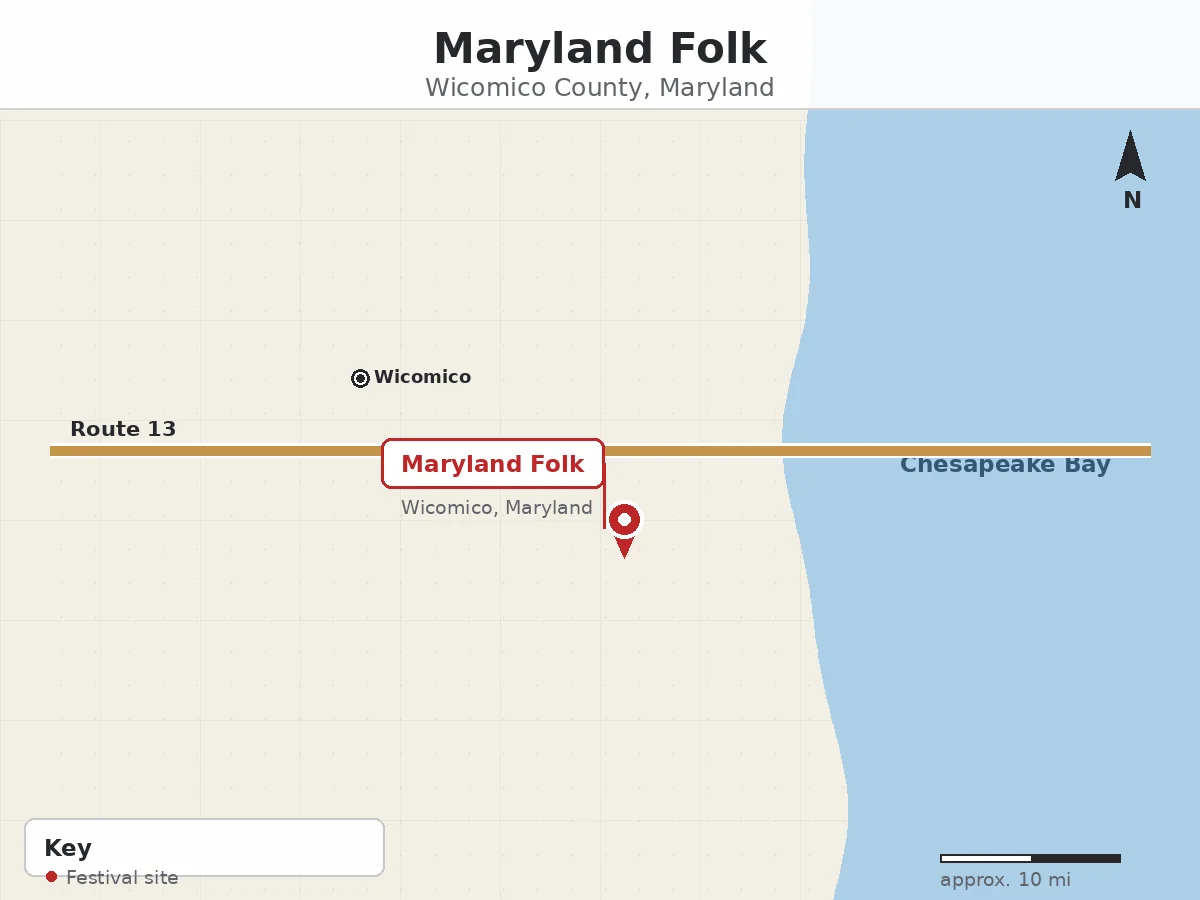
The published name is Maryland Folk Festival, printed exactly in that form, and the event was organised by the City of Salisbury through its Arts, Business, and Culture Department. Salisbury is the seat of Wicomico County, on Maryland’s Eastern Shore, and the festival occupied a defined downtown footprint bounded by Route 13, Route 50, the Wicomico River and Carroll Street. Within those boundaries, streets and public spaces became stages, demonstration areas and food rows. Admission was free, which shaped the character of the weekend: residents could drift in and out between errands, and visitors could sample a stage or two without committing to a ticket. At its documented scale, the festival brought together about two hundred fifty traditional musicians, dancers, craftspeople and other keepers of culture, performing and demonstrating across four stages. Its programme joined traditional music and dance with food, crafts and storytelling, alongside children’s activities, regional and ethnic cuisines and craft brews. The Maryland festival was the successor to something larger. Its predecessor on the same streets, the National Folk Festival, was organised by the National Council for the Traditional Arts and ranks among America’s largest and longest-running celebrations of arts, culture and heritage.
Quick Facts
| Item | Detail |
| Published name | Maryland Folk Festival |
| Host town | Salisbury, Maryland |
| County seat | Salisbury is the Wicomico County seat |
| Venue | Downtown Salisbury, within a footprint bounded by Route 13, Route 50, the Wicomico River and Carroll Street |
| Organiser | City of Salisbury, Arts, Business, and Culture Department |
| Predecessor | The National Folk Festival, held in Salisbury from 2018 to 2022 |
| Editions under this name | 2023, 2024 and 2025 |
| Admission | Free |
| Programme scale | About two hundred fifty traditional performers and craftspeople across four stages |
| Status | Paused; the 2026 edition was cancelled in May 2026 |
History
Salisbury’s folk festival story began in 2018, when the National Folk Festival arrived in the city. That travelling celebration, organised by the National Council for the Traditional Arts, settled into downtown Salisbury and was hosted there four times across five years, running from 2018 through 2022 with a gap during the COVID period. Few host cities keep the national event that long, and by the end of the tenure the festival had become part of how Salisbury understood its own downtown. A study commissioned by the city in 2021 measured what that presence meant in practical terms, finding that the festival infused roughly nineteen point eight million dollars into the local economy. When the national festival’s Salisbury tenure ended, the city chose not to let the tradition leave with it. From 2023, the celebration continued under a local name, the Maryland Folk Festival, run by the city’s own Arts, Business, and Culture Department. Editions followed in 2023, 2024 and 2025, keeping the downtown footprint, the free admission and the four-stage format. A vendor form for the 2025 edition advertised twenty-five thousand visitors, a figure that suggests the hometown version held much of its predecessor’s drawing power. The next edition was planned for the weekend of 18 to 20 September 2026. On 6 May 2026, however, the city cancelled that edition, citing funding challenges. Since then, city discussion has turned to what a new fall event in 2027 could look like. Those conversations concern a possible new event, and nothing in the record presents them as a promised return of the Maryland Folk Festival itself.
What to Expect
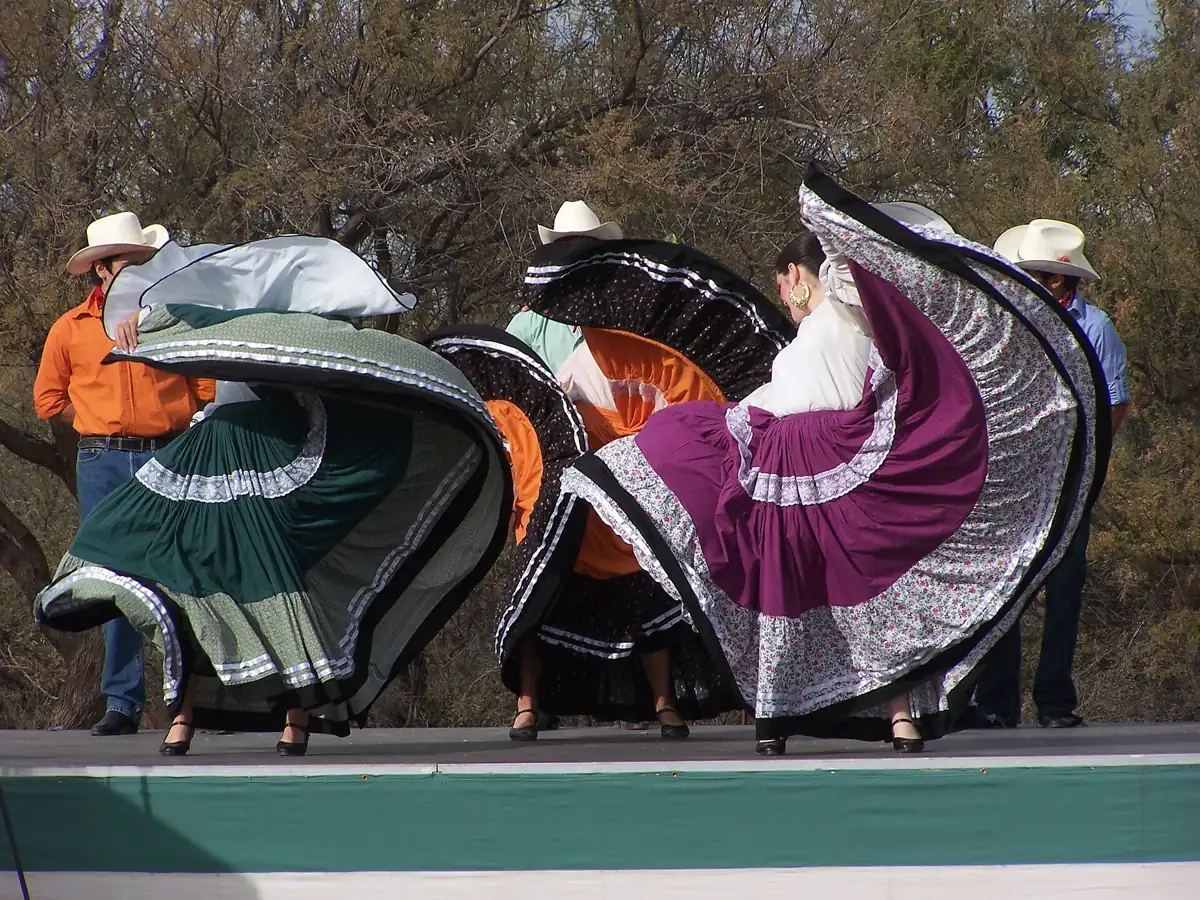
Accounts of the festival’s editions describe a weekend built around living traditions rather than headline spectacle. Four stages carried traditional music and dance through the day, with performers drawn from the roughly two hundred fifty musicians, dancers, craftspeople and other culture keepers on the bill. Storytelling held its own place in the programme, treated as a performance art in its own right rather than a pause between musical sets. Craft demonstrators worked in view of the crowds, so visitors could watch skills being practised instead of merely buying finished objects. Food formed a serious strand of the offer: regional dishes sat alongside ethnic cuisines reflecting the communities whose music filled the stages, and craft brews were poured for adults. Children’s activities ran through the programme, giving younger visitors their own route into the weekend. Because admission was free and the site was the downtown itself, the boundary between audience and passer-by stayed porous; a shopper on an ordinary errand could end up watching a dance set. All of this is written in the past tense deliberately. With the 2026 edition cancelled, there is no current version of the festival to describe, and the honest picture is the one its three Maryland editions left behind.
Planning Your Visit
The first thing a prospective visitor has to absorb is that there is presently no edition to plan for. Anyone who travelled to Salisbury in September 2026 expecting the festival found downtown streets in their ordinary state, because the planned weekend of 18 to 20 September was cancelled the previous May. Planning guidance therefore has to work on two levels. For the festival as it existed, the practical picture was forgiving: the site was the walkable centre of a county seat, entry cost nothing, and the footprint’s edges were easy landmarks, with Route 13 and Route 50 carrying through traffic, the Wicomico River closing one side and Carroll Street marking another. Visitors to past editions could arrive without tickets, move between four stages on foot and eat from the festival’s own food rows. For the future, the sensible habit is to watch for announcements from the city, whose Arts, Business, and Culture Department ran the event. Salisbury has said it is discussing what a new fall event in 2027 might look like, and any firm news about autumn programming will come through that civic channel first. Until an announcement exists, no date should be treated as booked, and travellers making long journeys would be wise to keep their plans flexible.
For a useful comparison, see the Washington County Maryland Western Maryland Blues Festival for another county festival.
A Sample Festival Weekend
To give the flavour of the event as documented, it helps to picture a weekend from its run of editions. A Friday could begin with an unhurried arrival in Salisbury and an evening spent getting bearings in the downtown footprint, hearing early sets drift from the stages and choosing which performers deserved a longer listen on Saturday. Saturday was the full day: a morning opening with craft demonstrations while the streets were still relatively quiet, then a rotation among the four stages as music and dance sets followed one another, pausing for lunch among the regional and ethnic food stalls and giving the children’s activities their hour in the afternoon. Sunday lent itself to a slower circuit, catching storytellers missed earlier, revisiting a favourite craftsperson and finishing with a final performance before the drive home. That rhythm belongs to the festival’s past editions; it is offered as a portrait of what the weekend felt like, not as a schedule for a coming one.
How the Festival Compares
The closest comparison is also the most important distinction. The National Folk Festival is a travelling event that plants itself in a host city for a period and then moves on; its seasons in other cities are separate chapters of that national story and are not this festival. Salisbury’s Maryland Folk Festival was something different: a locally owned continuation, created when the city decided to keep the tradition after the national tenure ended, and run by the city’s own department rather than by the National Council for the Traditional Arts. Two other Salisbury gatherings sometimes get mentioned in the same breath and should be kept apart from it. The Salisbury Pride Parade and Festival is a distinct event with its own purpose and organisation, and the Good Beer Festival is likewise a separate Salisbury occasion. Neither is a version of the folk festival, and neither’s dates or details say anything about the Maryland Folk Festival’s future. What set the folk festival apart within the city’s calendar was the combination of national lineage, free admission and a programme devoted to traditional arts rather than to a single genre.
A Visitor’s Checklist From Past Editions
- Leave the ticket money at home; entry to the festival was free.
- Learn the footprint’s edges, Route 13, Route 50, the Wicomico River and Carroll Street, before wandering.
- Give craft demonstrations time in the morning, when the downtown streets were quieter.
- Rotate among all four stages instead of camping at one.
- Eat inside the festival, where regional and ethnic cuisines anchored the food offer.
- Build children’s activities into the day rather than treating them as an afterthought.
- Check the city’s announcements before travelling, since the festival is currently paused.
Beyond the Festival Footprint
The festival never floated free of its setting. Downtown Salisbury is the working centre of the Wicomico County seat, and the Wicomico River runs along one edge of the ground the festival occupied, so a weekend at the stages was also a weekend in the middle of the city’s ordinary life. Visitors in past years moved between performances and the everyday downtown around them, and that mixture was part of the appeal: the folk festival did not seal itself behind a fence or a gate. The river side of the footprint gave the site an open boundary and a sense of place rooted in the Eastern Shore landscape, while the surrounding streets carried the shops and services of a county seat. Even now, with the festival paused, that downtown remains the address attached to its memory, and it is the ground any successor fall event would most plausibly animate.
Why the Festival Matters
The Maryland Folk Festival mattered because it kept a national tradition standing in one small city after the travelling version moved on. Its stages treated regional and community culture as the main event, presenting storytellers, dancers and craft demonstrators with the same seriousness as headline musicians. The economics were documented rather than merely claimed: a city-commissioned study put the festival’s contribution at roughly nineteen point eight million dollars into the local economy in 2021, and the 2025 edition was marketed to vendors on the strength of twenty-five thousand visitors. For Salisbury, the festival also functioned as an argument about what a county seat’s downtown can hold. Its cancellation, openly attributed to funding challenges, is part of the record too, and it underlines how much of the event rested on public commitment. Whether the city’s talk of a new fall event for 2027 produces a successor, and in what shape, will say a great deal about how much that commitment endures.
Frequently Asked Questions
Why was the 2026 edition of the festival cancelled?
The city cancelled the planned edition on 6 May 2026 and attributed the decision to funding challenges. The weekend that had been announced for 18 to 20 September 2026 therefore never took place, and the festival stands paused while the city discusses what a new fall event in 2027 could look like.
What kinds of performers appeared on the festival’s stages?
The programme was built from traditional culture in many forms. Around two hundred fifty musicians, dancers, craftspeople and other keepers of culture took part across four stages, and the bill joined music and dance with storytelling, craft demonstration and children’s activities, supported by regional and ethnic food and craft brews.
Which part of Salisbury did the festival occupy?
It filled a defined downtown footprint in the centre of the county seat. Route 13 and Route 50 bounded the site on the road side, the Wicomico River closed another edge and Carroll Street marked a fourth, placing the stages and stalls within the ordinary streets of central Salisbury rather than in a separate fairground.
Did visitors need a ticket to get in?
No ticket was required. Admission to the Maryland Folk Festival was free throughout its documented editions, in keeping with its identity as a city-run celebration open to residents and visitors alike. That open-door policy was one of the features carried over from its National Folk Festival predecessor years.
What to Expect From the Next Wicomico County Maryland Maryland Folk Festival
How often is Wicomico County Maryland Maryland Folk Festival held?
During its run, the festival appeared in successive years: the Maryland Folk Festival was staged in 2023, 2024 and 2025, following Salisbury’s four hostings of the National Folk Festival between 2018 and 2022. That yearly rhythm is broken for now. The 2026 edition was cancelled before it happened, so the festival cannot currently be described as running on any regular cycle.
When is the next Wicomico County Maryland Maryland Folk Festival?
No next edition is scheduled. The only dated plan after the 2025 festival was the weekend of 18 to 20 September 2026, and the city cancelled that edition in May 2026 over funding challenges. City officials are discussing what a new fall event in 2027 could look like, but those discussions concern a possible new event and amount to discussion, not to an announced return of the Maryland Folk Festival under its own name.
Will the dates change?
The question answers itself for 2026, since the announced September dates were withdrawn along with the edition itself. Nothing has been published that fixes a date for any later edition, so there is no existing date that could simply shift. If the city eventually mounts a successor fall event in 2027 or beyond, its organisers would choose its timing afresh, and readers should rely on a formal city announcement rather than on the festival’s former September habit.
The Maryland Folk Festival gave Salisbury three years in which the city’s own name fronted a celebration with national roots, and it left behind a clear account of what such an event can bring: four stages of traditional performance, a free and porous downtown site, and a measured contribution to the local economy. Its pause is a loss the record states plainly. Should the talks about a new fall event produce something concrete, downtown Salisbury will again be the place to watch; until then, the festival’s documented editions stand as the complete story.