Montgomery County Kentucky Nancy Green Pancake Queen Spring Festival
On a spring Saturday in downtown Mount Sterling, the courthouse square fills with griddles, music and market stalls for a festival that honours one of the town’s own. The event celebrates Nancy Green, the Mount Sterling woman a food-history layer records as the first person to portray the Aunt Jemima character and the woman a milling company proclaimed “The Pancake Queen”. The fullest account in the layers read comes from an event-aggregator layer, which bills the two thousand twenty-six gathering as the fourth annual running of the festival and sets it on Courthouse Square between ten in the morning and three in the afternoon. Around that single well-described day, the rest of the record is thinner: no layer names an organiser, and no layer names a price for getting in.
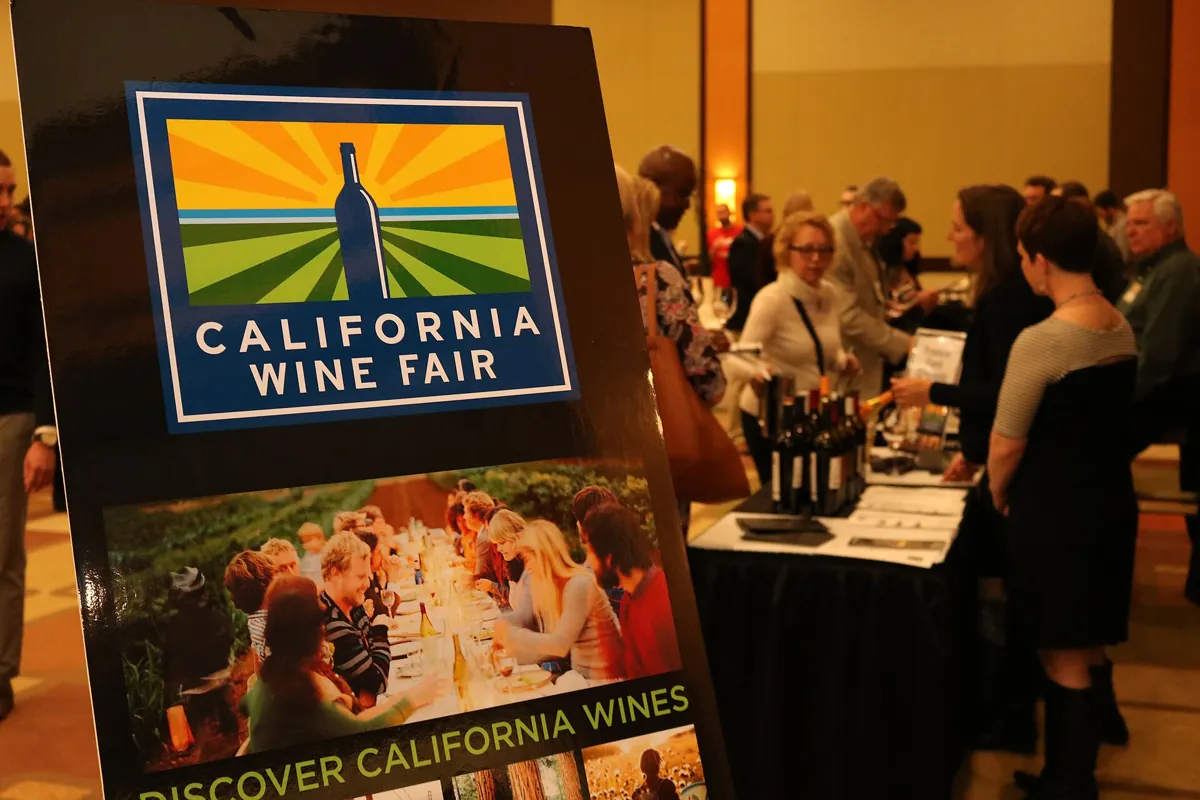
About
The festival’s name travels in three printed shapes, and they are kept separate here because the layers never settle on one. A festival-guide layer prints the name exactly as this article’s title gives it: Nancy Green Pancake Queen Spring Festival. An event-aggregator layer inserts quotation marks, printing Nancy Green “Pancake Queen” Spring Festival. The tourism body’s calendar layer shortens the tail, listing a Nancy Green “Pancake Queen” Festival. All three forms point to the same spring gathering, and none is treated as more official than the others.
Mount Sterling hosts the day. A state reference layer’s county formation table records Mount Sterling as the county seat of Montgomery County, and the festival sits in the middle of that seat town: the aggregator layer places it on Courthouse Square in the downtown, while the tourism body’s calendar describes the same event more loosely as “at the Courthouse”. No street address is printed in any layer, and none is supplied here.
Who runs the festival is a genuine gap in the record. No organiser name is printed in the layers read; the event simply appears in the tourism body’s calendar and in festival-guide listings. The only contact trace is the tourism office’s general calendar contact, which exists in the layers and is noted by existence only.
That thinness shapes how the event should be pictured. The layers present a community-scale celebration rather than a produced spectacle: calendared by the county’s tourism body, listed by general festival guides and described in particulars by a single aggregator. Nothing in print suggests ticket gates or fenced grounds. The paper trail shows a town putting one of its own stories on public display for a spring Saturday, with the square itself doing the work a fairground does elsewhere.
For a useful comparison, see the Montgomery County Kentucky Small Town American Festival for another county festival.
Quick Facts
| Item | Detail |
| Published name | Nancy Green Pancake Queen Spring Festival |
| Other printed forms | Nancy Green “Pancake Queen” Spring Festival; Nancy Green “Pancake Queen” Festival |
| Honouree | Nancy Green, eighteen thirty-four to nineteen twenty-three |
| Host town | Mount Sterling, Montgomery County, Kentucky |
| County seat status | Mount Sterling is the county seat, per a state reference layer |
| Venue as printed | Courthouse Square, downtown; “at the Courthouse” in the tourism calendar |
| Documented dated edition | Saturday the twenty-fifth of April, two thousand twenty-six |
| Hours as printed | Ten in the morning to three in the afternoon |
| Programme as documented | Pancakes, live music, street vendors and food |
| Admission | No layer read states a price |
History
Two histories meet in this festival, and the record keeps them at different depths. The deeper one belongs to the honouree. A food-history layer tells that Nancy Green was from Mount Sterling, that she became the first person to portray the Aunt Jemima character, and that the milling company behind that character proclaimed her “The Pancake Queen”. The company is described in that layer only by its trade, never by name, and so it stays unnamed here. Her life ran from eighteen thirty-four to nineteen twenty-three, which means the festival’s tribute reaches back to a woman born well before the character she embodied existed.
The festival’s own history is far shallower in print. The aggregator layer’s billing of the two thousand twenty-six edition as the fourth annual is the only numerical claim any layer makes about the run, and it is carried here strictly as a billing: no layer states the year the festival began, and no start year is worked out from that billing by subtraction. A festival honouring a hometown figure with a national story does not need an invented founding date, and this article does not give it one. What can be said is that by the spring of two thousand twenty-six the event had acquired an annual billing, a fixed downtown ground and a place on the tourism body’s calendar.
The pairing of a deep biography with a shallow event history is itself instructive. The honouree’s milestone moments — her Mount Sterling origins, her pioneering portrayal of the character, her crowning as “The Pancake Queen” — belong to an earlier era as the food-history layer frames them. The festival, by contrast, belongs plainly to the present day: a recent community invention, if the fourth annual billing is any guide, created to give that older story a recurring public home. The layers never describe an earlier pancake celebration in the town from which this one grew, so no lineage is claimed beyond the billing itself.
What to Expect
The aggregator layer sums the day up in one breath: a full day of pancakes, live music, street vendors and food. That single sentence carries the whole documented programme, and it deserves to be read as the whole of it. Pancakes are the centrepiece, which follows from the honouree’s title; the griddle is the reason the crowd gathers. Live music plays across the day, though no layer names a performer, a stage or a schedule. Street vendors line the square alongside food sellers, though no layer counts them or lists what they bring.
Beyond that sentence, honesty requires restraint. No layer read describes a parade, a contest, a pageant, a race or a children’s area at this festival, so none is promised here. A visitor working from the record alone should arrive picturing a compact downtown gathering built around eating, listening and browsing on the square, held inside a five-hour window, rather than a sprawling multi-stage fairground event.
The setting does part of the work a longer programme list would do at a bigger festival. Courthouse Square puts the courthouse itself at the centre of the day, and the aggregator’s wording — a full day of activity compressed into five stated hours — suggests density rather than sprawl: food, music and stalls sharing one civic space. The tourism calendar’s plainer phrase, “at the Courthouse”, points to the same arrangement.
Planning Your Visit
The firmest date in the record belongs to the aggregator layer: Saturday the twenty-fifth of April, two thousand twenty-six, from ten in the morning until three in the afternoon, on Courthouse Square in downtown Mount Sterling. A festival-guide layer’s weekend preview for two thousand twenty-six agrees, listing the festival on the twenty-fifth in Mount Sterling. Planning around that Saturday is the best-supported choice the layers offer.
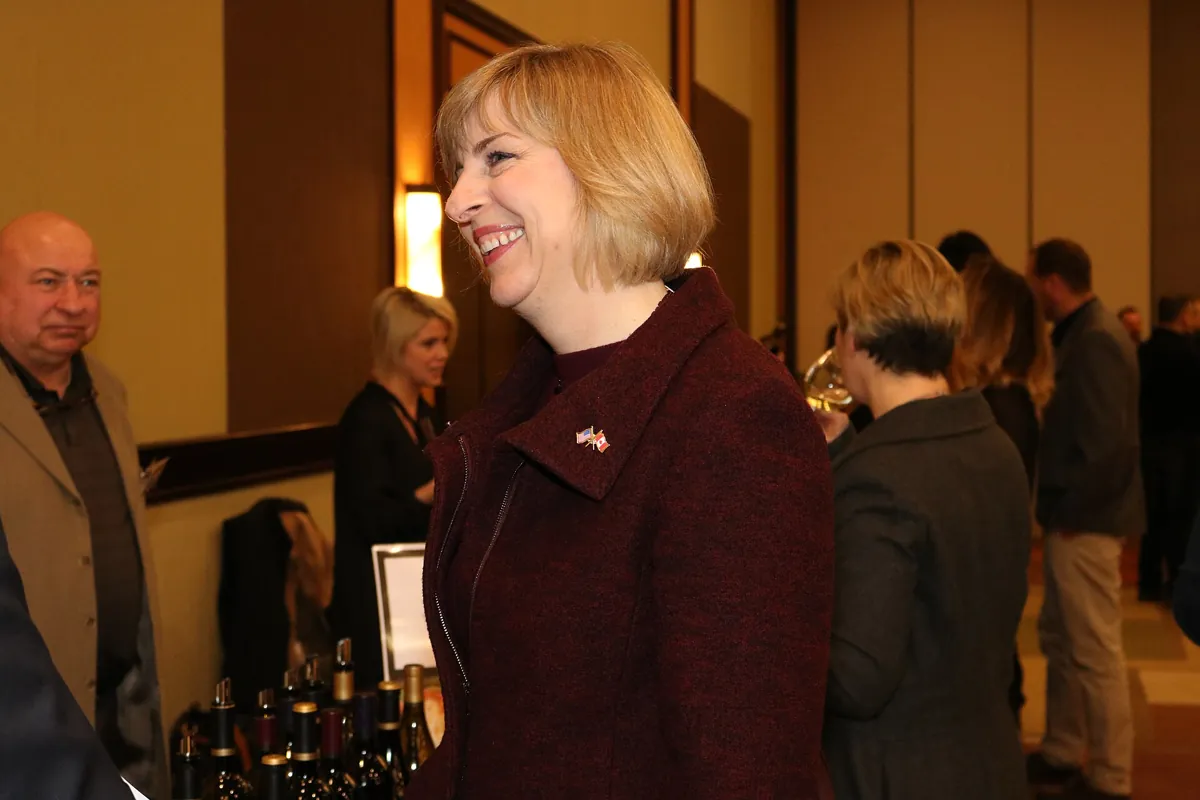
Two cautions belong beside it. The same guide’s annual listing prints a twenty-fourth of April date carrying its not-confirmed asterisk, so that Friday dating floats in the record as an unconfirmed alternative rather than a correction. Separately, the tourism body’s calendar layer lists the festival “at the Courthouse” on the twenty-sixth of April in a calendar year the text does not fix, so that listing is a further spring sighting of the event and cannot be tied to two thousand twenty-six at all. A careful visitor treats the twenty-fifth as the documented day and the other two dates as unresolved echoes.
Money planning has to work around a silence: no layer read states an admission price, a pancake price or any other figure, so a visitor should carry ordinary spending money for food and vendor stalls without assuming the day is either free or ticketed. The whole documented programme fits between ten and three, so the visit pairs naturally with a morning arrival and an early-afternoon finish.
Because the printed dates disagree at the edges, the most useful planning step is a fresh look at the current listings shortly before travelling. The tourism body’s calendar carries the event as a standing entry, and the festival guides refresh their weekend previews as each season approaches; between those two kinds of source, a visitor can confirm which April Saturday the newest printings support.
A Sample Day
Arrive at the square a little before ten, while the vendors are settling and the first pancakes are coming off the griddles, and let breakfast be the first event of the day. Late morning suits a slow circuit of the street vendors, with the live music as a backdrop rather than a timetable to chase. Take lunch from the food sellers on the square. By three, when the aggregator’s stated hours close, the day is done.
How the Record Compares
Set beside the other pancake event on Mount Sterling’s calendar, this festival is easy to tell apart. The annual Kiwanis Club Pancake Breakfast is a separate calendar event with its own name and its own place in the town’s year; nothing from its record is borrowed here, and the spring festival should not be confused with it. The breakfast is a meal; the festival is a named public celebration of a person, held outdoors on the courthouse square with music and vendors around the food.
The three April datings also repay comparison. The aggregator’s twenty-fifth and the guide’s weekend preview agree with each other, which gives that Saturday two independent printings. The guide’s own annual listing, by contrast, undercuts its preview with an asterisked twenty-fourth, and the tourism calendar’s twenty-sixth floats free of any fixed year. Read together, the layers describe one festival whose exact April day was not yet stable in print for two thousand twenty-six.
A Visitor Checklist
- Aim for Saturday the twenty-fifth of April, the best-documented dating
- Arrive before ten in the morning to catch the full five hours
- Head for Courthouse Square in downtown Mount Sterling
- Bring spending money for pancakes, food and vendor stalls
- Do not count on a published admission price; none exists in the layers
- Keep the Kiwanis Club Pancake Breakfast separate in your planning; it is a different event
- Treat the twenty-fourth and twenty-sixth of April datings as unconfirmed echoes
Beyond the Festival
The square that hosts the festival is the working centre of the county seat, so the day sits inside Mount Sterling’s ordinary downtown life rather than on a fenced fairground. The honouree’s story also reaches beyond the county line. Nancy Green’s portrayal of the Aunt Jemima character made her face known across the country, yet the food-history layer anchors her beginnings in this one Kentucky town, and the festival renews that anchoring each spring. A visitor who comes for pancakes leaves with a piece of food history that started on these streets.
Why It Matters
Most small festivals are named for a harvest, a season or a product. This one is named for a person, and not a distant one: the record presents Nancy Green as a daughter of the town itself. That gives the gathering a commemorative weight its modest documented size might not suggest. The milling company gave her a crown of sorts when it proclaimed her “The Pancake Queen”; the festival is her hometown repeating that proclamation in its own way, on its own square, with the food that made her famous served at the centre of the day.
Frequently Asked Questions
Who was Nancy Green, and why does her name lead the festival’s title?
A food-history layer records that Nancy Green, who lived from eighteen thirty-four to nineteen twenty-three, was from Mount Sterling, became the first person to portray the Aunt Jemima character, and was proclaimed “The Pancake Queen” by the milling company behind the character. The festival honours her directly, so her name and her title together form the event’s name in every printed form.
Which April date should a visitor trust for two thousand twenty-six?
Trust Saturday the twenty-fifth of April, which the event-aggregator layer gives with full particulars and which a festival-guide weekend preview repeats. The same guide’s annual listing shows a twenty-fourth of April marked as not confirmed, and the tourism calendar’s twenty-sixth of April belongs to a year the text does not fix, so neither rival dating carries the same weight.
What happens during the day besides the pancakes?
The aggregator layer’s programme sentence adds live music, street vendors and further food to the pancakes themselves, all on Courthouse Square between ten in the morning and three in the afternoon. No layer read names performers or lists individual stalls, so the honest answer is a lively square rather than a published schedule.
Does any source say who organises the festival?
No. No organiser name is printed in the layers read. The event appears in the tourism body’s calendar and in festival-guide listings, and the only contact trace in the record is the tourism office’s general calendar contact, noted here by existence only.
What to Expect From the Next Montgomery County Kentucky Nancy Green Pancake Queen Spring Festival
How often is Montgomery County Kentucky Nancy Green Pancake Queen Spring Festival held?
The printed evidence points to a spring gathering with an annual billing: the two thousand twenty-six edition is billed the fourth annual, and the tourism calendar carries a further spring listing of the event on the twenty-sixth of April in a year its text does not fix. That is as far as the layers go; they support a yearly spring rhythm without documenting every running of it.
When is the next Montgomery County Kentucky Nancy Green Pancake Queen Spring Festival?
The layers consulted run out at the two thousand twenty-six edition, the fourth annual billing on Saturday the twenty-fifth of April. Anyone planning further ahead would start from the pattern those layers establish — a late-April Saturday on Courthouse Square — while recognising that the record itself announces nothing beyond that spring.
Will the dates change?
They have already wobbled in print within a single season: for two thousand twenty-six the layers offer the twenty-fifth of April twice, an asterisked and unconfirmed twenty-fourth, and a yearless twenty-sixth from the tourism calendar. A date that unsettled in the sources cannot be guaranteed stable, so checking the newest listings before travelling is the prudent course.
Closing
The Nancy Green Pancake Queen Spring Festival rests on a moderate record: one richly described Saturday, a handful of listings, and a honouree whose story carries the whole event. Within those limits, the picture is coherent — a spring day on Courthouse Square in Mount Sterling, built from pancakes, music and vendors, held in honour of the hometown woman a milling company once crowned “The Pancake Queen”. Where the layers fall silent, on organisers, prices and founding years, this article has left the silence standing rather than fill it with invention.