West Feliciana Parish Louisiana West Feliciana Parish Fair Festival
West Feliciana Parish spreads across 426 square miles of rolling hills in Louisiana’s Florida Parishes, north of Baton Rouge and close to the Mississippi River. About 15,310 people live here, and St. Francisville serves as the parish seat. Once a year, much of that population converges in one place for the West Feliciana Parish Fair — an event that feels equal parts agricultural showcase, family reunion, and small-town carnival.
If you have never been, the fair can be hard to picture. It is not a stadium concert or a big-city street festival. It is the kind of gathering where the person selling you a plate lunch probably knows your cousin, where teenagers show livestock they raised from birth, and where the evening ends when the last ride shuts down rather than at a posted curfew.
This orientation is written for the first-timer: what the fair is, how it fits into a parish founded in 1824, what to eat, where to sleep, how to build a weekend around it, and what to see once you have had your fill of the midway.
West Feliciana Parish Fair Basics in One Table
| Town / area | The West Feliciana Parish area, Louisiana |
| County / parish | West Feliciana Parish |
| County seat | St. Francisville |
| Population | 15,310 |
| Region | Florida Parishes, north of Baton Rouge |
| Typical timing | Autumn, generally across a weekend |
| Admission | Typically free to enter |
| Setting | Rural fairgrounds in the hills above the Mississippi River |
| Features | Agricultural and youth exhibits, fair food, live entertainment, rides and games |
| Organizer | Local volunteers and parish community groups |
What the West Feliciana Parish Fair Is All About
In Louisiana, a parish fair does the job that a county fair does elsewhere. It is the annual moment when a rural parish puts its best foot forward: the prize tomatoes, the homemade preserves, the sewing projects, the show calves, the school art, the church bake sale. The West Feliciana Parish Fair follows that model closely, and it is aimed squarely at residents rather than at tourists.
That is precisely what makes it worth a first-timer’s time. Because the fair is built for a parish of roughly 15,310 people rather than for a metro audience, everything runs at a manageable scale. Lines are short. Parking is a field. You can walk the whole grounds in an afternoon and still have energy for a second pass after dark. Admission is typically free, with money changing hands for food, rides, games, and raffle tickets rather than at a gate.
Expect an emphasis on agriculture and youth. Parish fairs in this part of Louisiana exist largely to give young people a stage — livestock shows, craft entries, baking competitions, and the small civic rituals that come with them. If you arrive expecting that, you will enjoy the fair far more than if you arrive expecting a commercial music festival.
From 1824 to Now: How the Fair Took Root in West Feliciana
West Feliciana Parish was established in 1824, carved out of a landscape of bluffs, creeks, and river bottomland that had already made the area one of the wealthiest corners of antebellum Louisiana. St. Francisville, the parish seat, grew up around the river trade and the plantations that lined the ridges above it.
Parish fairs across Louisiana grew out of that agricultural world. In the nineteenth century, farmers needed somewhere to compare seed, livestock, and technique, and communities needed an annual occasion that pulled scattered families together. The fair tradition that took hold in West Feliciana belongs to that same impulse, and it has survived every change the parish has been through since.
The twentieth century reshaped the local economy. River commerce declined, plantations gave way to smaller farms, timber, and eventually commuters driving south to Baton Rouge. Through all of it, the fair kept its original purpose: a date on the calendar when the parish looks at itself.
Today the fair is less about prize cotton and more about prize goats, canned peaches, and student artwork — but the structure is unchanged. Entries are judged. Ribbons are handed out. Someone’s grandmother wins the preserves category again, and everyone pretends to be surprised.
Inside the West Feliciana Fairgrounds: Food, Music, and Family Fun
A first visit goes more smoothly if you know how the grounds are typically organized: exhibit buildings and judging areas on one side, food vendors and the midway on the other, with a stage or entertainment area somewhere in between.
Fair Food With a Louisiana Accent
This is where a Louisiana parish fair separates itself from fairs elsewhere. Yes, you will find corn dogs, funnel cakes, cotton candy, and nachos. But you should also look for the local staples: jambalaya, gumbo, boudin, fried catfish, red beans, and plate lunches sold by church groups and civic organizations as fundraisers. Those booths are usually the best value on the grounds and the most distinctly West Feliciana.
Bring cash. Small vendors and volunteer booths may not take cards, and an ATM on a rural fairground is not something to count on.
Music and Entertainment on the Grounds
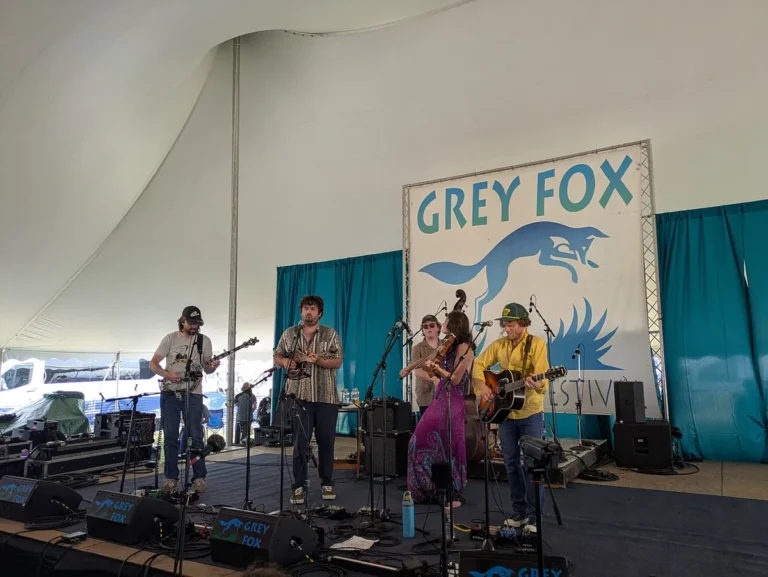
Entertainment at a parish fair tends to be local and unpretentious: country and gospel acts, zydeco or Cajun bands, school choirs and dance troupes, talent showcases, and a sound system that has seen a few seasons. Some years bring a pageant, a tractor pull, or a livestock auction that doubles as the weekend’s biggest social event.
Do not expect a headline national act. Do expect to hear real musicians from the surrounding parishes, and expect the crowd to know them.
Family Activities and Youth Competitions
This is the heart of the fair. Livestock shows, poultry and rabbit exhibits, 4-H and FFA-style projects, canned goods, baked items, quilts, photography, and school art all get judged and displayed. Kids can usually count on rides, games, face painting, and the kind of unsupervised running-around that small fairs still permit.
For young children, plan around the heat and the noise: mornings are calm and shaded, evenings are loud and bright. Both are fun, but they are different experiences.
Planning Your Trip to the West Feliciana Parish Area
Getting to St. Francisville and the Fairgrounds
Most visitors reach the parish by car. St. Francisville sits along the US 61 corridor roughly a half-hour drive north of Baton Rouge, which makes the area easy to reach from the state capital, from Baton Rouge Metropolitan Airport, and from points across the river in Pointe Coupee Parish. Once you are in the parish, follow local signage and volunteer directions to the fairgrounds rather than relying on a navigation app’s last hundred yards.
Where to Stay Near the Fair
St. Francisville has a modest stock of inns, bed-and-breakfasts, and guest cottages, much of it oriented toward visitors touring the area’s historic homes. Those rooms fill quickly in autumn, so book early if you want to stay in town. The reliable fallback is Baton Rouge, where hotel inventory is far larger and the drive is short enough to make a day trip realistic.
Parking Around the Fairgrounds
Expect field or lot parking with volunteers directing traffic, and expect it to be free or very cheap. Arrive early in the day for the easiest spot and the shortest walk. If rain has fallen in the days before, wear shoes you do not mind getting muddy — this is hill country with clay soil.
Admission, Costs, and Cash
Admission to the fair is typically free. Your spending will go to food, drinks, rides, games, raffle tickets, and auction purchases. Set a rough budget per person, carry small bills, and treat the church and civic food booths as the priority — that money usually stays in the community.
Weather and What to Wear
Autumn in south Louisiana means warm, humid afternoons and noticeably cooler evenings once the sun drops behind the hills. Dress in layers, bring sunscreen and insect repellent, and keep a light rain jacket in the car. Comfortable closed-toe shoes matter more than style.
A Sample Fair Weekend in West Feliciana Parish
Friday evening: Drive up from Baton Rouge in the late afternoon, check into a St. Francisville inn, and spend the first hour at the fair walking the exhibit buildings before the crowds arrive. Eat dinner from a booth — jambalaya or a plate lunch — then catch whatever live entertainment is on the schedule.
Saturday morning: Arrive early for the livestock shows and the judging of baked goods, canned items, and crafts. This is the most authentic hour of the whole weekend, and the least crowded. Grab coffee and something fried for breakfast.
Saturday afternoon: Break from the fairgrounds. Tour the St. Francisville historic district, drive the ridge roads, or simply rest somewhere with air conditioning during the hottest part of the day. Return in the evening for rides, music, and the midway lights.
Sunday: Come back for the quieter final hours, the last of the food, and any auction or closing events. Then head south toward Baton Rouge, or extend the trip with a stop at one of the parish’s historic sites.
How the Parish Fair Compares With Nearby Towns and Events
Compared with festivals in Baton Rouge, the West Feliciana Parish Fair is smaller, slower, and far less commercial. Baton Rouge offers big-name concerts, large vendor villages, and metro-level crowds; the parish fair offers none of that and is better for it.
Across the river, New Roads and Pointe Coupee Parish host their own community gatherings with a similar feel — Catholic church fairs, harvest celebrations, and small-town festivals that revolve around food and local organizations. Clinton and East Feliciana Parish, just to the east, run comparable parish events on a similar scale.
The closest comparison within West Feliciana itself is the area’s heritage tourism: the historic home tours and plantation sites around St. Francisville draw a visitor profile that overlaps heavily with fairgoers. Many people pair the two, spending one day on history and one day on the fairgrounds.
Your Pre-Fair Checklist for West Feliciana Parish
| Bring | Why it helps |
| Cash in small bills | Volunteer food booths and games may not take cards |
| Comfortable closed-toe shoes | Grass, gravel, and clay soil after rain |
| Sunscreen and insect repellent | Warm afternoons and open fairgrounds |
| A light jacket | Evenings cool down quickly in the hills |
| Refillable water bottle | Hydration matters more than you think |
| Booking confirmation | Autumn lodging in St. Francisville fills up |
| An empty stomach | The food is the point |
Beyond the Fair: The Rest of West Feliciana Parish
The fair is a strong reason to visit, but it is not the only one. St. Francisville’s historic district is compact and walkable, with churches, old commercial buildings, and a bluff-top view toward the Mississippi River that explains why the town was founded where it was.
Outside town, the parish is rural and scenic. The Tunica Hills and the ridge roads offer hiking and driving routes that feel nothing like the flat delta most people picture when they think of Louisiana. Cat Island National Wildlife Refuge protects bottomland forest along the river, and several state historic sites preserve the area’s plantation-era architecture.
Local restaurants in and around St. Francisville lean on the same food traditions you will find at the fair — plate lunches, fried seafood, and Southern cooking — so a fair weekend can easily turn into a broader eating tour of the parish.
Why This Fair Still Matters in a Parish of 15,310
West Feliciana Parish has roughly 15,310 residents spread over 426 square miles. That is a lot of land and not very many people, and rural parishes like this one depend on shared occasions to stay connected. The fair is one of the few events that reliably pulls together families from St. Francisville, the small communities along the ridges, and the outlying farm roads.
It also functions as an economic and civic engine. Volunteer organizations raise money at food booths. Young people learn to present a project, handle an animal, and accept a judge’s decision. Local businesses get a busy weekend. None of that shows up in a tourism brochure, but it is the reason the fair has lasted.
Where the Fair Sits in West Feliciana Parish
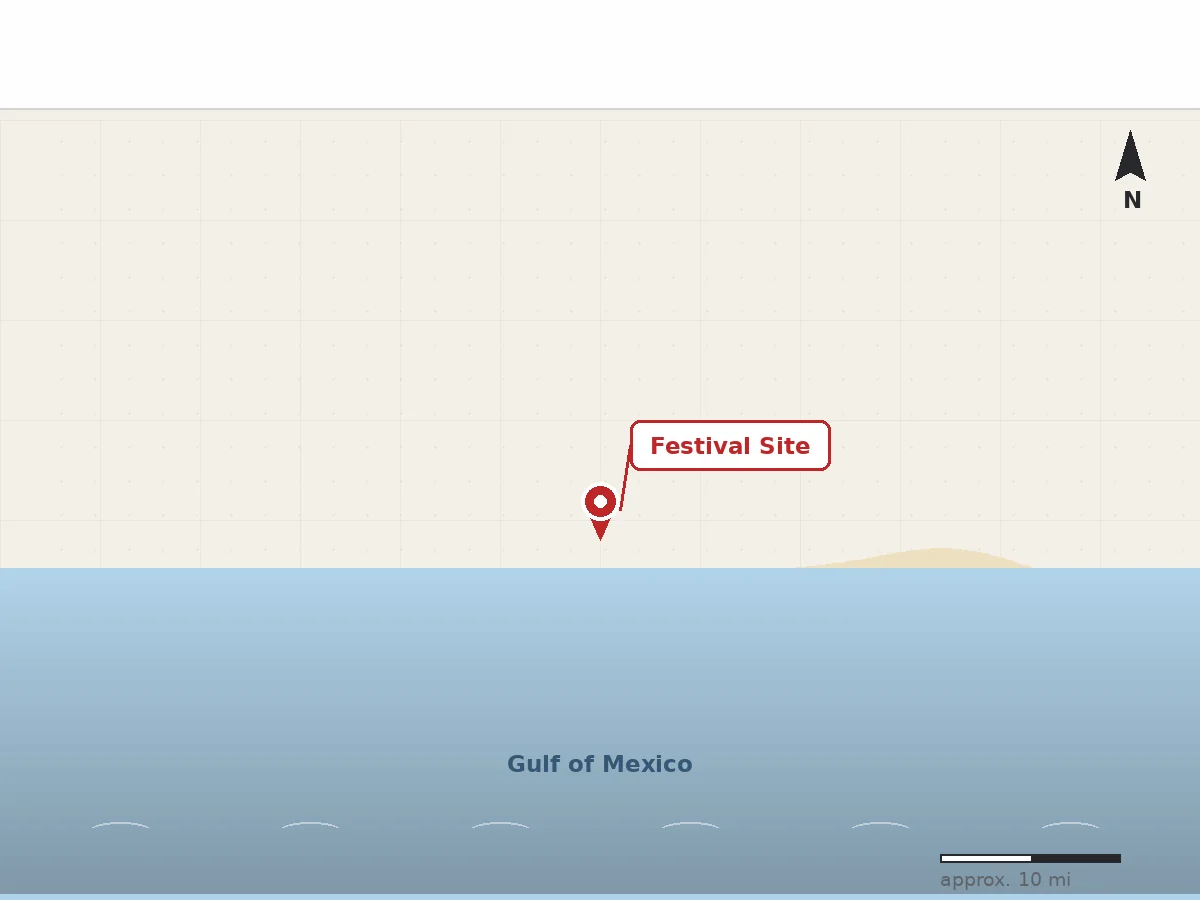
The fairgrounds are located within the West Feliciana Parish area, with St. Francisville — the parish seat — serving as the main reference point for visitors driving in from Baton Rouge or across the river.
Visitor Questions About the West Feliciana Parish Fair
Is the West Feliciana Parish Fair free to attend?
Admission is typically free, and that is part of the fair’s character — it is a community event, not a ticketed attraction. You will still spend money on food, drinks, rides, games, and raffle or auction items, so bring cash and plan a budget rather than assuming the day costs nothing.
When is the fair usually held?
The fair is an autumn tradition in West Feliciana Parish, generally running across a weekend. Because the exact schedule shifts from year to year, confirm the dates through local parish and community sources before you book lodging or plan a drive up from Baton Rouge.
Should I book a room in advance?
Yes. St. Francisville’s lodging inventory is small and heavily booked in the fall, when the weather is at its best and heritage tourism peaks. If the in-town inns are full, look at Baton Rouge — the drive is short enough that a day trip works comfortably.
Is the fair a good outing for young children?
It is one of the better family outings in the region. The grounds are compact, the pace is slow, and there are animals, rides, and games aimed squarely at kids. Go early in the day for cooler temperatures and smaller crowds, and keep an eye on little ones near the midway after dark.
What the Future Holds for the Parish Fair
Parish fairs everywhere face the same pressures: aging volunteers, rising insurance and equipment costs, and young families with less free time than previous generations had. West Feliciana’s fair is not immune, but it has two advantages — a small, tight-knit population that treats the fair as a tradition rather than an option, and a broader regional appetite for authentic rural events.
Expect the fair to keep evolving in small ways: more card-friendly vendors, more social media promotion, perhaps more emphasis on local food and heritage. What is unlikely to change is the core — the exhibits, the ribbons, the booths, and the annual reunion of a parish that is large in land and small in population.
Last updated: October 2026
For a first-time visitor, the West Feliciana Parish Fair is less a spectacle than an invitation. Come with cash in your pocket, an appetite, and no particular schedule, and you will leave understanding a corner of Louisiana that most travelers only glimpse through a car window on US 61.