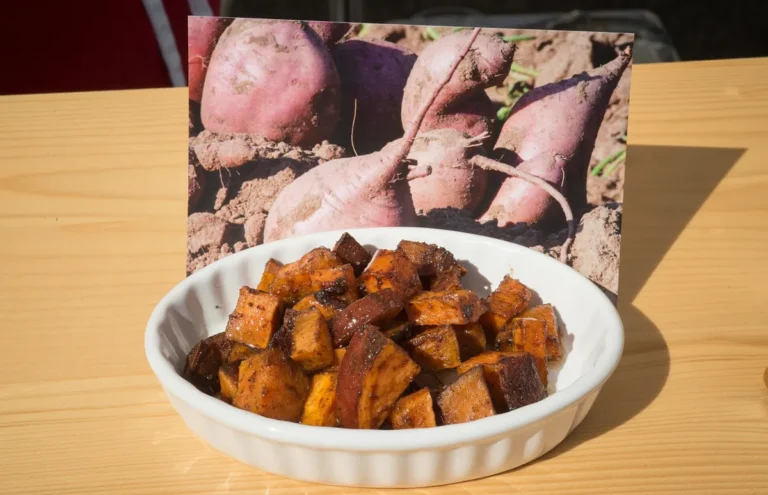
Republic County Kansas Harvest Festival
Every summer, in the middle of July, the small community of Cuba gathers for a celebration that print almost overlooks. In the sources that mention it at all, the event travels under shorter names than the county-first title at the top of this page: a festival guide and a highway-tourism schedule call it the Cuba Harvest Festival, while the town’s own site and a local photographer’s account shorten it further, to Harvest Festival. No layer read prints the longer county title, and this article keeps that distinction visible rather than tidying it away. The gathering belongs to Cuba in Republic County, Kansas, and it centres on the two anchors a small town naturally offers, Main Street and the Community Hall. Beyond that geography, the record thins quickly. A dedication ceremony in two thousand five, a single scheduling line in two thousand seven, an anniversary edition described by a photographer in two thousand eighteen, and one unconfirmed guide listing for two thousand twenty-six are nearly all that survives in print. What follows is built honestly on those few sightings, with the gaps named as gaps.

About the Festival
The naming question deserves a moment, because it explains the shape of the evidence. An event written up in a town’s own pages as the Harvest Festival, and in touring material as the Cuba Harvest Festival, lives at the scale of its community; county roundups later supply the formal title, but the festival itself never adopted one. Cuba sits in Republic County, and travellers should note that Cuba is not the county seat. Belleville, elsewhere in the county, holds that position, and county business, along with the county’s older carnival history, attaches to Belleville rather than to Cuba. Within Cuba, the celebration occupies Main Street and the Community Hall, the pairing the town’s own site and the photographer’s account both give. The Community Hall matters most in the best-documented year, when it held a display of large photographic panels assembled for the town’s anniversary. No organiser is credited anywhere in the record. That silence is itself information of a kind: the day appears to be carried by the community in the unglamorous way small-town traditions usually are, but because no layer names a committee, a club or a sponsor, this article leaves the credit unassigned instead of guessing at it.
Quick Facts
| Detail | What the layers show |
| Name in print | Cuba Harvest Festival; also simply Harvest Festival |
| Host community | Cuba, Kansas |
| County seat | Belleville, a separate community |
| Gathering places | Main Street and the Community Hall in Cuba |
| Season | The middle of July in every dated mention |
| Earliest dated mention | A dedication ceremony on the sixteenth of July, two thousand five |
| Fullest account | The anniversary edition of the twenty-first of July, two thousand eighteen |
| Admission | No layer states a price or promises free entry |
| Organiser | No layer names one |
| Later listing | The seventeenth of July in a two thousand twenty-six guide, marked unconfirmed |
History
A founding year is the first thing readers usually want, and it is the first thing this record refuses to give. The photographer’s account of the two thousand eighteen edition calls the Harvest Festival annual, which tells us the gathering repeats, but no layer read attaches a first year, a numbered edition or an origin story to it. The earliest dated sighting is modest. The town’s own site records that a dedication ceremony was held on the sixteenth of July, two thousand five, during the Harvest Festival, which places the celebration in mid-July of that year without explaining what was dedicated or how long the festival had already run. Two summers later, a highway-tourism schedule reduced the event to one line, announcing that the Harvest Festival would fall on the twenty-first of July, two thousand seven. The fullest glimpse arrives in two thousand eighteen, when the festival was built around Cuba’s one hundred fiftieth anniversary. A local photographer describes an annual Harvest Festival held on the twenty-first of July that year, with large photographic panels hung in the Community Hall to mark the town’s milestone. The anniversary belongs to Cuba, not to the festival, and it would be a mistake to convert the town’s age into a founding date for the celebration. After two thousand eighteen, the trail goes quiet again until a festival guide lists a Cuba Harvest Festival on the seventeenth of July in its two thousand twenty-six guide, a date the guide itself marks unconfirmed.
What to Expect
Honesty about scale is the kindest way to introduce this day. Only the two thousand eighteen edition carries anything resembling a programme, and even there the documented elements are two: anniversary exhibits, in the form of the large photographic panels displayed in the Community Hall, and a community celebration gathered around them. No layer read mentions a parade, a carnival midway, a concert bill, contests or a fireworks finale for any year, and none of those familiar festival fixtures should be promised here. What a visitor can reasonably anticipate, judging by the record, is the texture of a small town marking its own calendar: neighbours on Main Street, the hall open with something of local meaning on its walls, and a pace set by conversation rather than by a printed schedule. In the anniversary year, that meant standing in front of photographs that carried the town’s own past, an exhibit a community builds for itself as much as for guests. Other years may have been simpler still. Anyone travelling a long distance for spectacle will misread this event; anyone who enjoys the quiet sociology of a Kansas village at midsummer will understand it at once.
Planning Your Visit
Because the documentation is thin, preparation matters more here than at a heavily promoted festival. Timing comes first. Every dated mention in the record lands in the middle of July: the sixteenth in two thousand five, the twenty-first in two thousand seven and again in two thousand eighteen, and the seventeenth in the guide’s two thousand twenty-six listing. That spread supports planning around mid-July, but the exact day clearly moves from year to year, and the most recent listing is expressly flagged unconfirmed by the guide that carries it. Confirming the date through the town before setting out is therefore not a courtesy but a necessity. Admission is the second unknown. No layer read states a price, and none states that entry is free, so the only honest advice is to arrive prepared for either and to treat any figure quoted elsewhere with suspicion unless the town itself stands behind it. Practical arrangements follow from the setting. Cuba is a small community, and the festival’s documented footprint is Main Street and the Community Hall, so parking, shade and refreshments will be matters of local improvisation rather than organised infrastructure. Travellers who need guaranteed lodging, fuel or a full choice of meals should base themselves with the county seat, Belleville, in mind and treat Cuba as the destination of the day rather than its headquarters. One last practical point concerns information itself: a festival documented this lightly offers no programme leaflet to study beforehand and no office to telephone, and that absence is normal for an event of this size rather than a warning sign about whether it is happening.
For a useful comparison, see the Reno County Kansas Heritage Day Festival for another county festival.
A Sample Day Around the Festival
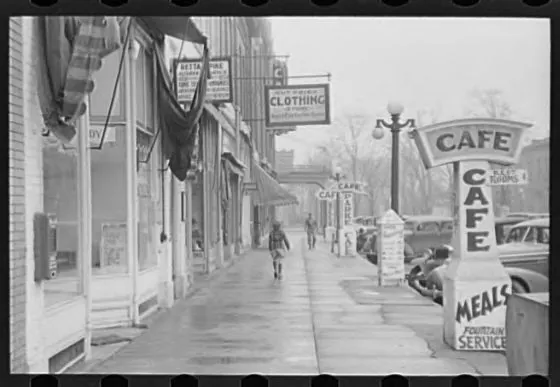
A workable shape for the day borrows from the one edition with particulars, the anniversary gathering of two thousand eighteen, while staying loose about hours, since no schedule survives. Arrive in Cuba during the morning and walk Main Street first, while the town is still setting itself out and the light is kind for photographs of the storefronts. Give the Community Hall the middle of the day, when the exhibits repay slow attention; in the anniversary year the large photographic panels were the heart of the occasion, and an hour among images of the town’s earlier decades explains more about Cuba than any brochure could. Leave the afternoon unplanned on purpose. A community celebration of this kind unfolds in conversations, introductions and second looks at the hall, and the visitor who leaves gaps in the day will fill them with the encounters that make the trip worthwhile. Anyone with time remaining can drive on to Belleville afterwards, where the county seat offers the fuller services of a larger town and a contrasting sense of Republic County’s scale.
How the Cuba Festival Differs From Its Namesakes
Three neighbours in the record need separating from this event. The first is a claim, found in an AI-generated town-guide layer, of a Republic Harvest Festival held in Courtland, another Republic County community. That claim offers no dated edition, no particulars and no corroboration, and it collapses entirely against the documented Cuba record; it is disowned here rather than repeated as fact. The second is genuinely historic. Belleville, the county seat, once held a Corn Carnival, also remembered as the Corn Jubilee, an event of the era running from eighteen seventy-nine to nineteen oh four, recorded by a state historical marker layer and a county history. That carnival ended more than a century ago and belongs to a different town and a different agricultural age; sharing a county with it does not make the Cuba festival its heir. The third neighbour is Cuba’s own Rock-A-Thon, a companion event in the same small town. Companionship is not identity, and nothing in the layers merges the Rock-A-Thon with the Harvest Festival or transfers dates between them.

Before You Go
- Confirm the date with the town before travelling, because the latest guide listing is expressly unconfirmed
- Plan around the middle of July, the only part of the calendar the dated record supports
- Carry some cash, since no layer states whether anything at the festival is charged or free
- Give the Community Hall exhibits unhurried time, the one element documented in real detail
- Arrange lodging and meals with Belleville in mind if Cuba’s small scale leaves you short
- Bring sun protection and water for a July day spent largely outdoors
- Keep expectations set to a village celebration rather than a produced festival
Beyond the Festival Day
A trip built around the Harvest Festival can stretch naturally across Republic County. Belleville, the seat, gives the county its administrative centre and its deepest documented festival past, in the Corn Carnival era that closed in nineteen oh four; standing in the seat after standing in Cuba shows how celebration in this county has moved from a nineteenth-century carnival town to a twenty-first-century village hall. Cuba itself offers the Rock-A-Thon as a separate companion occasion in the town’s calendar, worth a return trip in its own right rather than a substitute for the Harvest Festival. The surrounding countryside carries the county’s real continuity: a farming landscape in which a one-day July gathering is less an attraction than a punctuation mark in the working year. Visitors with an interest in how the region remembers itself can also look for the historical marker testimony that preserves the Corn Jubilee story, a reminder that today’s thin record for Cuba may simply reflect how recently the remembering started.
Why a Small Festival Matters
It would be easy to mistake the thinness of this record for insignificance, and that would be the wrong conclusion. A celebration that a town’s own site mentions in passing, that a tourism schedule compresses into a single line, and that a local photographer documents properly only when it coincides with a one hundred fiftieth anniversary is a celebration sustained by habit rather than by publicity. Such events are the load-bearing walls of small-town life. The Harvest Festival’s documented high point, a hall filled with large photographic panels in two thousand eighteen, shows a community using its festival to look at itself, hanging its own history where neighbours would gather anyway. That the festival persists in the record at intervals, in two thousand five, two thousand seven, two thousand eighteen and again in a two thousand twenty-six listing, suggests a rhythm that continues whether or not anyone outside Cuba is watching. Recording it accurately, with its gaps admitted, honours that rhythm better than inflating it would.
Frequently Asked Questions
What name does the Cuba celebration actually go by?
In print it is the Harvest Festival on the town’s own site and in the photographer’s account, and the Cuba Harvest Festival in a festival guide and a highway-tourism schedule. The county-first wording in this article’s title is a series label, and no source consulted uses it.
Which edition is described in the most detail?
The two thousand eighteen gathering, held on the twenty-first of July and built around Cuba’s one hundred fiftieth anniversary. A local photographer’s account records large photographic panels hung in the Community Hall and describes the event as an annual community celebration.
Who organises the Harvest Festival?
Nobody the record names. The town’s site, the tourism schedule, the photographer’s account and the guide listing all pass over the question, so the festival’s organisers remain unidentified in print and this article does not guess at them.
Has an admission price ever been published for the Cuba Harvest Festival?
There is no published answer to carry. No layer read states an admission price, and none promises free entry either, so visitors should arrive ready for either possibility and rely on the town’s own word closer to the day.
What to Expect From the Next Republic County Kansas Harvest Festival
How often is Republic County Kansas Harvest Festival held?
The photographer’s account describes the Harvest Festival as annual, and the dated sightings, though sparse, fit a repeating summer rhythm: two thousand five, two thousand seven, two thousand eighteen, and a listing for two thousand twenty-six. That spacing, irregular as it looks on paper, is the trail a yearly village observance leaves when nobody is publicising it.
When is the next Republic County Kansas Harvest Festival?
The only forward-looking date in the record is the seventeenth of July, carried in a festival guide’s two thousand twenty-six listing. That guide marks its own date unconfirmed, so the day should be treated as provisional until the town itself confirms it.
Will the dates change?
They already have, within limits. The documented days are the sixteenth of July, twice the twenty-first, and the listed seventeenth, so the festival holds its midsummer position while the exact date shifts from year to year. Expect the month to stay familiar and the day to need checking.
Closing Thoughts
The Cuba Harvest Festival asks little of its visitors: a July day, a willingness to confirm the date, and an appetite for a celebration measured in neighbours rather than in attractions. In return it offers something many larger festivals have lost, a gathering that exists because a town keeps deciding that it should.