Warren County Kentucky Bowling Green International Festival
On a late September Saturday in Bowling Green, one downtown park fills with the sound of three stages at once and the smell of cooking from many different kitchens. The Bowling Green International Festival turns Circus Square Park into a single-day gathering where the city’s many cultures set out their food, their music, their dance and their crafts side by side. Families drift from a folk dance performance to a food booth, children try a poster contest or a free activity, and visitors who have lived in Warren County all their lives meet neighbours they have never spoken to before. The festival has grown from two small predecessor gatherings in the nineteen eighties into an annual celebration. Its record is unusually complete for a community festival, with the organiser’s own history page, university newspaper layers, a ticket-listing layer and a travel-feature layer covering editions across more than a decade. What follows is built only from that documented record.

About the Festival
The Bowling Green International Festival is a one-day cultural festival held in downtown Bowling Green, the county seat of Warren County. Its published name in the organiser’s own site, in university newspaper layers and in a ticket-listing layer is exactly the name on the sheet, and the organiser’s own site also prints the short form “BG International Fest”. The festival takes place in Circus Square Park, its home since two thousand eight after earlier years in Fountain Square Park. Three stages carry the performance programme, while food booths, cultural displays and an international bazaar fill the park around them. The organiser is Bowling Green International Festival, Inc., named as organiser in a ticket-listing layer, and the organiser’s own history page states that the corporation was established in nineteen ninety-four to ensure the festival’s continuation. The festival celebrates the many cultures represented in Bowling Green: Mexican folk dance, Arab dance, Zimbabwean mbira music, Bosnian folk music, Filipino cultural dance, a Chinese music club and Aztec dance all appeared in the twenty twenty-six edition, according to a travel-feature layer. A travel-feature layer also notes state tourism recognition of the festival among Kentucky’s top ten events in past years.
Quick Facts
| Detail | What the Record Shows |
| Festival name | Bowling Green International Festival, also printed as BG International Fest |
| Host town | Bowling Green, the county seat of Warren County |
| Venue | Circus Square Park, downtown Bowling Green |
| Organiser | Bowling Green International Festival, Inc. |
| First International Festival | Nineteen eighty-nine, in Fountain Square Park |
| Move to current park | Two thousand eight, to Circus Square Park |
| Latest documented edition | September twenty-sixth, twenty twenty-six, billed the thirty-sixth annual |
| Daily hours | Nine in the morning to six in the evening |
| Stages | Three, named the Diversity Stage, Heritage Stage and World Stage/Performance Area |
| Admission in twenty twenty-six | Ten dollars at the gate, five dollars in advance online, children twelve and under free, two dollars with an EBT card |
History
The festival’s history, as printed on the organiser’s own history page, begins not with one event but with two. In nineteen eighty-six, the Bowling Green Human Rights Commission and the Bowling Green/Warren County NAACP sponsored an Ethnic Folk Festival. Three years later, in nineteen eighty-nine, the Chamber of Commerce sponsored a Japanfest. That same year, the Human Rights Commission and the Chamber joined forces to produce Bowling Green’s first International Festival, held in Fountain Square Park. The joining of the two efforts explains the festival’s shape ever since: a civic celebration that belongs to no single community, built by organisations that had each been running their own cultural gathering. In nineteen ninety-four, Bowling Green International Festival, Inc. was established, and a former board member served as its first executive director. In two thousand eight, the festival moved to the newly created Circus Square Park, where it has remained. The move is recorded on the organiser’s own history page as a change of home, not a change of character: the same three-stage shape, the same mix of food, display and bazaar, carried into a larger downtown park. The billings run from the twenty-ninth annual in twenty eighteen to the thirty-sixth annual in twenty twenty-six, recorded as printed and never converted into a founding year.
What to Expect
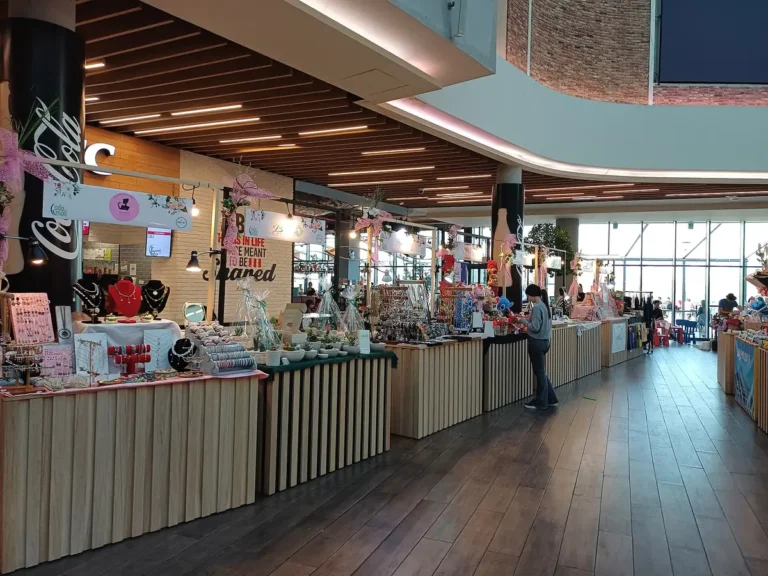
A visit to the festival is a visit to three stages and a park full of stalls. The organiser’s pages name the stages the Diversity Stage, the Heritage Stage and the World Stage/Performance Area, and each carries music, dance and demonstrations through the day. In twenty twenty-six, a travel-feature layer listed Mexican folk dance, Arab dance, Zimbabwean mbira music, Bosnian folk music, Filipino cultural dance, a Chinese music club and Aztec dance among the performers. The range is the point: the stages are not booked around one tradition, and a visitor who stays for a few hours will hear instruments, languages and rhythms that belong to different continents. Between performances, the food booths offer authentic international foods, and the cultural displays give each community a place to show its crafts, its clothing and its history. The international bazaar is the festival’s market, where visitors can buy goods from the cultures on display. Free activities and a poster contest give the day a family shape beyond watching performances. The twenty eighteen edition, billed the twenty-ninth annual, ran from nine in the morning to six in the evening in Circus Square Park, according to the organiser’s own media release, and the twenty twenty-six edition kept the same hours and the same shape, according to a university newspaper layer, a student magazine photo layer and a ticket-listing layer.
Planning Your Visit
Circus Square Park sits in downtown Bowling Green, and the festival fills it for a single Saturday in late September. The documented pattern is consistent: the twenty eighteen edition fell on September twenty-ninth, the twenty twenty-four edition on September twenty-eighth, the twenty twenty-five edition on September twenty-seventh, and the twenty twenty-six edition on September twenty-sixth. Arrive early to catch the first performances and walk the bazaar before the crowds thicken, and plan to stay through the afternoon, since the three stages run in parallel. Admission is priced by the year, so check the current year’s figures before you go. In twenty twenty-six, a university newspaper layer reported ten dollars at the gate and five dollars in advance online, with children twelve and under free and two dollars admission with an EBT card, and a travel-feature layer gave the same figures. In twenty fifteen, the organiser’s own site gave four dollars admission, children under twelve free, and restaurant discount card holders two dollars. The earlier price is not a guide to the current one. The festival is an outdoor, daytime event, so dress for a September day in Kentucky. The organiser’s own site prints a telephone number for vendor, performer and volunteer information, though no number is reproduced here.
For a useful comparison, see the Union County Kentucky Downtown Morganfield Street Fest Festival for another county festival.
A Sample Day at the Festival
A good day at the festival starts at the gates when they open at nine in the morning, with a first walk around Circus Square Park to get your bearings. Begin at the international bazaar, where the vendors have time to talk, then move to the food booths and pick a first taste from a kitchen you have never tried before. By mid-morning, settle in front of one of the three stages — the Diversity Stage, the Heritage Stage or the World Stage/Performance Area — and watch a full set of music or dance. The stages run in parallel, so a second set on another stage is only a short walk away. Around midday, return to the food booths for a fuller meal and spend time at the cultural displays, where the exhibits explain the traditions behind the performances you have just watched. In the early afternoon, look in on the free activities and the poster contest, which are aimed at younger visitors but repay a look from anyone. Finish the afternoon with a last round of the stages, choosing the performance that most caught your ear earlier in the day. The day works best unhurried: the festival is built for wandering between stages, stalls and displays rather than for rushing from one fixed point to the next.
How the Festival Compares
Bowling Green hosts more than one downtown gathering, and the International Festival is easy to tell apart from its neighbours once its shape is clear. The Bowling Green Bourbon and Brewfest and other Bowling Green ballpark events are separate events and are not imported into this festival’s record; they belong to a different setting, a ballpark rather than a downtown park, and a different theme. The International Festival’s distinction is its breadth: where many festivals celebrate one food, one crop or one tradition, this one is built around many cultures at once, with three stages carrying different traditions in parallel. Its history also sets it apart. Few Kentucky festivals can trace their origin to two predecessor gatherings sponsored by different civic bodies that then joined forces, and the nineteen eighty-nine joining of the Human Rights Commission and the Chamber of Commerce gives the festival a civic founding story rather than a single founder’s tale. The festival has also been ticketed in the years documented, with prices that changed between twenty fifteen and twenty twenty-six. Visitors who have been to other Warren County gatherings will find the park setting familiar and the programme unusually wide.

Checklist for Your Visit
- Check the current year’s admission price before you travel, since the figures changed between twenty fifteen and twenty twenty-six
- Arrive when the gates open at nine in the morning to catch the first performances and the bazaar at its quietest
- Plan for a full day outdoors in a park, with September weather in mind
- Visit all three stages, since each carries a different part of the programme
- Try food from a kitchen you have never tasted before
- Spend time at the cultural displays as well as the performances
- Look in on the free activities and the poster contest, especially with children
- Leave time to wander the international bazaar without rushing
- Remember that the festival is a single Saturday in late September, so the date matters more than the season
Beyond the Festival
Bowling Green is the county seat of Warren County, and its downtown holds both of the festival’s homes: Fountain Square Park, where the first International Festival was held in nineteen eighty-nine, and Circus Square Park, its home since two thousand eight. A visitor who walks between the two parks walks the festival’s own history. The city is also the home of the Bowling Green/Warren County NAACP and the Human Rights Commission, the bodies that sponsored the nineteen eighty-six Ethnic Folk Festival, and of the Chamber of Commerce that sponsored the nineteen eighty-nine Japanfest. The festival’s own history page is the best guide to that longer story, and the university newspaper layers and the ticket-listing layer fill in the recent editions with dates, hours and prices.
Why the Festival Matters
The Bowling Green International Festival matters because it has lasted, and because it has lasted by staying broad. A festival that began when two different civic bodies joined their separate cultural gatherings has kept that joining at its centre for more than three decades, through a change of park in two thousand eight and through annual billings that now reach the thirty-sixth. Its significance is not in any single performance or any single dish, but in the gathering itself: a downtown park where the city’s many cultures are present at once, where a visitor can hear Zimbabwean mbira music and Bosnian folk music in the same afternoon, and where children can try a free activity or enter a poster contest while their parents browse a bazaar. The city has changed since nineteen eighty-nine, and the festival’s programme has changed with it, adding new communities and new traditions while keeping its three-stage shape and its late September slot.
Frequently Asked Questions
What makes the Bowling Green International Festival different from other downtown gatherings?
Its breadth. The festival brings many cultures together in one park on one day, with three stages carrying different traditions in parallel, rather than celebrating a single food, crop or theme. It also grew from two predecessor gatherings sponsored by different civic bodies that joined forces in nineteen eighty-nine.
When did the festival move to Circus Square Park?
The move happened in two thousand eight, when the festival left Fountain Square Park, its first home, for the newly created Circus Square Park, where every documented edition since then has been held.
How much did admission cost at the most recent documented edition?
In twenty twenty-six, a university newspaper layer reported ten dollars at the gate and five dollars in advance online, with children twelve and under free and two dollars admission with an EBT card. Prices changed between twenty fifteen and twenty twenty-six, so the current year’s figures should be checked before travelling.
Which performers appeared in the twenty twenty-six edition?
A travel-feature layer listed Mexican folk dance, Arab dance, Zimbabwean mbira music, Bosnian folk music, Filipino cultural dance, a Chinese music club and Aztec dance among the twenty twenty-six performers, carried across the three stages through the day.
What to Expect From the Next Warren County Kentucky Bowling Green International Festival
How often is Warren County Kentucky Bowling Green International Festival held?
The festival returns each autumn, with a documented edition in late September in every year covered by the record, from the twenty-ninth annual in twenty eighteen through the thirty-sixth annual in twenty twenty-six.
When is the next Warren County Kentucky Bowling Green International Festival?
The layers read announce no date for a next edition beyond the twenty twenty-six edition on September twenty-sixth, twenty twenty-six. The pattern points to a Saturday in late September, but no later date is fixed in the layers read.
Will the dates change?
The festival has held a Saturday in the last part of September in every documented edition, from September twenty-ninth in twenty eighteen to September twenty-sixth in twenty twenty-six. A visitor should confirm the current year’s Saturday before travelling rather than assuming the previous year’s date.
The Bowling Green International Festival endures because it does one thing well: it gathers the many cultures of a Kentucky city in a single downtown park for a single September day, and it has done so, year after year, since two organisations that had each been running their own cultural gathering decided to build one together. The three stages, the food booths, the cultural displays and the international bazaar are the visible parts, but the lasting part is the gathering itself — neighbours meeting neighbours across languages and traditions, in a park that has held the festival since two thousand eight, in a city that has hosted it since nineteen eighty-nine.