Walker County Georgia Fall Festival

Autumn arrives early on the ridges of northwest Georgia, and with it comes the Walker County Fall Festival — a homegrown celebration that turns the LaFayette area into one long county front porch. There is no velvet rope here: just craft booths, church bake tables, kids darting between hay bales, and a stage that gives a high school chorus the same respect as a seasoned country band.
For a county of 67,654 people spread across 447 square miles, that matters. Walker County has been organized around its small towns since 1833, and its fall festival reflects that: neighbors greeting neighbors, farmers and teachers and retirees sharing the same picnic tables, and a schedule built for families who plan their Saturday around a parade, a plate of barbecue, and a good seat by late afternoon.
This guide covers what the festival is, how it grew out of the county’s harvest traditions, what to eat and hear, how to plan a weekend around it, and where to go once the booths close for the evening.
Walker County Fall Festival: The Essentials
| Town / area | Walker County area, centered on LaFayette |
| County | Walker County, Georgia |
| County seat | LaFayette |
| Population | 67,654 (2020 census) |
| Region | Northwest Georgia |
| Typical timing | Autumn, usually a weekend in October |
| Admission | Free to attend in most years |
| Setting | Open-air, walkable small-town streets and green space |
| Signature features | Local food vendors, live music, craft and farm stands, kids’ activities |
| Organizer | Community volunteers and local civic groups |
A County-Wide Front Porch in Northwest Georgia
The Walker County Fall Festival is best understood as a county reunion with a schedule. LaFayette, the county seat, anchors it, but the crowd is drawn from the whole 447-square-mile county — from small crossroads communities, from farm families who have worked the same land for generations, and from residents who moved closer to town years ago and still come back for this weekend.
Expect a low-key, walkable layout rather than a gated fairground. Booths tend to line a main route, with food clustered near the music and a separate zone for children’s games and crafts. Vendors lean local: bake sales, canned goods, hand-thrown pottery, woodwork, quilts, and whatever is coming out of the garden that week.
Admission is typically free, and that shapes the mood. Families can wander in, listen for a while, buy what they want, and leave without feeling they have to get their money’s worth out of a ticket. Bring cash for the smaller stands, since not every vendor is set up to take a card.
Timing follows the season rather than a fixed holiday. In most years the festival lands on a weekend in October, when the first cool mornings arrive and the hardwoods start turning along the county’s ridges.

From an 1833 County Seat to a Modern Harvest Weekend
Walker County was founded in 1833, and LaFayette has served as its county seat through nearly two centuries of change. The county’s identity was built on small farms, close-knit towns, and the kind of seasonal rhythm that made autumn the natural moment for gathering.
Fall celebrations in rural Georgia almost always start small — a church harvest supper, a school carnival, a livestock show, a pie contest at a community club. Over time, those separate traditions across Walker County’s communities began to converge into a single weekend event that could serve the whole county instead of just one town.
What remains is the shape of the old traditions: food made by people you know, competitions judged by neighbors, music performed by local groups, and children’s games that cost little more than a ticket or two. The festival’s history is less about any one founding moment than about a habit of showing up that never quite stopped.
The county’s growth — from a rural nineteenth-century settlement to a population of 67,654 at the 2020 census — changed the size of the crowd without changing its character. Many attendees are the grandchildren of people who once sold preserves at the same kind of table.
What a Walker County Autumn Weekend Feels Like
The festival runs on a simple rhythm: eat, listen, wander, repeat. Most visitors spend three to five hours on the grounds without noticing the time pass, and many come back the next day for whatever they missed.
Food: Barbecue, Bake Sales, and Fairground Classics
Food is the center of gravity. Expect the regional staples — smoked pork and chicken, Brunswick stew, hamburgers and hot dogs, funnel cakes, kettle corn, boiled peanuts, and homemade pies and cakes from church and civic groups. Local honey, jams, and produce often show up at the same stands. Lines move fastest in the early afternoon, and the most popular items tend to sell out before dusk.
Music and Entertainment: Local Stages, Local Talent
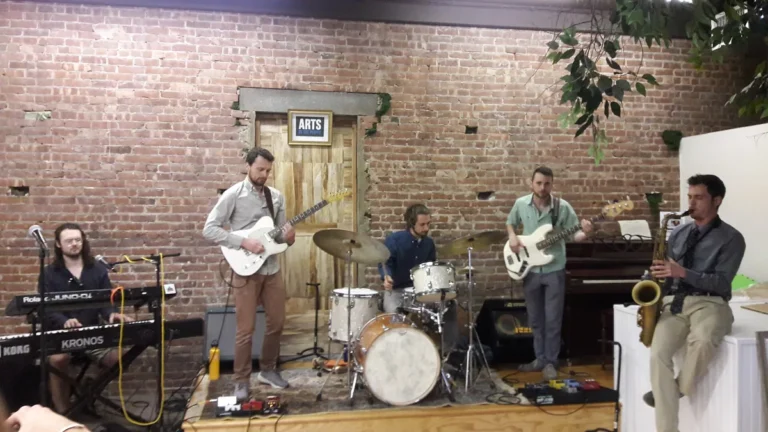
Entertainment is deliberately local. A main stage typically hosts country, bluegrass, and gospel acts, with school choruses, dance studios, and community theater groups filling the earlier slots. Between sets, expect announcements, raffle drawings, and the occasional pie-eating contest. Smaller acoustic setups sometimes appear near the vendor rows, which makes it easy to hear live music while you eat.
Family Activities: Games, Crafts, and Room to Run
The festival is built for children. Typical offerings include inflatables, sack races, pumpkin decorating, face painting, a petting area, and craft tables where kids can make something small to take home. Older children gravitate toward the games and whatever seasonal maze has been set up that year. Because the layout is compact, parents can usually keep an eye on several activities at once.
Planning Your Trip to LaFayette and Walker County
A little forethought turns a good Saturday into a relaxed one. Here is what to sort out before you leave the house.
Getting There: Routes into the Walker County Area
Most visitors arrive by car, since the county’s towns are spread across 447 square miles and public transit is limited. Visitors coming from Chattanooga, Dalton, or elsewhere in northwest Georgia generally drive in on the region’s main highways, which converge on LaFayette. Allow extra time on festival morning, when the last few miles slow down considerably.
Where to Stay: Lodging in and Around the County
Lodging inside Walker County is limited and skews toward small motels, cabins, and vacation rentals, so book early for a fall weekend. Many visitors base themselves in a nearby larger town and drive in for the day. Campers and RV travelers often find the surrounding region more accommodating than the immediate festival area.
Parking and Traffic: What to Expect
Plan on street parking and designated lots around the festival area, with volunteers directing traffic at the busiest corners. Arriving before mid-morning gives you the easiest spot and the shortest walk. If you park several blocks out, you will still be within a comfortable stroll of the food.
Admission and Costs: Budgeting for the Day
Admission is typically free. Your spending will come from food, vendor purchases, raffle tickets, and children’s activities, which are usually priced individually. Bring cash in small bills, set a rough budget per child for games, and you can enjoy the day comfortably without surprises.
Weather: Dressing for a Northwest Georgia October
October in this part of Georgia swings hard — warm, sunny afternoons followed by cool mornings and evenings. Layers are the answer, along with comfortable walking shoes, sunscreen, and a light rain jacket in case a front moves through. A folding chair is a welcome addition if you plan to camp out in front of the stage.
A Sample Fall Weekend Around LaFayette
Friday evening: Arrive in the Walker County area, check in, and take a slow walk through the downtown blocks around the courthouse in LaFayette. Eat a quiet dinner in town and turn in early — Saturday starts sooner than you think.
Saturday morning: Get to the festival grounds before mid-morning, park easily, and start with the craft and farm stands while the crowd is thin. Grab coffee and a baked good from a civic group’s table.
Saturday afternoon: Eat lunch from the barbecue or stew line, then settle in near the stage for the afternoon music. Let the kids work through the games and craft tables while you listen.
Sunday: Return for anything you missed, or spend the morning driving the county’s back roads and small communities before heading home.
How Walker County’s Fall Weekend Compares Nearby
Walker County sits in a region thick with autumn activity, and the differences are worth knowing. Dalton and the surrounding Whitfield County area run larger, more commercial events with bigger vendor rosters and heavier traffic. The Ringgold and Catoosa County side, closer to Chattanooga, draws a steady stream of visitors from Tennessee and can feel crowded on a Saturday afternoon. Chattanooga itself offers city-scale fall programming with more polish and more people.
What sets Walker County apart is scale and temperament. Admission is typically free, the layout is compact enough to walk in an afternoon, and the vendors, performers, and volunteers are overwhelmingly local. If you want a produced event, the bigger cities deliver. If you want a county that feels like itself, this is the one.
Your Walker County Fall Festival Checklist
Pack cash in small bills, a folding chair or blanket, layers for a cool morning and a warm afternoon, comfortable shoes, sunscreen, a refillable water bottle, and a tote bag for whatever you buy. Charge your phone, but expect spotty signal in a crowded field.
Before you go, confirm the weekend’s schedule through local sources, check the forecast, book lodging well ahead, and decide on a meeting point in case your group splits up. Keep pets at home unless you have confirmed the festival’s policy, and leave room in the car for pumpkins, preserves, or a piece of pottery you did not plan to buy.
Beyond the Festival: Walker County’s Back Roads
The festival is a good excuse to see the rest of the county. LaFayette’s courthouse square and surrounding streets reward a slow walk, with small shops and local restaurants that fill up quickly on festival weekend. Outside town, the county’s 447 square miles open into farmland, wooded ridges, and communities where a country store still functions as the local news source.
Drive without a strict destination. Stop at farm stands, pull over for a view of the turning leaves, and eat at a diner where nobody asks whether you are from around here — because by Sunday, you almost are.
Why an Autumn Weekend Still Matters in Walker County
In a county of 67,654 people spread across dozens of communities, shared moments are harder to come by than they sound. The fall festival is one of the few events that pulls the whole county into the same place at the same time. Civic groups raise money, school musicians get a real stage, small vendors find customers, and neighbors who only see each other in passing get a few unhurried hours together.
That is the quiet significance of a festival like this one. It is not a tourist attraction so much as a piece of local infrastructure — a yearly reminder of who lives here and what they have in common.
Where the Festival Sits in Walker County
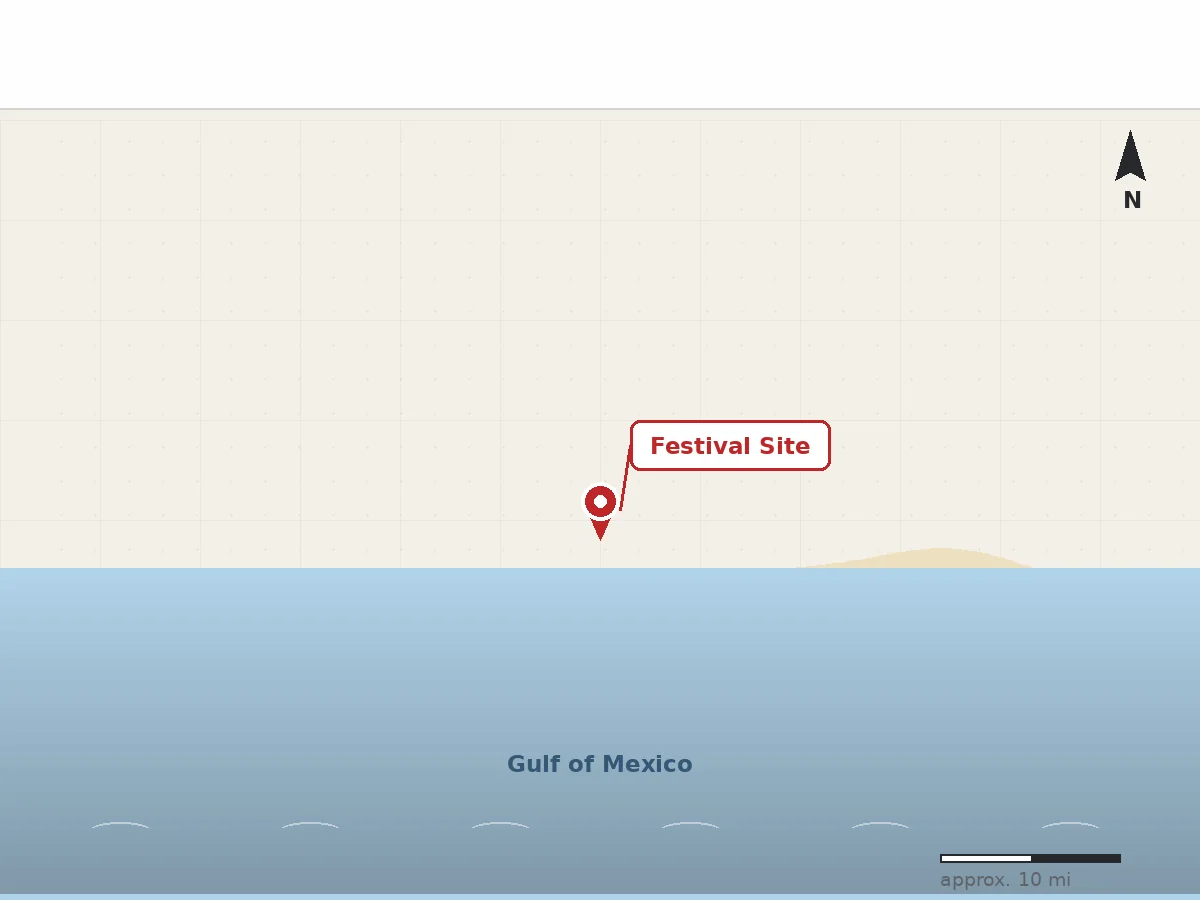
The Walker County Fall Festival takes place in the LaFayette area, in the heart of Walker County in northwest Georgia, with the county seat serving as the main anchor for visitors coming into the county.
Walker County Fall Festival: Reader Questions
Is the Walker County Fall Festival free to attend?
In most years, yes — admission is typically free. You will still spend money on food, crafts, raffle tickets, and children’s activities, which are generally priced individually. Bring cash, since smaller vendors may not accept cards.
When is the festival usually held?
It is an autumn event, and in most years it falls on a weekend in October. Because the timing follows the season rather than a fixed holiday, confirm the specific weekend through local sources before you make travel plans.
Is it a good festival for young children?
Very much so. Games, inflatables, crafts, face painting, and seasonal activities are standard, and the compact layout means parents can watch several things at once. Bring a stroller if you have a toddler, and expect a lot of walking on grass and pavement.
Where should out-of-town visitors stay?
Options inside Walker County are limited, so book early or look at nearby larger towns within a reasonable drive of LaFayette. Vacation rentals and cabins in the surrounding countryside are popular in fall and fill quickly on festival weekends.
Looking Ahead to Future Autumns in Walker County
The festival’s future looks much like its past: local, volunteer-driven, and tied to the county’s own rhythms. As Walker County’s population shifts and new families move in from nearby metros, the event has a chance to widen its audience without losing the character that makes it worth attending. Growth brings pressure — parking, traffic, vendor space — and the communities that host it will have to balance those demands against the informality that defines the weekend. For now, the formula holds. Come in October, bring cash, and plan to stay longer than you meant to.
Last updated: October 2026
If you have ever spent a fall Saturday in Walker County, you already know the appeal: the smell of smoke drifting over the vendor rows, a kid carrying a pumpkin twice her size, and a county that briefly forgets how far apart its towns really are. Mark the season, not the date, and make the drive — LaFayette and the surrounding communities will handle the rest.