Union Parish Louisiana Mayhaw Festival
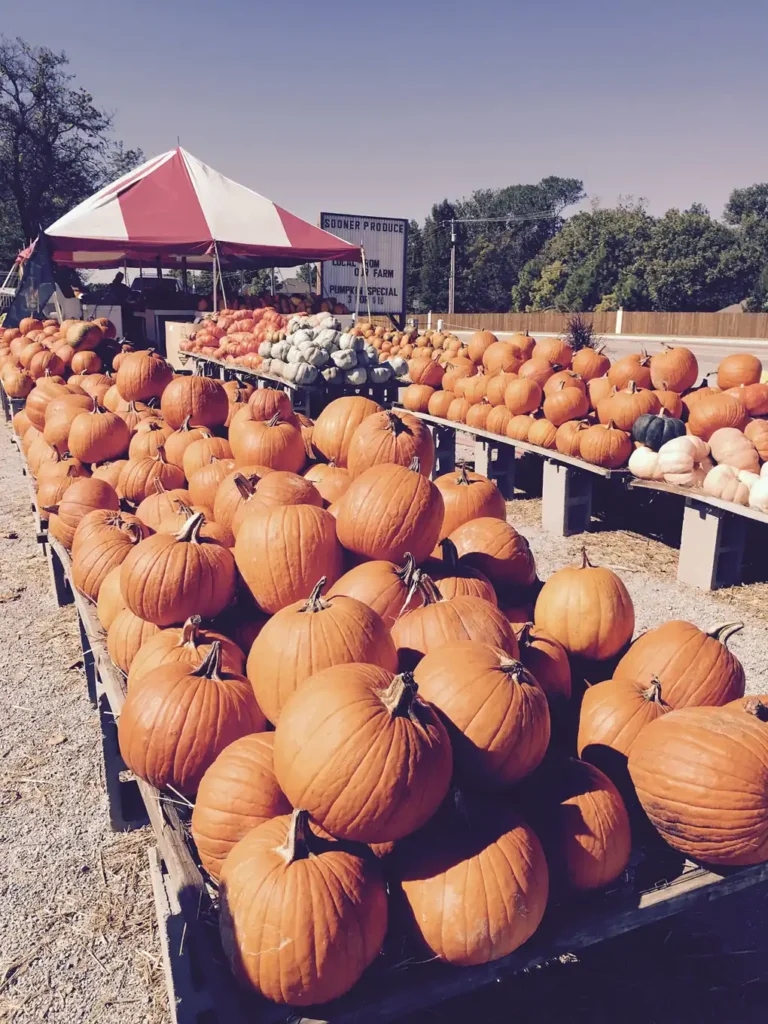
Marion keeps a small fruit at the centre of its spring calendar, and the Mayhaw Festival is the weekend built around it. The published name is simply Mayhaw Festival, and that short form is the name visitors will meet on listings and in local writing. The sheet title for this article is never printed as the event’s name, so the short published form carries the body of the piece while the full sheet title stands at the top and in the outlook below. What the record supports is a modest, community-run gathering in a small Union Parish town, sponsored by the local fire department, where food booths, games, contests, a parade and live entertainment fill two days in May. The mayhaw itself gives the weekend its subject: a wild fruit gathered near streams and swamplands, turned into jams, jellies, wines and cakes, and celebrated for what it says about the parish landscape.
About the Festival
The Mayhaw Festival belongs to Marion, a town in Union Parish in northern Louisiana, and it is sponsored by the Marion Fire Department. That sponsorship shapes the character of the weekend: a volunteer public-service body putting on a community celebration rather than a commercial promoter staging a ticketed attraction. No specific venue is printed in any layer read, so the gathering is best understood as a town event centred on Marion itself rather than a single named site. The festival’s subject is the mayhaw tree, which grows near streams and swamplands in Union Parish and bears small fruit reminiscent of crab apples. That fruit is the thread through the weekend’s food: jams, jellies, wines and cakes made from the wild harvest. The programme recorded in the layers is the familiar shape of a small-town Louisiana festival — food booths, games, contests, a kick-off parade and live entertainment — with one distinctive addition in the 2013 edition, a Mayhaw Poker Run. Two dated editions anchor the record: a twenty-seventh annual gathering held on the ninth and tenth of May, billed in a regional magazine layer as falling on Mother’s Day weekend, and a thirty-second annual gathering held on the tenth and eleventh of May in 2013. The year of the twenty-seventh annual edition is not fixed in the layer read, so it is recorded here without a year attached. Annual billings are carried as printed and never turned into a founding year. The record is moderate in strength: two dated editions with particulars, but no venue and no admission position. A Mayhaw Festival in Daisetta, Texas, is a different event in another state and has nothing to do with Marion’s gathering.
Quick Facts
| Item | Detail |
| Published name | Mayhaw Festival |
| Sheet title | Union Parish Louisiana Mayhaw Festival |
| Host town | Marion, Louisiana |
| Parish seat | Farmerville |
| Sponsor | Marion Fire Department |
| Dated editions | Twenty-seventh annual, 9–10 May; thirty-second annual, 10–11 May 2013 |
| Signature food | Mayhaw jams, jellies, wines and cakes |
| Programme | Food booths, games, contests, kick-off parade, live entertainment, Mayhaw Poker Run in 2013 |
| Admission | No position in the layers read |
| Venue | No specific venue printed in the layers read |
History
The history of the Mayhaw Festival is the history of a fruit before it is the history of an event. The mayhaw tree grows near streams and swamplands in Union Parish, and its small fruit, reminiscent of crab apples, has long been gathered wild and preserved as jams and jellies, baked into cakes, and fermented into wines. A festival built on that harvest is therefore a celebration of a landscape as much as a date on a calendar: the wet low ground of the parish, the spring ripening, and the kitchen work that turns a tart wild berry into something worth sharing. What the record does give is a run of annual billings that shows the event had already become a fixture by the time the layers pick it up. A regional magazine layer bills a twenty-seventh annual gathering on the ninth and tenth of May, falling on Mother’s Day weekend, and a local blog layer bills a thirty-second annual gathering on the tenth and eleventh of May in 2013. The five-edition gap between those two billings fits a yearly rhythm, and the layers describe the gathering as an annual event, but the founding year itself is never stated and the billings are not converted into one. The Marion Fire Department’s sponsorship is the one organisational constant in the record, and it fits the shape of the festival: a community body with deep local roots putting on a weekend for its own town. Marion’s festival stands on its own record: a spring weekend, a wild fruit, a fire department sponsor, and a town that turns out for it.
What to Expect
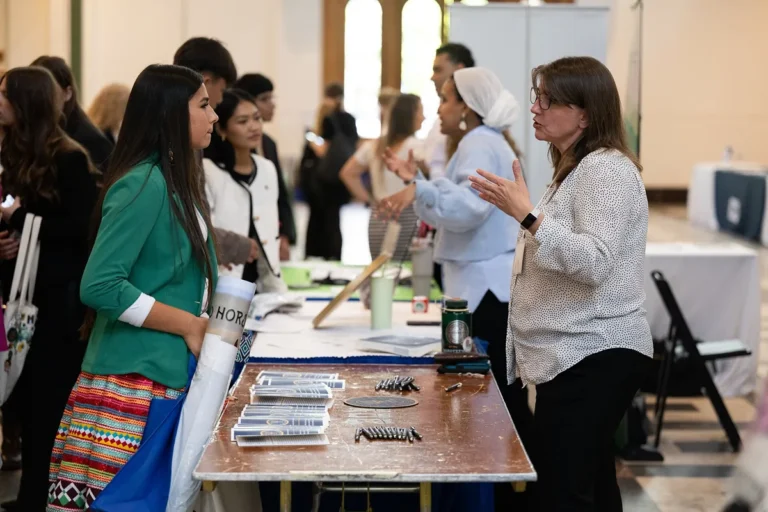
A visit to the Mayhaw Festival means a small-town weekend organised around food and fellowship. The food booths are the heart of it: barbecue, fried fish, crawfish, chicken on a stick and funnel cake, with mayhaw jams, jellies, wines and cakes carrying the festival’s theme. Games and contests run alongside the eating, and a kick-off parade opens the proceedings, with live entertainment carrying the afternoons and evenings. The 2013 edition’s Mayhaw Poker Run shows the kind of extra the weekend can hold: a riding event tied to the festival name, giving visitors with motorcycles a reason to arrive as a group. The Mother’s Day weekend billing of the twenty-seventh annual edition is a useful clue to the calendar: a May weekend, close to Mother’s Day, when the mayhaw season and the spring weather meet.
Planning Your Visit
Marion is the destination, and Farmerville is the parish seat, so keep the two towns straight when booking a room or asking for directions. Farmerville holds the parish offices and more of the parish’s services, while Marion holds the festival. A visitor who needs a wider choice of lodging, fuel or supplies will likely find it in Farmerville or in larger towns further afield, and should plan the short drive into Marion for the festival itself. Because no specific venue is printed in the layers read, the practical approach is to arrive in Marion and follow the signs, the parked cars and the sound of live music toward the centre of the gathering. The kick-off parade opens the proceedings, so arriving in Marion before it begins puts a visitor at the centre of the weekend from the start. The dated editions fall in May — the ninth and tenth for the twenty-seventh annual gathering, and the tenth and eleventh of May in 2013 for the thirty-second — and the regional magazine layer places the earlier of those two on Mother’s Day weekend. A May visit should therefore be checked against the current year’s listing before travel, since the exact weekend shifts with the calendar and the layers read do not fix a later edition’s dates.
For a useful comparison, see the Union Parish Louisiana Watermelon Festival for another county festival.
A Sample Itinerary
Arrive in Marion on the Saturday morning of the festival weekend and head for the centre of town, where the food booths and the kick-off parade set the tone. Start with a walk past the stalls to see what the mayhaw vendors are offering — jams and jellies first, since they travel well — and then take a plate of barbecue or fried fish for a late-morning meal. Spend the middle of the day on the contests and games, sampling crawfish and chicken on a stick between rounds, and keep an eye out for the mayhaw cakes and wines. The afternoon belongs to the live entertainment, and a visitor who stays through it will hear the music that the town has chosen for its own weekend. Before leaving, buy a jar of mayhaw jelly and a cake to take home, and ask the vendors about the fruit itself — where it grows, how it is gathered, and what makes a good year.
How It Compares
The Mayhaw Festival sits at the modest end of Louisiana’s festival calendar, and the comparison helps to set expectations. Larger parish festivals in the state run for several days across a named fairground with headline acts and published ticket prices; Marion’s gathering does none of that in the layers read. It has no printed venue, no admission position, and no headline lineup, and its strength is the opposite of scale: a single fruit, a single town, and a sponsor that is part of the community it serves. The mayhaw is the distinguishing mark here: a wild fruit that has to be gathered rather than farmed, which gives the festival a forager’s character that a strawberry or watermelon festival does not share. The Daisetta, Texas, Mayhaw Festival is the one event that might confuse a search, but it belongs to another state and another community, and it is not the Marion gathering.

Checklist
- Confirm the current year’s May weekend before travelling, since the layers read fix no later edition’s dates.
- Remember that Marion hosts the festival and Farmerville is the parish seat.
- Arrive in Marion and follow the signs and the sound of music, since no single venue is printed.
- Bring cash for food booths and vendors.
- Wear comfortable shoes for walking a small town.
- Seek out the mayhaw jams, jellies, wines and cakes first — they are the festival’s signature.
- Find a kerbside spot for the kick-off parade and stay for the whole route.
- Ask vendors about the mayhaw fruit, where it grows, and what makes a good year.
- Check the current listing for any admission charge, since the layers read take no position on it.
- Allow time for the contests and games between meals.
Beyond the Festival
Marion rewards a visitor who looks past the festival weekend itself. The mayhaw tree is the reason for the gathering, and its habitat — the streams and swamplands of Union Parish — is visible in the landscape around the town. A drive through the parish in May shows the low, wet ground where the fruit grows wild, and a visitor who has tasted the jams and jellies will look at that ground differently afterwards. Farmerville, the parish seat, is the natural second stop: its courthouse square hosts the parish’s own Watermelon Festival, and the town holds more of the parish’s services, shops and places to stay. The wider parish holds the same pattern in miniature: small towns, local crops, and community sponsors, each with a weekend of its own. The Mayhaw Festival is Marion’s contribution to that pattern, and it is best understood as one chapter of a parish-wide habit of gathering around what the land provides.
Why It Matters
The Mayhaw Festival matters because it keeps a wild harvest in public view. The mayhaw is not a farmed crop with a marketing board behind it; it is a fruit gathered from trees that grow near streams and swamplands, and a festival is one of the few occasions when that gathering becomes a shared, public act. The jams, jellies, wines and cakes on the stalls are the visible end of a chain that starts in wet woodland and ends at a kitchen table, and the festival is the place where that chain is shown and celebrated. In that sense the weekend is an act of local knowledge: it says that the parish’s landscape is worth knowing, worth tasting, and worth gathering for. It matters too as an example of how a small town sustains itself. The Marion Fire Department’s sponsorship, the food booths run by local cooks and community groups, the parade and the contests — all of these are the town doing its own celebration with its own resources, without a promoter or a headline act. A visitor who comes for the mayhaw and stays for the parade will have understood the point: the fruit is the occasion, and the community is the cause.
Frequently Asked Questions
What makes the mayhaw worth a festival of its own?
The mayhaw is a wild fruit that grows near streams and swamplands in Union Parish, bearing small fruit reminiscent of crab apples. The festival celebrates that harvest and the kitchen work it supports — jams, jellies, wines and cakes made from the gathered fruit — which gives the weekend a subject no other parish gathering shares.
Which town hosts the gathering, and where is the parish seat?
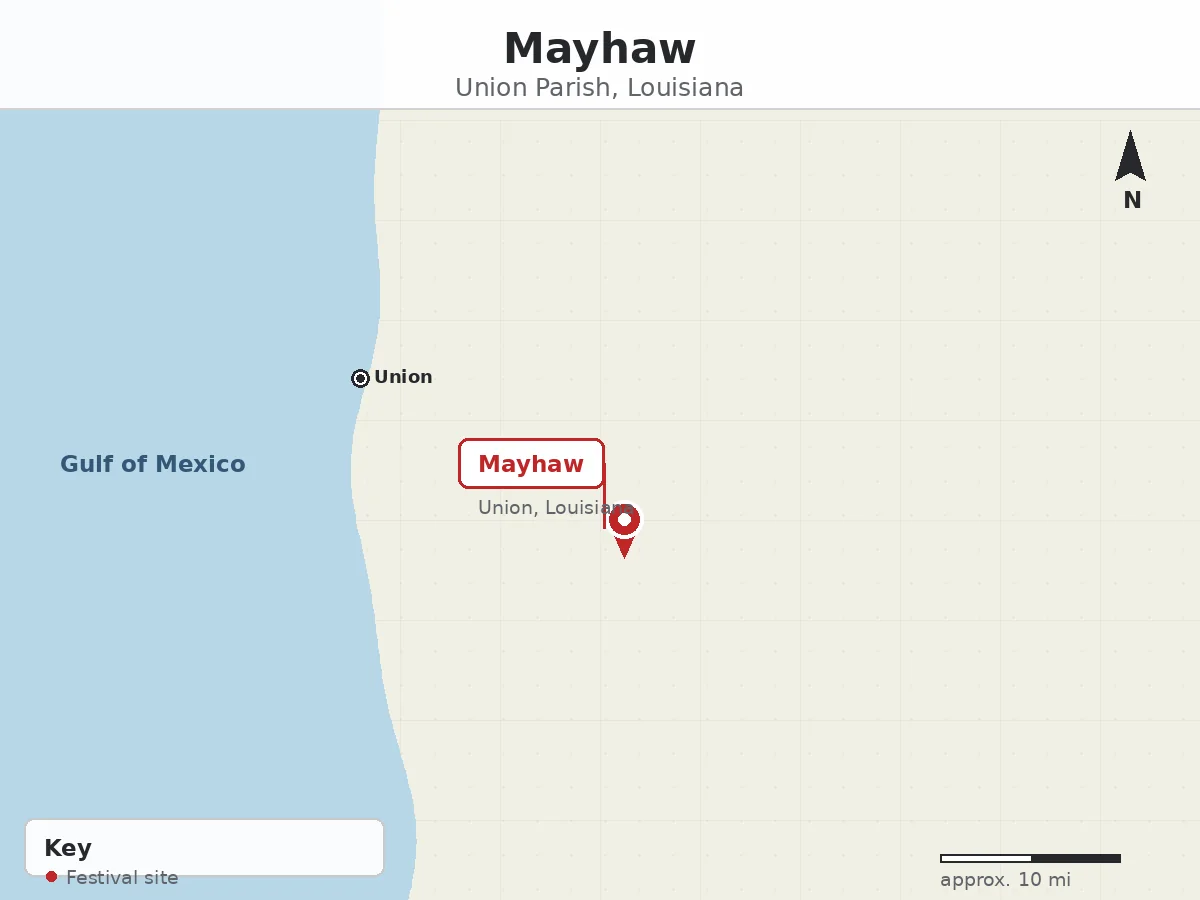
Marion hosts the Mayhaw Festival, and the parish seat is Farmerville. The two towns are distinct, so visitors should plan lodging and services with that split in mind and drive into Marion for the festival itself.
What food should a first-time visitor try?
Start with the mayhaw products — jams, jellies, wines and cakes — since they carry the festival’s theme, then work through the booths: barbecue, fried fish, crawfish, chicken on a stick and funnel cake. The mayhaw jelly is the souvenir that travels best.
How is admission handled at the festival?
The layers read carry no gate price and no statement that entry is free, so this article takes no position on admission. Visitors should confirm any charges with a current listing before travelling.
What to Expect From the Next Union Parish Louisiana Mayhaw Festival
How often is Union Parish Louisiana Mayhaw Festival held?
The layers describe the gathering as an annual event, with billings running from a twenty-seventh annual edition to a thirty-second annual edition in 2013, and the festival is presented as a yearly May weekend in Marion.
When is the next Union Parish Louisiana Mayhaw Festival?
The layers read fix no later edition’s dates. The dated editions fall in May — the ninth and tenth for the twenty-seventh annual gathering, and the tenth and eleventh of May in 2013 for the thirty-second — and the earlier of those was billed as falling on Mother’s Day weekend, so a May weekend close to Mother’s Day is the pattern to watch for in a current listing.
Will the dates change?
The exact weekend shifts with the calendar, as the two dated editions show: the ninth and tenth of May for one edition and the tenth and eleventh for another. Visitors should check the current year’s listing rather than assuming the same dates will repeat.
The Mayhaw Festival is a small, honest celebration of a wild fruit and the town that gathers around it. Marion, its fire department sponsor, its food booths and its parade all point the same way: toward a community that knows its landscape and takes a spring weekend to share it. A visitor who arrives in May, tastes the mayhaw jelly, watches the parade and talks with the vendors will leave with a clear sense of Union Parish — its wet low ground, its kitchen traditions, and the neighbourly scale on which its festivals are built.