Twin Falls County Idaho Magic Valley Beer Festival
Twin Falls County was organized on February 21, 1907, with the town of Twin Falls named as its seat, and in the century since it has turned a high, dry corner of south central Idaho into one of the state’s most productive farming valleys. The 2020 census counted 90,046 residents spread across 1,928 square miles of canyon rim, irrigated fields and small towns that share the same weather, the same water, and — increasingly — the same taste in beer.
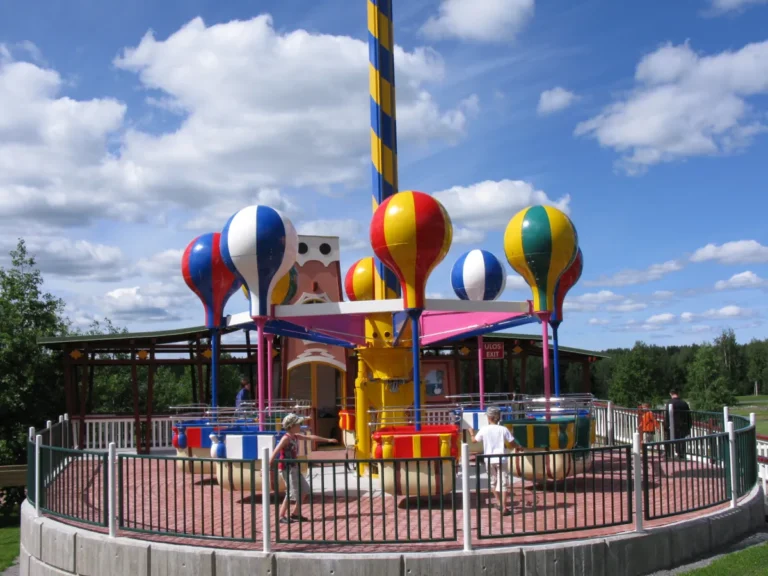
The Magic Valley Beer Festival carries the region’s own name for a reason. This is not a big-city pour staged inside a convention hall; it is a county-scale gathering that pulls together brewers, food vendors and musicians from Twin Falls and the communities around it, using a weekend of good drinking as an excuse to show off the valley itself.
What follows is the long view: how the festival grew out of the county’s farming and brewing history, what actually happens on the grounds, how to plan a trip around it, and why a beer festival carries real weight in a place where 90,046 people are spread thin across 1,928 square miles.
Magic Valley Beer Festival Key Details
| Festival | Magic Valley Beer Festival |
| Town / area | Twin Falls County area, Idaho |
| County | Twin Falls County |
| County seat | Twin Falls |
| Population | 90,046 (2020 census) |
| Region | South central Idaho |
| Typical timing | A weekend in late summer |
| Setting | Outdoor grounds in the Twin Falls County area |
| Admission | Tasting-pass format; details confirmed closer to the season |
| Organizer | Organized locally within the Twin Falls County community |
From Farm Fields to Fermenters: Beer History in Twin Falls County
The county’s beer story begins in its fields. When Twin Falls County was carved out of the south central Idaho plain in 1907, the land around the new county seat was sagebrush and lava rock. Irrigation changed that, and the valley that followed — grain, sugar beets, potatoes, alfalfa, dairy — became the kind of agricultural landscape that breweries depend on. A region that grows what a brewery needs tends to grow breweries eventually.
For most of the twentieth century, drinking in the Magic Valley meant taverns, social clubs and whatever the big national labels shipped in. Local brewing stayed small and seasonal, tied to farm rhythms rather than fashion. Twin Falls was a supply town for a wide, quiet county, and its bars reflected that: practical places built for people who had been working outside since dawn.
The craft era arrived late here compared with Idaho’s larger cities, but it arrived with force. Taprooms opened in and around Twin Falls, home brewers went commercial, and the agricultural valley discovered that it had a genuine local product to be proud of — beer made from crops grown within sight of the brewhouse.
The Magic Valley Beer Festival grew out of that same current. Rather than a single brewery throwing a party, it took shape as a regional showcase: one weekend when the county’s brewers, cooks and musicians share a set of grounds and the surrounding towns drive in for it. It is a young tradition by county standards, but it sits on a century-old foundation of farming, water and small-town sociability.
The Character of the Magic Valley Beer Festival
In character, this is an outdoor county festival rather than an urban tasting event. The grounds are open-air, the dress code is jeans and a sun hat, and the rhythm of the day is unhurried. Visitors buy into a tasting format, collect a glass, and work their way along a line of pouring stations staffed by the people who made the beer.
Because the festival draws from a county of 90,046 people rather than a metropolitan area of millions, it feels familiar fast. You will hear about the hop bill from someone who grows the crop, and you will likely end up in conversation with a stranger from Buhl, Kimberly or Jerome before your second pour. The scale is the point: big enough to be worth the drive, small enough that you can see the whole thing in an afternoon and still find a seat.
A Day on the Grounds in Twin Falls County
Most years the gates open around midday and the event runs into the evening, with the crowd thinning as the light goes golden over the canyon country. Expect a compact layout: a main row of brewery stations, a food court, a stage at one end, and open lawn where people spread blankets between pours. Everything is walkable, and the whole grounds can be circled in a few minutes.
Food From the Magic Valley
The food side of the festival leans on what the valley does best. Expect grill smoke, potato dishes in more forms than you can count, burgers and smoked meats, tacos and fry bread, and at least one stand selling something sweet. Vendors are typically local or regional, which means the menu reads like a tour of Twin Falls County agriculture rather than a generic event-catering list.
Eat early and eat often. Late summer afternoons in south central Idaho are hot, and a tasting pass goes down considerably better with a plate of something substantial underneath it.
Music and Stage Entertainment in Twin Falls County
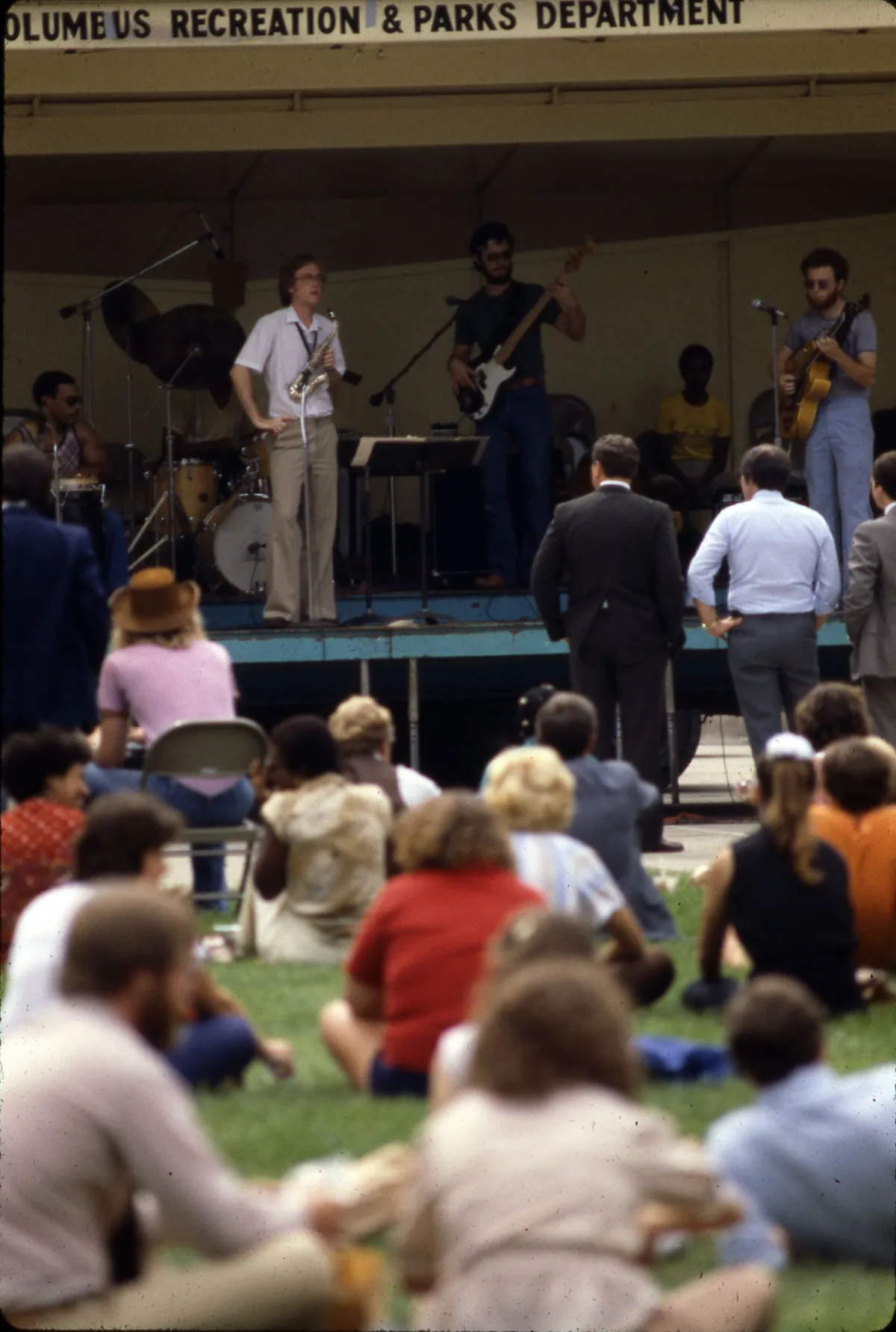
Live music anchors the afternoon. The bill usually mixes local and regional acts — acoustic sets and country-rock in the early hours, fuller bands as the evening comes on — with a headliner closing out the night. Between sets, the soundtrack is conversation and the clatter of sample glasses, which is exactly the sound a county festival should make.
Family-Friendly Corners of the Twin Falls County Grounds
Although the beer is the headline, the festival is built to be a community afternoon rather than an adults-only affair. Lawn games, open grass and non-alcoholic options give families room to settle in, and designated drivers are treated as honored guests rather than afterthoughts. If you are visiting with children, aim for the earlier hours when the grounds are quieter and the shade is easier to claim.
Planning Your Trip to Twin Falls County
Twin Falls County is large and mostly rural, so a little planning goes a long way. The county seat of Twin Falls is the natural base for visitors, and the festival grounds sit within the wider Twin Falls County area. Build your day around the heat, the drive and a safe ride home, and the rest takes care of itself.
Getting to Twin Falls County
Almost everyone arrives by car. Twin Falls is the county’s hub and its road junction, with highways running in from the west, north and east across the Snake River plain. From Idaho’s larger cities the drive is a few hours of open country; from the surrounding Magic Valley towns it is a short hop. Fill the tank before you leave town — distances between services in this part of south central Idaho can surprise visitors.
Where to Stay in Twin Falls County
Twin Falls has the county’s deepest bench of lodging, from national chain hotels to independent motels and a handful of guesthouses. Campgrounds and RV parks around the valley suit anyone traveling with a trailer. Festival weekends are the busiest of the local calendar, so reserve a room as soon as the season’s dates are announced rather than gambling on walk-up availability.
Parking, Rideshares and Safe Rides Home in Twin Falls County
Event parking is typically handled with designated lots and a short walk to the gate. Rideshare coverage in a rural county is thinner than in a city, so do not assume a car will appear on demand at closing time. The reliable approach is a designated driver, a prearranged pickup, or a hotel within a short drive of the grounds.
Admission and Tasting Passes at the Magic Valley Festival
The festival runs on a tasting-pass model: one purchase covers entry and a set of sample pours, with the glass included. Food, merchandise and any additional pours are separate. Exact prices and pass tiers are set each year and announced by the organizers, so check the current details before you travel rather than budgeting from an old figure.
Weather in South Central Idaho
Late summer in Twin Falls County means hot, bright days and noticeably cool evenings, often with wind sweeping across the plain. Pack sunscreen, a hat and sunglasses, then add a light layer for after sunset. Closed-toe shoes are the right call on grass and gravel, and a refillable water bottle is the single most useful thing you can carry.
A Sample Festival Weekend in the Magic Valley
Friday evening. Arrive in Twin Falls, check in, and spend the evening downtown. Walk the historic main streets, eat somewhere local, and get an early night — Saturday is the long day.
Saturday morning. Coffee, a proper breakfast, and a drive to take in the canyon country before the heat builds. If you are travelling with family, this is the hour for the scenic stops.
Saturday afternoon. Arrive at the grounds as the gates open. Claim shade, collect your glass, and start with the lighter pours while the lines are short. Eat something substantial by mid-afternoon.
Saturday evening. Stay for the headline set, then leave before the final rush. Hand the keys to your designated driver and get food on the way back.
Sunday. A slow morning, a long brunch, and a last look at the valley before the drive home. Many visitors pair the return trip with a stop at one of the small towns along the way.
How It Stacks Up Against Other Idaho Towns
Set against Boise, the Magic Valley Beer Festival is smaller and considerably more relaxed. The capital’s brewery scene is denser and its festival calendar fuller, but it also comes with city traffic, city prices and a crowd that does not know your name.
Set against the Sun Valley and Ketchum end of the state, the difference is one of mood rather than size. A resort-town beer weekend is polished, tourism-driven and expensive; Twin Falls County’s version is agricultural, informal and priced for locals.
And compared with the smaller Magic Valley towns — Jerome, Buhl, Kimberly, Filer — this is the bigger occasion, the one that pulls the whole county together. It occupies a useful middle ground: worth travelling for, but still recognisably a county festival.
Beyond the Beer Tents: Twin Falls County Between Pours
The festival is a good excuse to see the rest of the county. The Snake River canyon cuts through the area, and the waterfalls that gave the county seat its name remain the region’s signature sight. Rim trails, overlooks and riverside paths give you a full morning of walking without leaving the Twin Falls area.
Downtown Twin Falls rewards an unhurried afternoon: independent shops, coffee roasters, breweries and restaurants in a compact, walkable grid. Out in the county, the farmland itself is the attraction — long straight roads, irrigated green against dry brown hills, and small towns where the cafe is still the social centre.
Add golf, cycling on the quiet county roads, and fishing or paddling on the Snake River, and a beer festival weekend can easily stretch into three days without a dull hour.
What the Festival Gives Back to Twin Falls County
In a county of 90,046 people spread across 1,928 square miles, shared occasions matter. Neighbours from different towns do not cross paths often, and a festival gives them a reason to. That is the quiet function of the event: it stitches together a county that is otherwise a long drive from end to end.
It also puts money into local pockets. Vendors, breweries, hotels, restaurants, fuel stations and musicians all benefit from a weekend of visitors, and the spending stays in the Magic Valley rather than draining toward a larger city. For small producers, the festival is a shop window and a proving ground at the same time.
Most of all, it gives Twin Falls County a piece of cultural identity that is genuinely its own — not borrowed from Boise or Sun Valley, but grown from the valley’s fields, water and people.
A Magic Valley Beer Festival Checklist
| Book lodging early | Festival weekends fill Twin Falls hotels quickly |
| Arrange a designated driver | Rideshares are limited in a rural county |
| Buy your tasting pass in advance | Entry tiers are set each season by the organizers |
| Bring sun protection | Late summer days are hot and bright |
| Pack a light layer | Evenings cool down fast on the plain |
| Wear closed-toe shoes | Grounds are grass and gravel |
| Carry water and cash | Not every vendor takes a card |
| Plan the drive home | Distances between services are long |
Where the Festival Sits in Twin Falls County
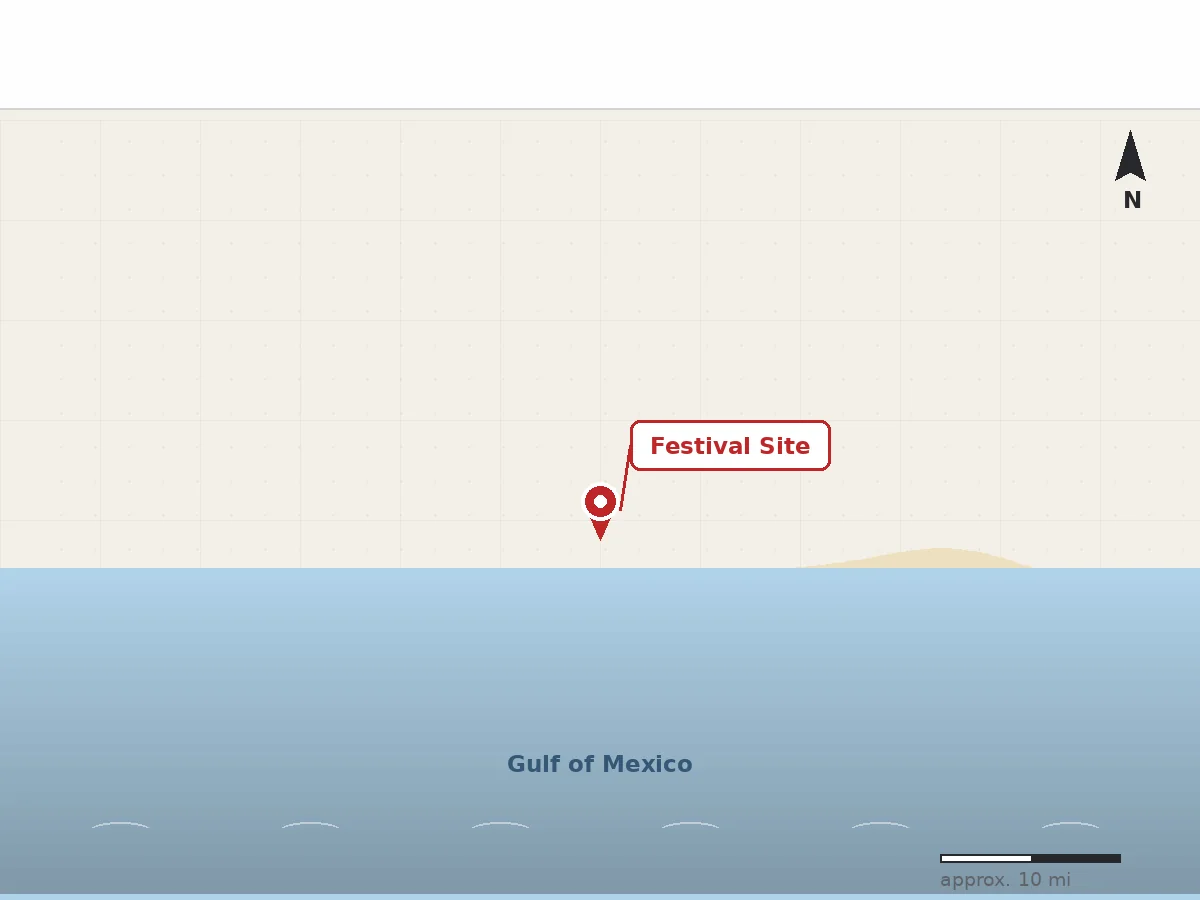
The Magic Valley Beer Festival takes place on outdoor grounds in the Twin Falls County area of south central Idaho, with the county seat of Twin Falls acting as the main gateway for visiting drinkers, eaters and day-trippers.
Answers to Common Magic Valley Beer Festival Questions
When does the Magic Valley Beer Festival usually take place?
It is held on a weekend in late summer, most years, with the exact dates confirmed by the organizers as the season approaches. Because the date moves, the safest approach is to check current listings before you book lodging or arrange time off work.
Do I need to buy a tasting pass in advance?
Advance purchase is the safer option, particularly for anyone travelling a distance or arriving in a group. Passes cover entry and a set number of sample pours, and pass tiers and prices are announced each year. Check the current season’s details rather than relying on a previous year’s information.
Can I bring children to the festival?
Families are a normal part of the crowd at a county festival, and the grounds typically include open lawn, games and non-alcoholic options alongside the beer stations. Arriving earlier in the day makes for an easier visit with children, and any age or entry policies for a given year are best confirmed with the organizers.
How do I get home safely from the grounds?
Plan the return trip before the first pour. Designate a driver, arrange a pickup, or stay within a short drive of the grounds. Rideshare availability in Twin Falls County is not comparable to a major city, so leaving it to chance at closing time is a poor strategy.
The Next Chapter for Beer in Twin Falls County
The Magic Valley’s brewing scene is still young, and the county still has room to grow. More taprooms, more local ingredients and more visitors willing to drive out for a weekend all point in the same direction: a festival that gets a little more polished each year without losing the informal, county-fair feeling that makes it worth attending.
What will not change is the setting. The Snake River canyon, the irrigated fields and the small towns strung across 1,928 square miles will still be the backdrop, and the people pouring the beer will still be neighbours. For a county that has been growing things since 1907, that seems like a natural next chapter.
Last updated: October 2026
If you are planning a late-summer weekend in south central Idaho, put the Magic Valley Beer Festival on the calendar and give yourself an extra day for the canyon. Come for the beer, stay for the farmland, and leave with a better sense of what Twin Falls County is — a place that has spent more than a century making something out of dry ground, and has lately decided that some of it should be beer.